What We Will Not Take On
We run out of Owasso, about 7 miles from Skiatook
So we're not a drop-in neighborhood shop - we schedule the drive, we don't idle around the corner. That means same-day emergency calls depend on what's already on the truck and where the crew is working that morning; we won't promise a response window we can't back up from that distance.
- 7 miles
We also won't try to rebuild a door that's cheaper to replace
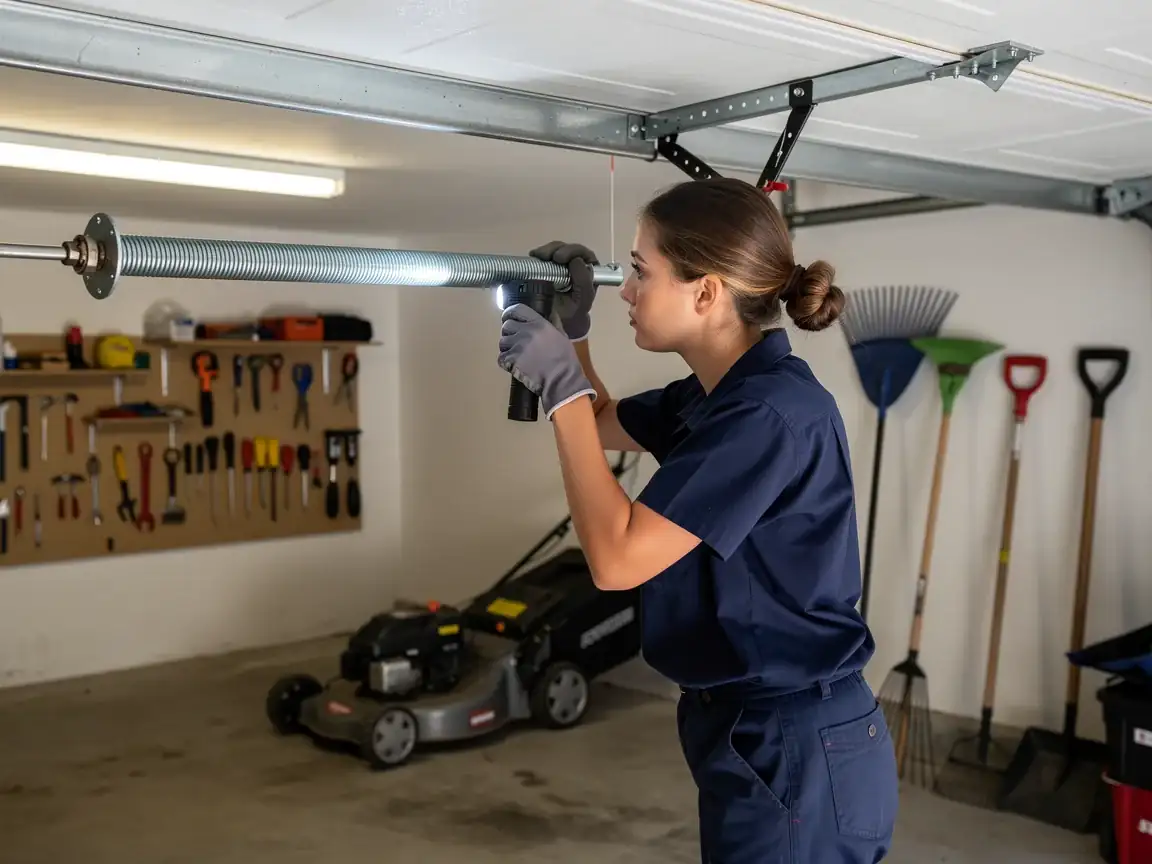
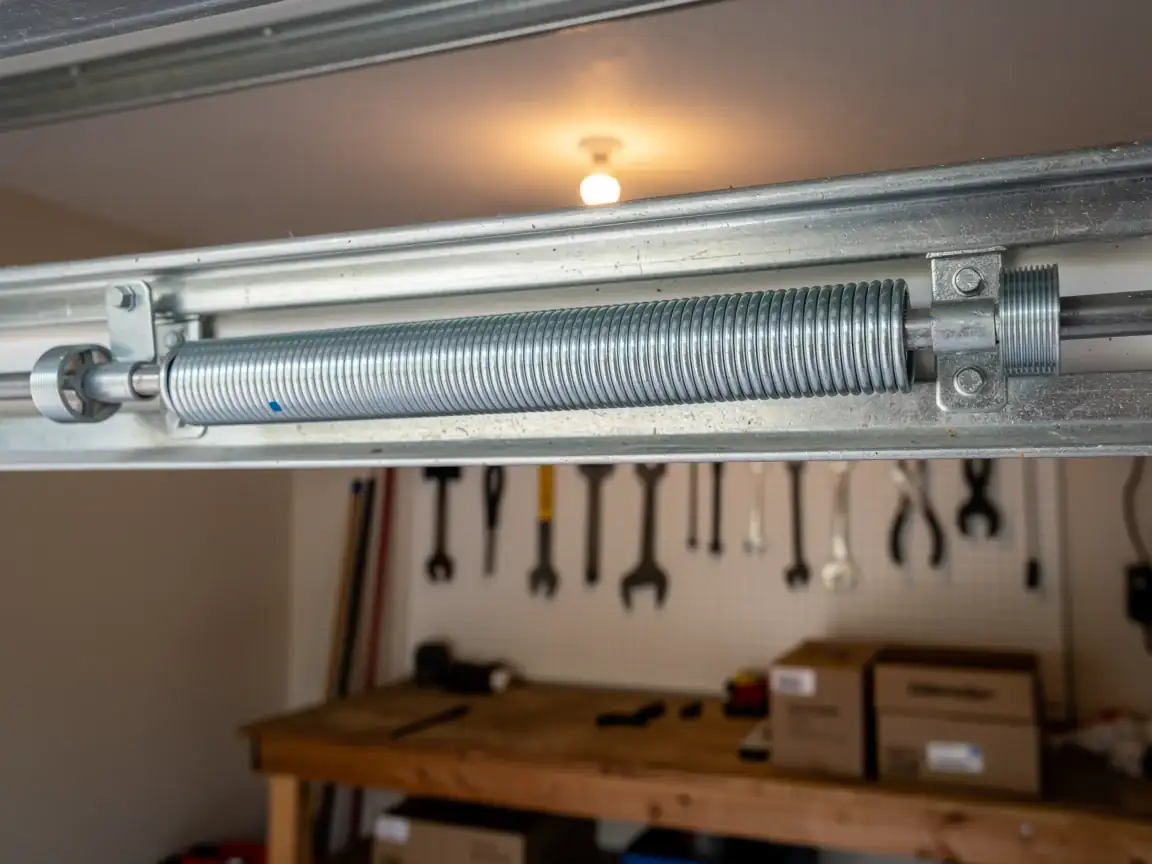
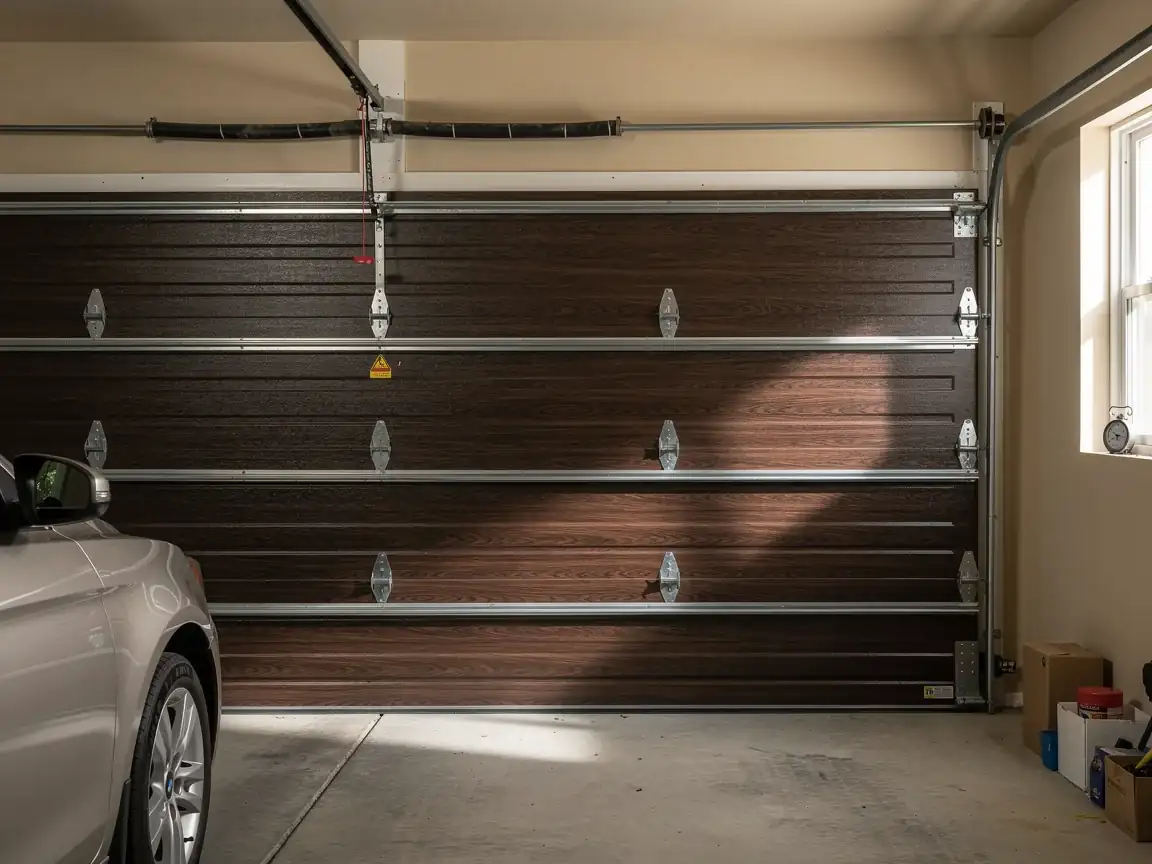
If a torsion spring has gone on a 1980s-era door and the track is bent, the drums are pitted, and the panels are rusted at the bottom, patching one part just moves the next failure down the road a few months. We'll tell you straight when the math favors a new door over another repair bill.
One more limit worth naming
Parts for odd or older opener models aren't always something we carry stock of. If your opener is a brand we don't regularly service, we may need a day or two to source the board or gear kit rather than fix it on the first visit. We'd rather say that up front than leave you waiting without an explanation.
Timing on This Area
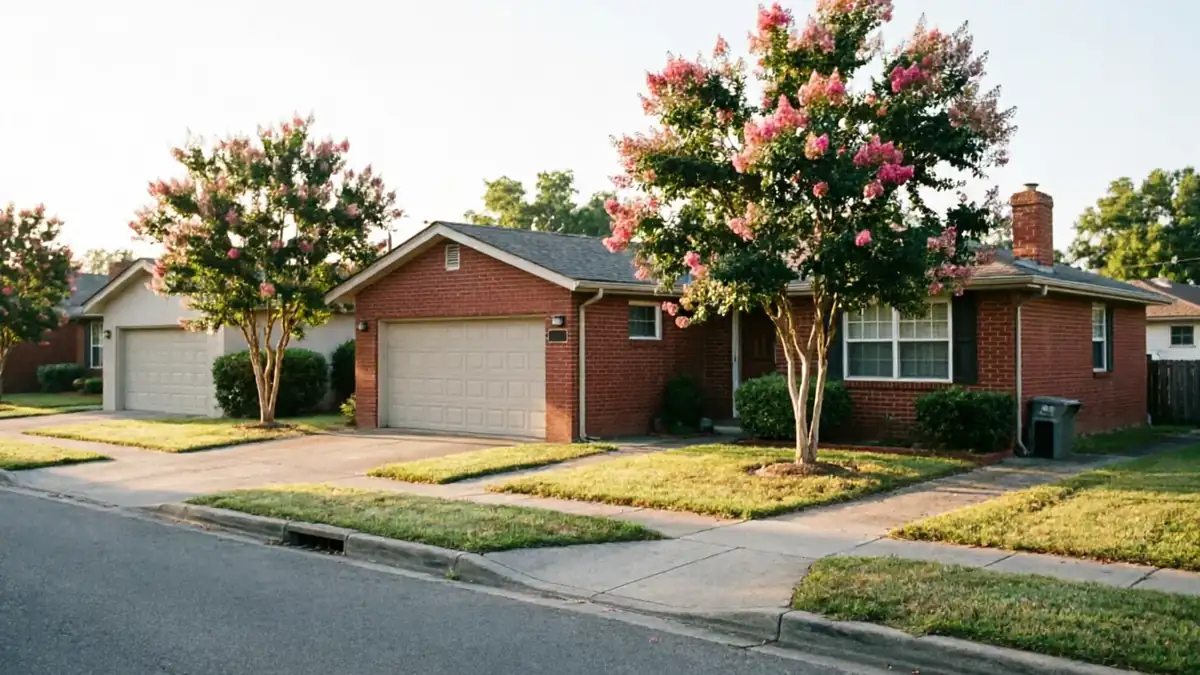
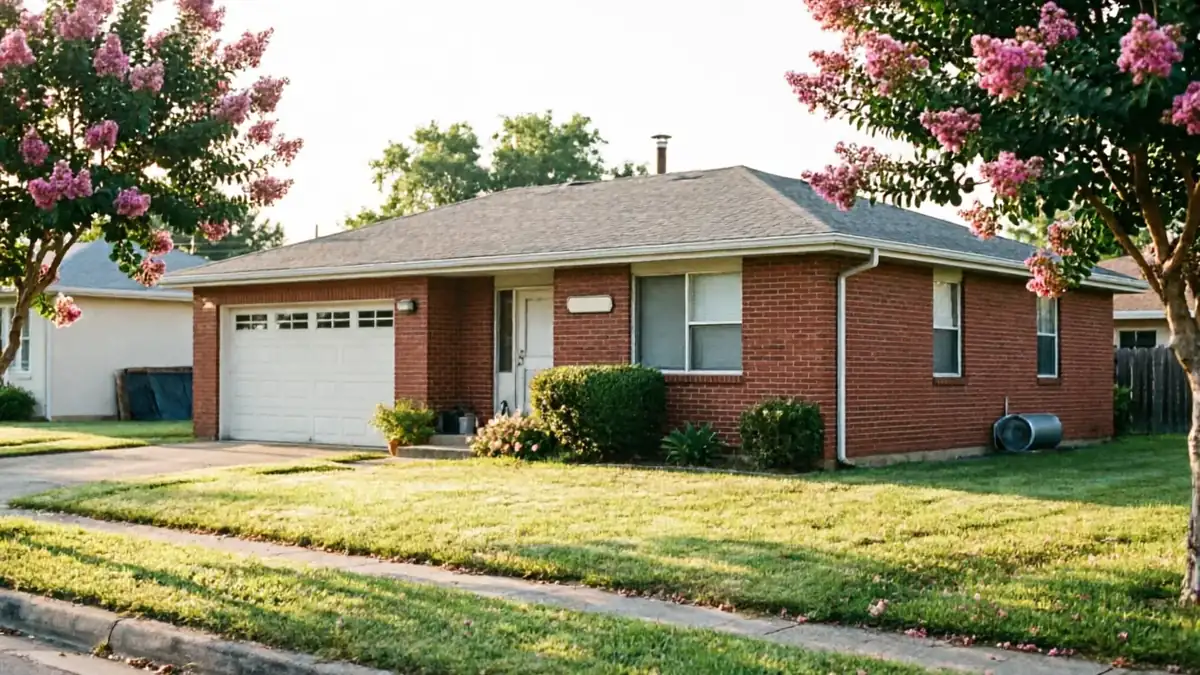
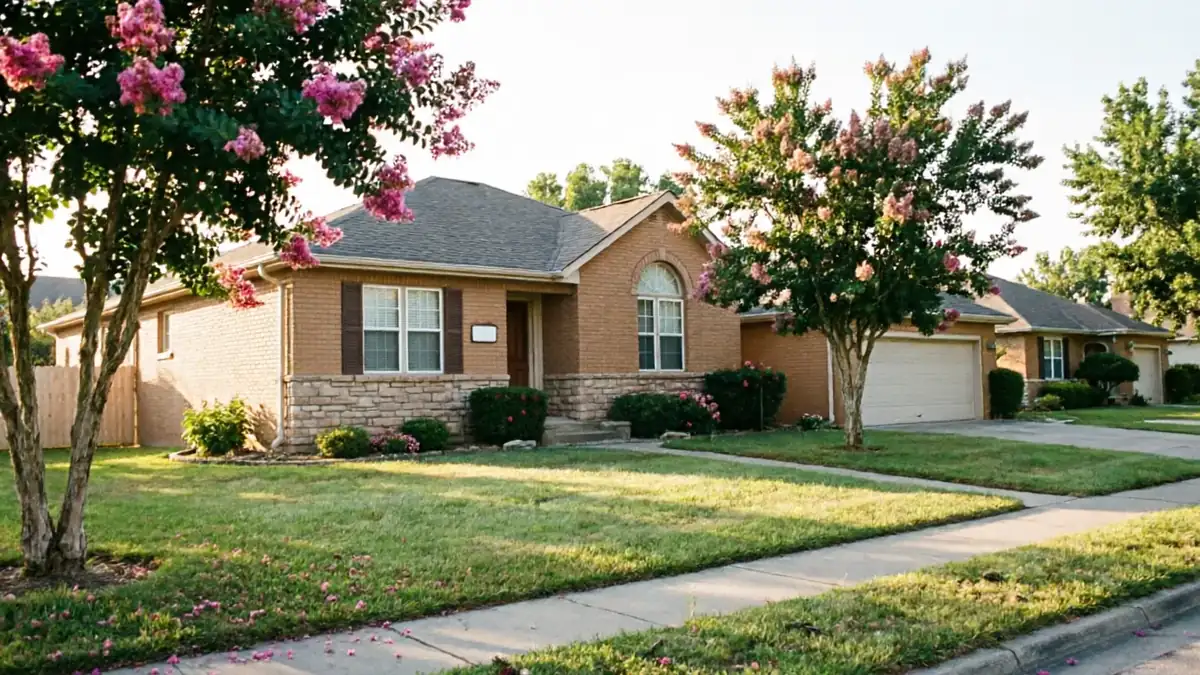
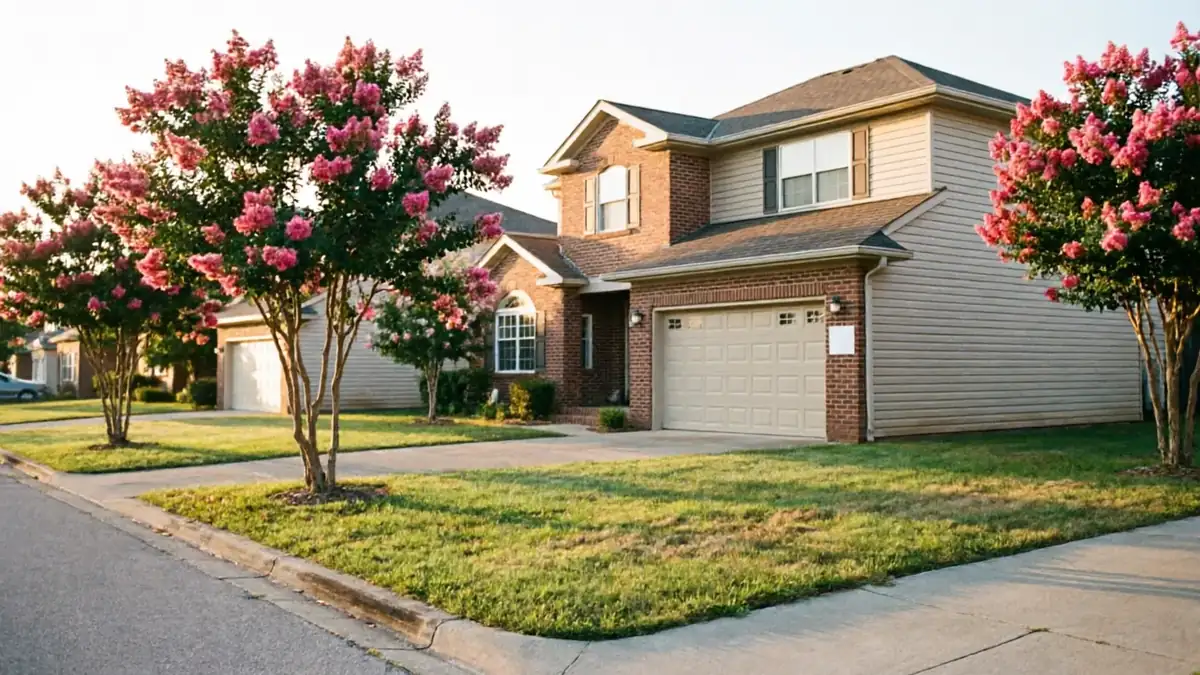
Skiatook's housing stock lines up closely with the median build year across our whole service area: 1986. That's not a coincidence - it reflects the same wave of growth that filled in a lot of this part of the county through the 1980s and into the 90s. With 3,269 households in the area and a median income of $55,444, most of what we see here is original hardware on houses that have had one owner, maybe two, and a door that's never been swapped out.
A door installed in 1986 is now pushing 38-39 years old. Torsion springs rated for roughly 10,000 cycles typically give out well before that mark if the door sees regular daily use, which means most Skiatook garage doors are well past their second or third spring by now, whether or not that's been addressed. Openers from that era, if original, are long past any reasonable service life - chain-drive units with worn gears and no safety-reverse sensors that meet current standards.
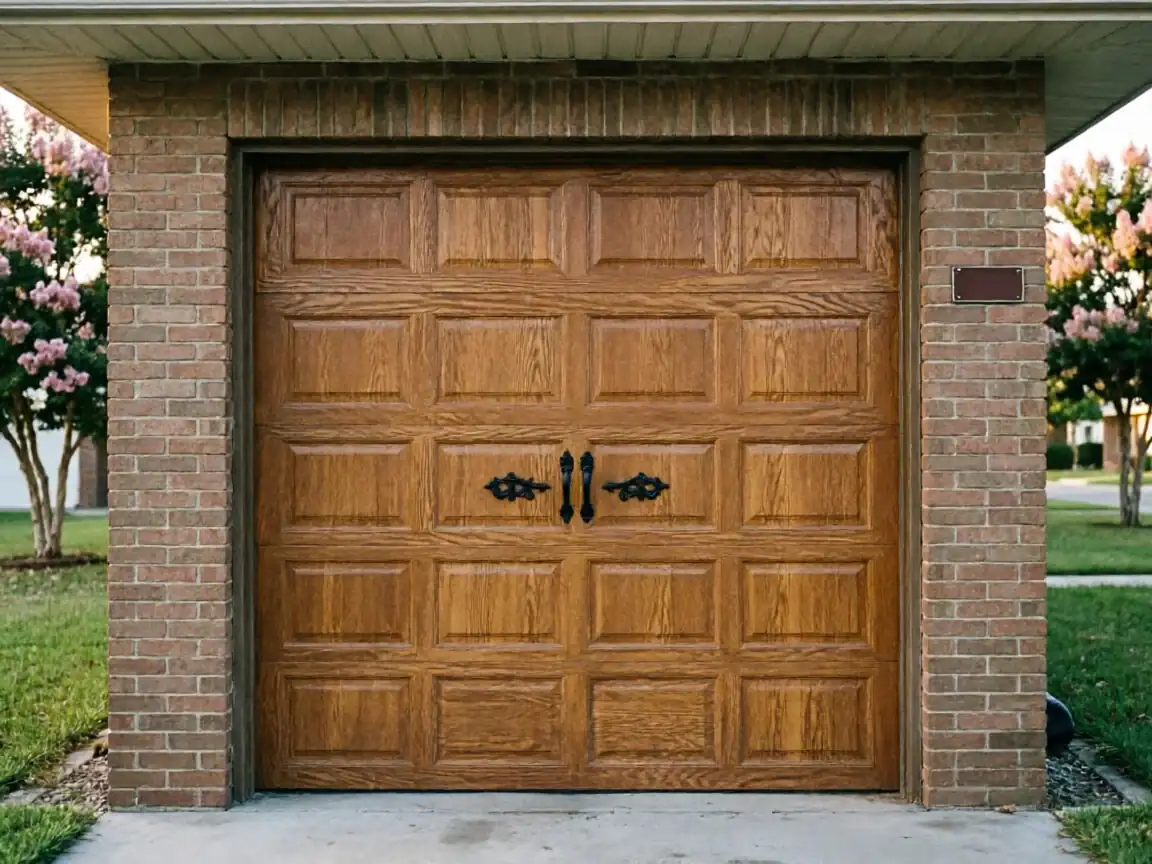
We mention the year because it changes what we expect to find before we even open the panel: original torsion hardware, likely galvanized steel sectional doors, and openers that are either already replaced once or are flatly overdue.
What Was Built Here
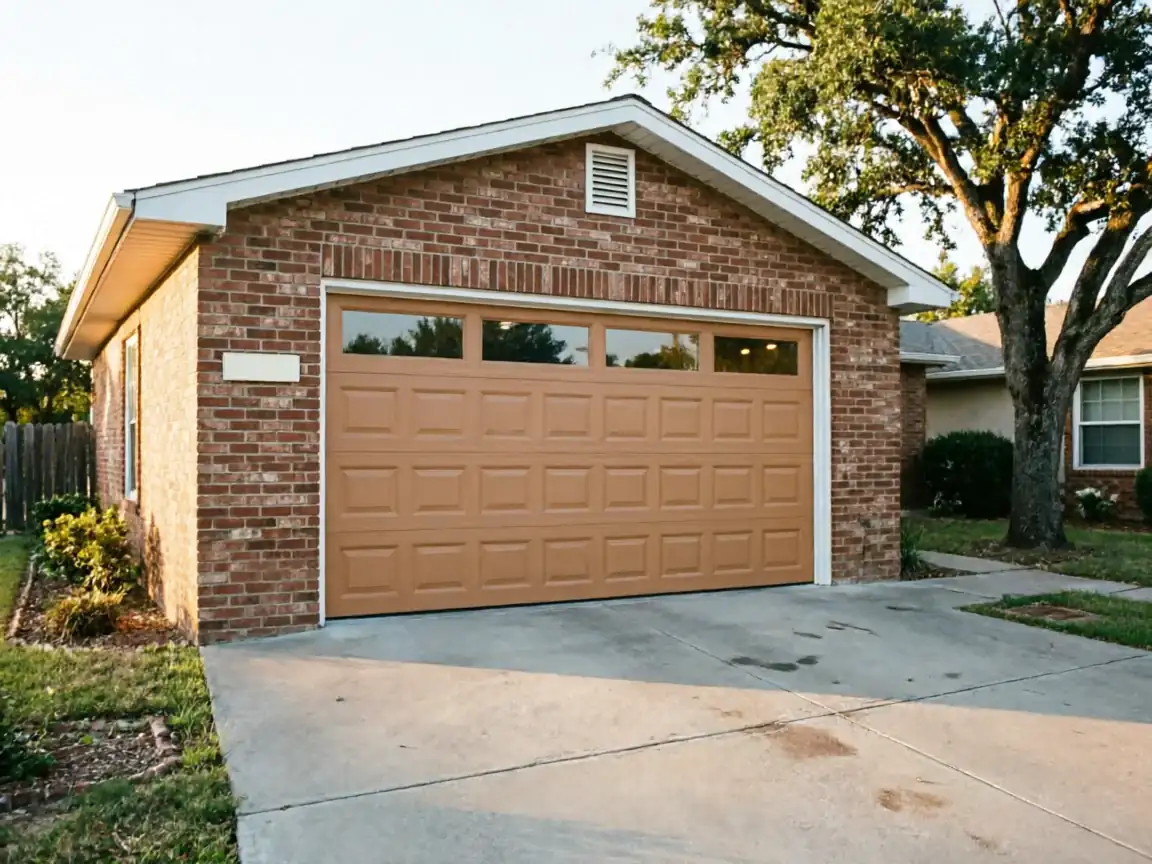
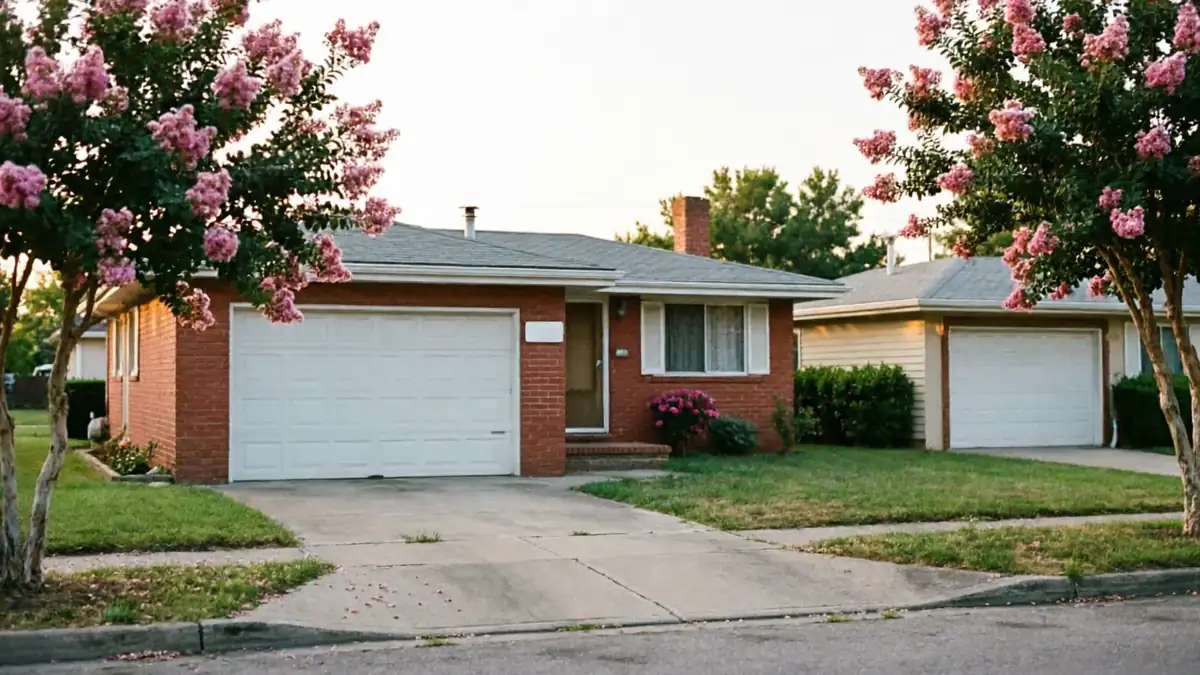
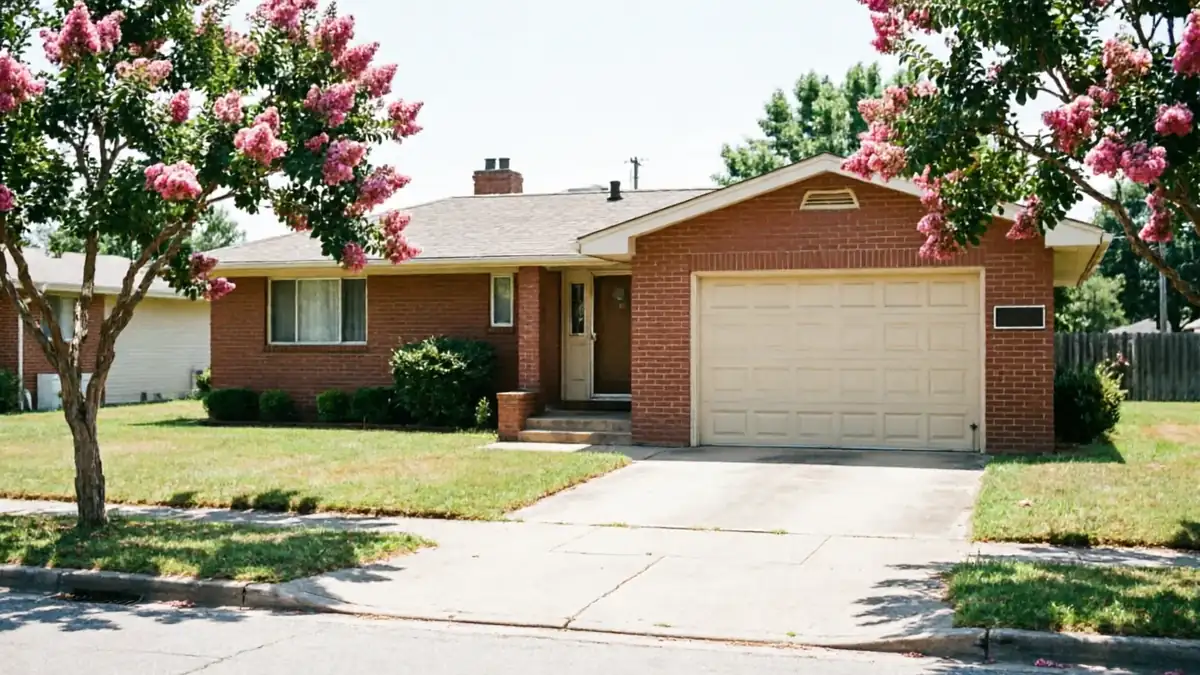
The homes going up in and around Skiatook through the 1980s and 90s were mostly single-family construction with attached garages built to the standards of that period - which, in this part of Oklahoma, means a cold-moderate climate band: freeze-thaw cycles through winter, but nothing like the deep-freeze codes you'd see further north. Garages from that build era typically weren't insulated unless it was added later, and the doors that shipped standard with those houses were steel sectional panels on steel tracks, usually with torsion springs mounted on a single center shaft above the door.
That consistency across the build years here is useful: it means the failures we see are predictable rather than scattered. We're not guessing at a mix of eras and door types the way we might in an older or newer pocket of town. A mid-80s door in Skiatook is going to have the same basic bones as its neighbor three houses down, just at a different point in its wear cycle.
How That Shows Up in the Door
Cold-moderate winters mean metal contracts, grease stiffens, and a spring that was already near the end of its cycle count is more likely to let go on a January morning than in July
We see more torsion spring failures and stiff, groaning tracks through the colder months here than any other time of year, and a lot of that traces straight back to original 1980s hardware that's simply run its course.
The other pattern worth knowing about
Openers from that build period, where they haven't already been replaced, don't meet modern entrapment-protection standards. If yours is still the original unit, swapping it isn't just about convenience - it's a real safety gap compared to anything made in the last fifteen years.
Panels on these older doors tend to show their age at the bottom section first
Where moisture and ground contact do the most damage over four decades. If you're noticing rust bubbling along the bottom seam or a door that's heavier to lift by hand than it used to be, that's consistent with what we'd expect from a door of this age, not a defect specific to your house.