What We Will Not Take On
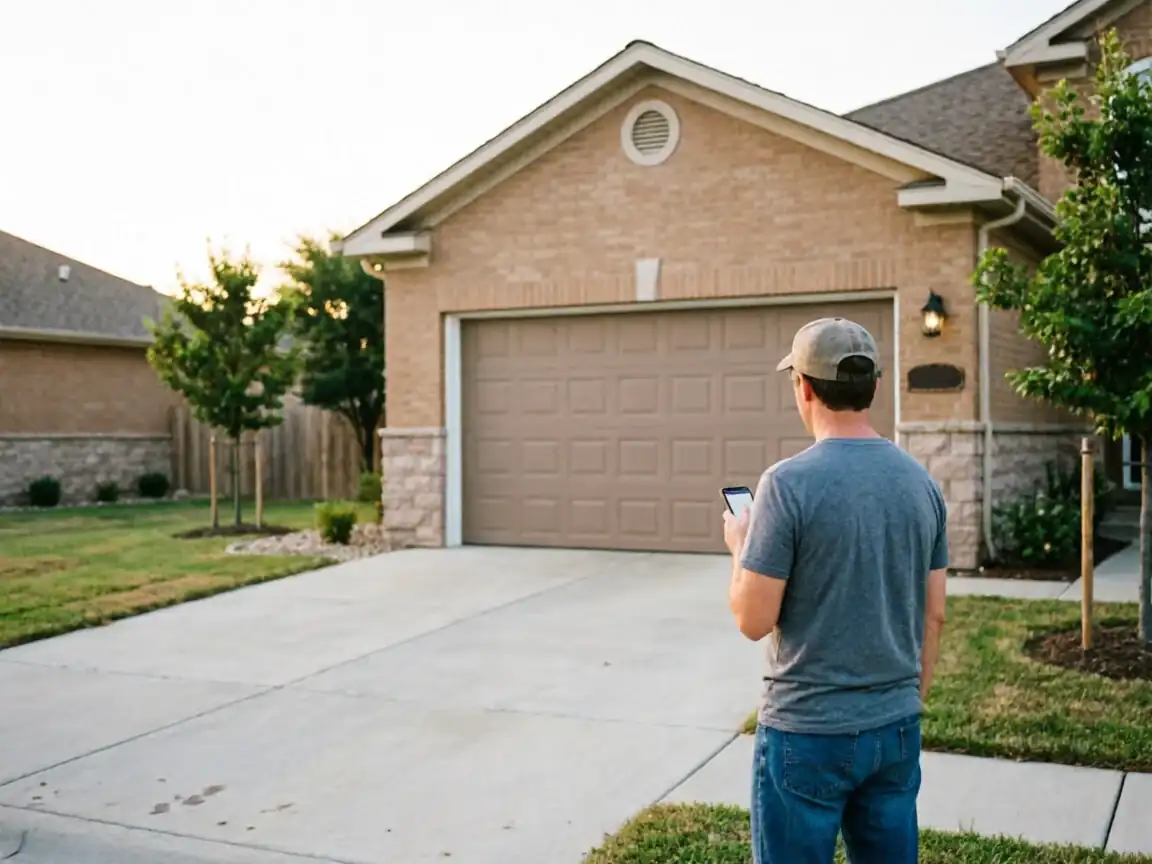
We run out of Owasso, six miles up the road, and we don't keep a crew or a depot sitting in Collinsville
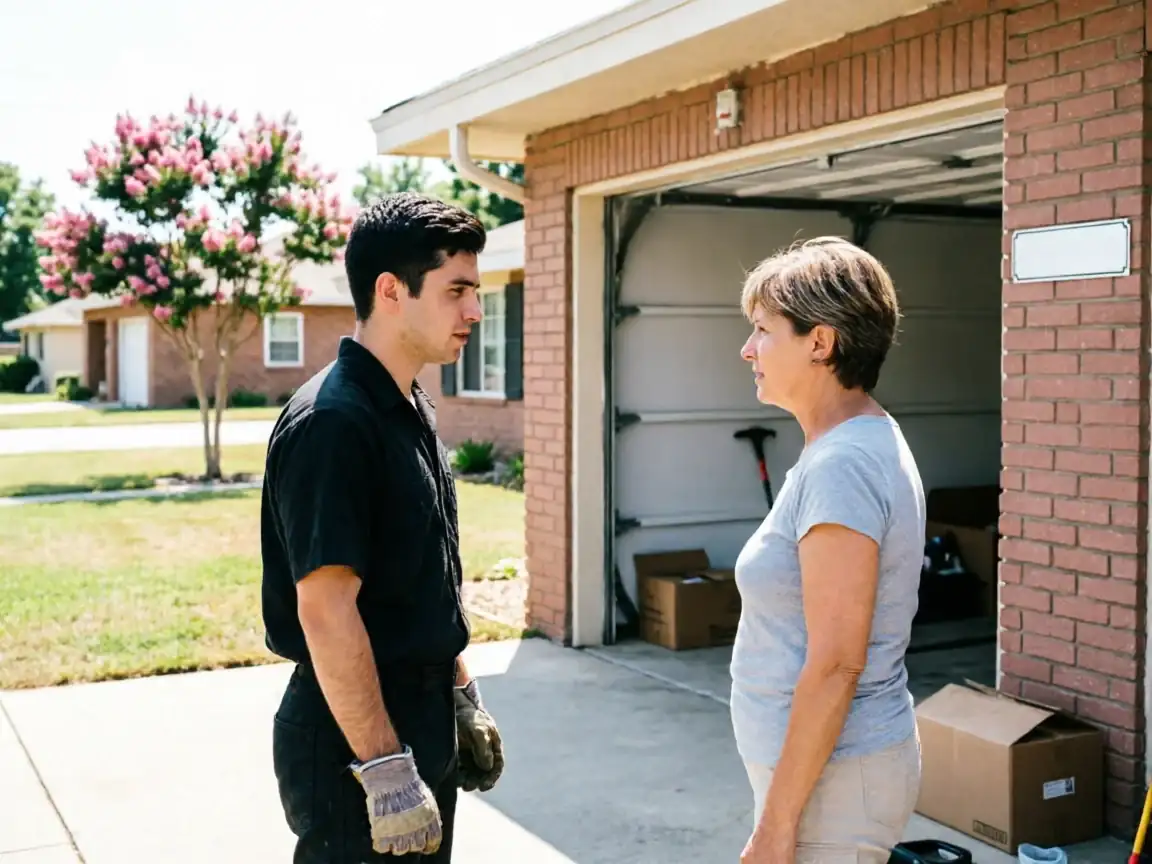
That means we're not the right call for anything that needs a same-hour fix at 2 a.m. or a job where you need someone standing in your driveway inside twenty minutes. If your door is the only thing between your house and the street and it's stuck wide open overnight, call someone who's already on your side of town.
We also won't tell you a repair makes sense when it doesn't
If your opener's logic board is fried and the unit is old enough that parts are backordered for weeks, we'll say so and quote a replacement instead of stringing you along on a part that may never show up. And we don't touch doors where the wood has rotted through the jamb - that's a carpentry job before it's ever a door job.
What we are good for
A scheduled visit, a clear diagnosis, and straight talk about whether a spring, a cable, or a whole opener is the actual problem. Collinsville is close enough that getting a truck there isn't the issue - knowing what's actually installed in your garage is.
Timing on This Area
Collinsville's houses were mostly built around 2002 - call it sixteen years newer, on average, than the 1986 median that describes the wider stretch of homes between here and Owasso. That gap matters more than it sounds like it should, because garage door hardware, opener safety standards, and even standard door widths shifted a lot between the mid-80s and the early 2000s.
The area has 3,166 households, and household income here runs higher than the broader service area's $77,403 figure - Collinsville's median sits around $88,537. That tends to track with more owners who've already replaced an opener once or twice rather than running the original unit into the ground, and it tends to mean insulated steel doors rather than the thin single-layer panels that show up on older stock.
The six-mile run from Owasso is short, and it's shorter than the trip out to Skiatook or Catoosa, which sit further down F10's list. That's not a promise about how fast we can get there on any given day - it's just geography, and geography is the one thing on this page that doesn't change.
What Was Built Here
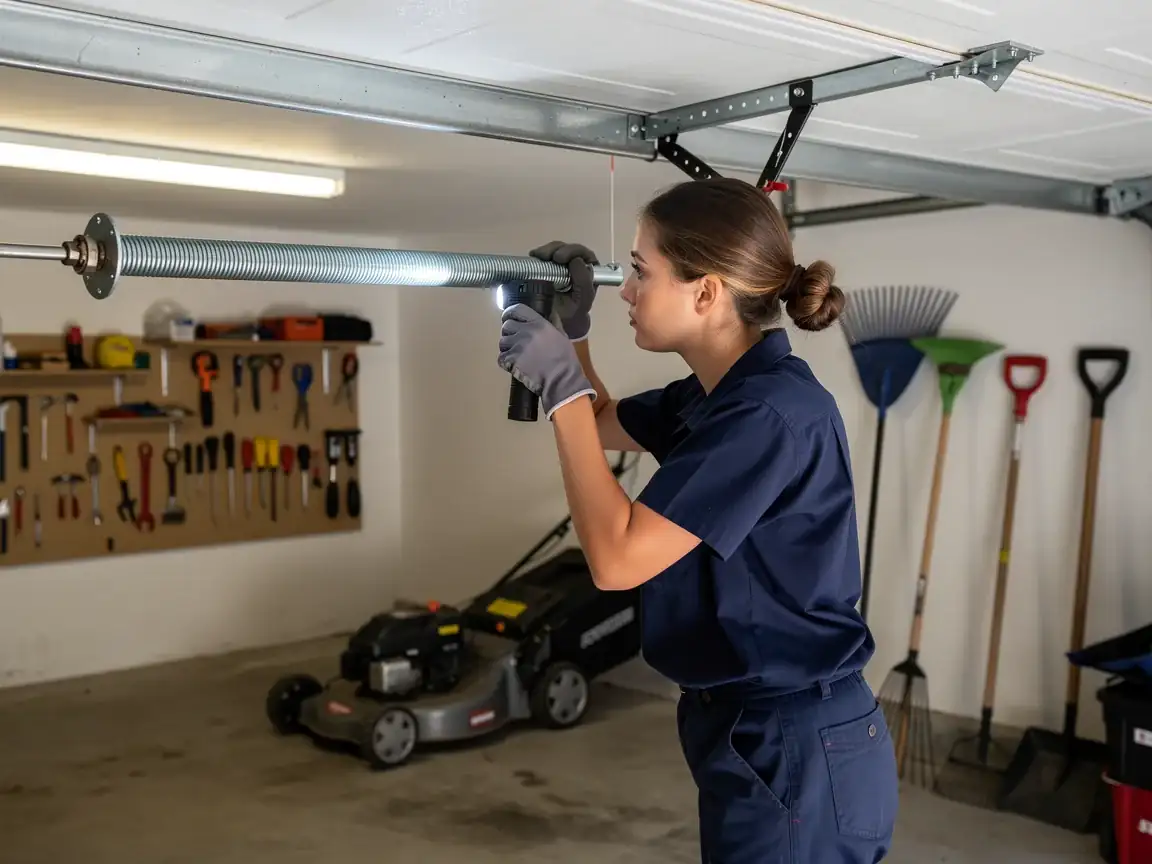
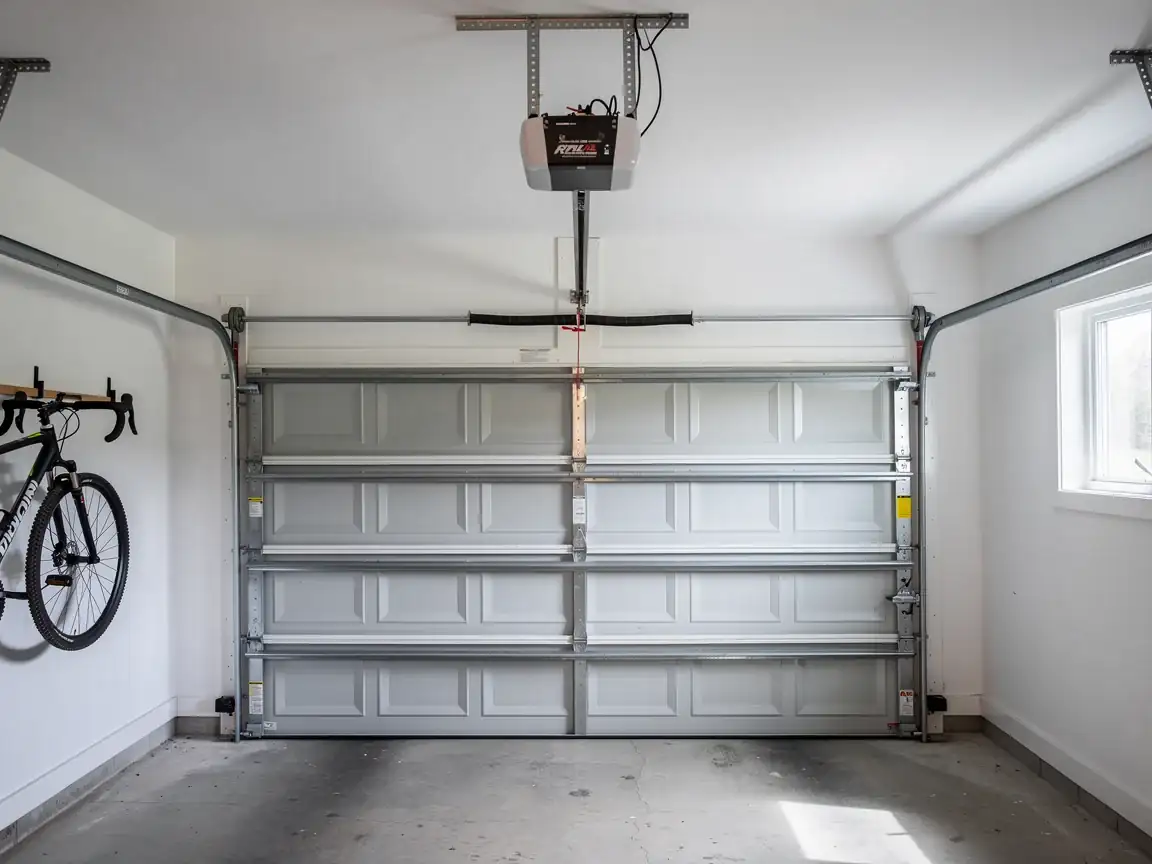
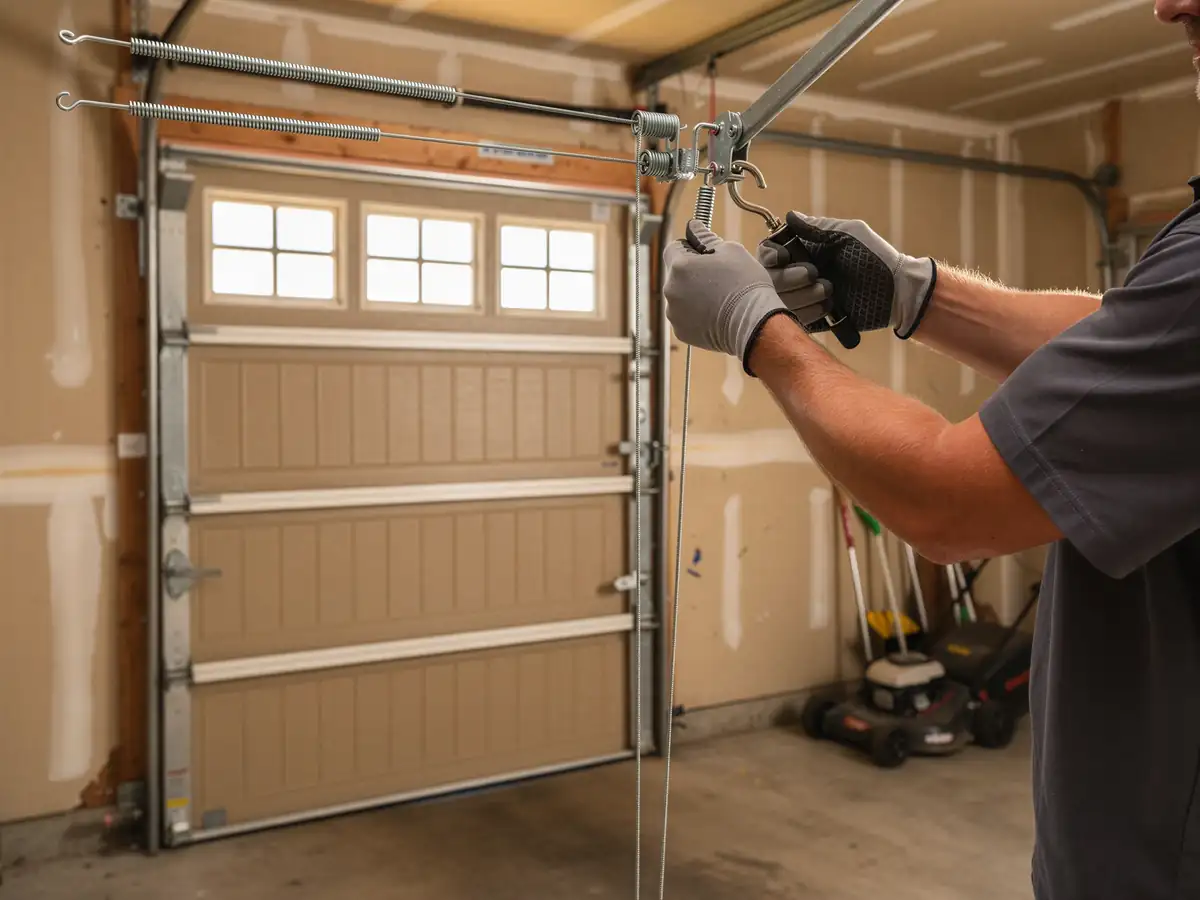
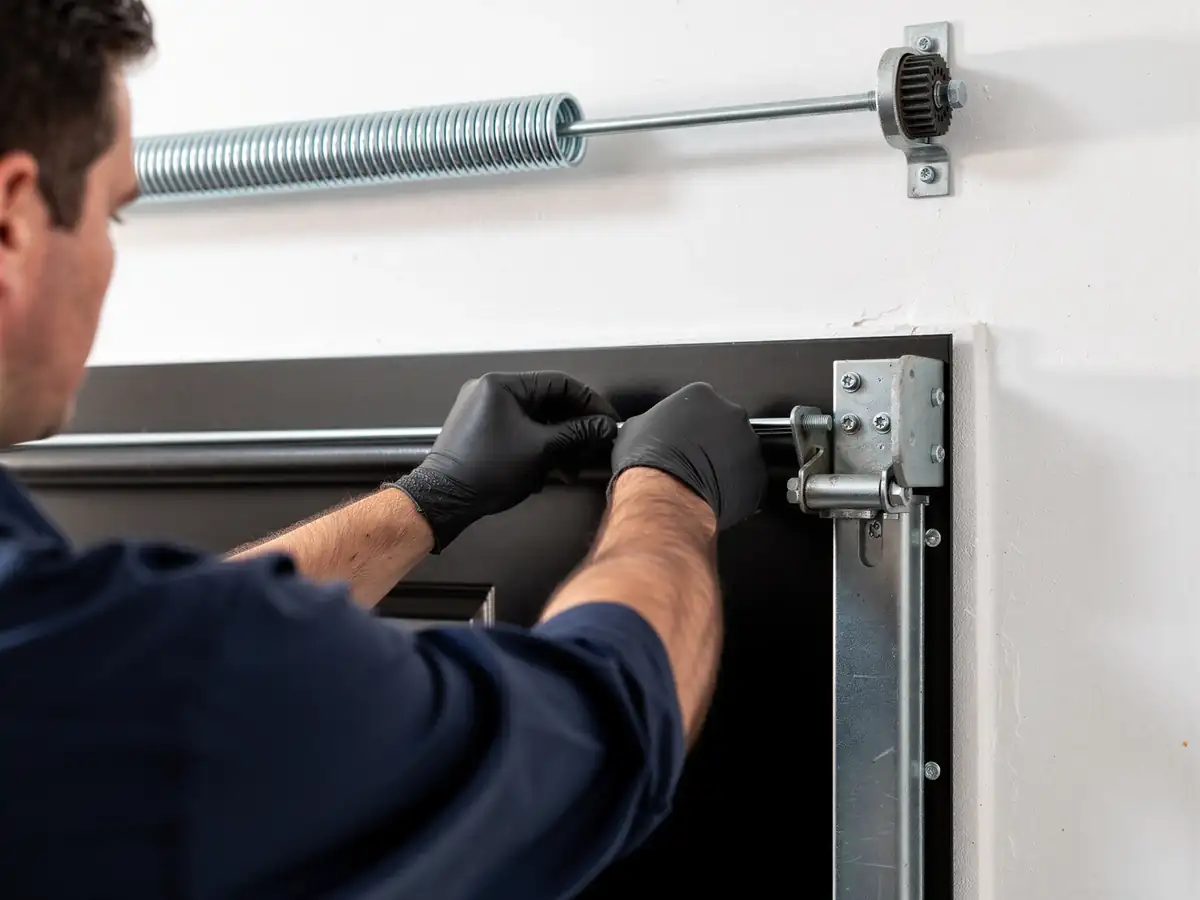
A house built in 2002 almost always came with a factory torsion spring system rather than the older extension-spring setup you'd find on a 1970s garage. It also almost certainly came with a safety reversal system built into the opener - photo-eye sensors at the bottom of the track became mandatory on new installs well before 2002, so if your opener doesn't have them, it's been swapped at least once already.
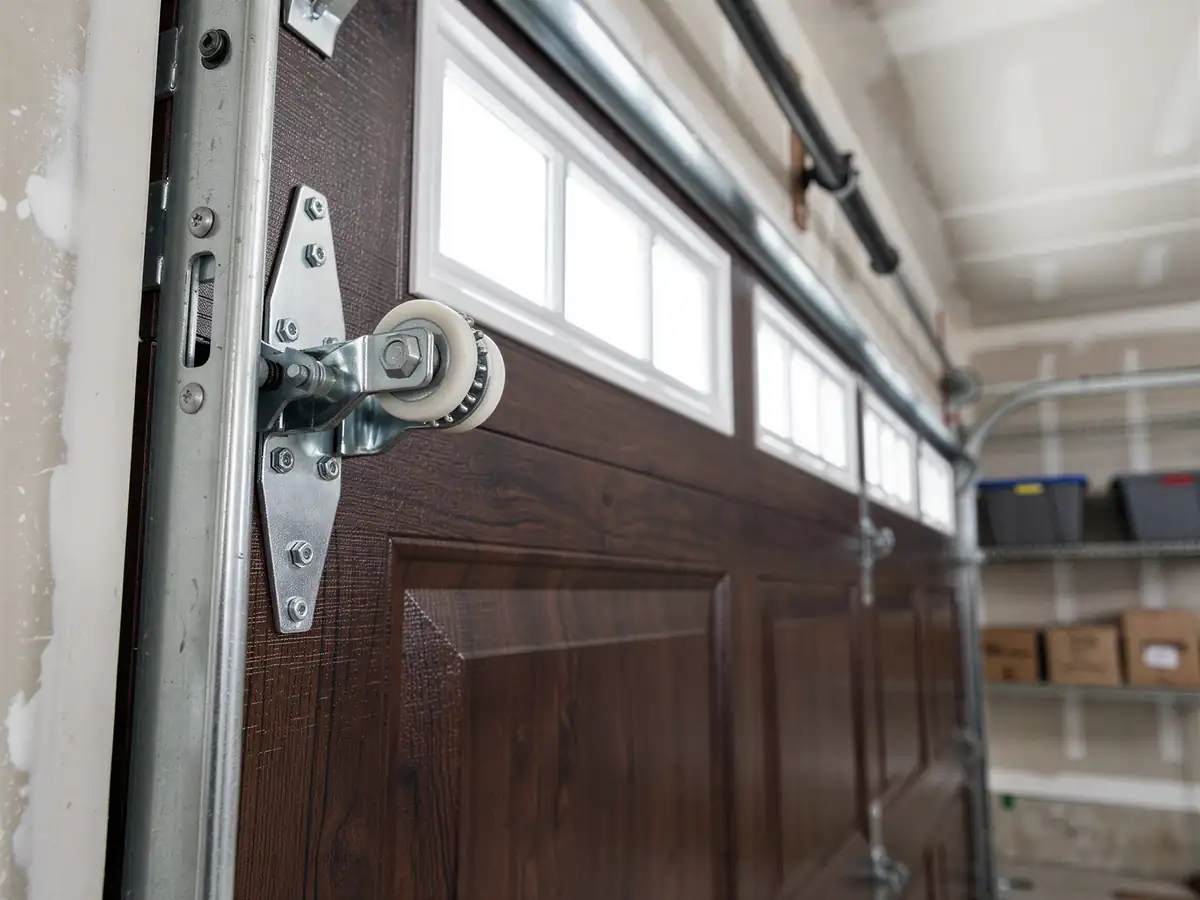
Doors from this era are typically steel, often with a polystyrene or polyurethane core rather than solid wood or bare uninsulated metal. That matters for this climate band - the area sits in a cold-moderate zone, and insulated steel holds up better against the swing between a hard freeze and a 90-degree afternoon than an older uninsulated panel does.
The broader area, where the median build year runs closer to 1986, carries a mixed bag - some torsion, some extension, openers without sensors that predate the mandate entirely. Collinsville skews newer and more uniform. That's useful to know before a tech ever shows up, because it narrows down what's likely wrong before anyone opens the panel.
How That Shows Up in the Door
On a 2002-era door, the complaints we expect to hear first are different from what we'd expect on an older house
Torsion springs from this period are rated for a certain cycle count, and after two decades of daily use, that's often right where they start to fail - a door that won't lift, or one that slams down instead of lowering slow.
Opener logic boards from the early 2000s are also starting to age out
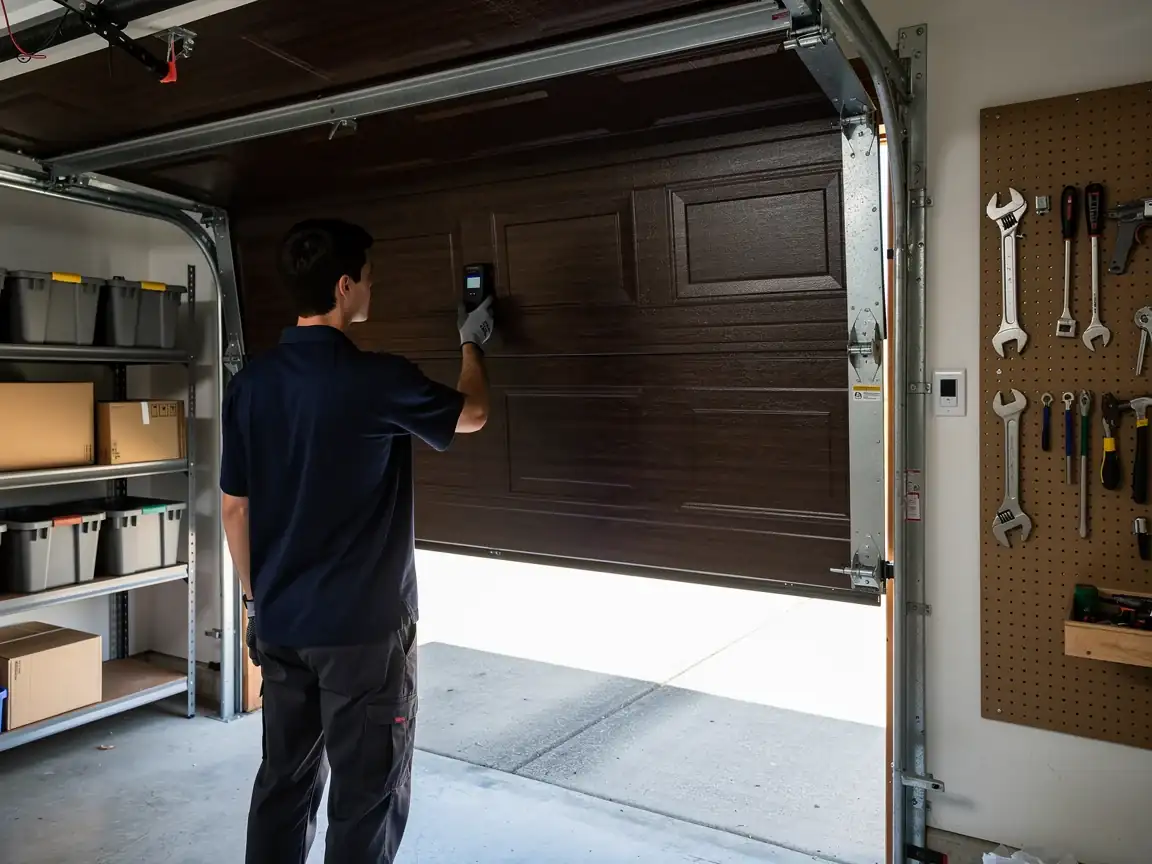
If the remote still works but the wall switch doesn't, or if the door reverses for no reason mid-close, that's frequently a board or sensor alignment problem rather than anything mechanical with the door itself.
What we don't see as much of here
The brittle, uninsulated panels and ancient extension-spring setups that are common on older 1970s and 80s stock elsewhere in the service area. Collinsville's housing is young enough that most of what fails is hardware fatigue, not the door itself being structurally out of date. That's a narrower, more predictable set of problems, and it's the first thing we check for before we open anything up.