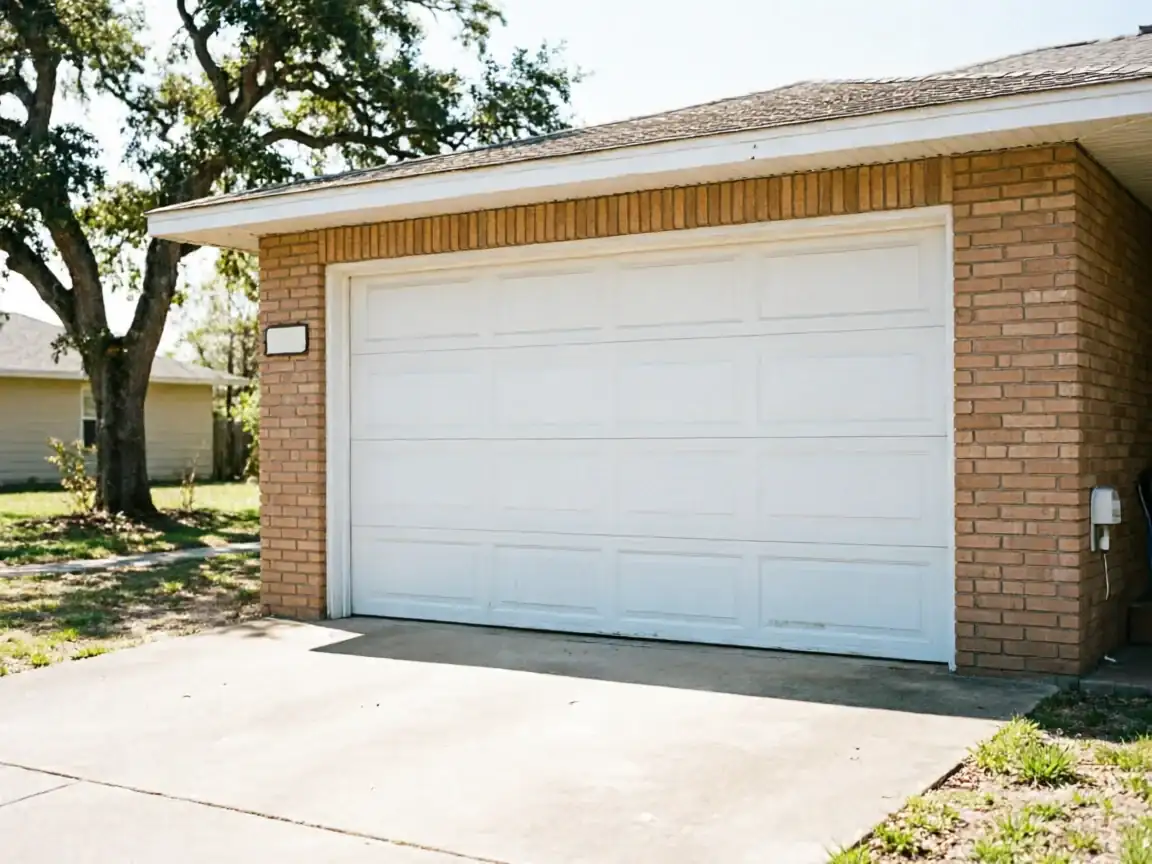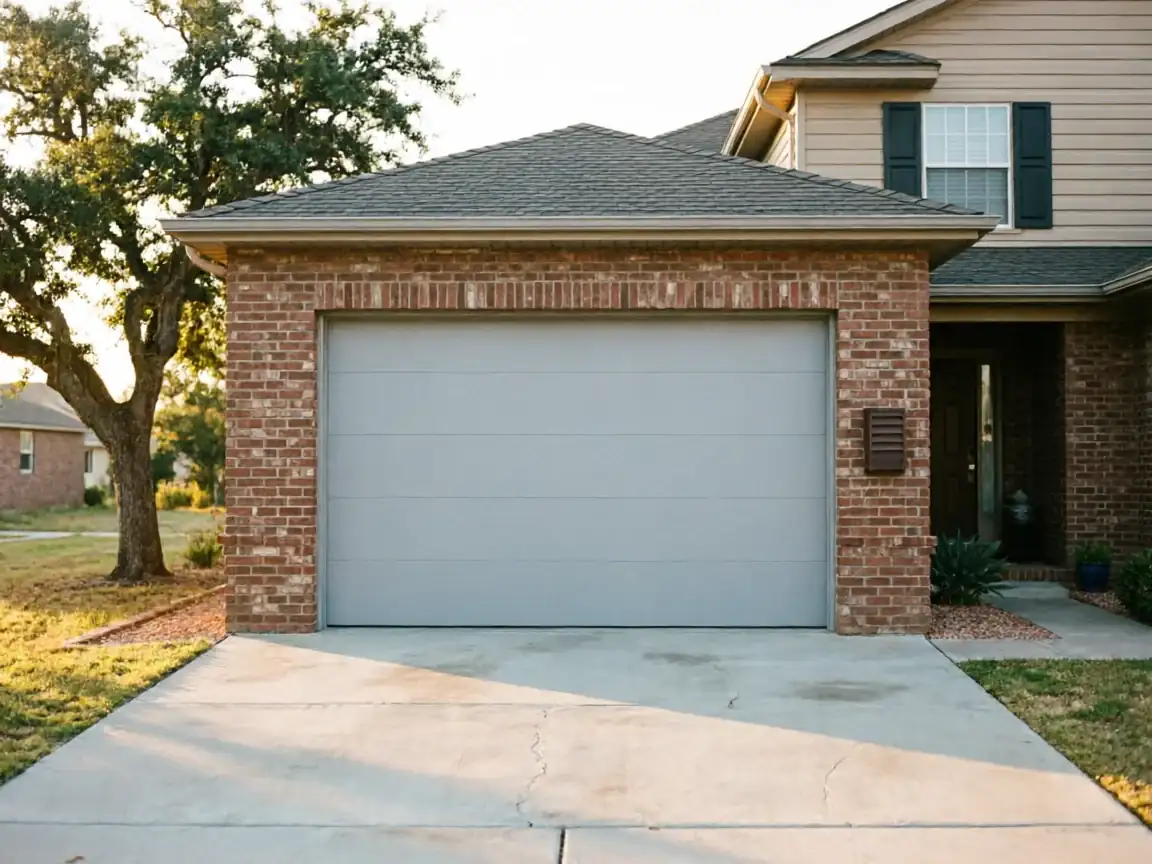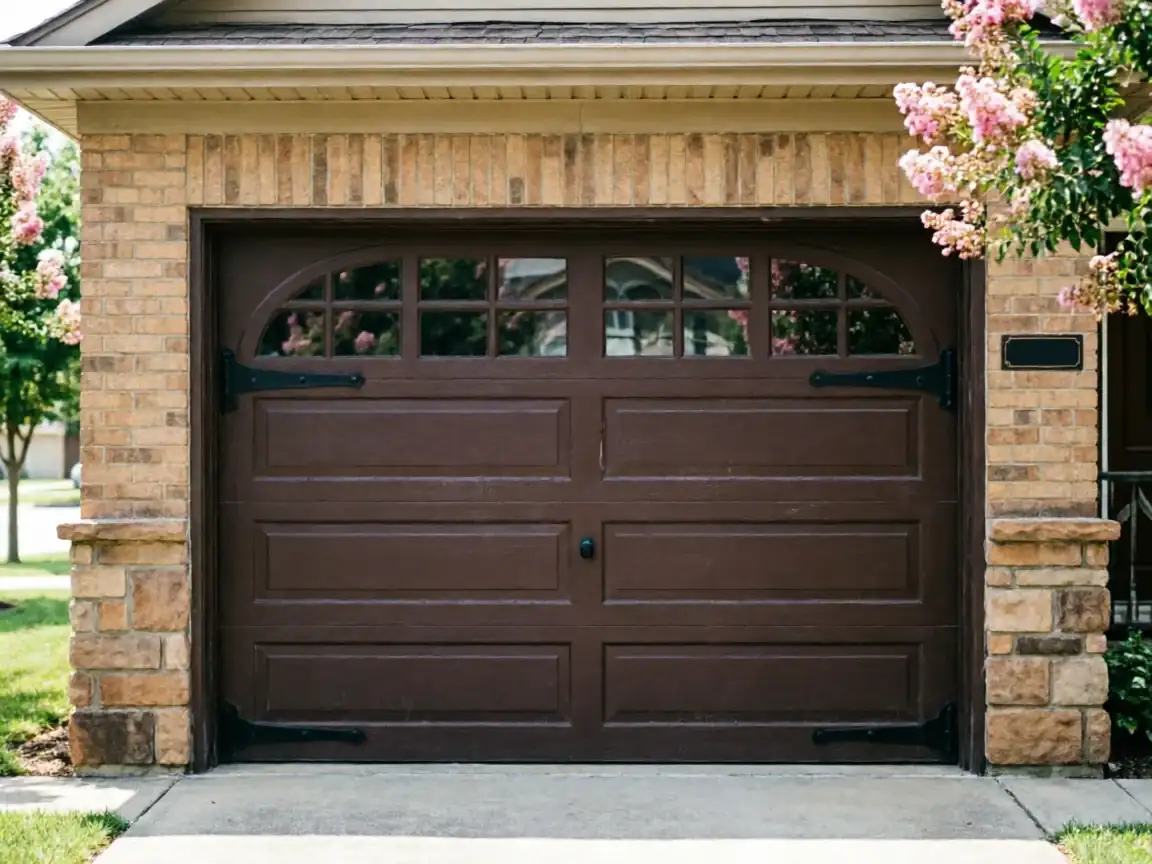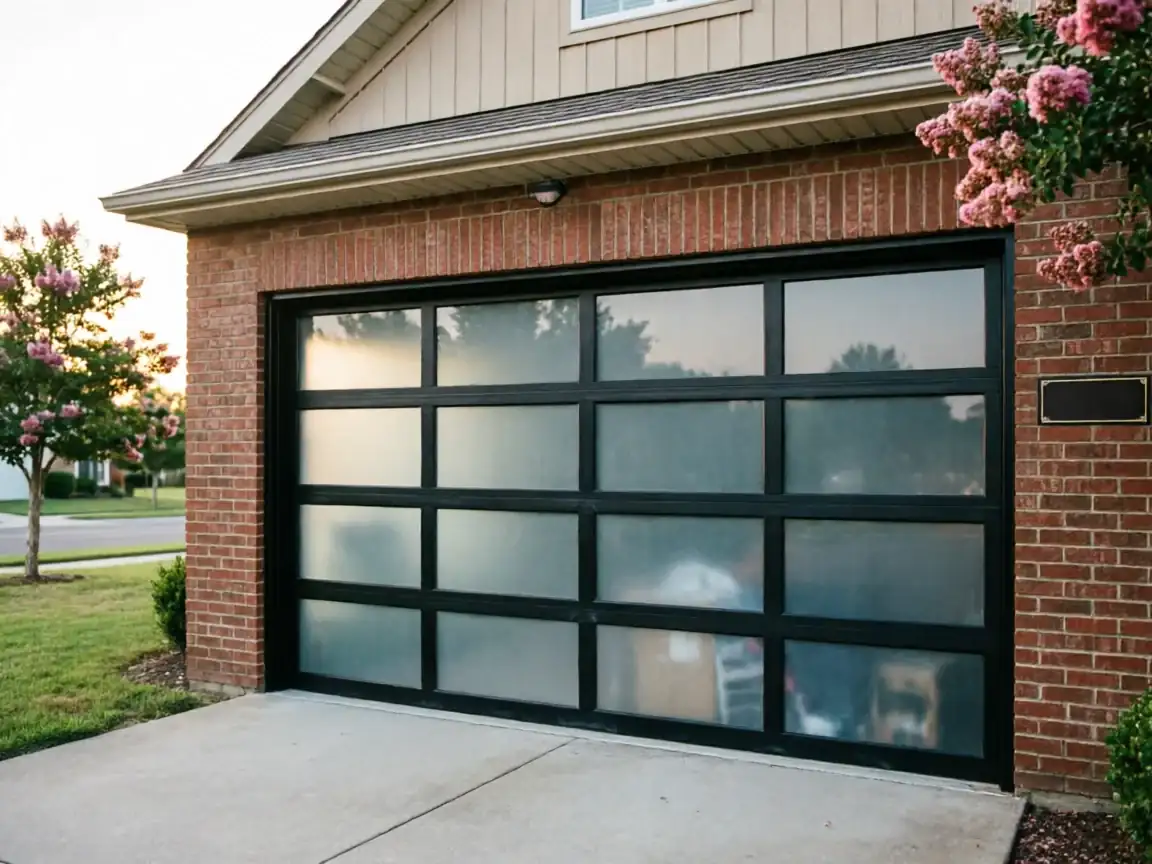
What You Are Seeing
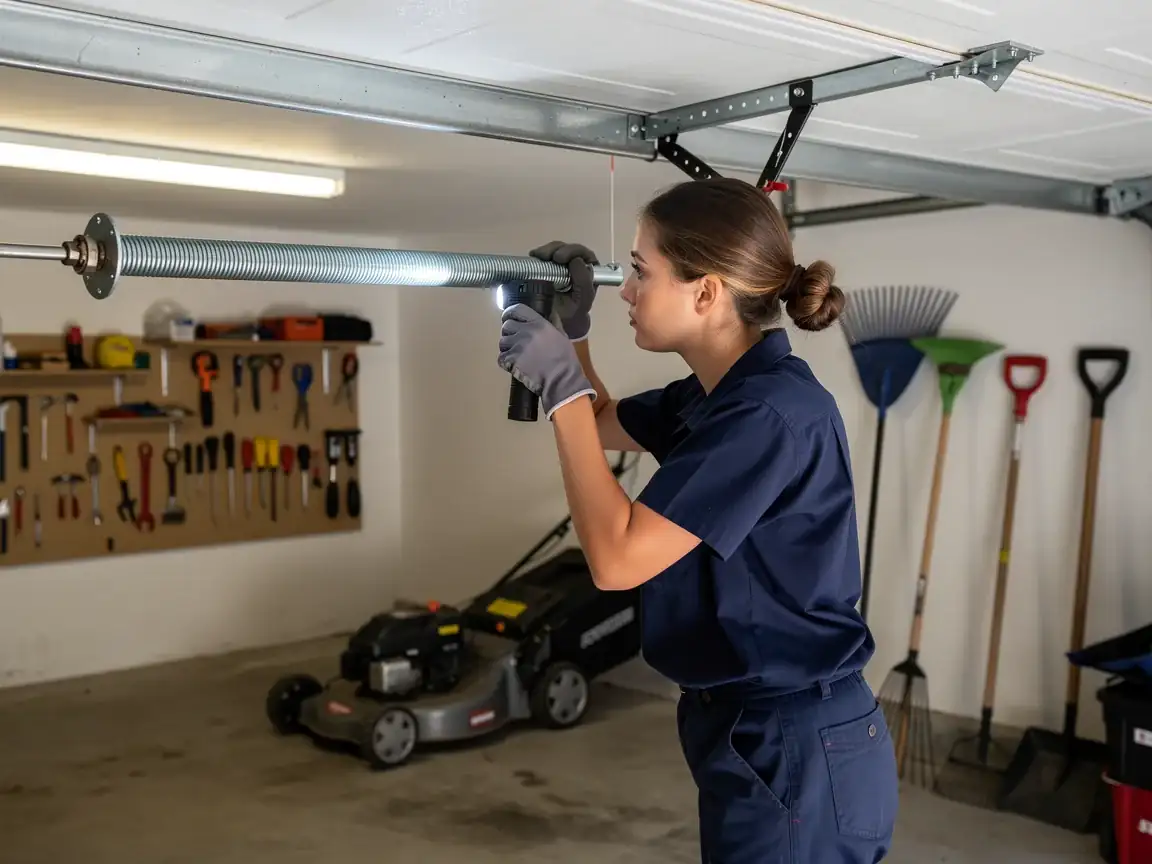
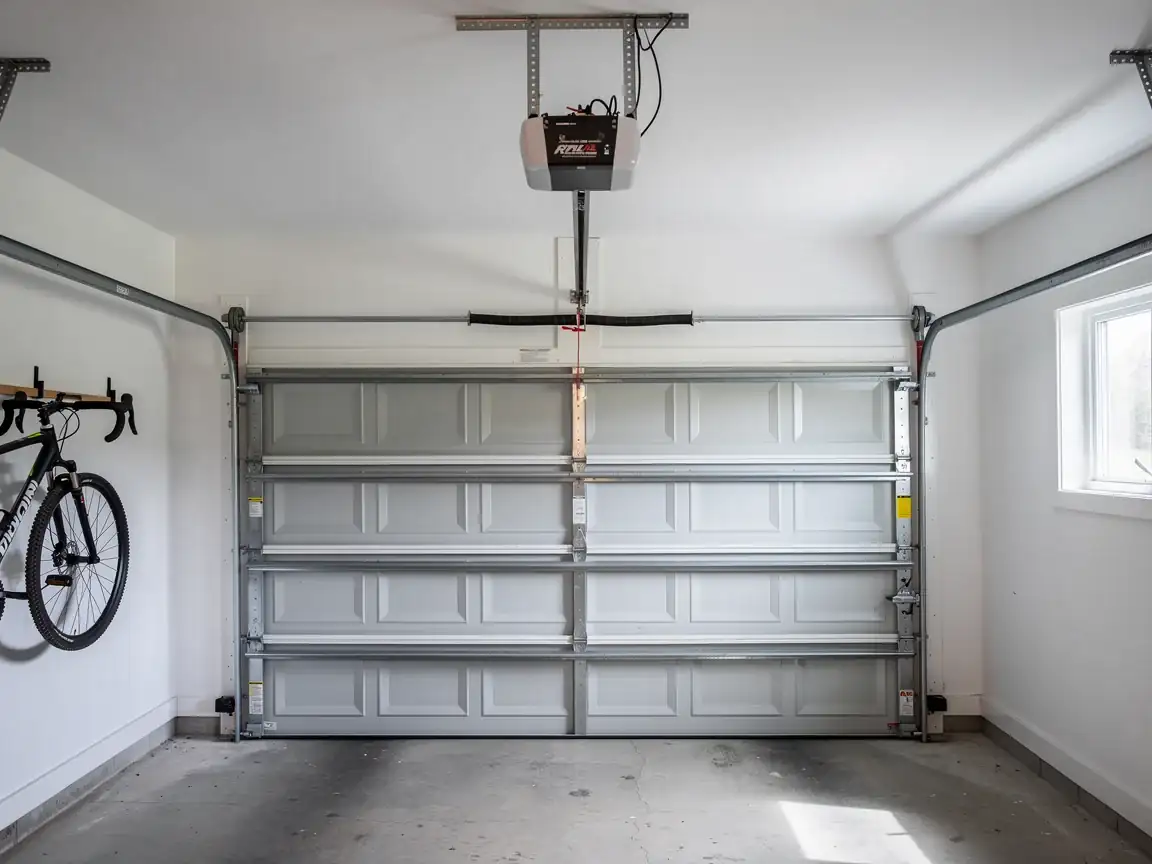
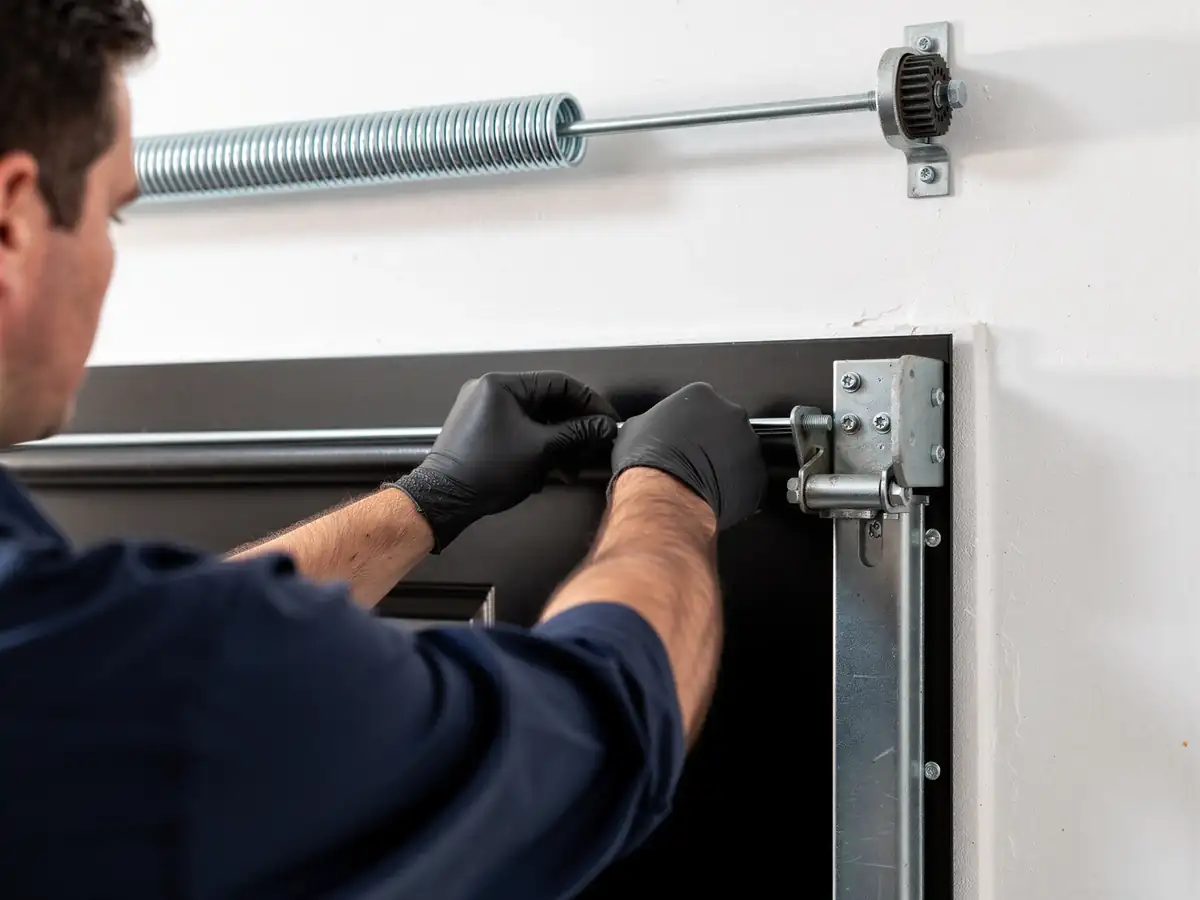
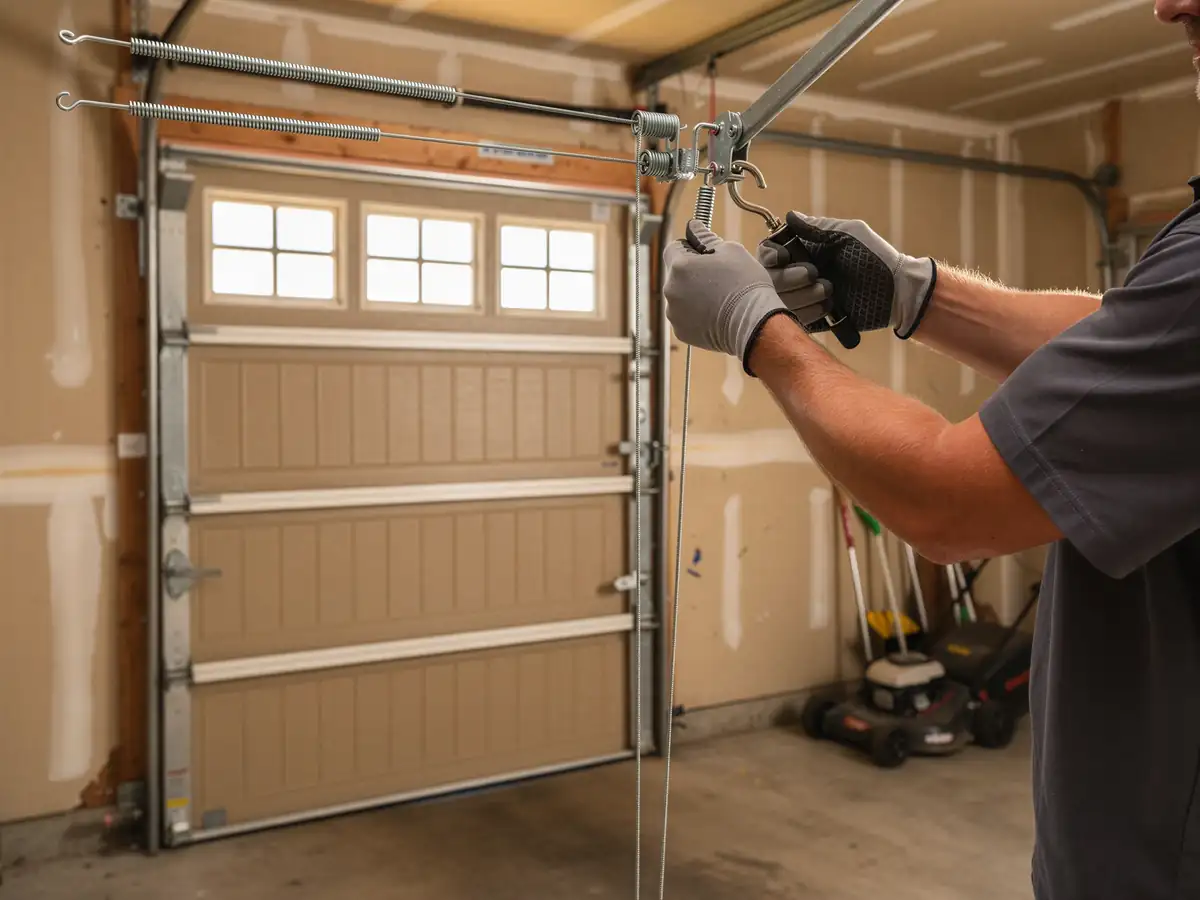
The usual call is a door that won't lift, or lifts a few inches and stalls, with a visible gap in the torsion spring above the door opening. Sometimes it's a loud bang from the garage before the door quits working that day - that's the spring letting go, not the opener failing. On older builder-grade doors common through this part of the territory, the spring cycles have added up over three or four decades of daily use, and the metal fatigues whether or not the door's ever been serviced. Openers often keep straining against a dead spring for a few days before they burn out trying to lift a door with no counterbalance, which turns a spring call into an opener call if it's left too long.
Why This Fails Locally
Half the homes in Skiatook were built around 1986, the same midpoint year as the broader service area, which means the torsion hardware is uniform 1980s-90s builder-grade gear - standard wind counts, standard cone sizes, nothing custom. That consistency makes sourcing the right spring simple, but it also means a lot of these springs are hitting the same age wall at roughly the same time. The region sits in a cold-moderate climate band, and steel torsion springs lose a measurable amount of life to seasonal temperature swings that expand and contract the coil daily. None of that is unique to any one house - it's just what three or four decades of winters does to a spring nobody's replaced since the door went in.
Can You Do This Yourself
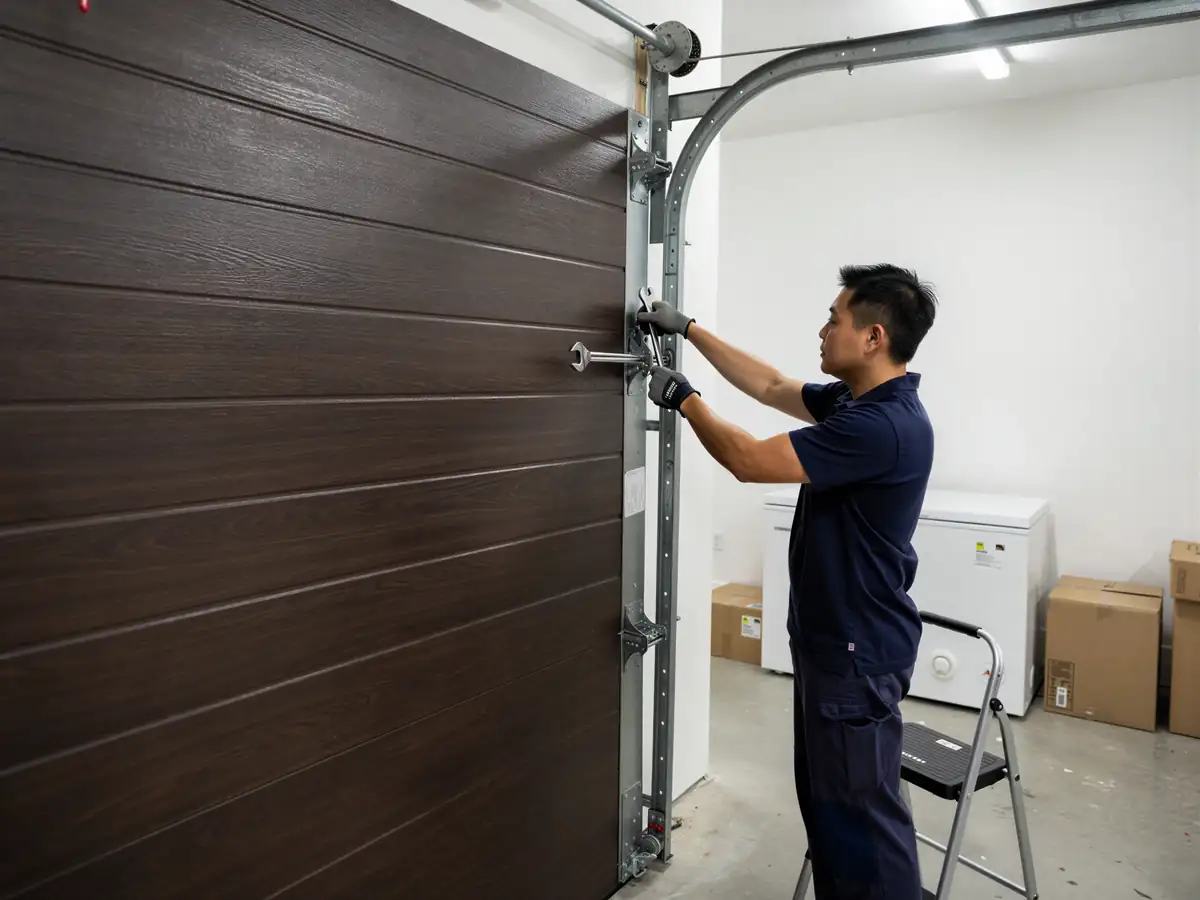
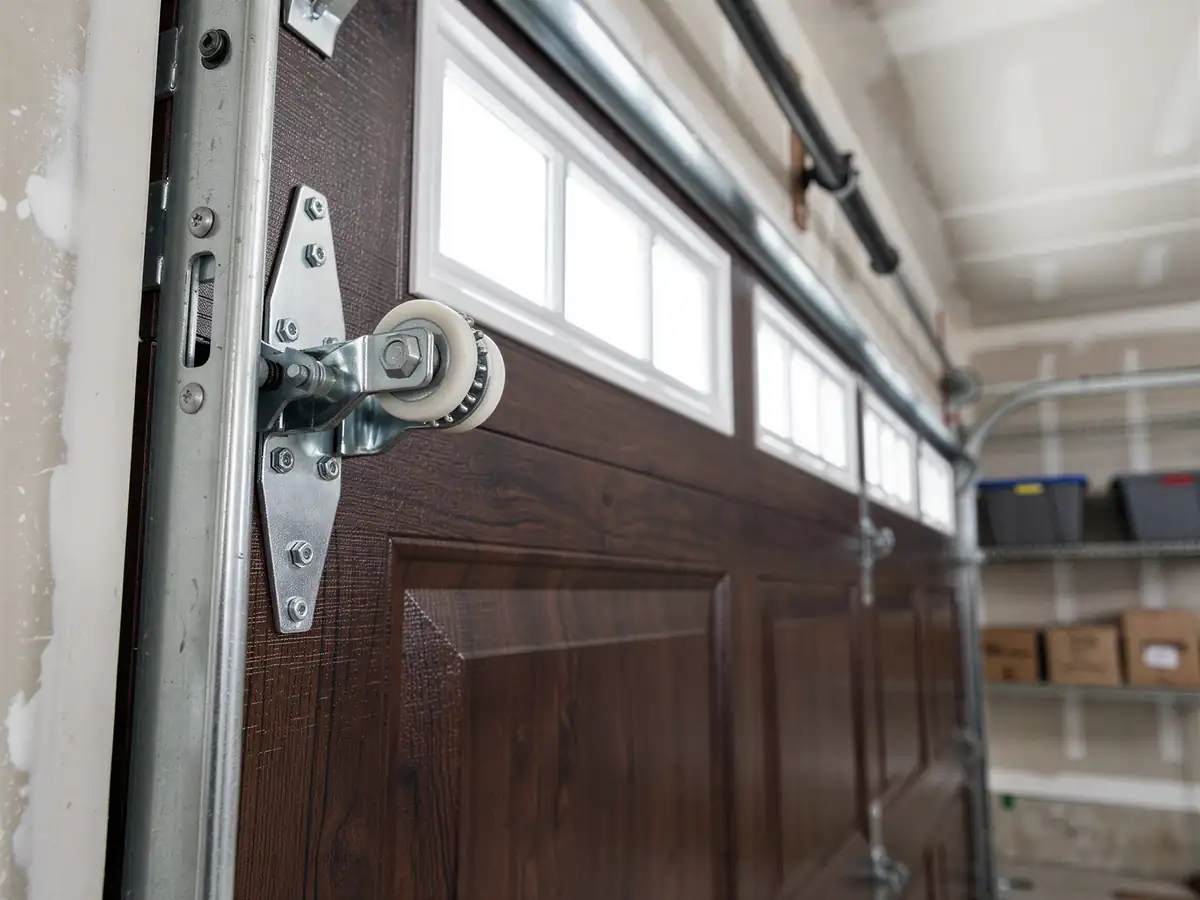
We'll say this plainly: don't wind a torsion spring yourself. The spring is under enough tension to break a wrist or worse if the winding bars slip, and there's no safe shortcut around that, regardless of how simple the hardware looks once it's apart. What you can do yourself is the diagnosis - look for a visible gap in the coil, listen for a bang before the door fails, and note whether the opener strains or runs quiet before it stalls. That saves time on the call. Cables, rollers, and hinges are a different story; those are reasonable for a handy homeowner to inspect, even replace, but the spring itself needs the right bars, the right cone, and someone who's wound a few hundred of them.
Parts We Carry
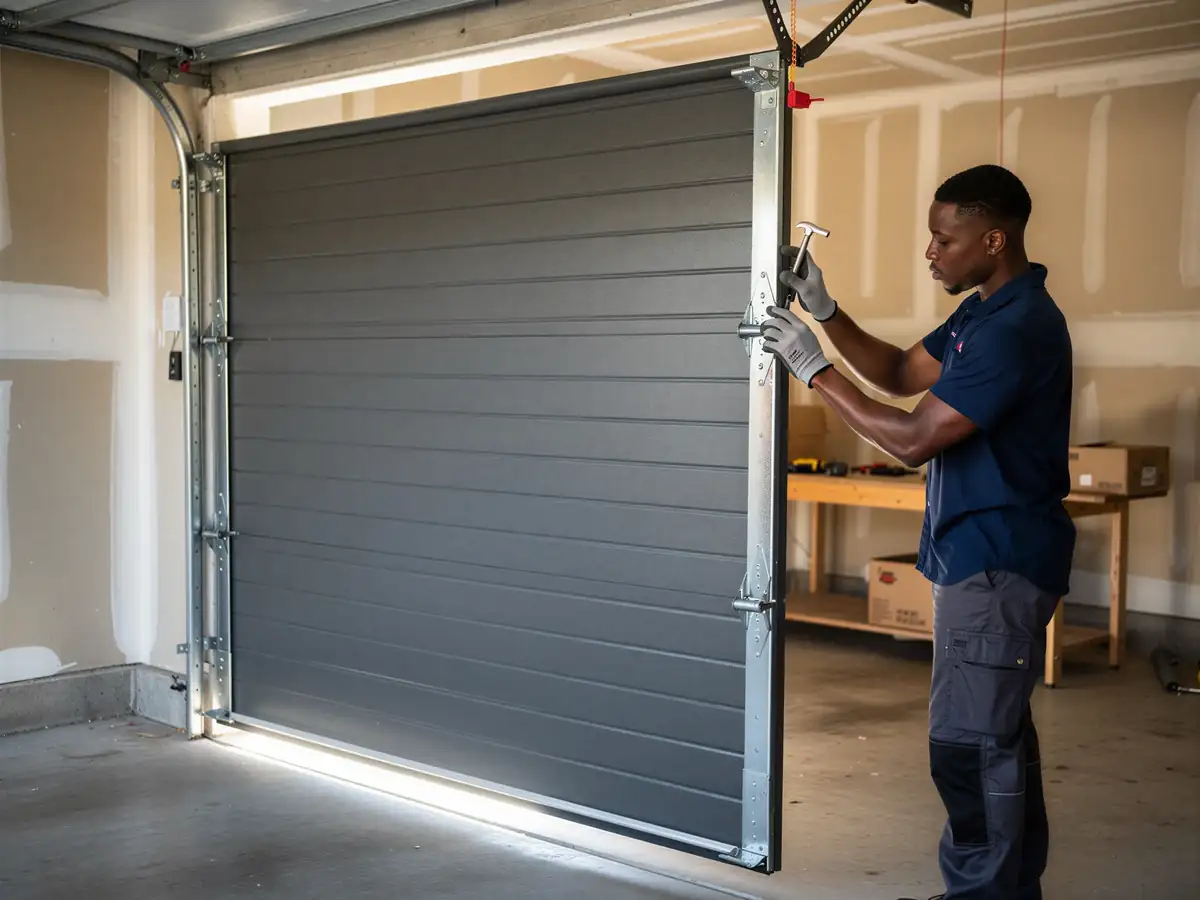
For Skiatook calls we carry standard torsion springs sized to the common wind counts found on 1980s-90s builder-grade doors - single and double, matched pairs when both sides need replacing. We also stock the cables and drums that usually get checked alongside a spring job, since a frayed cable under tension is its own hazard. What we don't keep on the truck is anything custom-wound for a nonstandard door; if a house has had an unusual retrofit, that spring gets ordered and the job gets scheduled around lead time rather than done same-visit. We'd rather tell you that up front than guess at a spring that's wrong for the door.