Why This Fails Locally
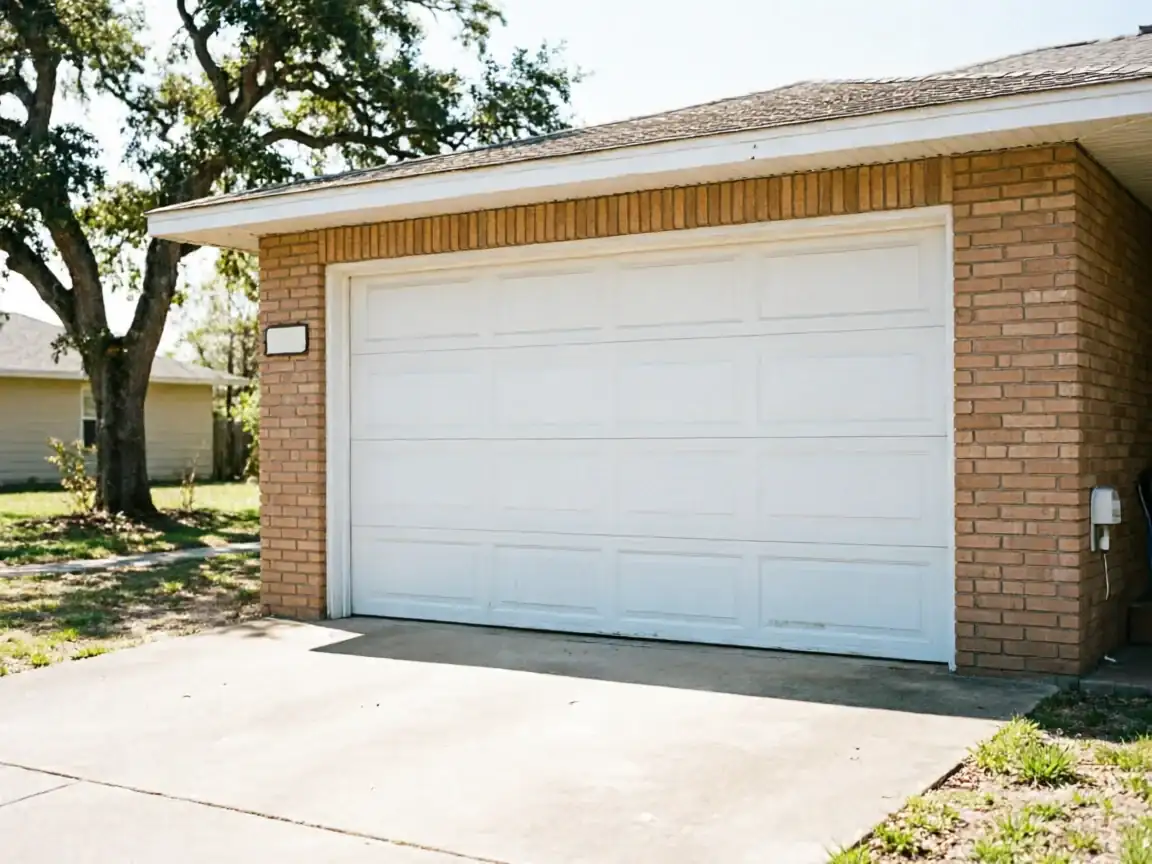
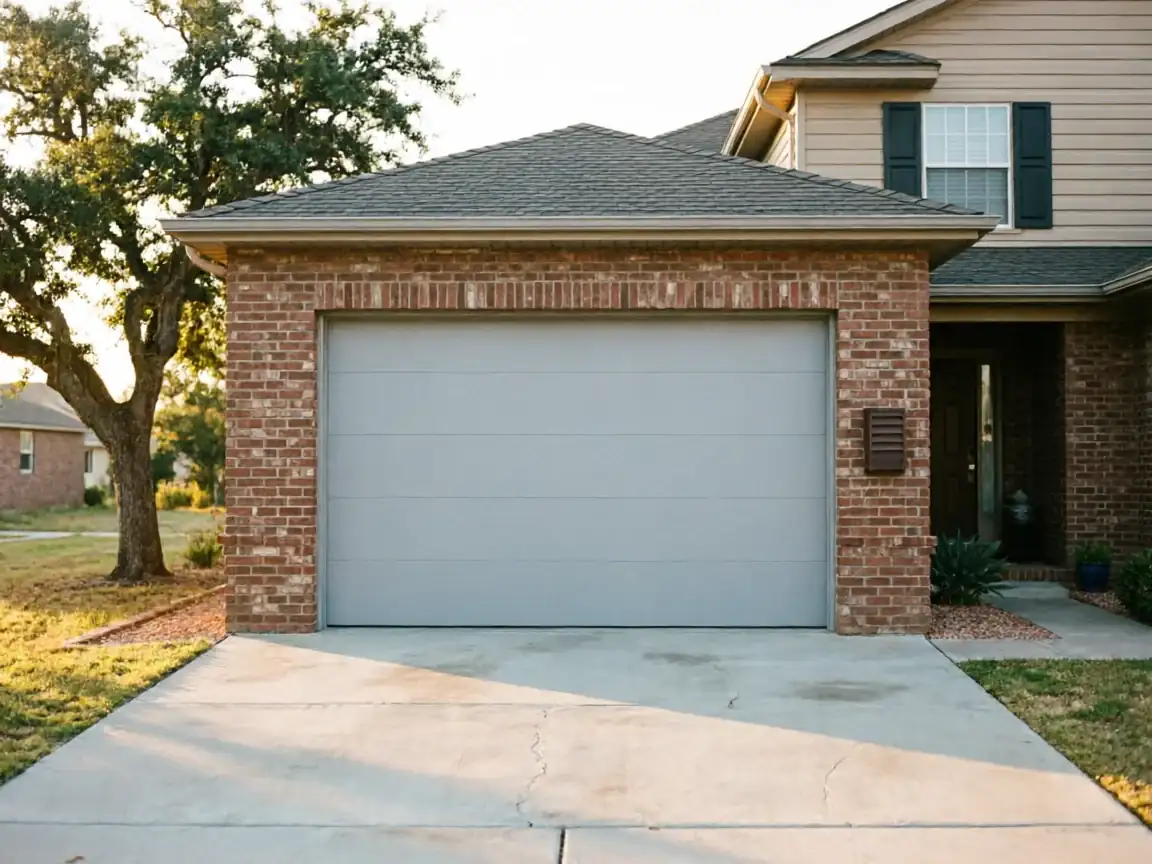
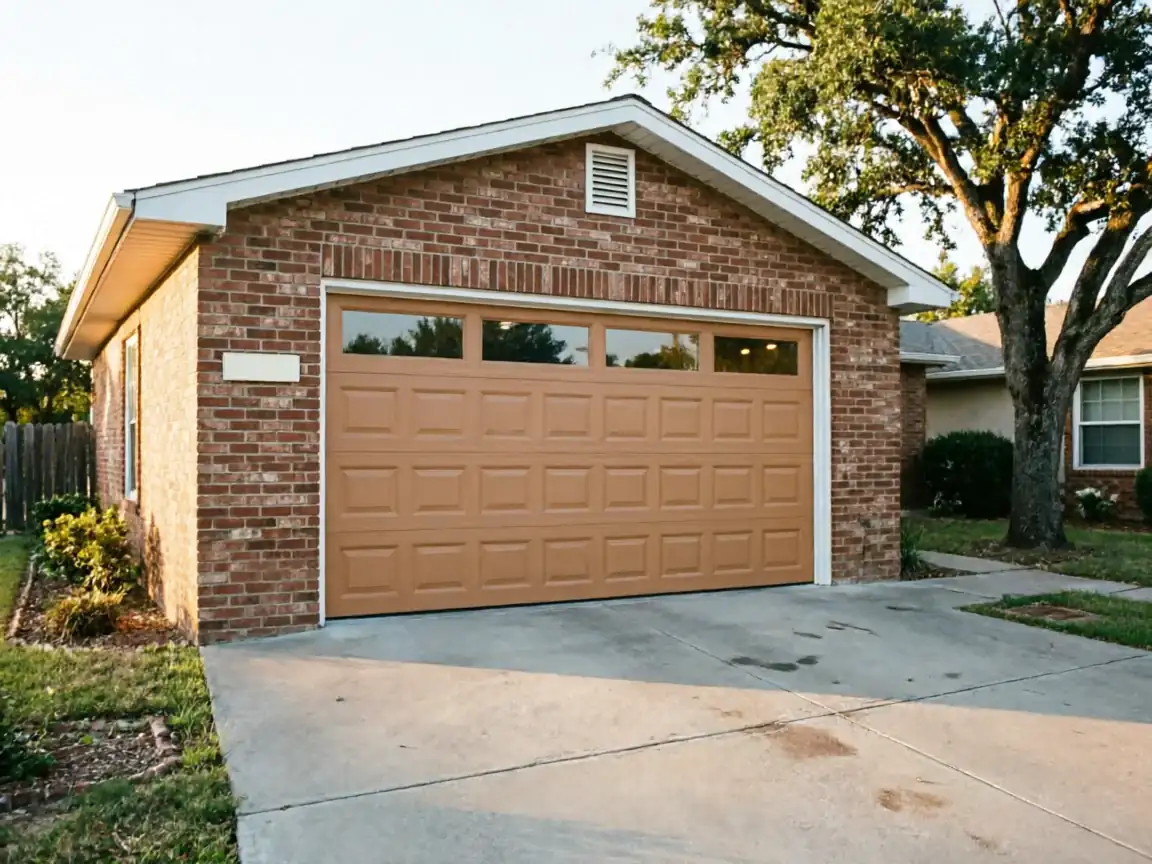
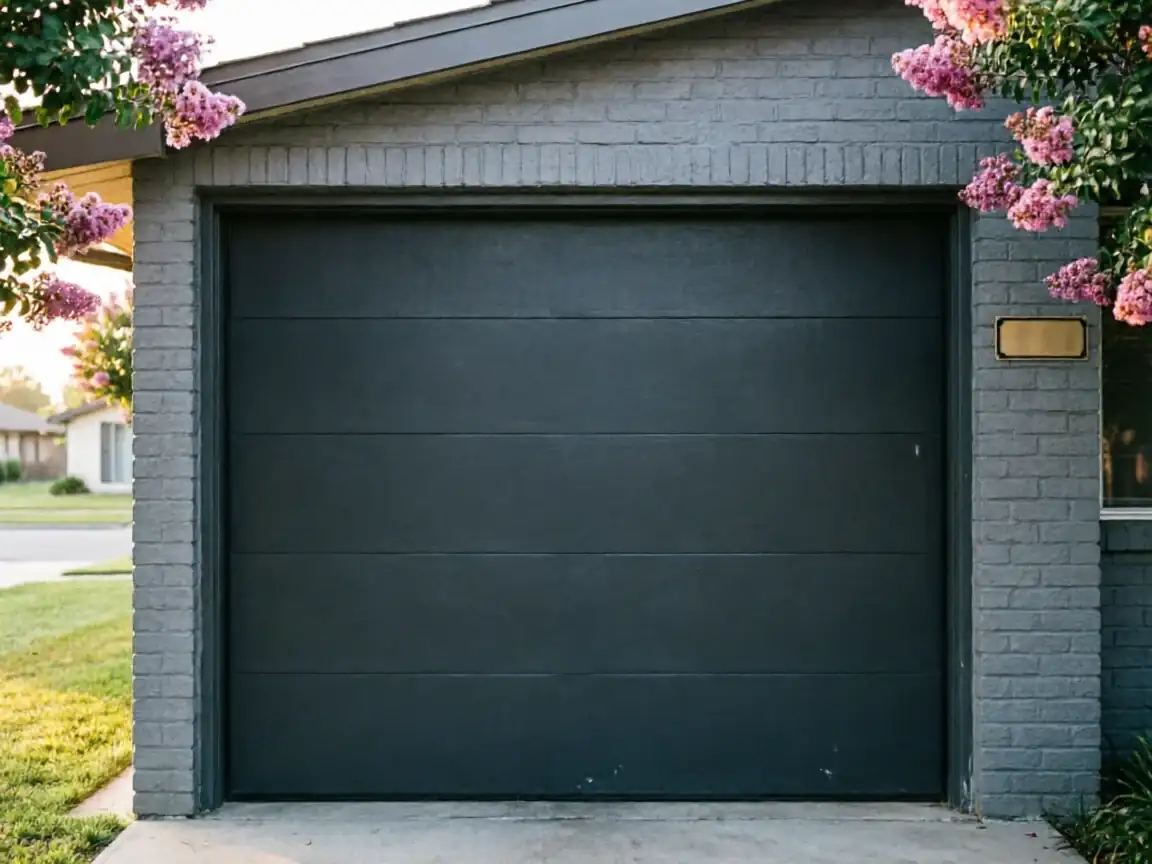
The reason this shows up so often in Owasso specifically comes down to age and climate together. A door installed when a house was built in 1986 - the median year for this area - has been through close to four decades of cold-season temperature swings. We're in a moderate cold climate band here, which means the steel and the weatherstripping both go through regular freeze-thaw cycling every winter. That cycling is what causes panel seams to separate and bottom seals to crack, faster than it would in a warmer region. Add in that a lot of the original doors from that construction window were single-layer steel with minimal insulation, and you've got a door that was never built to hold up against an Oklahoma winter for this long in the first place. With 16,948 owner-occupied houses across the service area, a large share of them sitting in that same 1965-2005 build window, this isn't a rare problem - it's the expected lifespan of a door meeting a climate it wasn't specified for.
What the Fix Involves
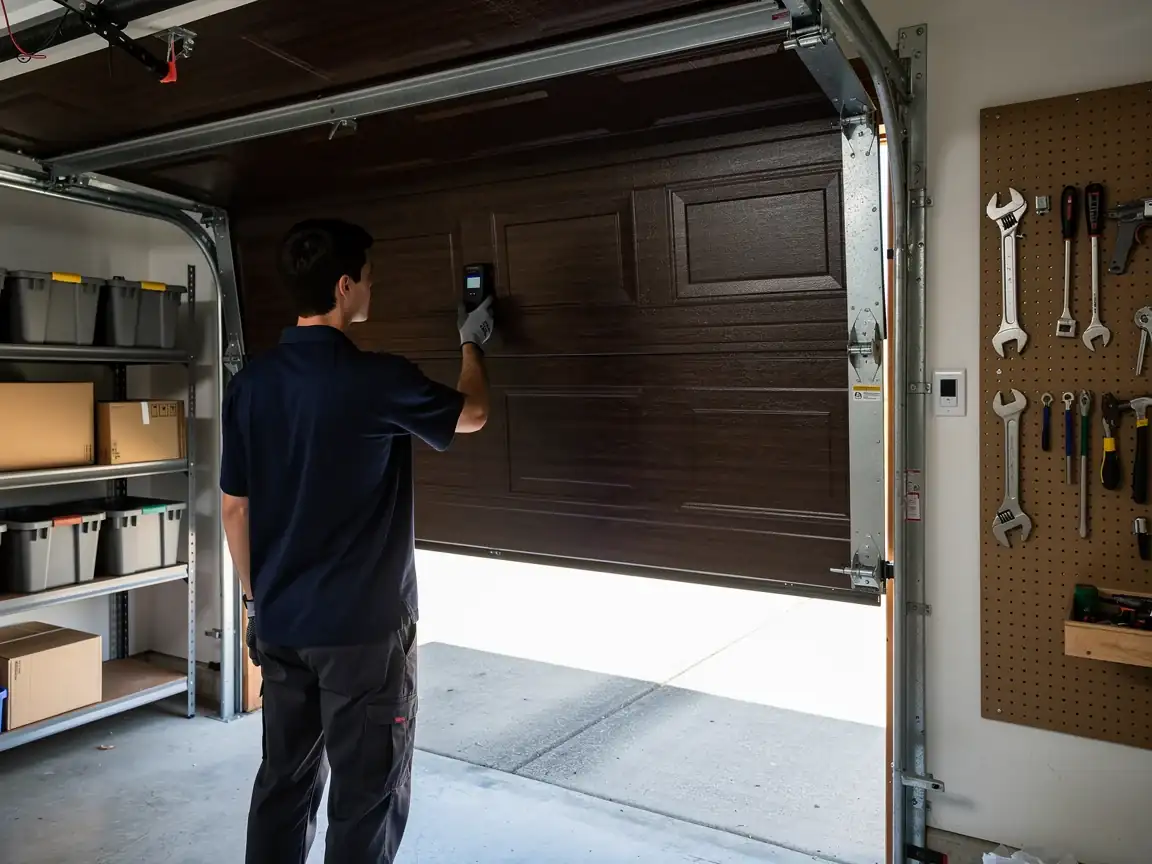
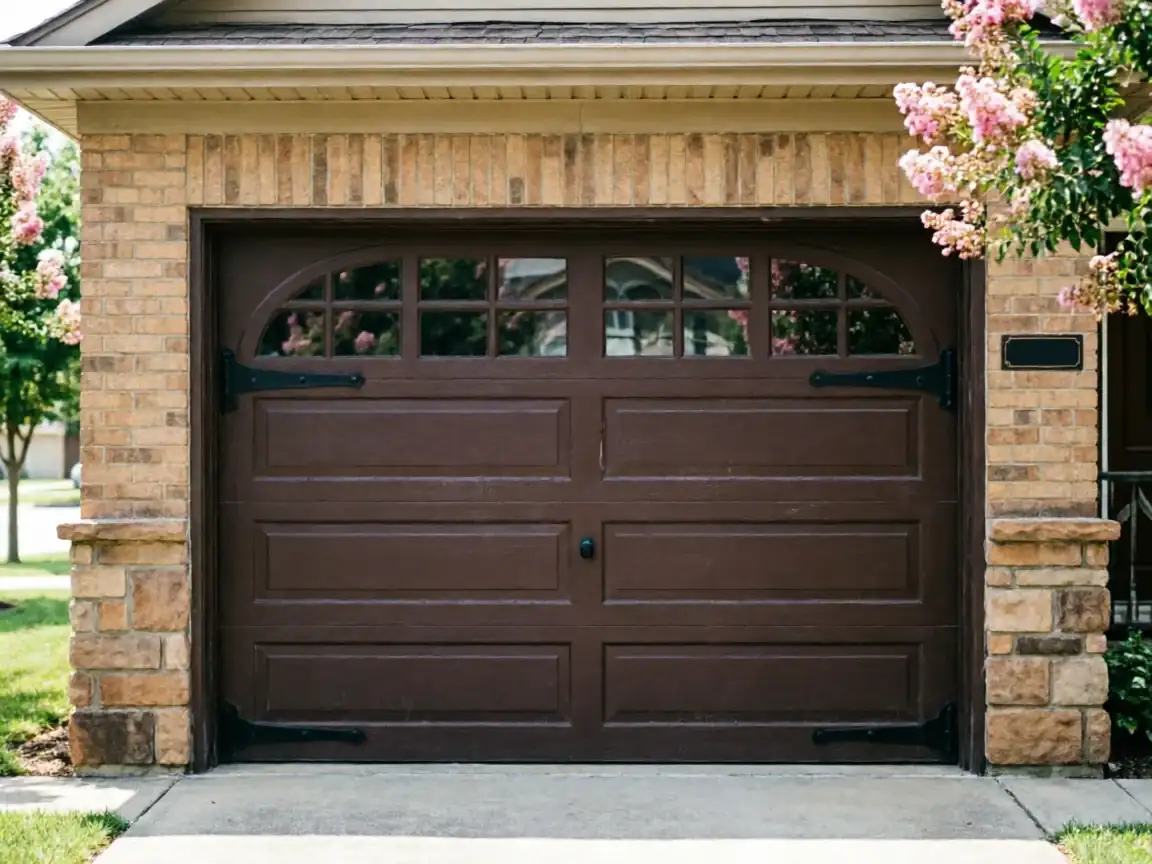
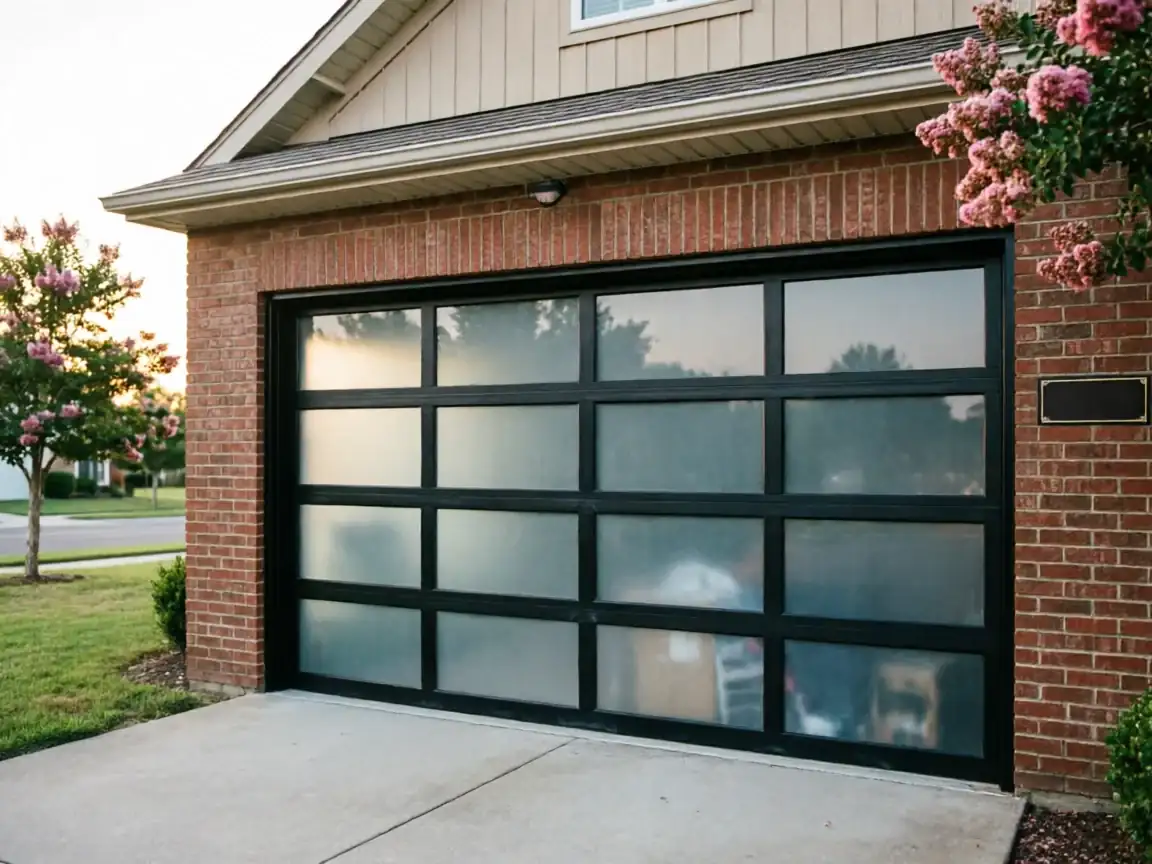
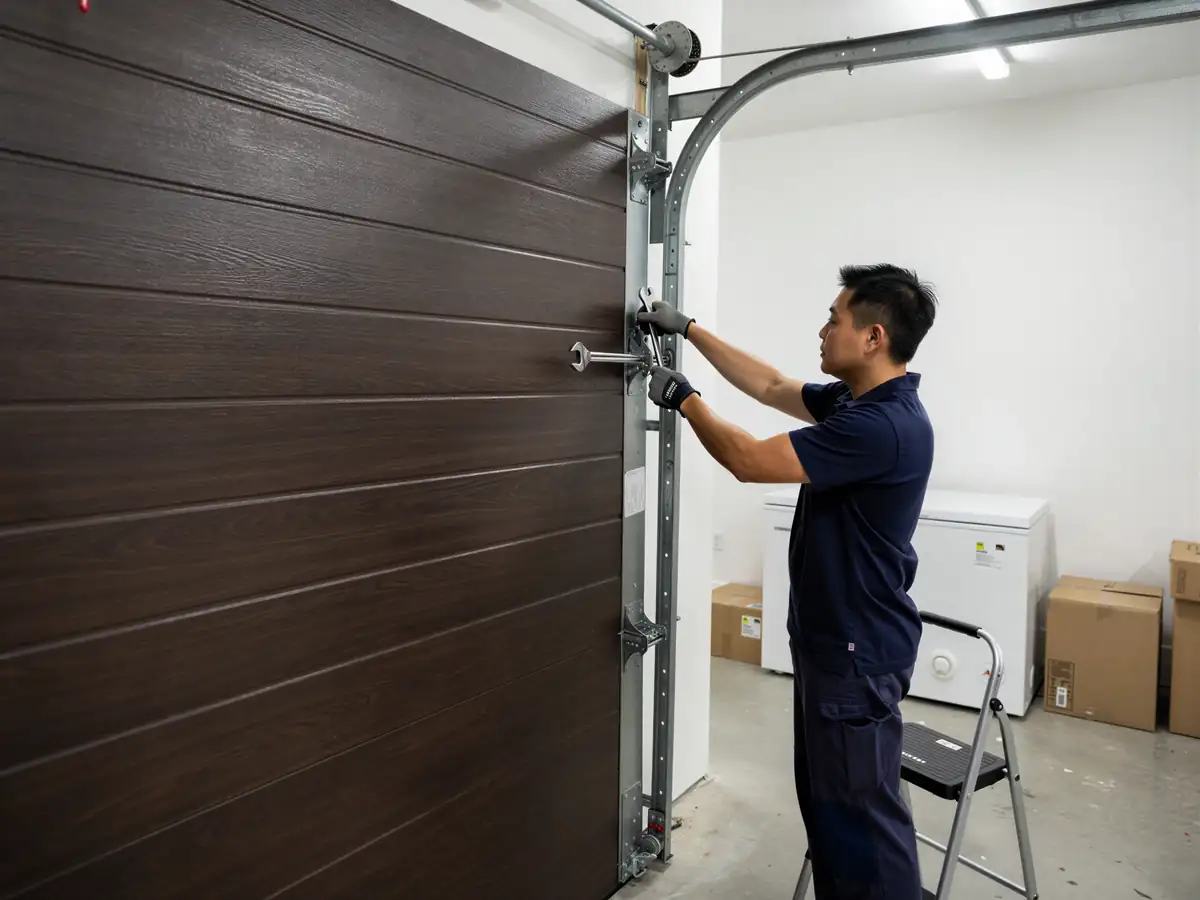
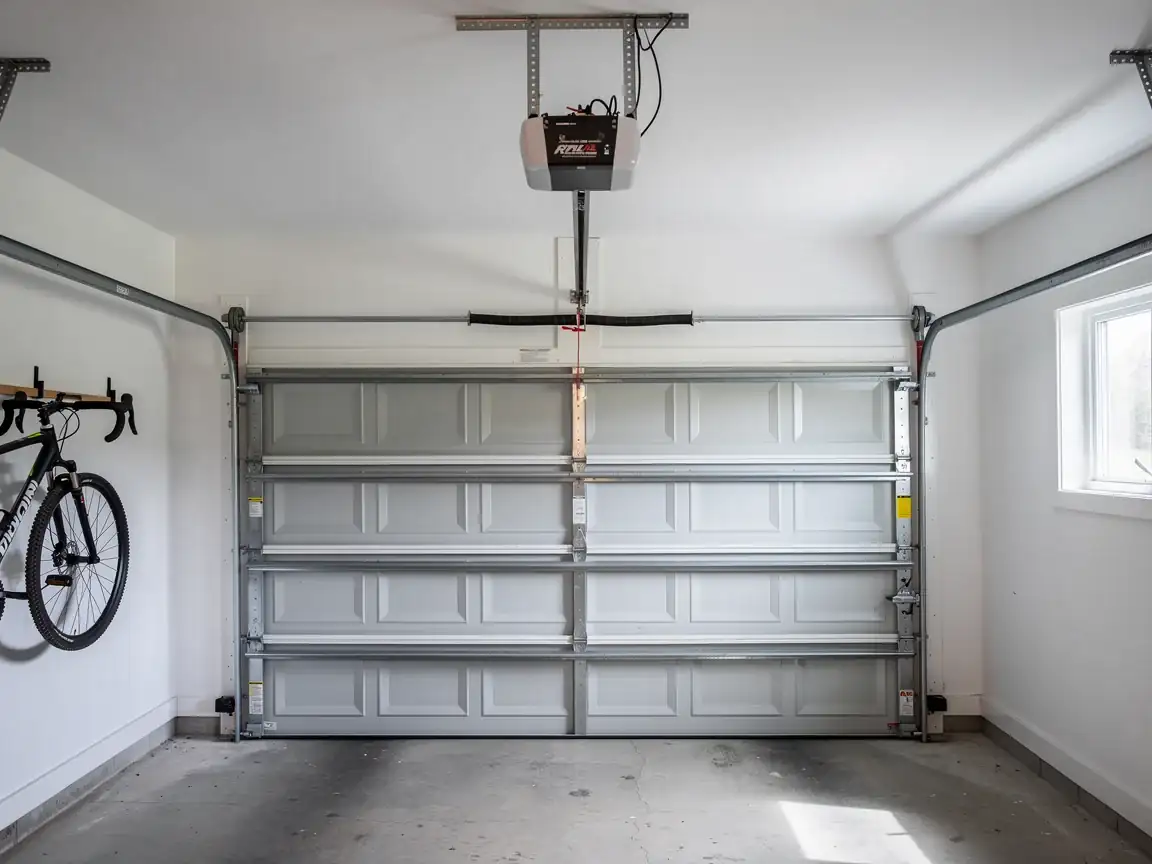
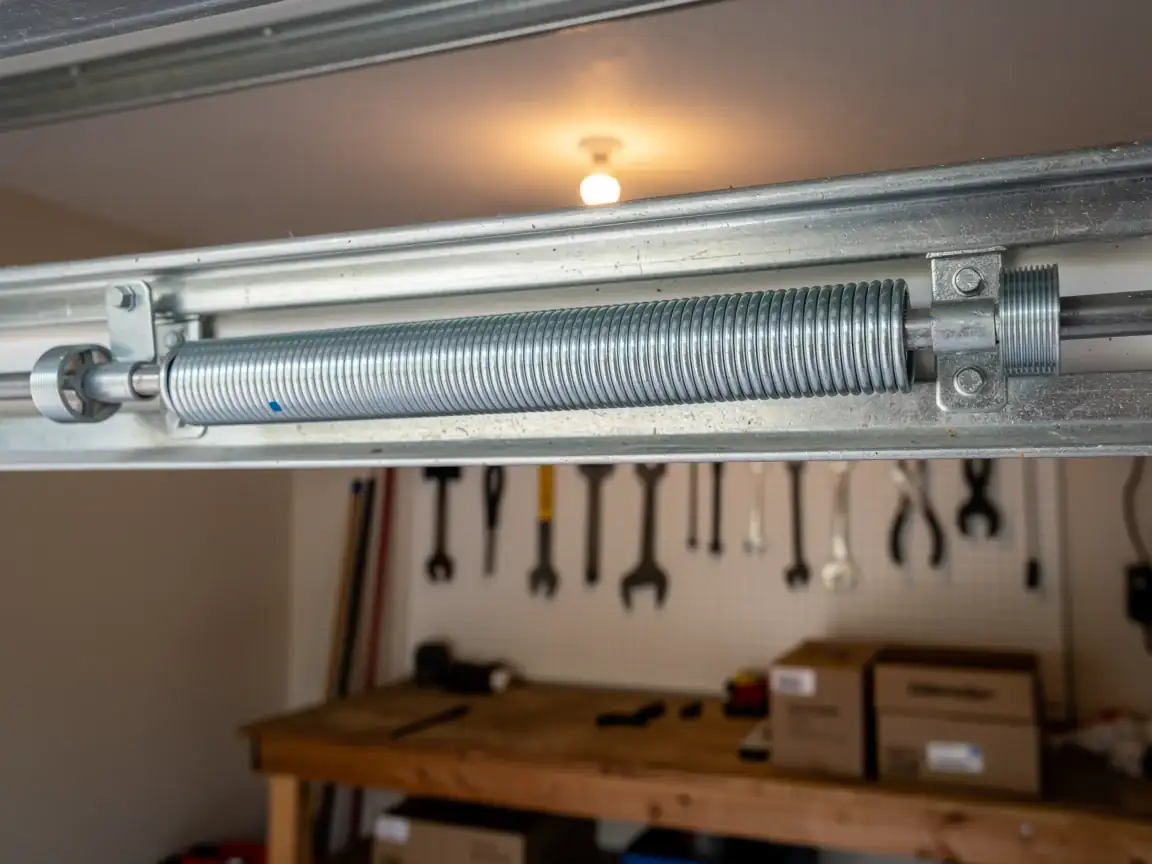
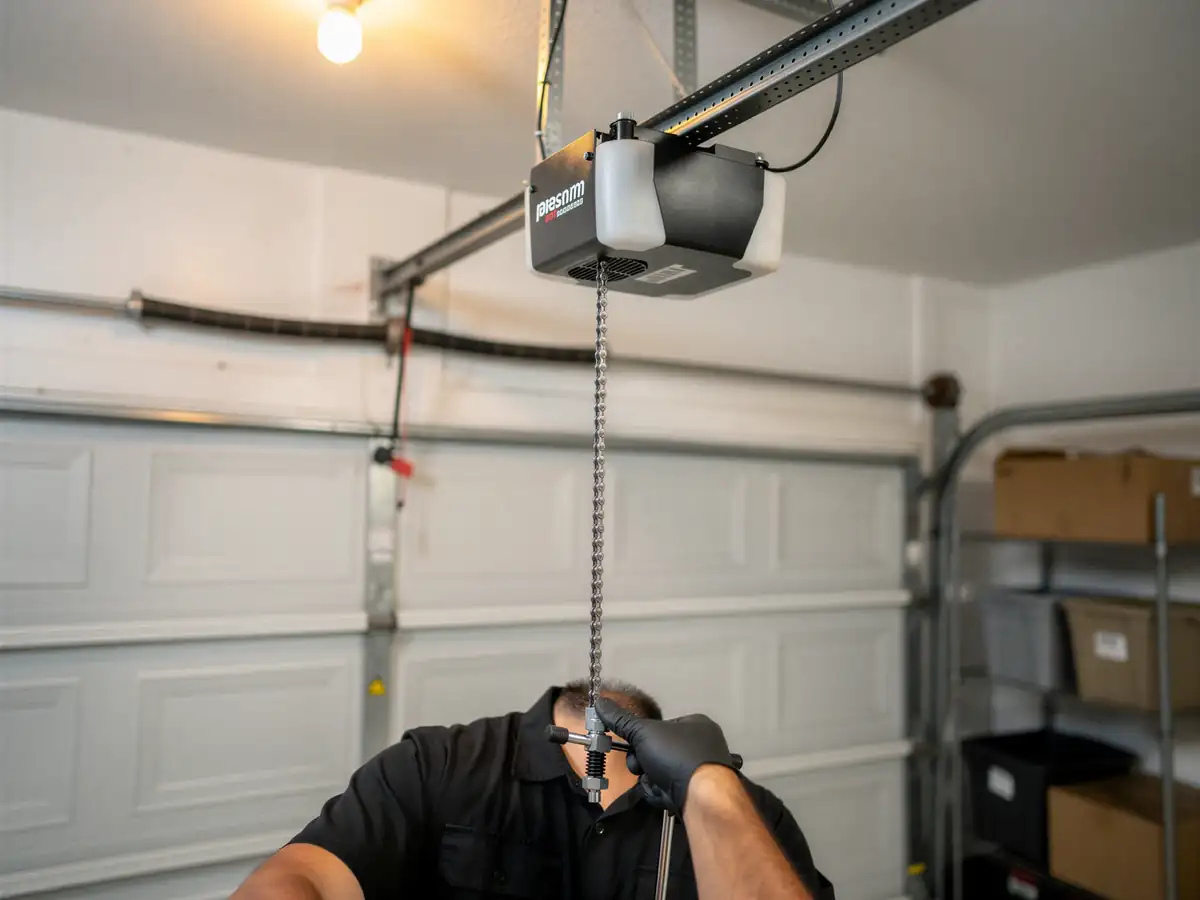
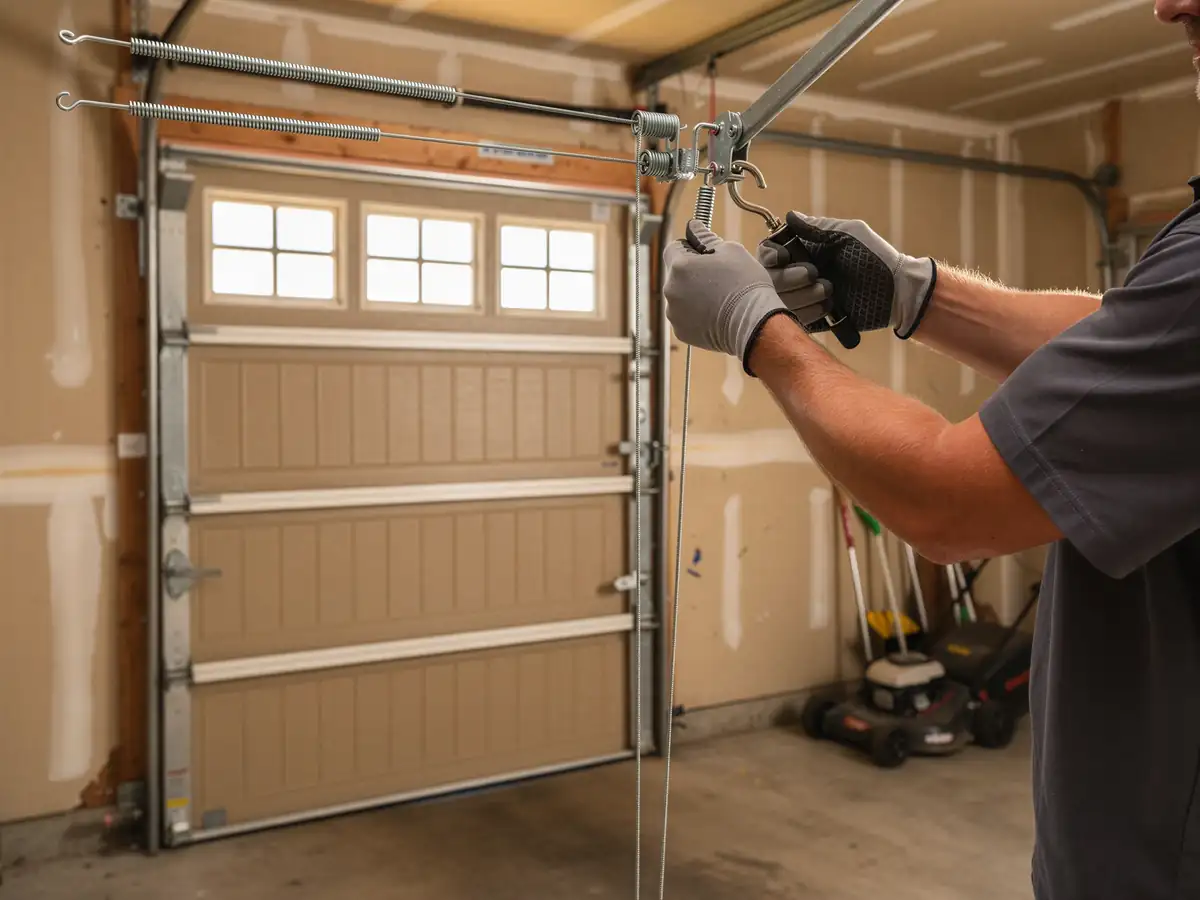
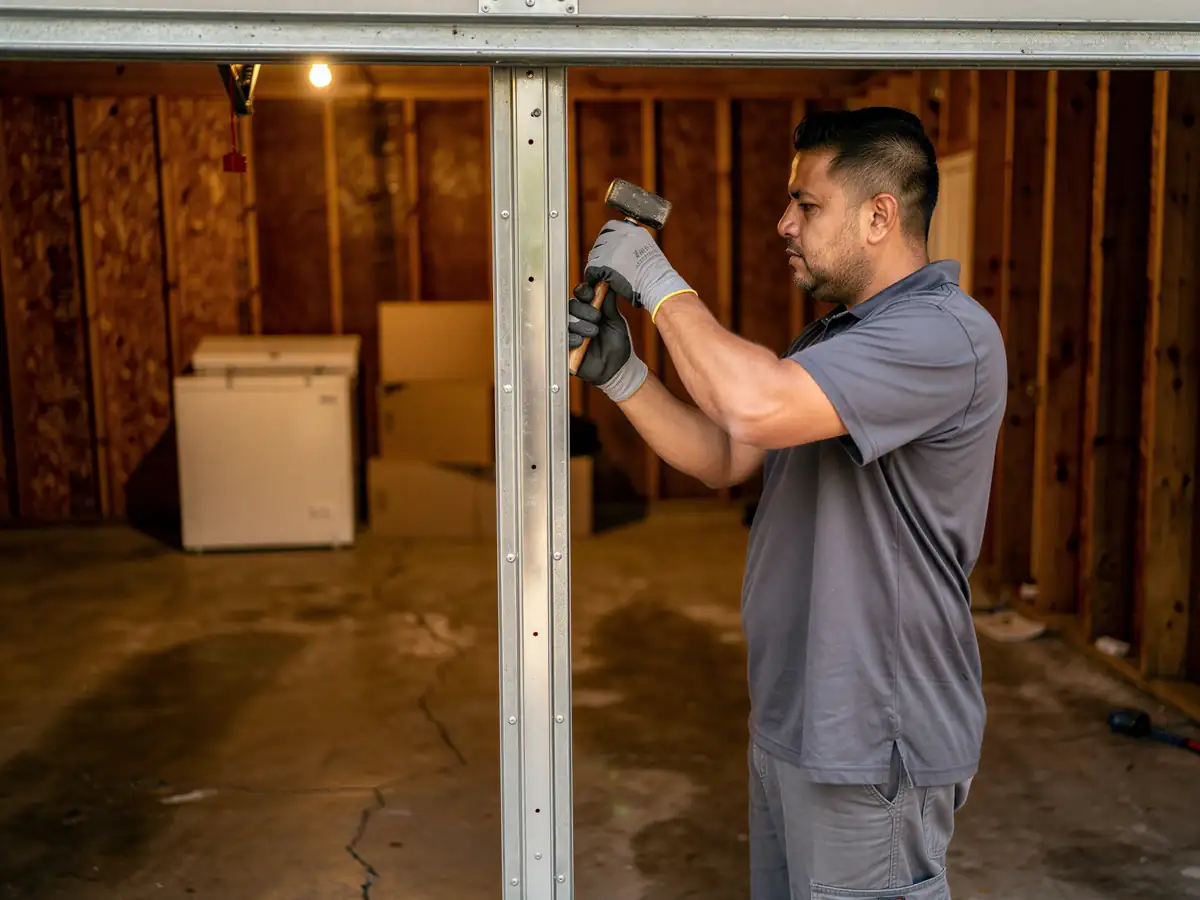
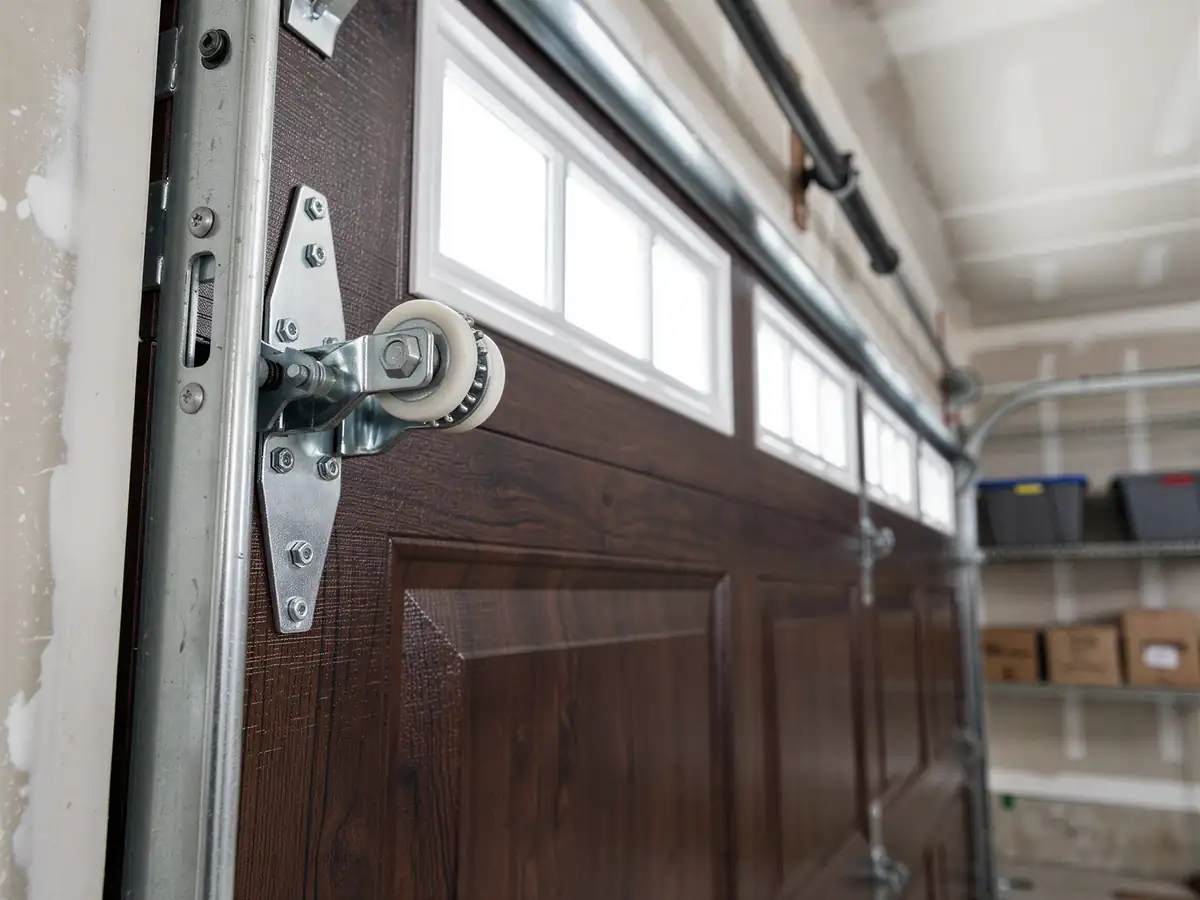
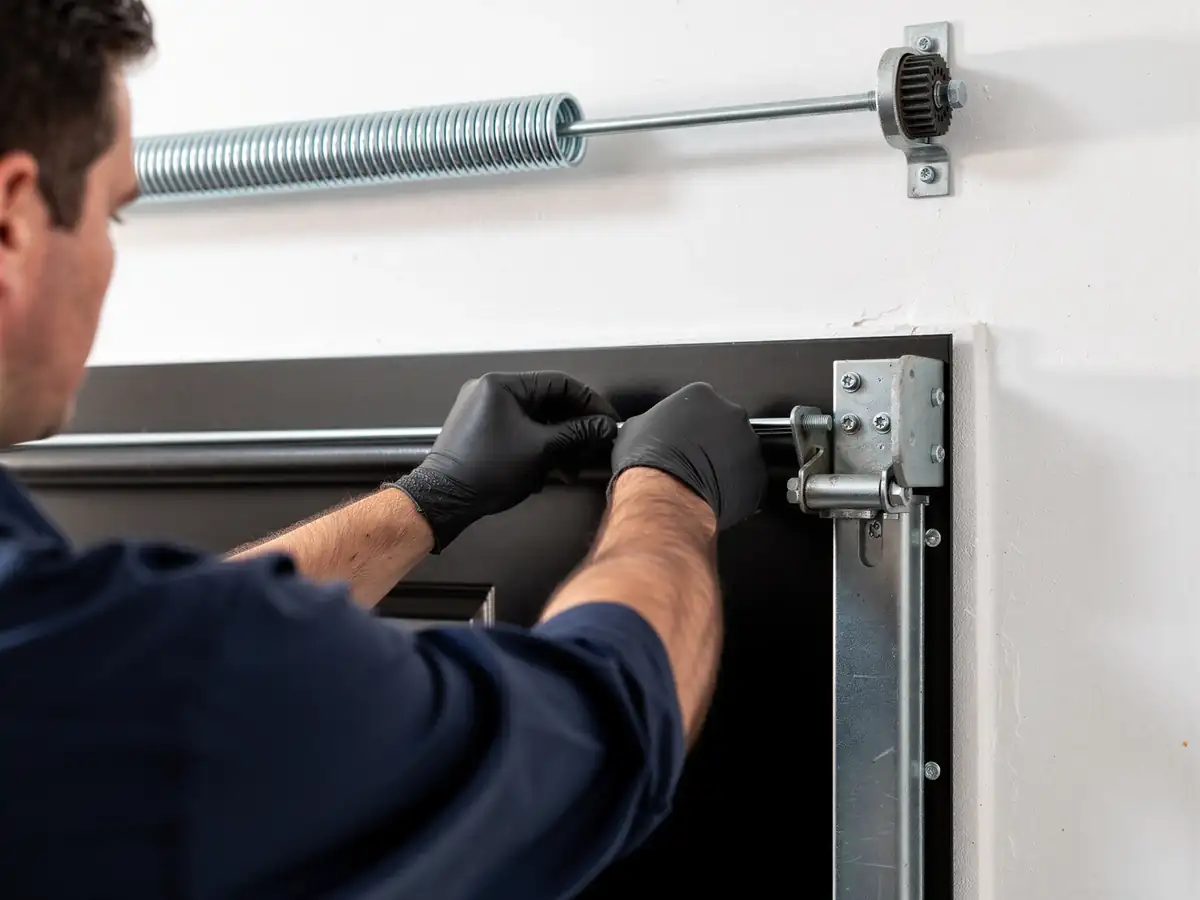
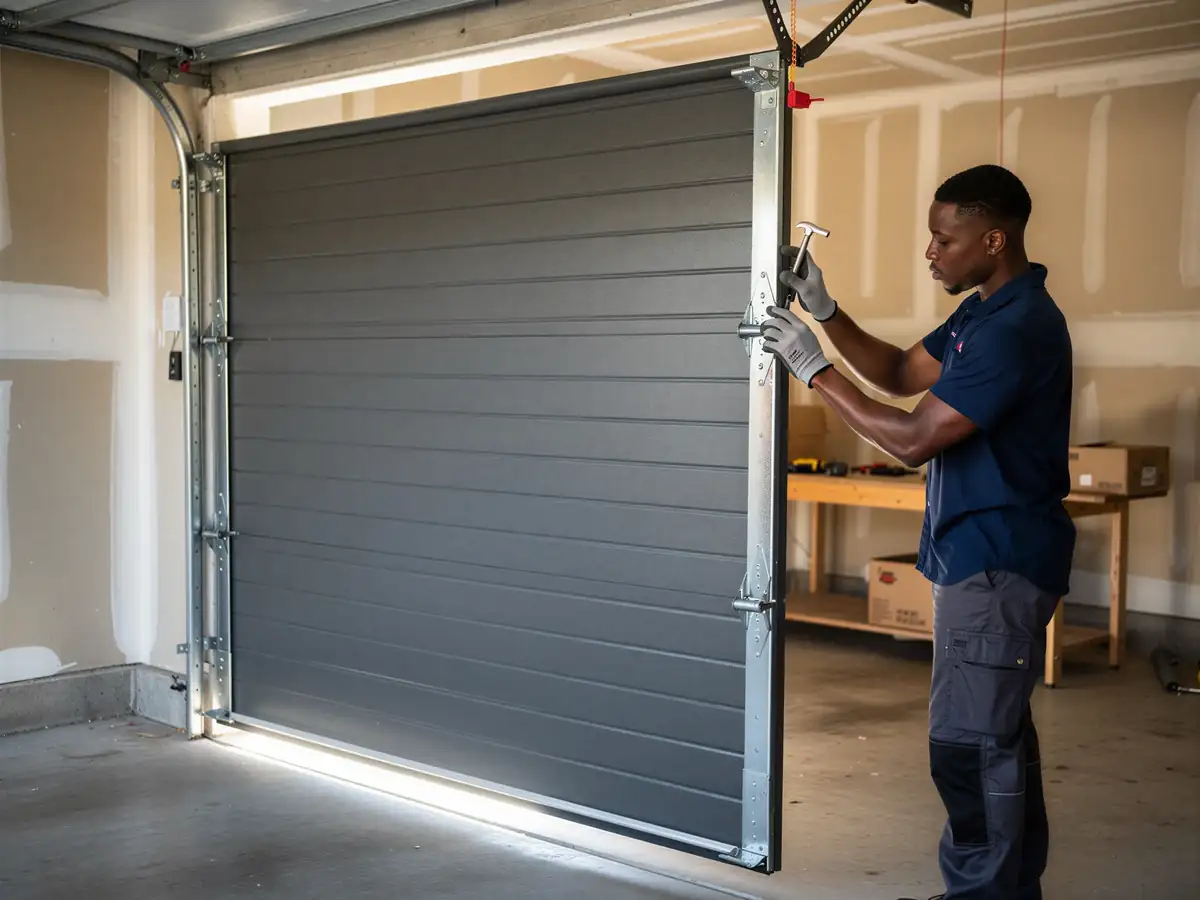
A proper installation starts with the opening, not the door. We check the framing for square and measure for any settling that's happened since the house was built - common in homes from this era - because an insulated door only performs right if it's hung plumb and sealed tight to the jamb. From there it's a matter of matching panel height and width to the actual opening, setting new track and rollers rather than reusing worn hardware, and installing weatherstripping rated for our winters rather than the thin seal that likely came standard originally. One honest limitation: if the opening itself is badly out of square from foundation movement, a standard install won't fix that on its own, and we'll tell you before the job starts rather than after. We don't frame or pour concrete - that part of the fix, if it's needed, is outside what we do.