What Is Going On
Most houses across this service area went up between 1965 and 2005
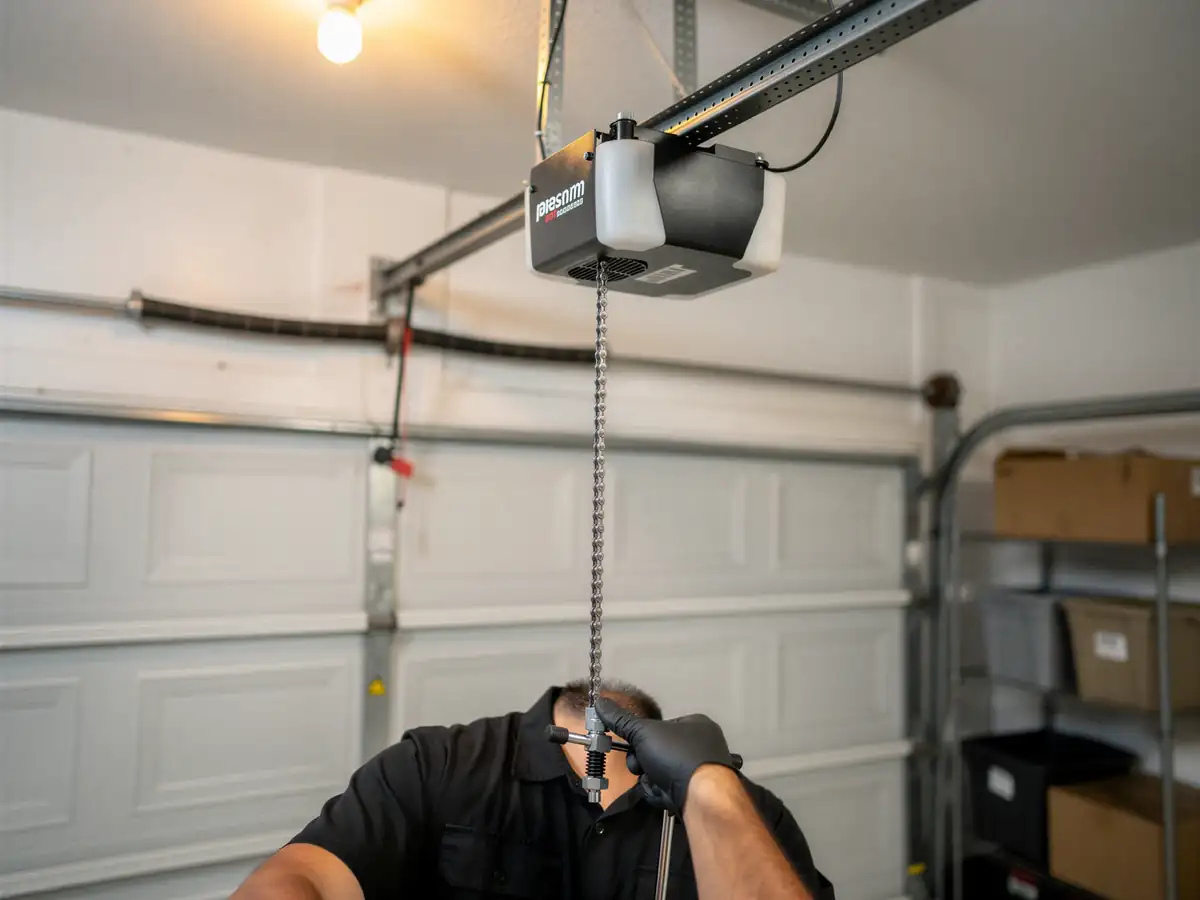
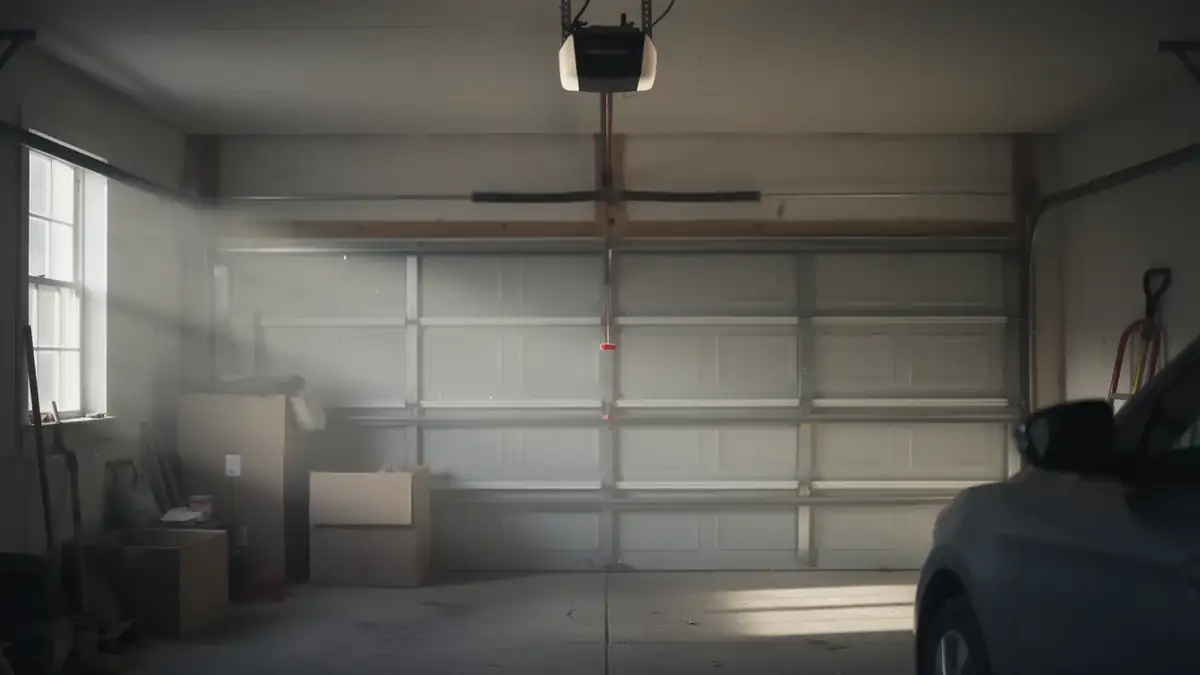
With the median landing around 1986. That means a huge share of Owasso garages still have their original chain-drive opener, or a replacement from the 90s that was never swapped out again. Openers from that era don't have battery backup built in, and most were never paired with rolling-code safety sensors that meet current standards.
Here's the practical problem: when the power cuts, those openers just stop
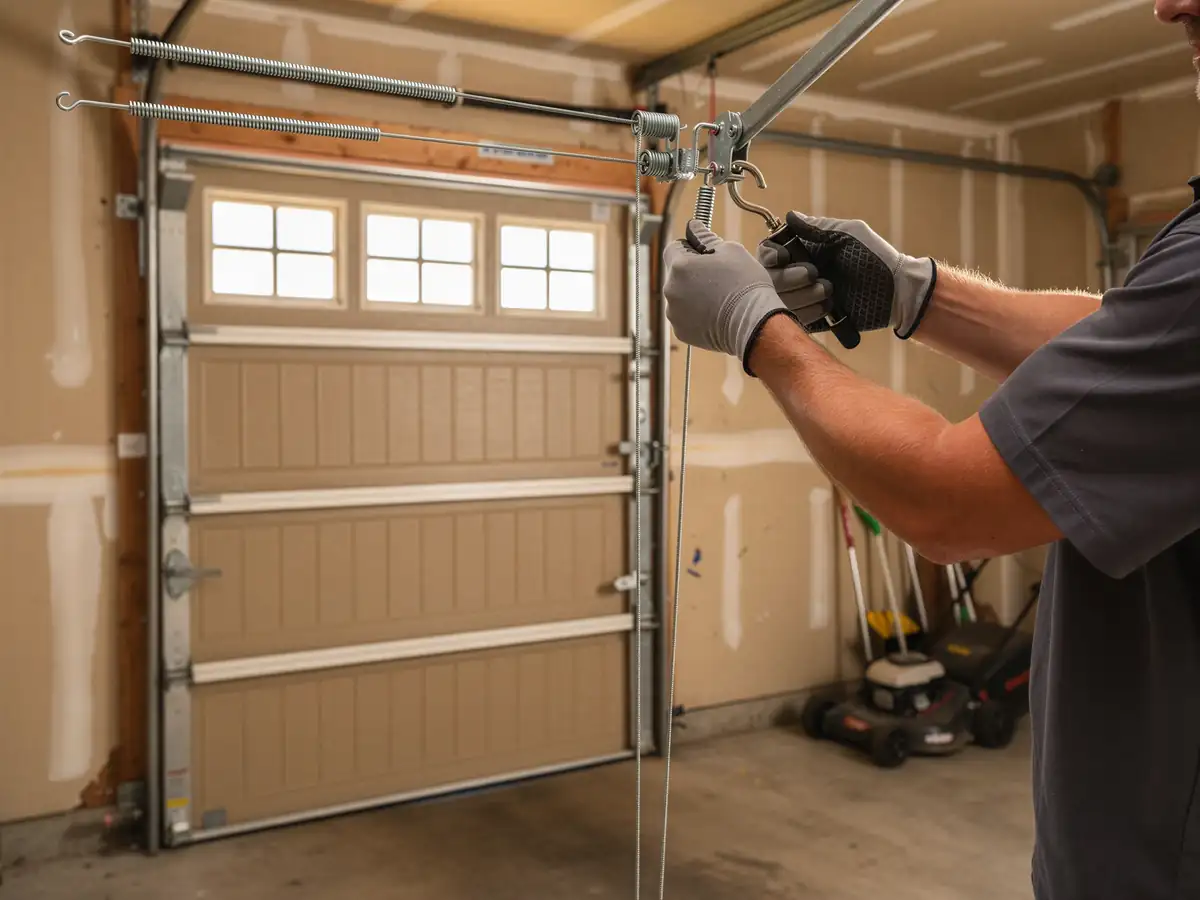
No backup kicks in. You're stuck pulling the manual release cord and lifting the door by hand, which is fine if the springs are in good shape and awful if they're not. With 16,948 owner-occupied houses across the 14 communities we work in, a big chunk of those garages are running openers old enough to have no backup power at all, paired with springs that have seen thirty-plus years of cycles.
- 16,948 owner-occupied
- 14 communities
We're not saying every opener from the 80s or 90s is a ticking clock
Plenty still run fine. But if yours predates battery backup as a standard feature, a power cut doesn't just mean no garage door - it means your only way in or out of that bay is manual, and that's worth knowing before the day it happens.
When to Call Someone
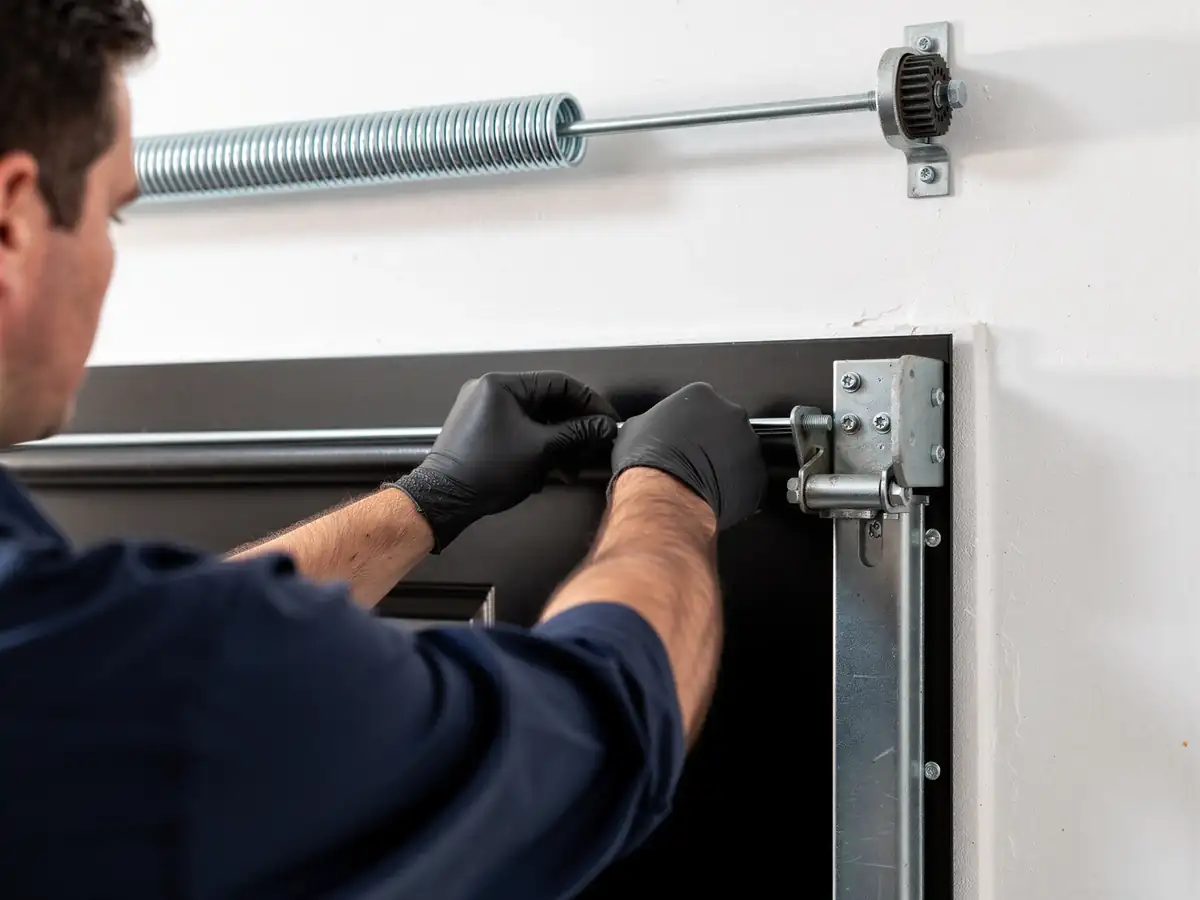
Call if the opener runs but the door doesn't move, or moves and reverses partway - that's almost always a spring or cable issue hiding behind an opener symptom, and pushing the opener motor to fight a bad spring burns it out faster. Call if your opener has no battery backup and you've had more than one unplanned outage this year; that's a parts conversation, not a troubleshooting one.
Don't call us for a dead remote battery or a misaligned safety sensor eye - check those yourself first, they're a five-minute fix and we'd rather you save the trip charge. Do call if the manual release cord is your only way to open the door right now, because that's a stopgap, not a plan, especially with older torsion springs that were never rated for the cycle count they've already logged.
One honest limit: if your opener is old enough that the manufacturer no longer makes the circuit board, we're not going to chase down a part that doesn't exist. At that point replacement is the real answer, and we'll tell you that straight instead of billing you for a diagnostic we already know the ending to.
How Local Conditions Play In
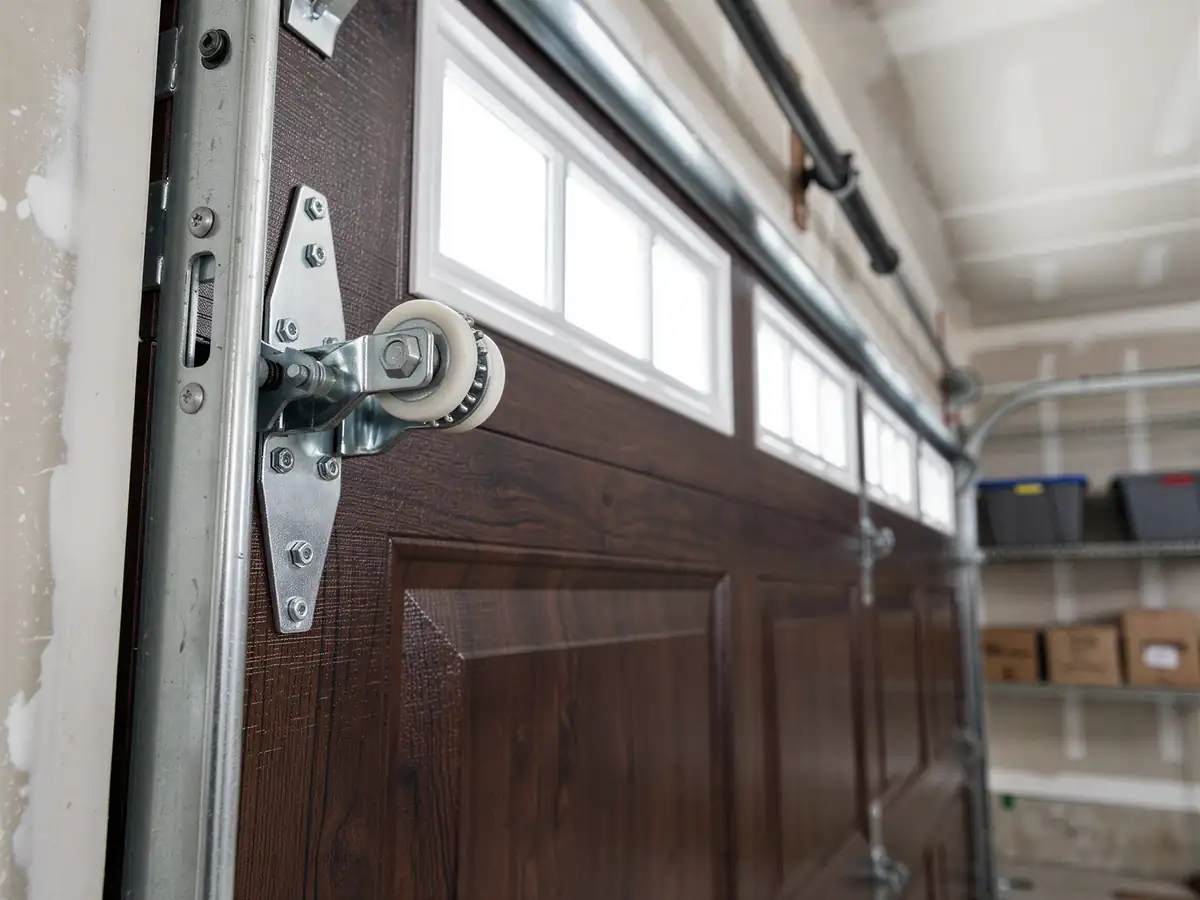
This area sits in a cold-moderate climate band, which means winters bring real cold snaps mixed with mild stretches, not the deep-freeze extremes of the northern plains, but enough to matter. Cold tightens steel. Springs lose a little tension, nylon rollers get stiff, and openers already working with worn gears have to pull harder right when the grid is most likely to flicker from winter storm load.
That combination - 1986-median housing stock plus a climate that swings cold enough to stress hardware - is exactly why power cuts and opener failures tend to show up together here rather than as separate problems. A door that's been fine all October can bind up the first hard cold morning in January, and if that's also the morning the power blinks, you're stuck with a stiff door and no motor to fight through it.
The Seasonal Bit
Fall is the window to deal with this, before the cold sets in
If your opener dates back to the original build era for your house, or close to it, that's the time to ask whether it has battery backup and whether the springs have been checked in the last few years - not after the first outage of the season catches you with one hand on a manual release cord in the dark.
We can't promise every part for a decades-old opener is still available
Some boards and gear kits for older residential units have been discontinued, and when that happens, we'll say so rather than stall you with a part that isn't coming.