What the Fix Involves
Most of what we get called out for in Skiatook comes down to hardware that's simply aged out
The median home here was built in 1986, and a lot of the stock around it went up through the late 1990s. That means original torsion springs, steel panels, and the first-generation chain-drive openers that came with those builds are now 30 to 40 years into a job most of them were only rated for 10 to 15 years of hard use.
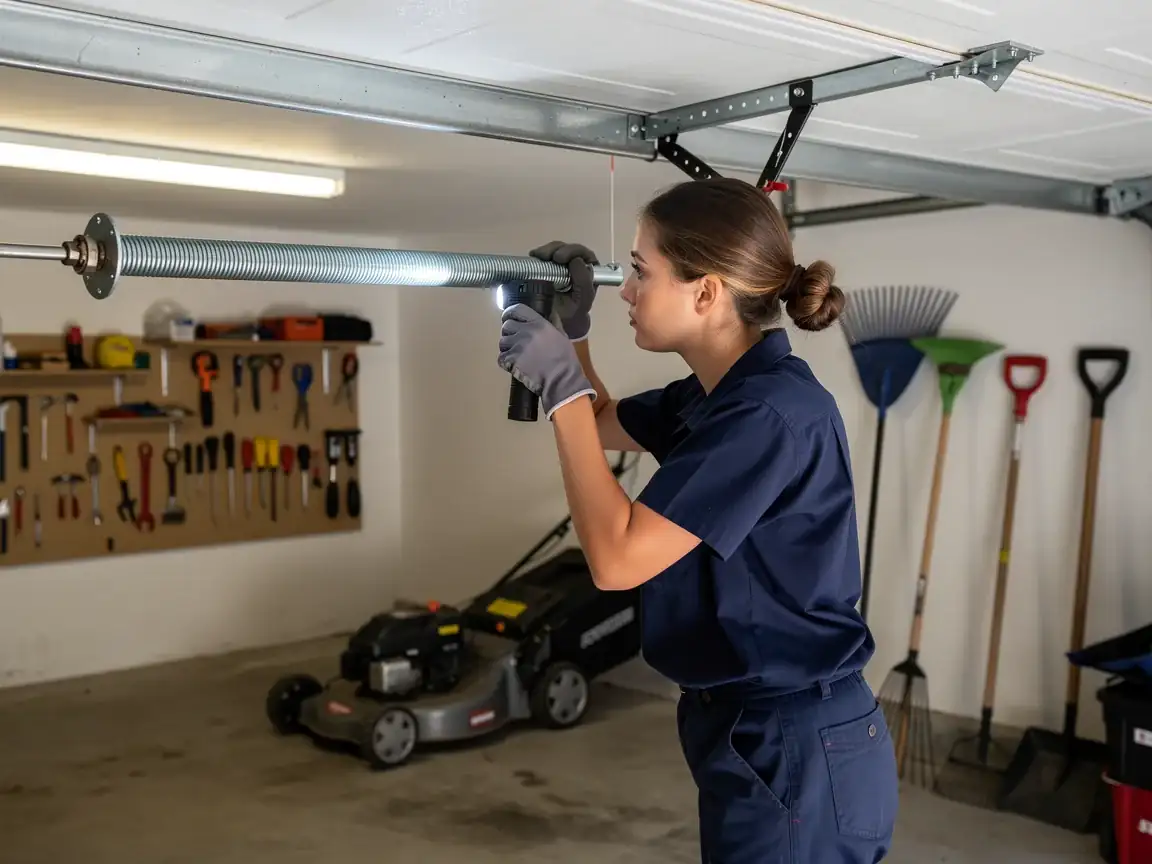
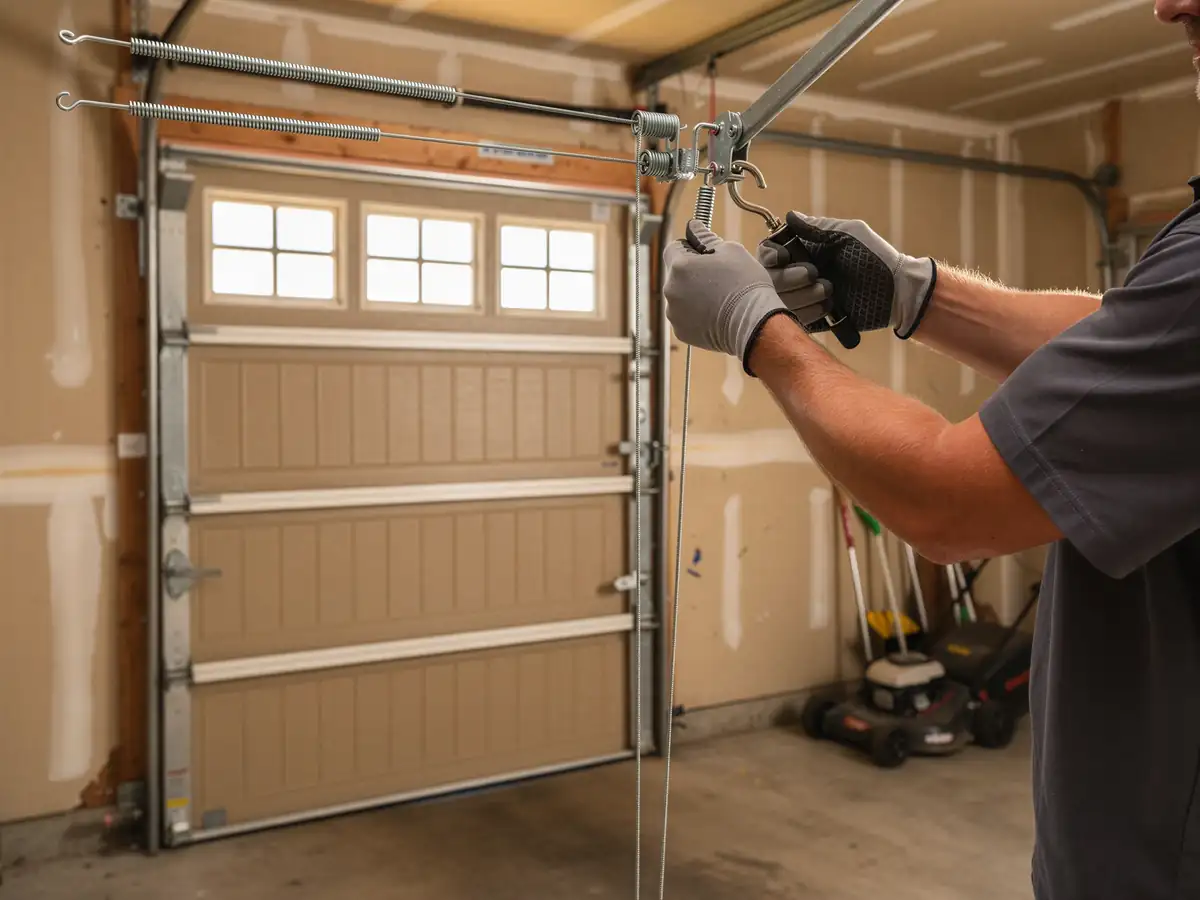
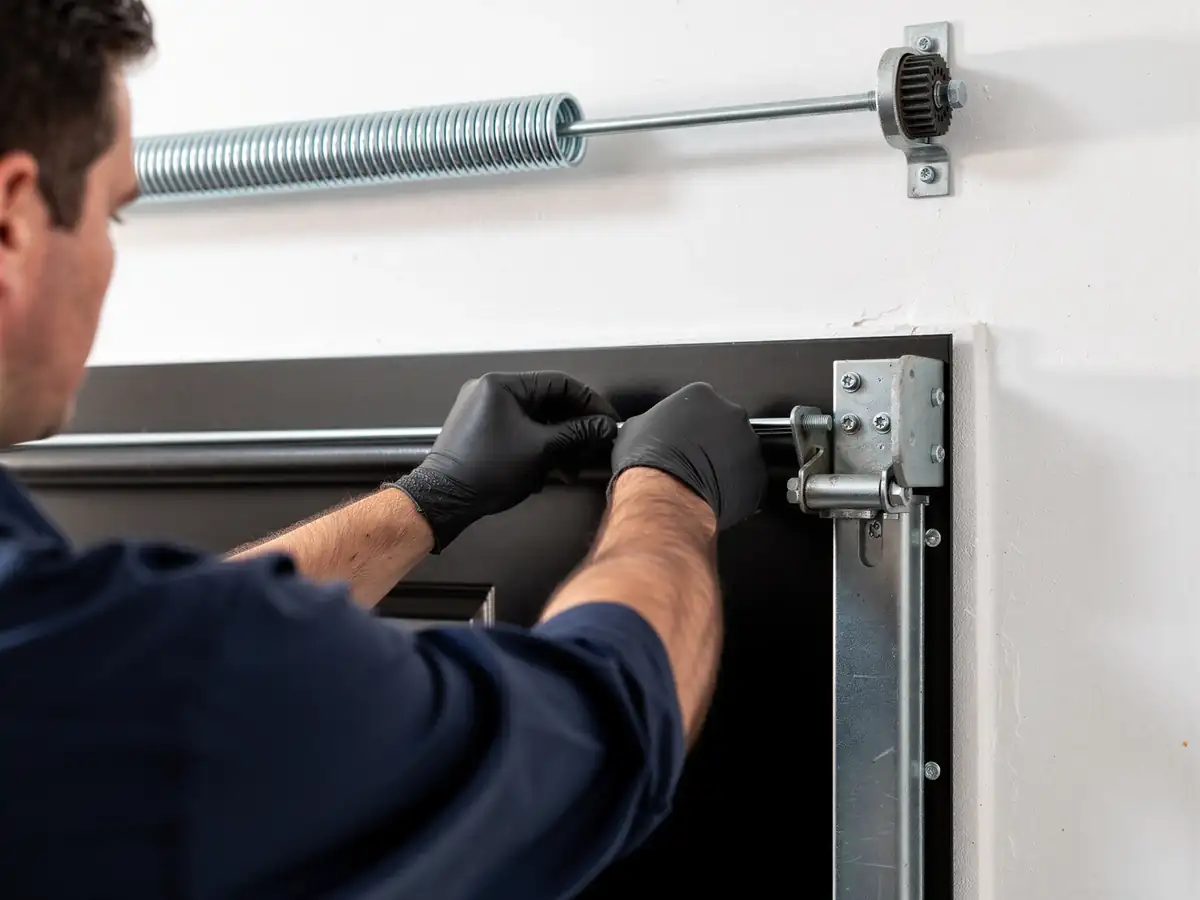
The fix usually starts with the spring
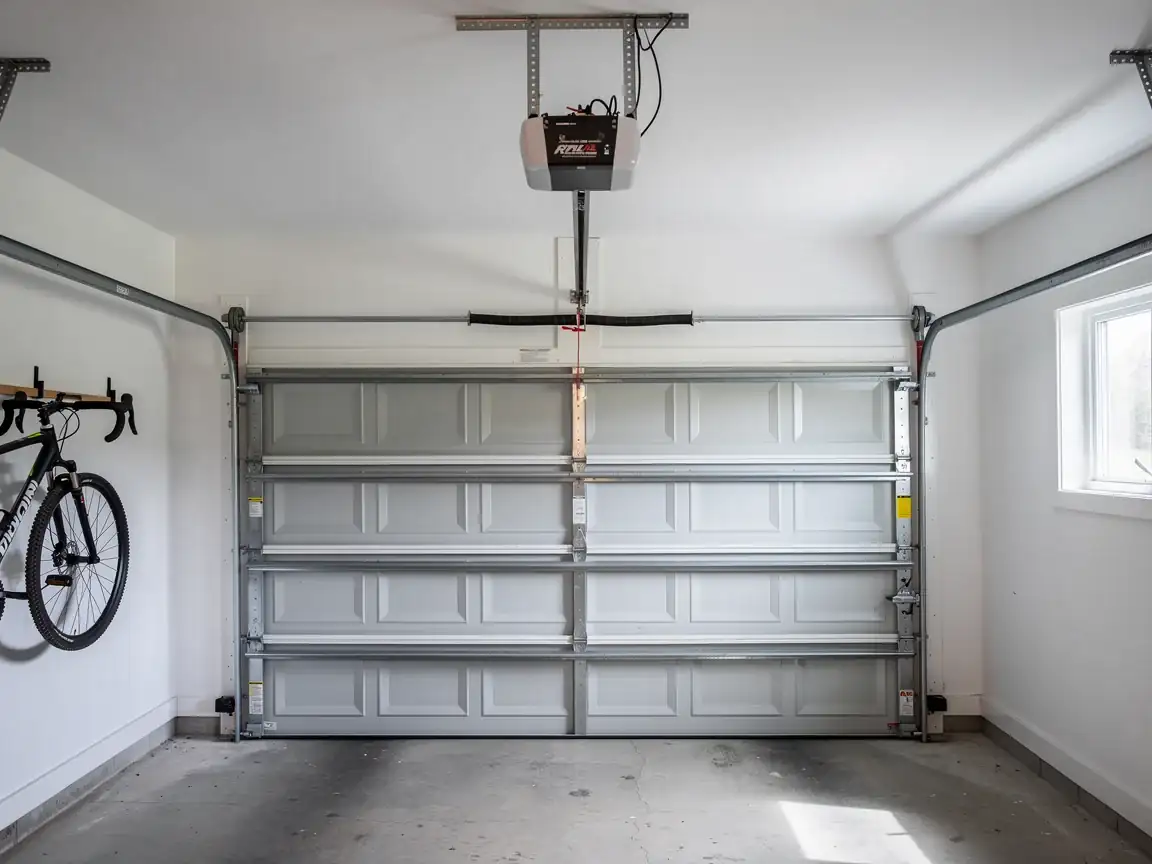
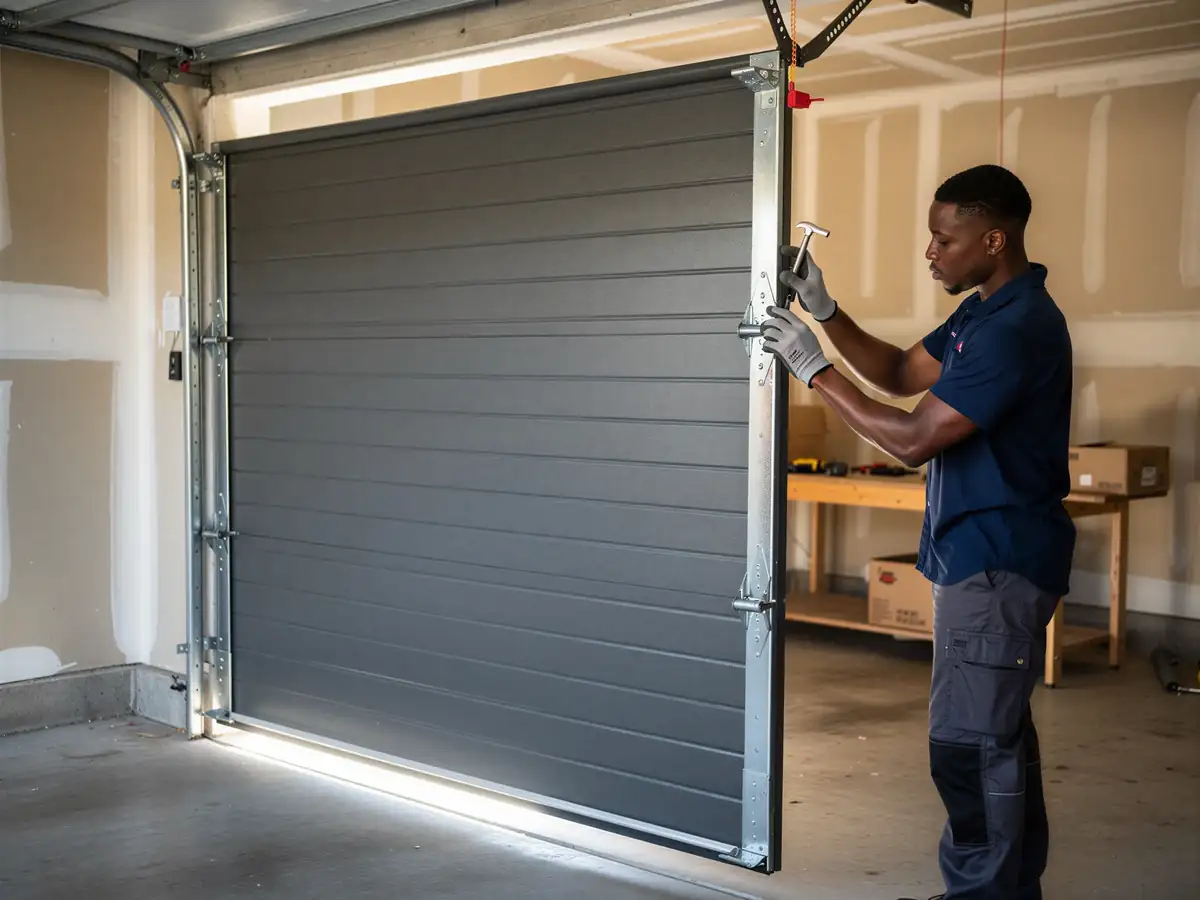
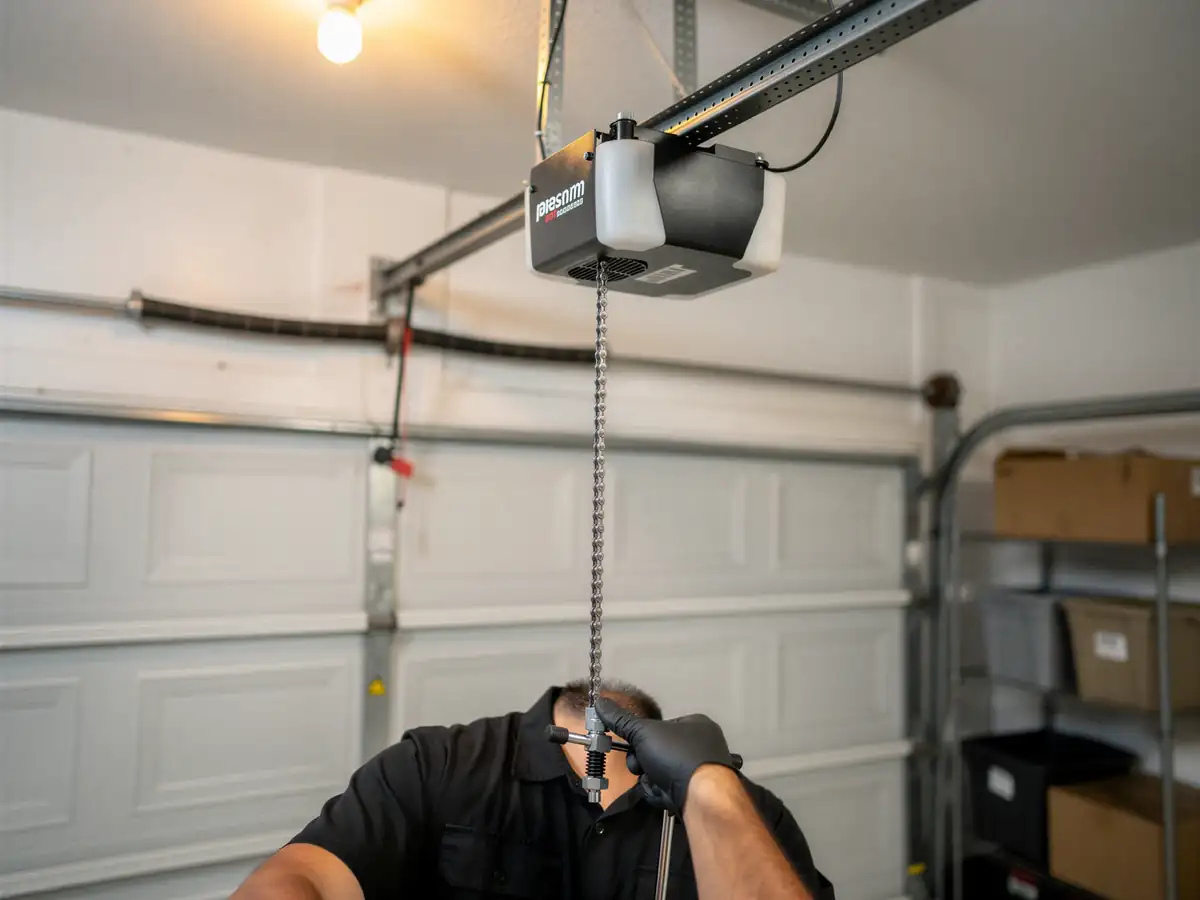
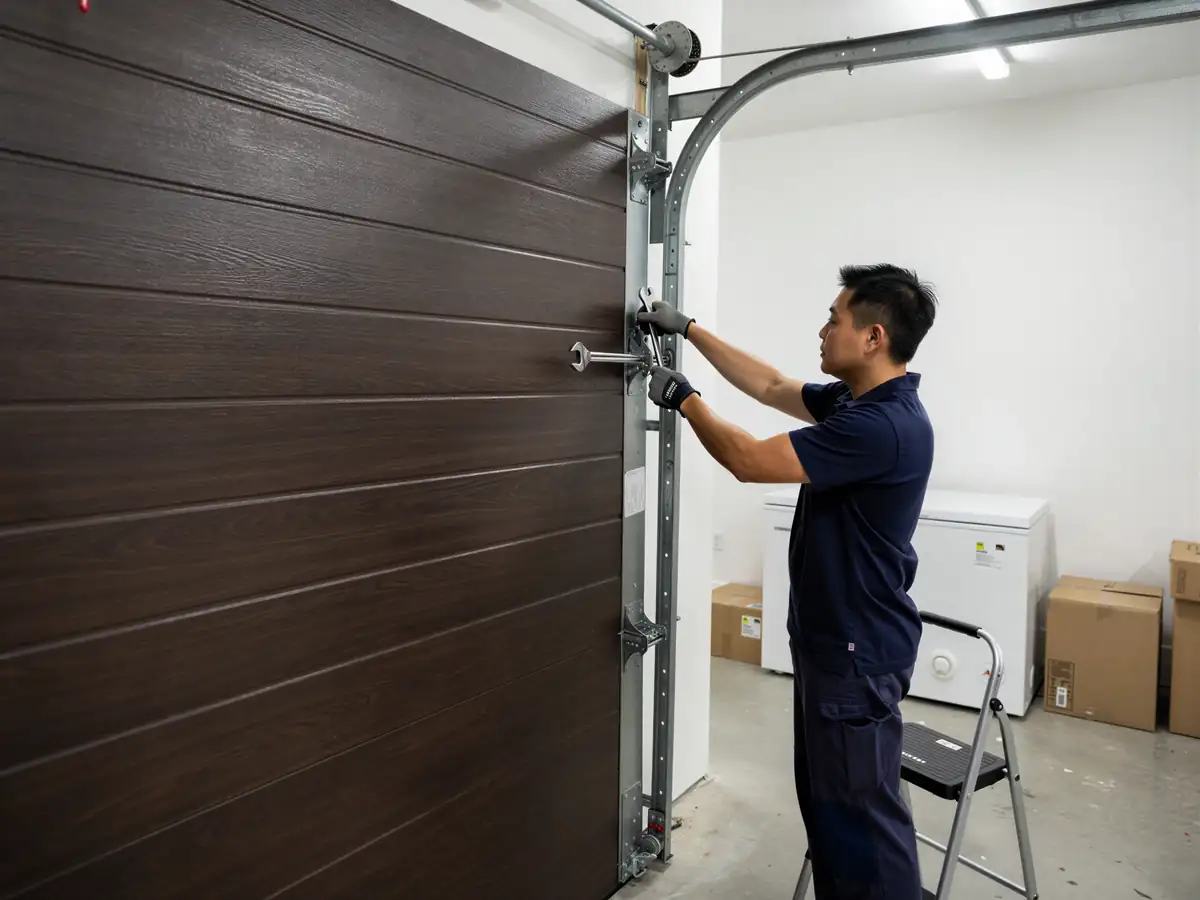
A torsion spring that's cycled a door up and down for three decades doesn't fail gracefully - it snaps, and the door either won't lift or slams down when the cable lets go. We replace the spring to match the door weight, check the cable drums and bottom brackets for wear from the same era, and look at the opener's gears, which on units this old are often original plastic that's gone brittle. Sometimes the fix is just the spring. Sometimes the opener's drive gear is stripped too, and you're looking at both in the same visit.
What You Are Seeing
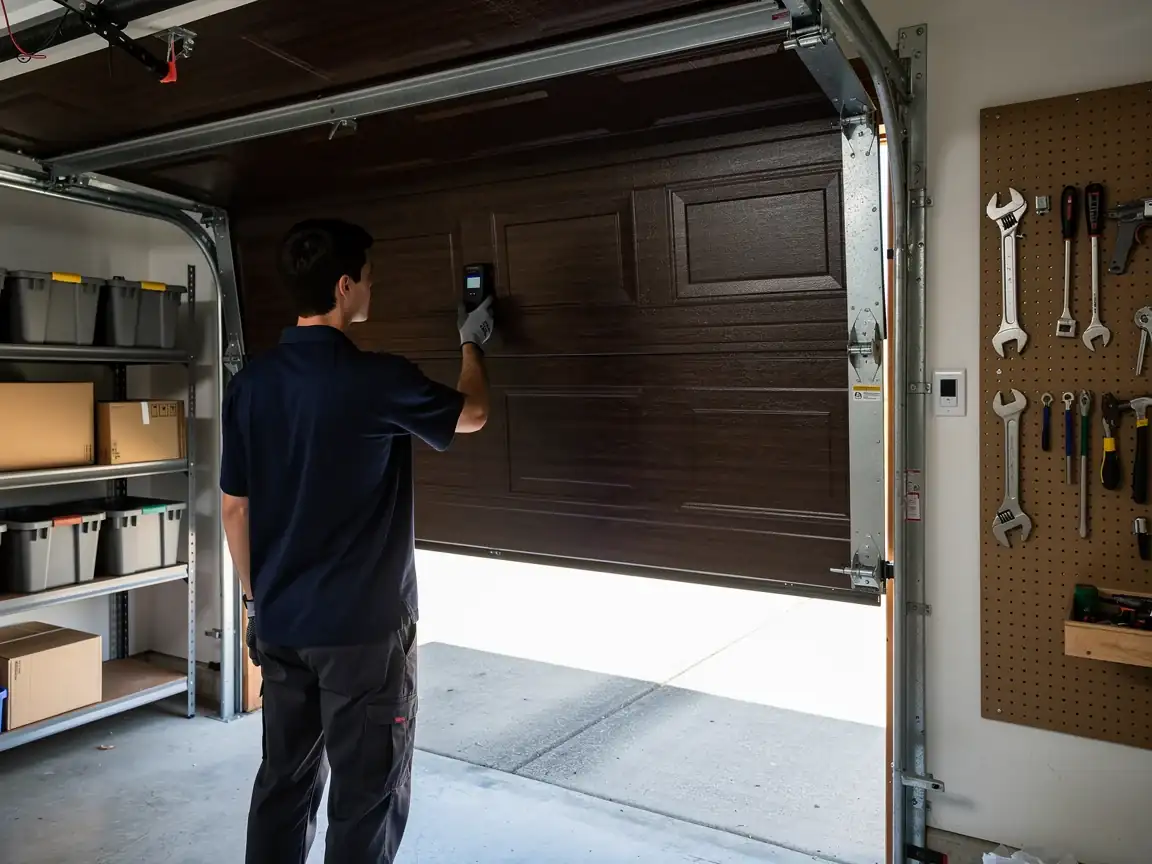
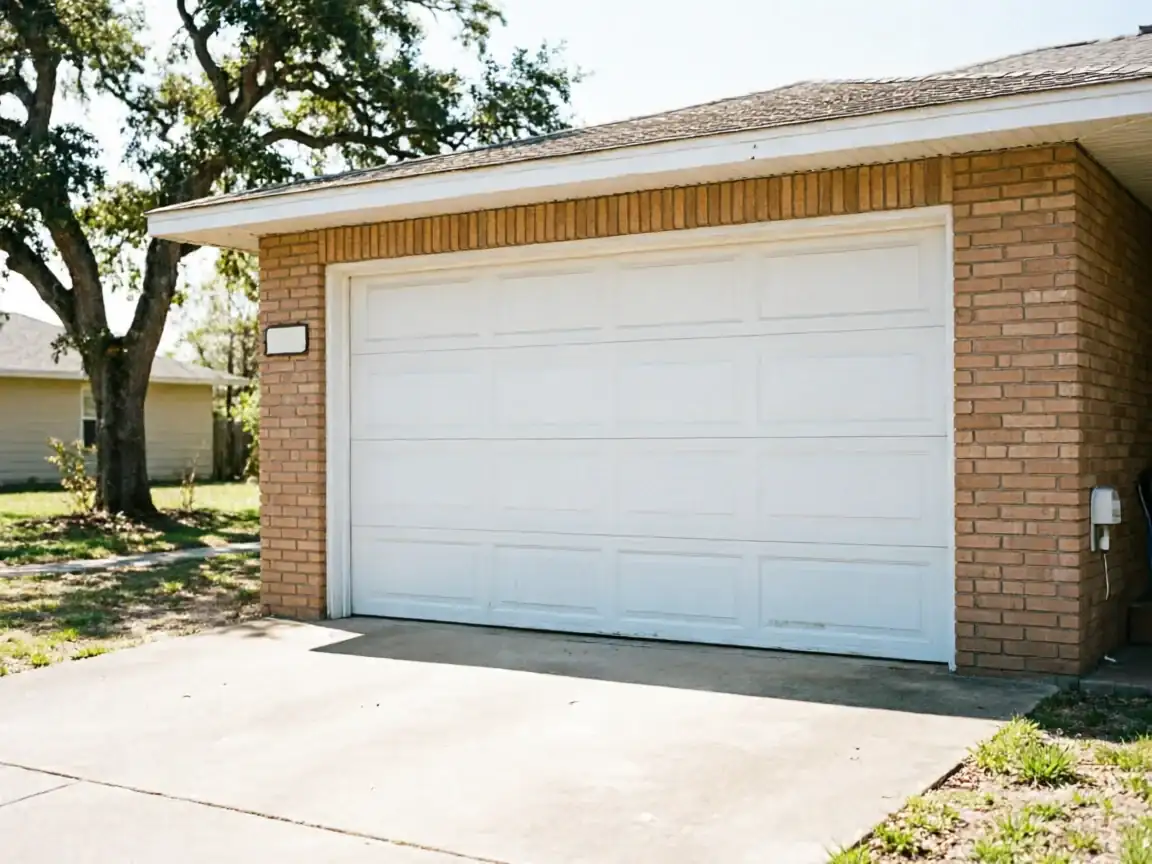
The door won't open, or it opens a few inches and stops. You hear a bang from the garage and now the door won't budge at all - that's usually the spring letting go. On the steel panel doors common in this era, you'll also see rust starting at the bottom panel seam, especially on doors that sit low to a slab that holds moisture.
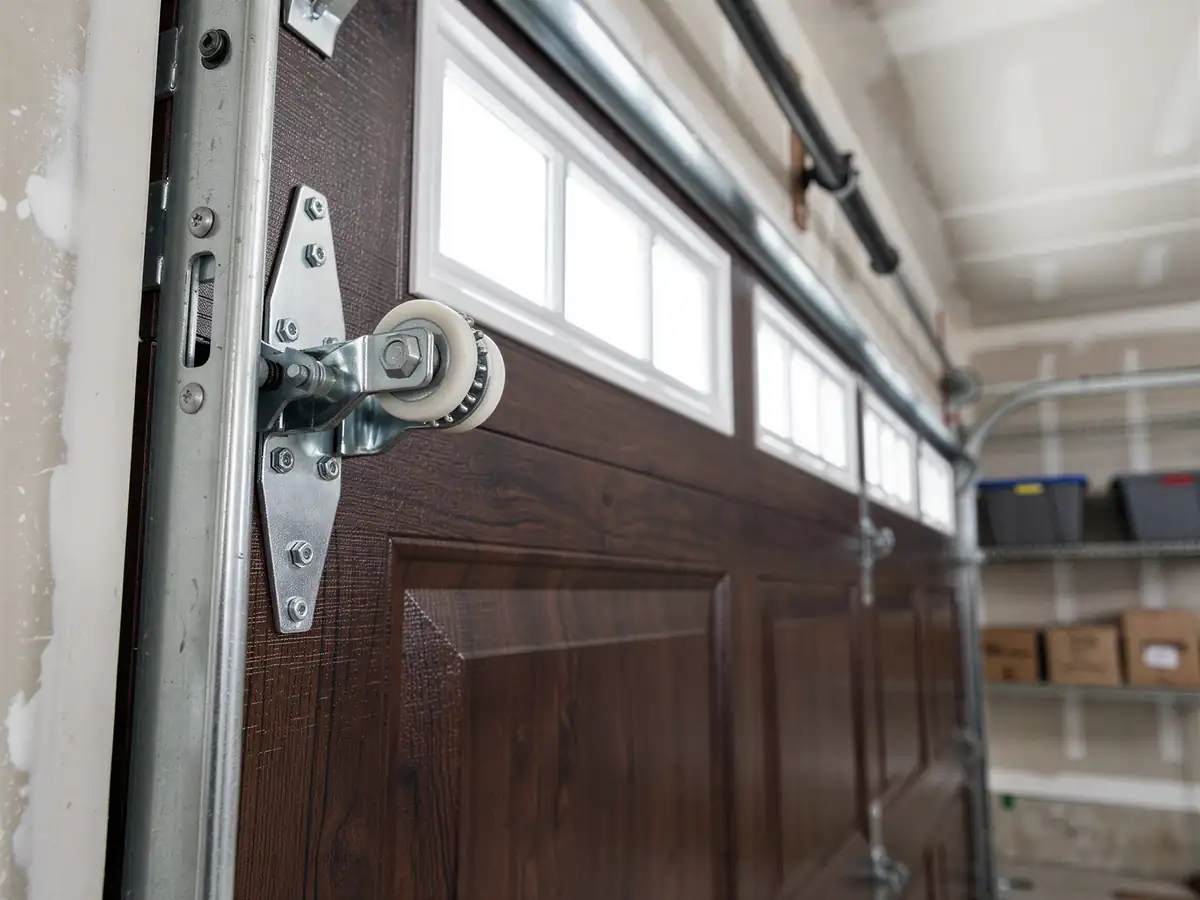
Rollers that grind or stick when the door moves are another sign of original hardware - steel rollers from the 80s and 90s don't hold grease the way nylon ones do, and thirty-plus years of freeze and thaw works the bearings loose. If your opener motor runs but the door doesn't move, that's often a stripped gear inside the unit itself, not the door.
Why This Fails Locally
This region sits in a cold-moderate climate band, and that matters more for a 1986-built door than it does for a newer one. Steel panels from that construction era expand and contract through freeze-thaw cycles every winter, and after enough years that stress opens up the seams at the bottom panel where rust gets a foothold. Grease in steel roller bearings stiffens in cold snaps, which is why a door that worked fine in October starts grinding in January.
Spring steel also fatigues with cold. A torsion spring near the end of its cycle count is more likely to snap on a cold morning than a mild afternoon, because the metal's less forgiving when it's cold. Combine a 30-to-40-year-old spring with a hard freeze and that's the service call we see most.
The Complications
Skiatook sits about 7 miles out from our Owasso shop
So we plan the drive into scheduling rather than treating it as an afterthought. That's not a complication with the repair itself, but it does mean we ask a few more questions up front - door size, opener brand, whether it's one spring or two - so the truck that shows up has the right parts the first time.
- 7 miles
The bigger complication is sourcing hardware for doors this old
Some of the opener models sold with new construction in the mid-80s and 90s aren't made anymore, and a cracked circuit board on one of those means replacing the opener rather than repairing it. We'll tell you straight when a part isn't available rather than stringing out a repair that won't hold.
Can You Do This Yourself
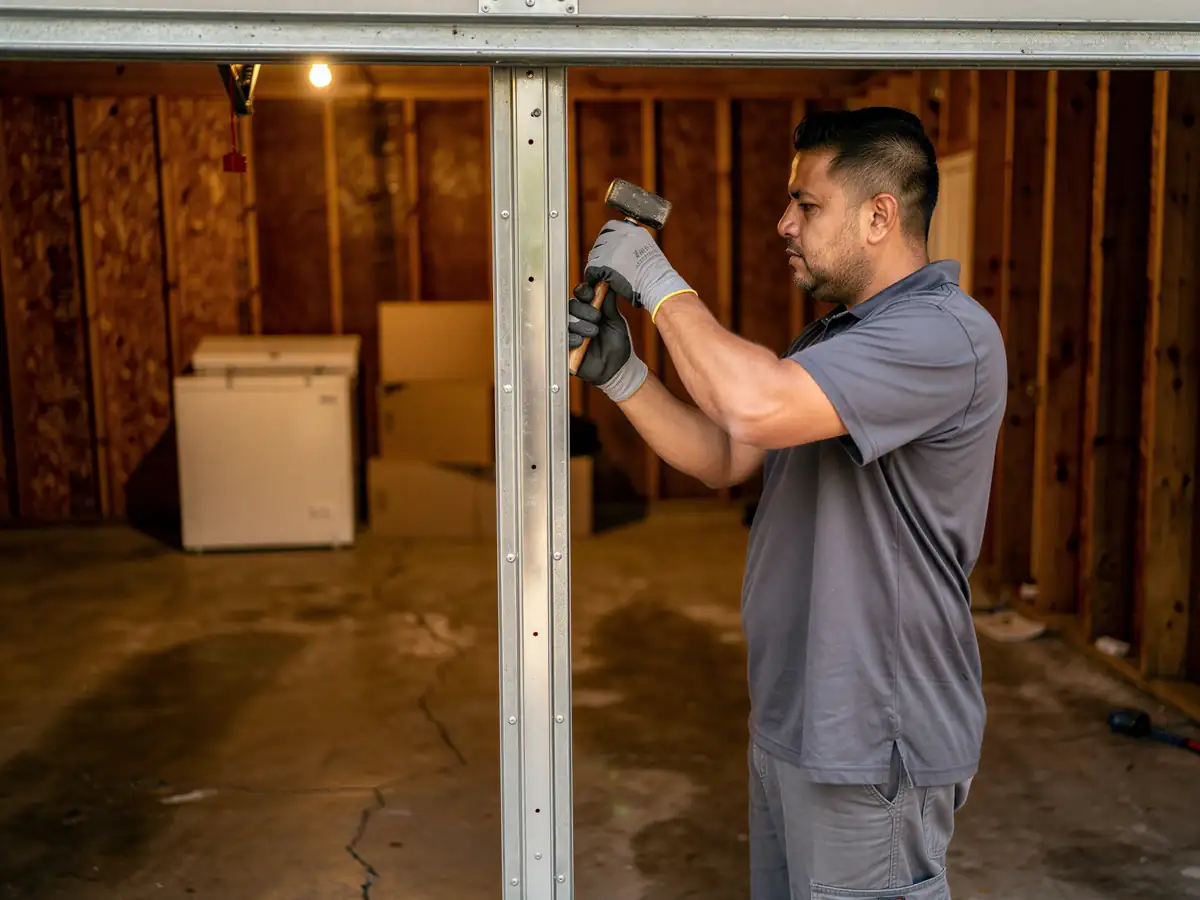
Swapping rollers or tightening a loose track bracket is reasonable if you're comfortable on a ladder and the door is currently working. Torsion springs are not a DIY repair - they're under enough tension to break a wrist or worse, and that's true whether the door is new or, like a lot of Skiatook's stock, sitting at the far end of its rated cycle life.
If the opener runs but the door won't move, check first that the arm connecting opener to door hasn't just disengaged - that's a five-minute fix, not a service call. Past that, anything involving the spring, cable, or drum is worth having someone look at, especially on a door old enough that the hardware underneath may not match what's written on a modern repair guide.
Parts We Carry
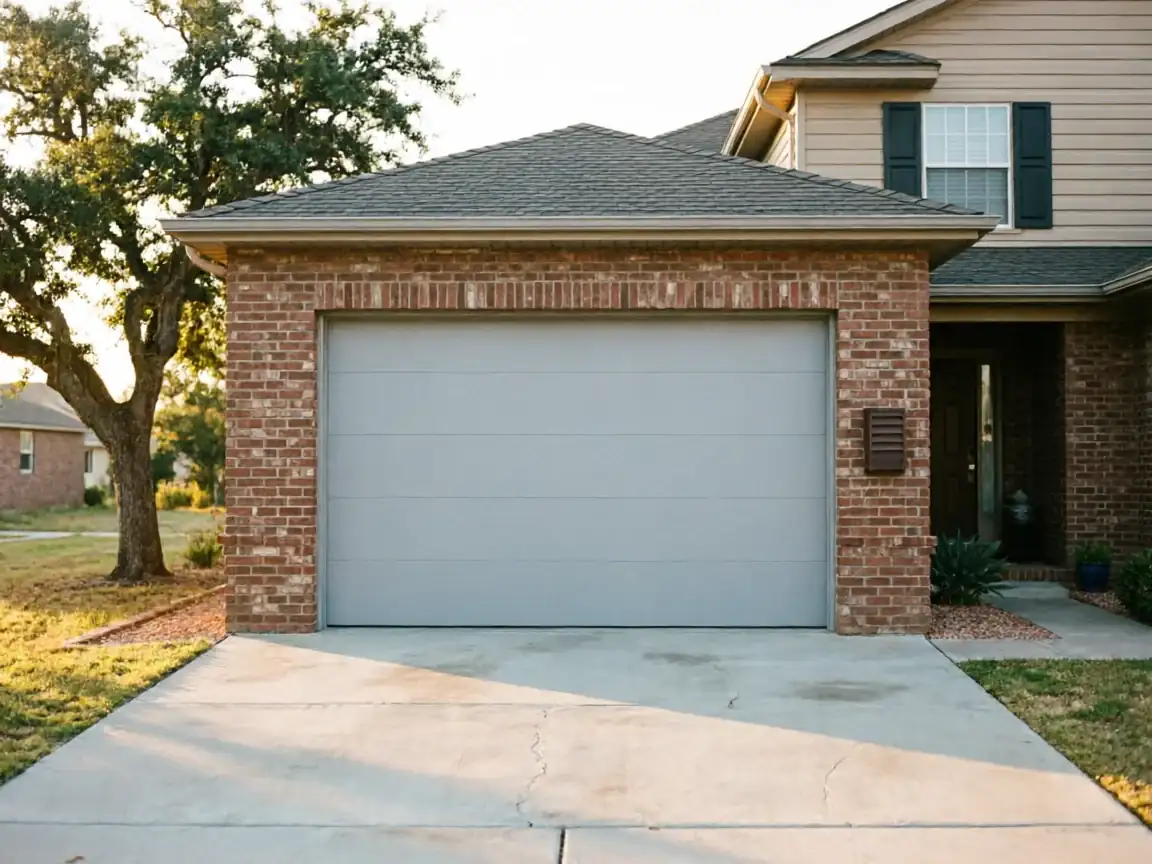
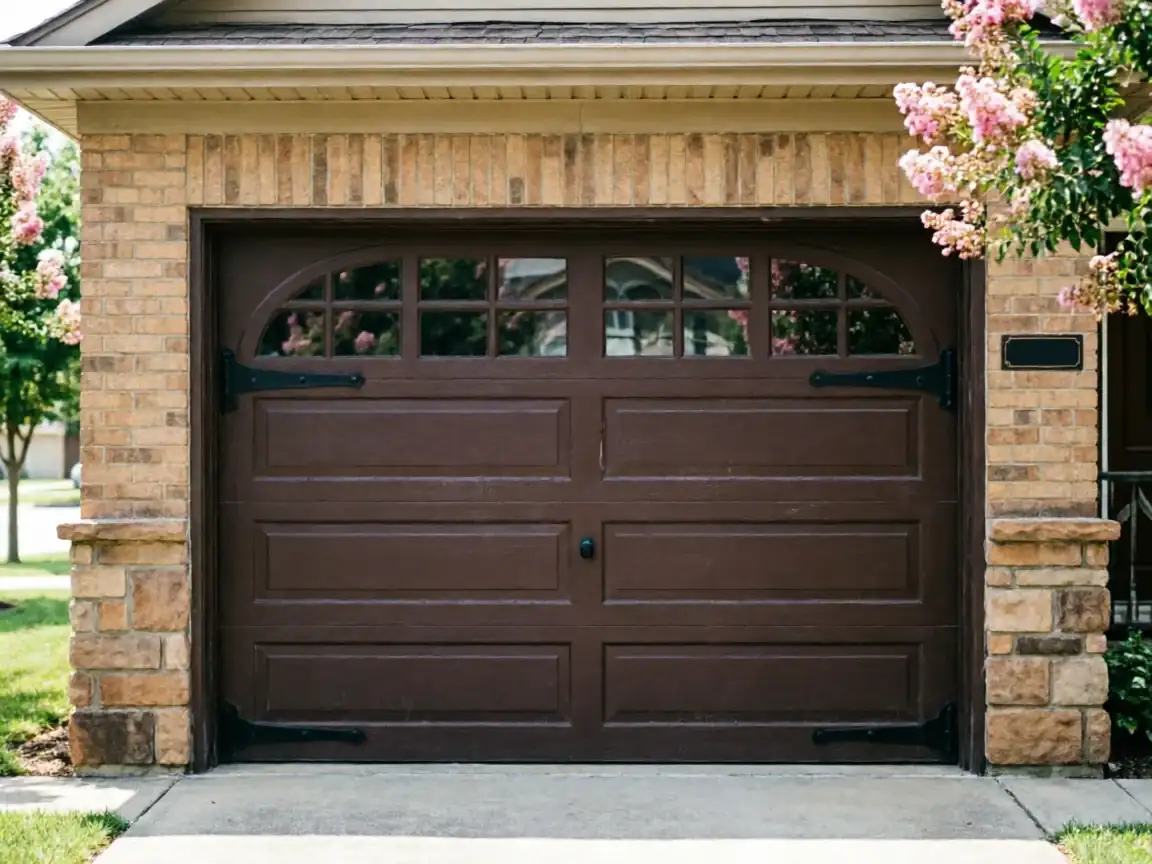
For the steel panel doors common across Skiatook's 1980s and 90s builds, we carry replacement torsion springs sized to match the original door weight, steel and sealed-bearing roller sets, and cables and drums to match older track widths. Given that median household income here runs $55,444, well under the $77,403 median across the wider area we cover, we lean toward replacing what's failed rather than pushing a full door swap unless the panels themselves are rusted through.
We don't carry every opener board model from that era on the truck - some have been discontinued by the manufacturer entirely - but we stock the gear kits and belts that cover most of the chain and belt drives still running on these properties.