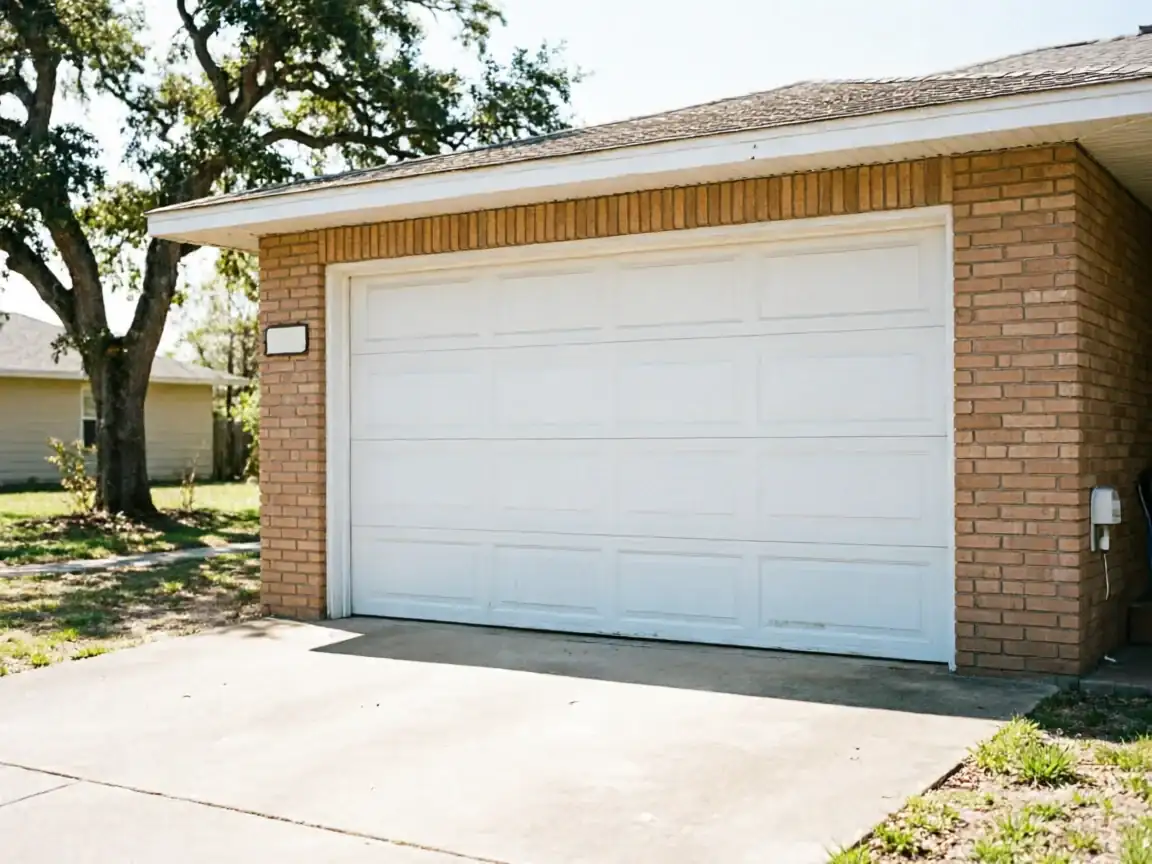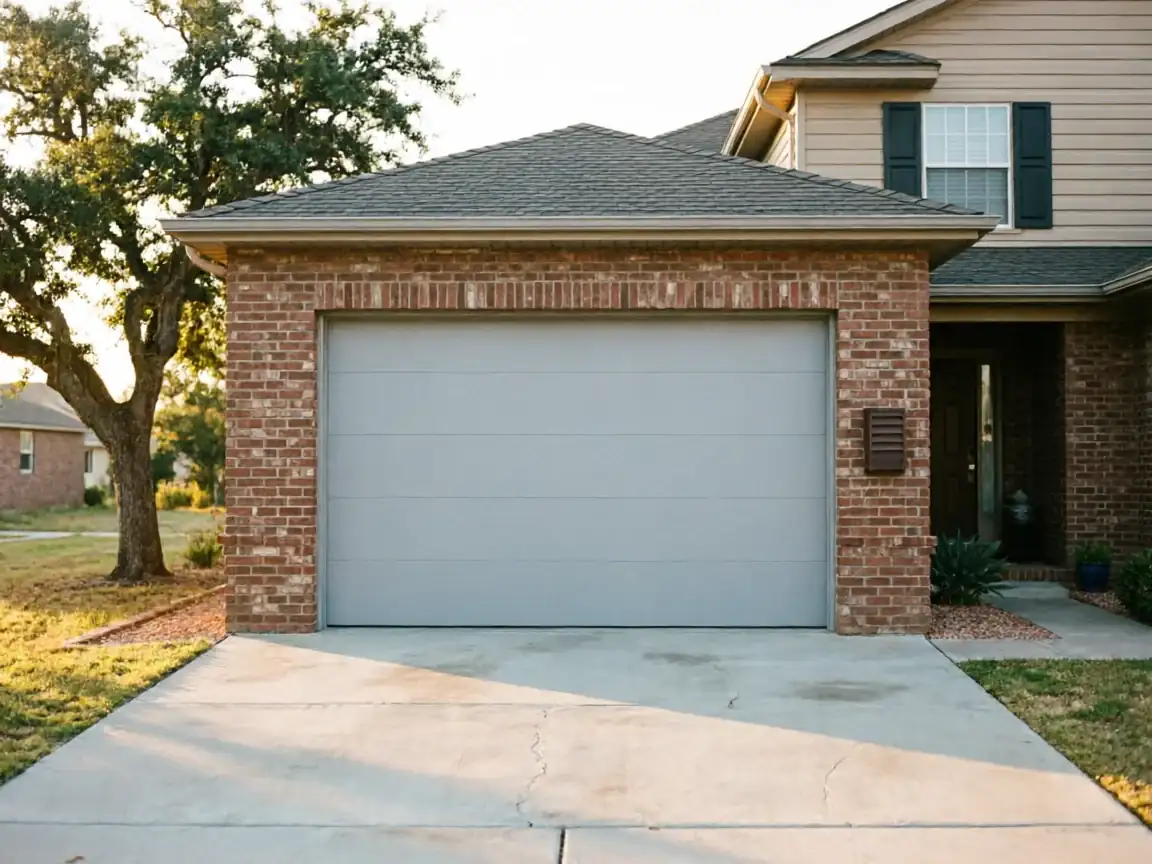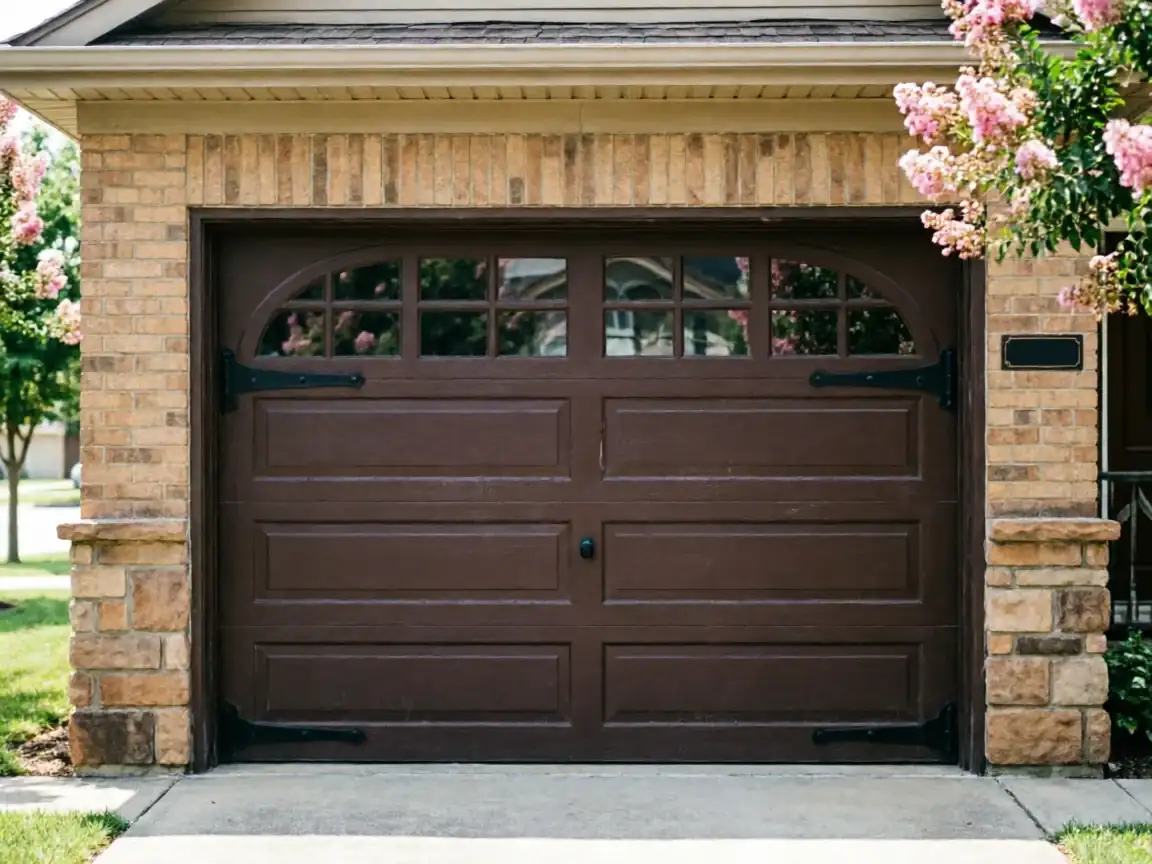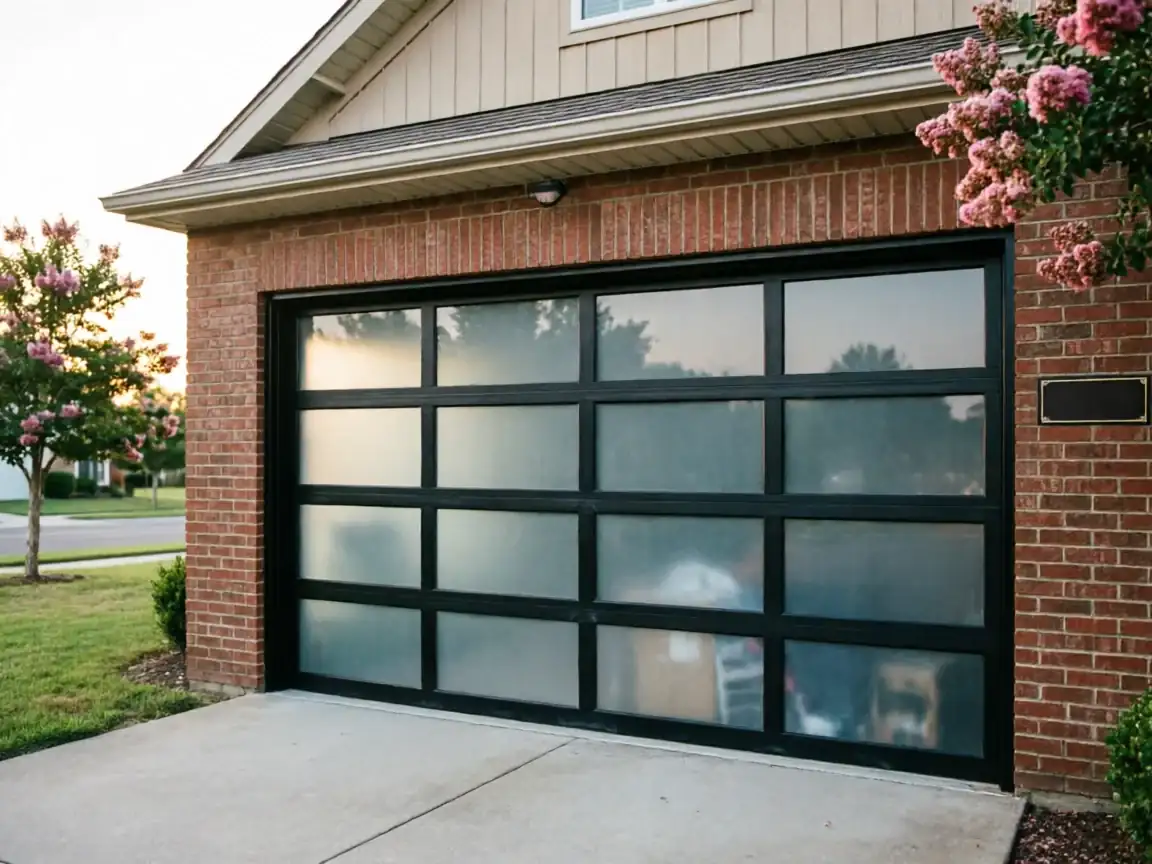
What the Fix Involves
Most houses in Skiatook went up around 1986
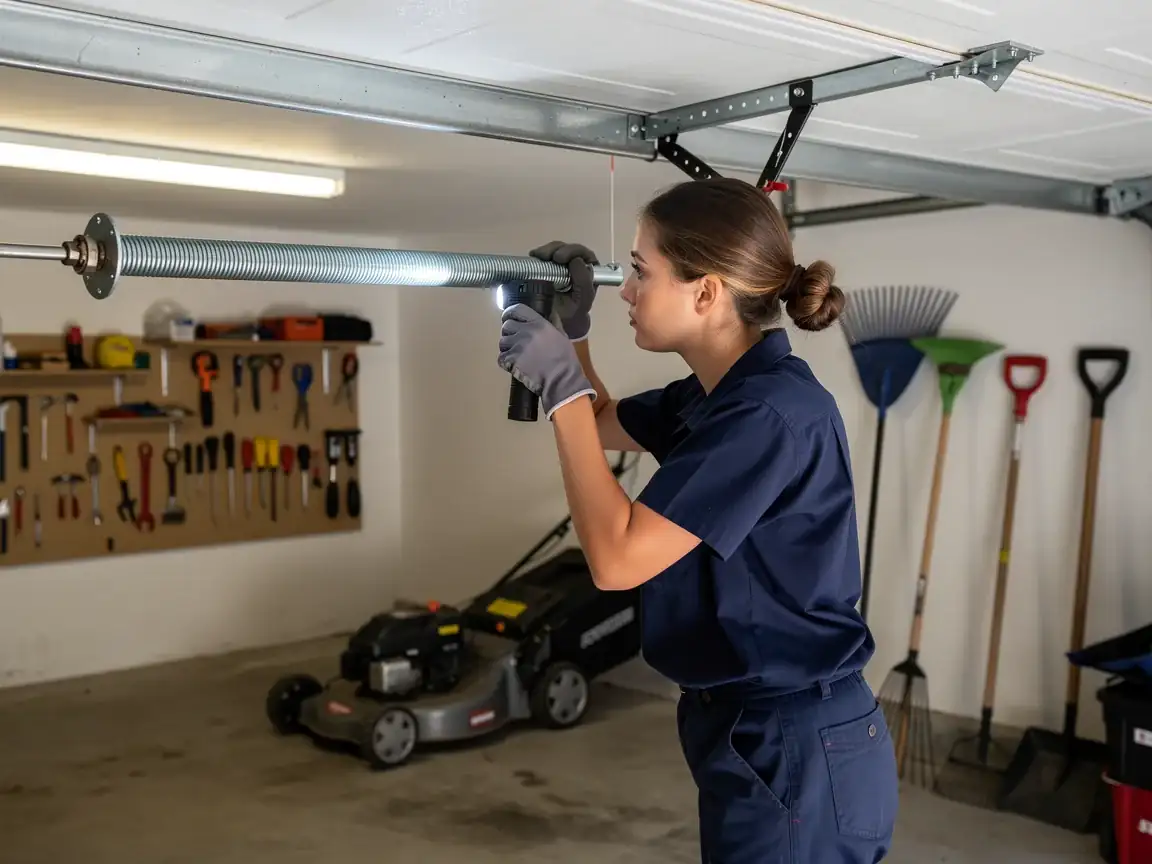
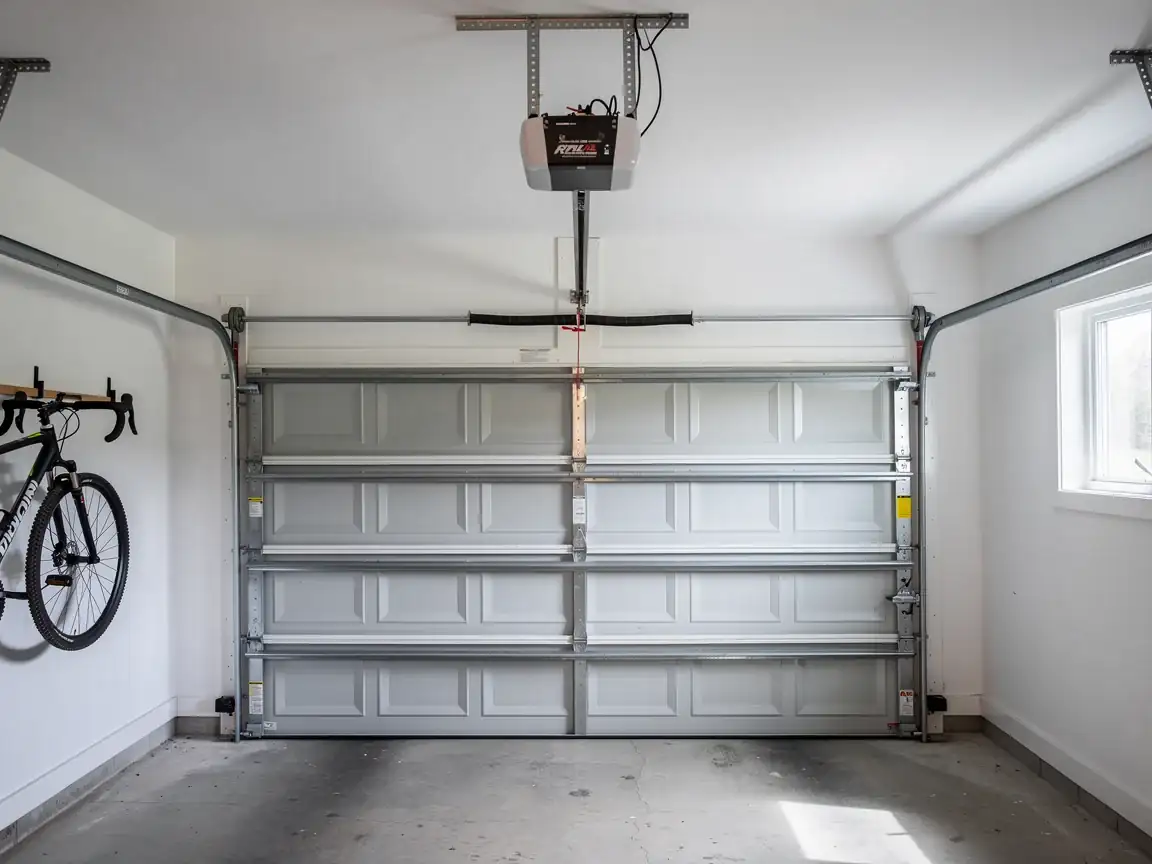
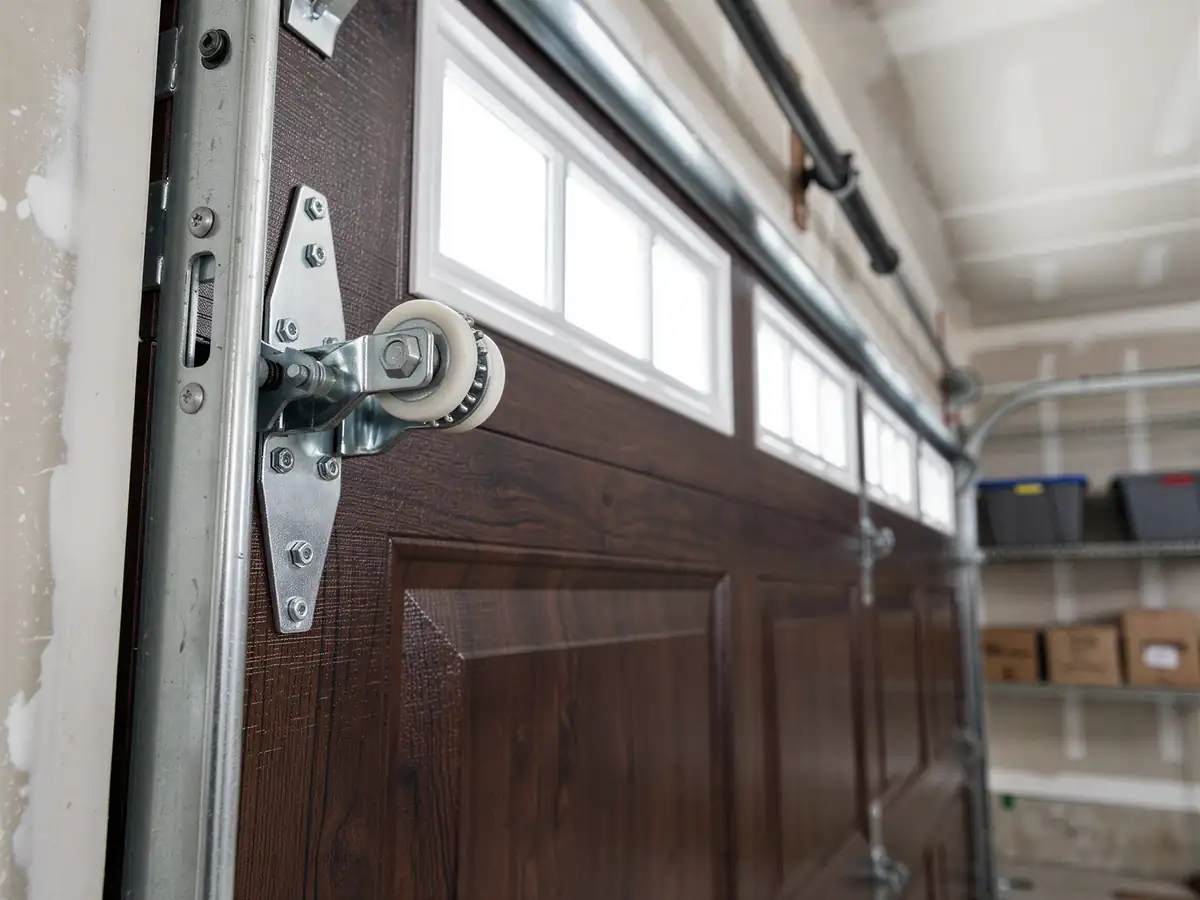
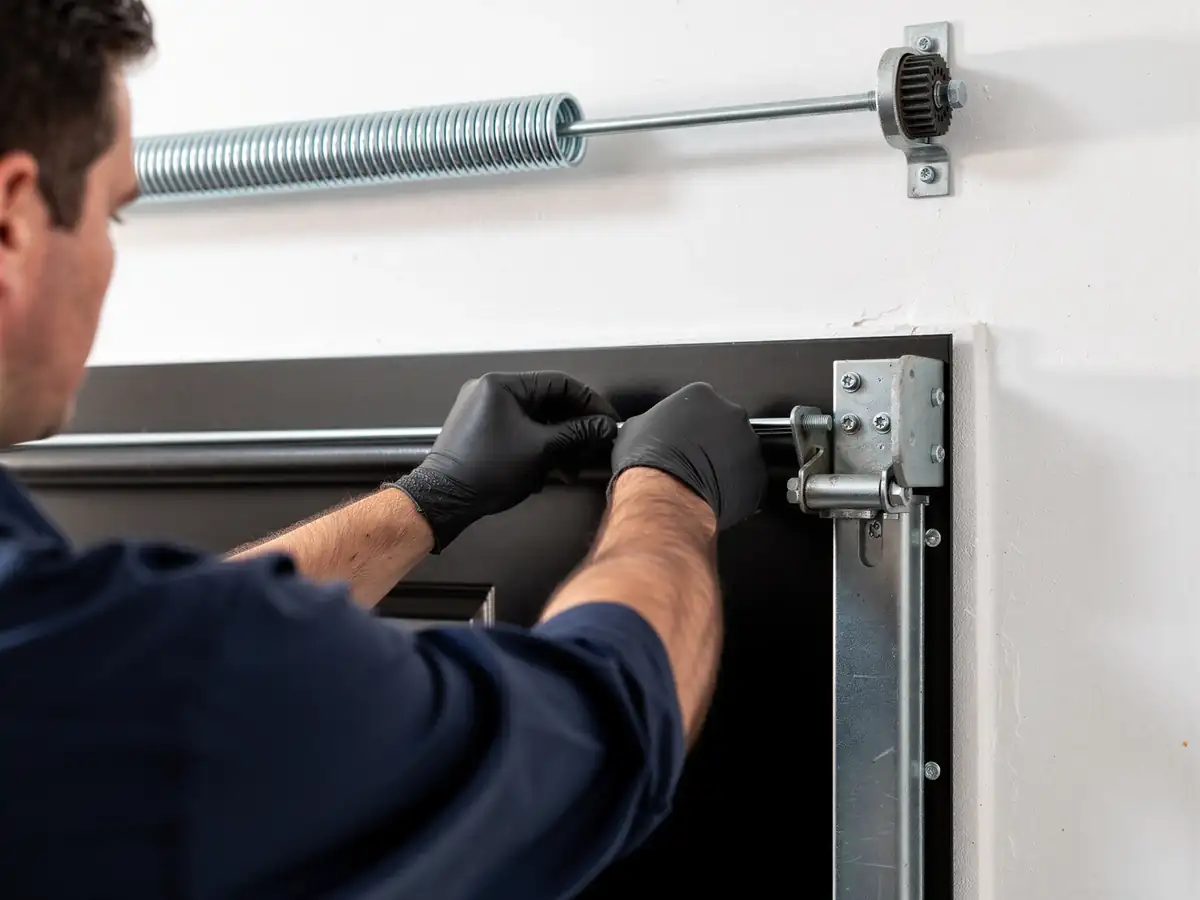
Which means a lot of what's bolted to the door right now has never been touched. The torsion spring, the end bearings, the lift cable, the rollers riding in the track - original hardware from a build that's now pushing forty years old. When we get a call out here, the first question isn't "what's broken," it's "how much of this has already outlived its design life and just hasn't failed yet."
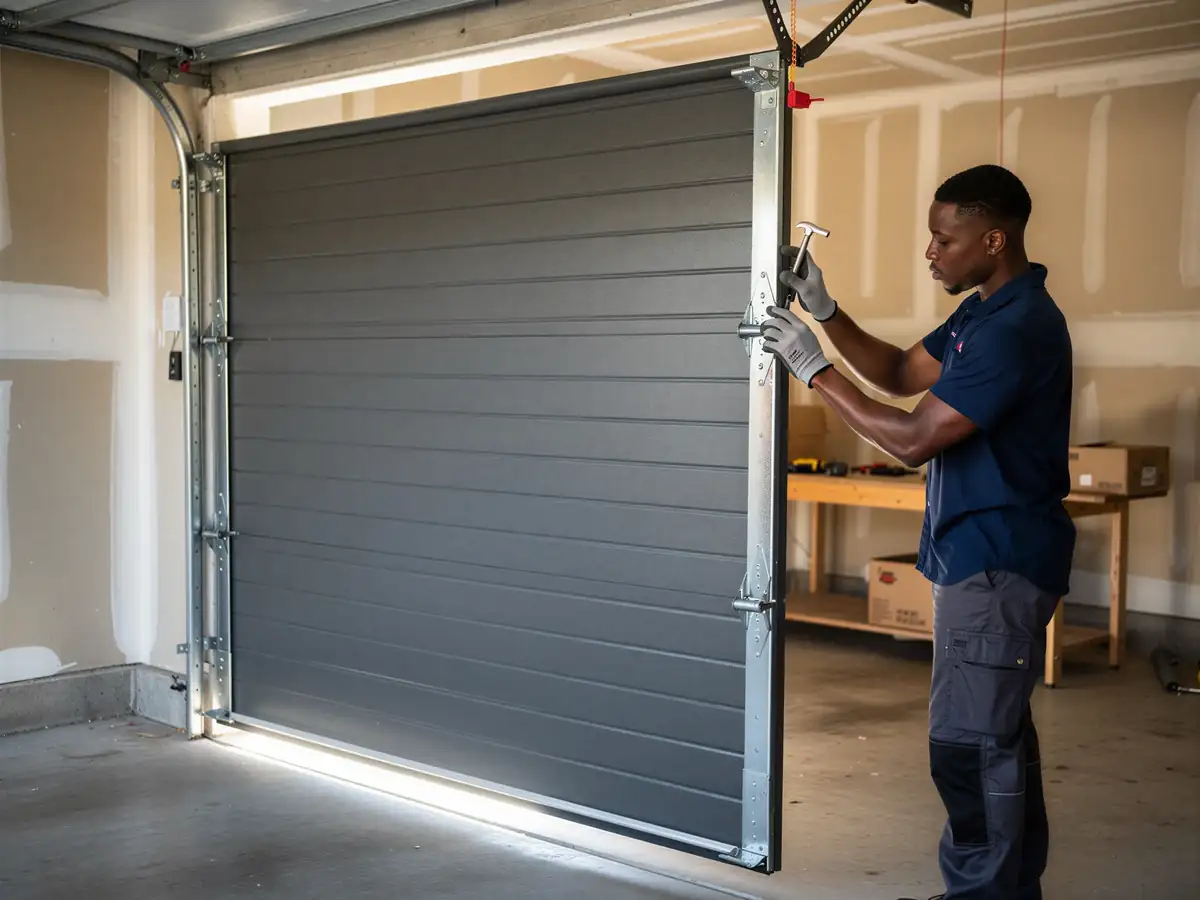
The fix usually starts with a full hardware check, not just the one part that's making noise
A spring from that era wasn't sized for today's heavier insulated doors if the door's been swapped since, and the drum, cable, and track often weren't replaced together even if one piece was patched along the way. We look at the whole lift system before we touch anything, because fixing the symptom and leaving the original bearing plate cracked just means a second call in six months.
What You Are Seeing
The door is slow going up, or it drops the last foot instead of settling. One side looks lower than the other when it's open halfway. There's a grinding or popping sound from the spring side, or the opener strains and reverses before the door seats on the floor. On older doors, you'll sometimes see rust streaking down from the end bearing or a cable that's started to fray near the drum - small signs that the original 1980s hardware is finally giving out after decades of cycles.
Sometimes it's quieter than that: the door just feels heavier to lift by hand than it used to, which almost always means the spring has lost tension gradually rather than snapping outright. That's the kind of wear that doesn't announce itself until the opener motor burns out trying to compensate.
Why This Fails Locally
Skiatook sits in a cold-moderate climate band, and temperature swings are hard on spring steel that's already decades past new. Cold mornings make old torsion springs brittle right when they're under the most tension, which is why winter is when a lot of these original-hardware doors finally let go.
At a median household income of $55,444, Skiatook runs lower than some of the other towns we cover from Owasso, and that shapes the calls we get - more requests to repair what's there rather than replace the whole door outright, and more questions about what a part costs before we start. With 3,269 households in town, a good share of them are still running the hardware that came with the house, not something installed in the last ten years. That's not a guess about any one home - it's just what a median build year of 1986 means for the stock of doors still out there.
The Complications
We drive the seven miles out from Owasso for every call in Skiatook
There's no separate branch or stocked van sitting in town, so a part that's unusual or discontinued means an extra trip once it's sourced. On a door this old, that happens more than on newer builds. Spring sizes, drum styles, and even the hinge pattern on an original panel can be specific to a run of doors that manufacturers stopped making parts for years ago.
Another complication
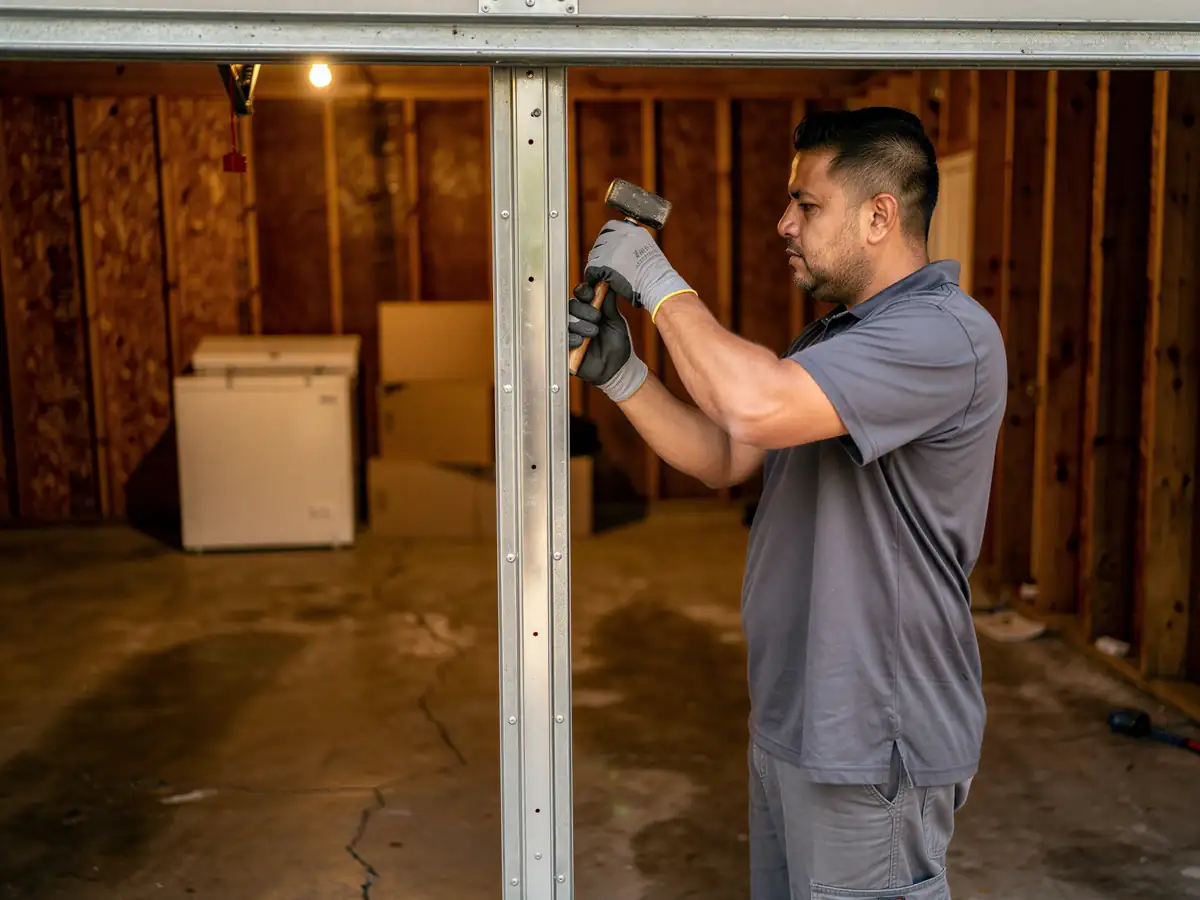
A door from the mid-80s that's never been replaced often has a frame or track that's slightly out of square from decades of settling, which a straightforward spring swap won't fix. We flag that before doing the repair, not after, so nobody's surprised by a second problem showing up once the first one's solved.
Can You Do This Yourself
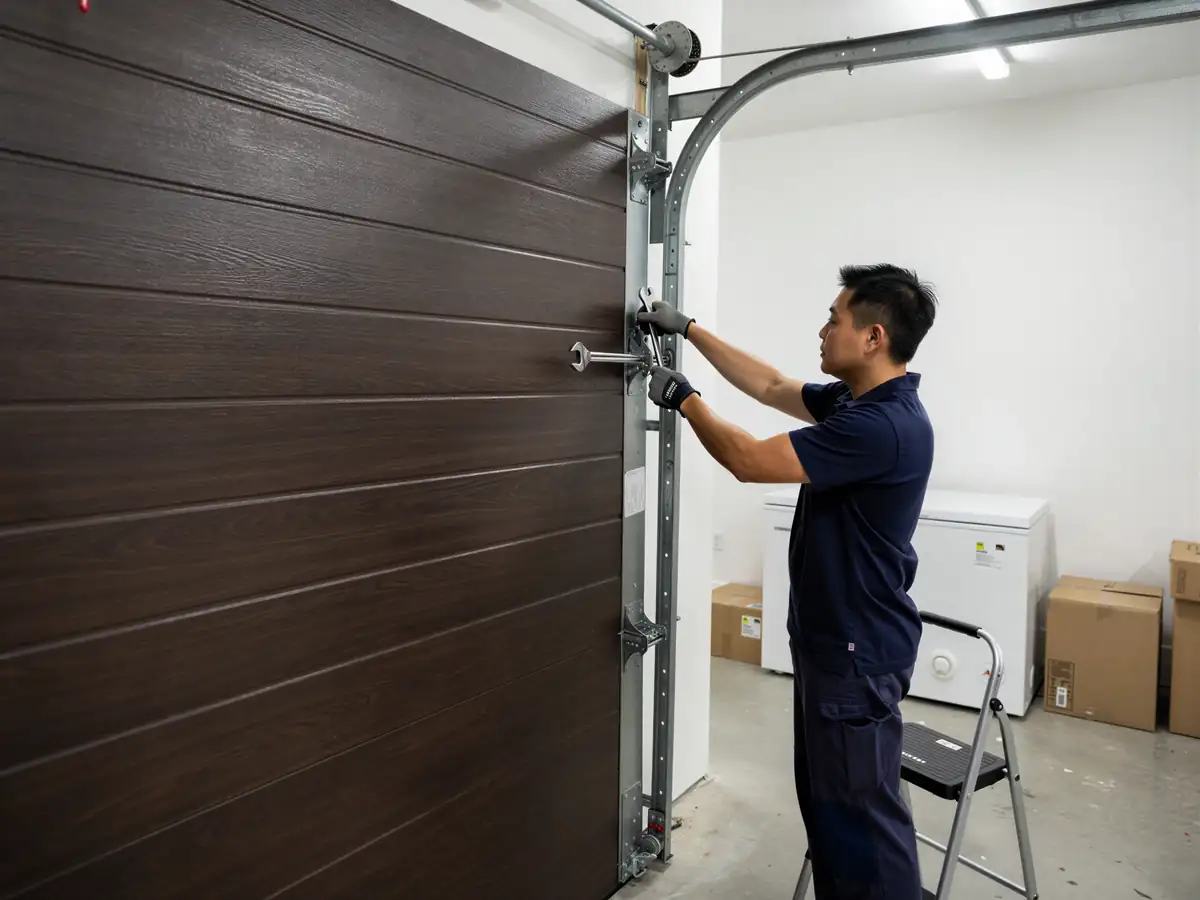
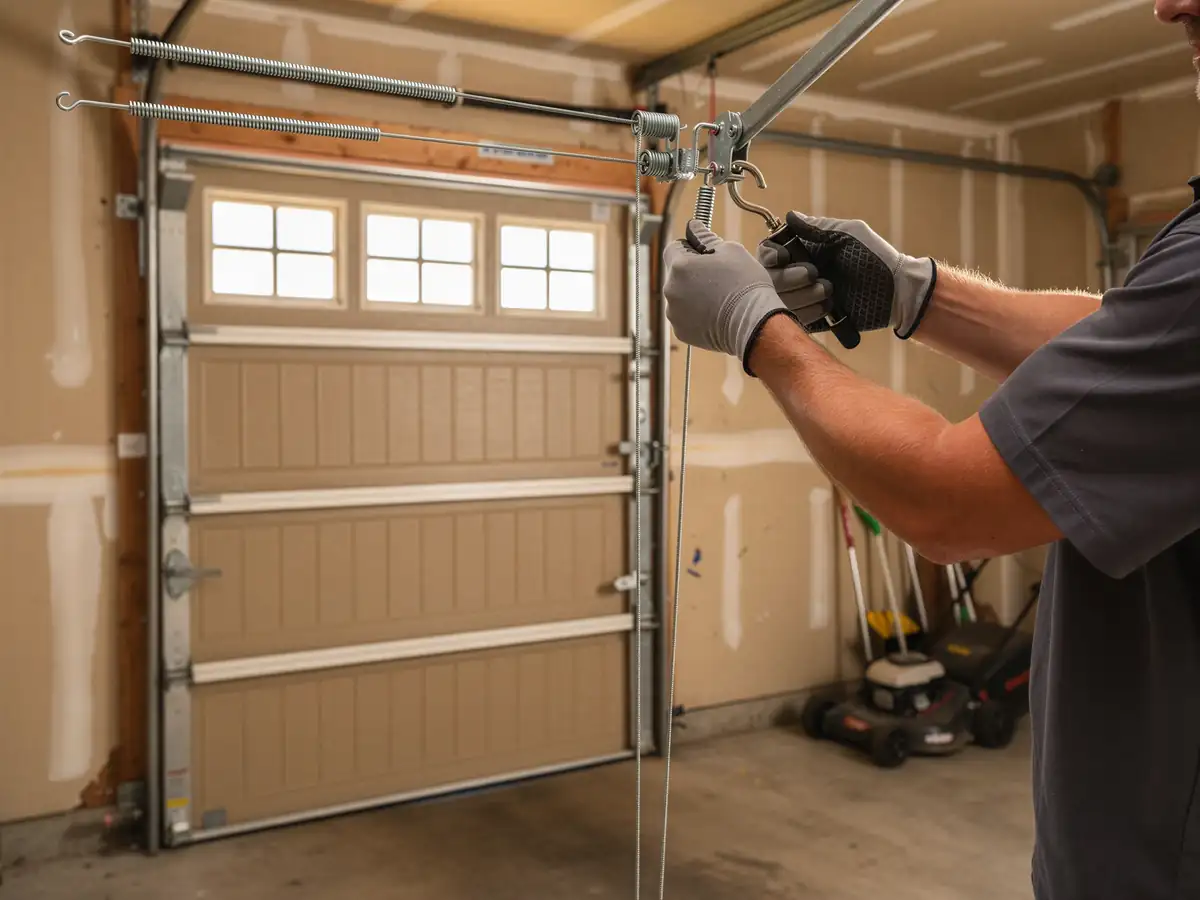
Changing a roller or tightening a loose track bracket is reasonable for a homeowner with the right tools. Replacing a torsion spring is not - the spring is wound under enough tension to break a bone or worse if the winding bars slip, and that risk doesn't go down just because the spring looks old and tired. We'll say plainly: if the hardware on your door is original to a mid-80s build, the metal fatigue isn't something you can judge by eye, and a DIY spring swap on a door this age is the single most common way people end up in the ER with a garage door job.
Cable work and bearing replacement carry the same risk. If it's just a noisy roller or a loose hinge screw, go ahead. Anything touching the spring or the cable under tension, call it in.
Parts We Carry
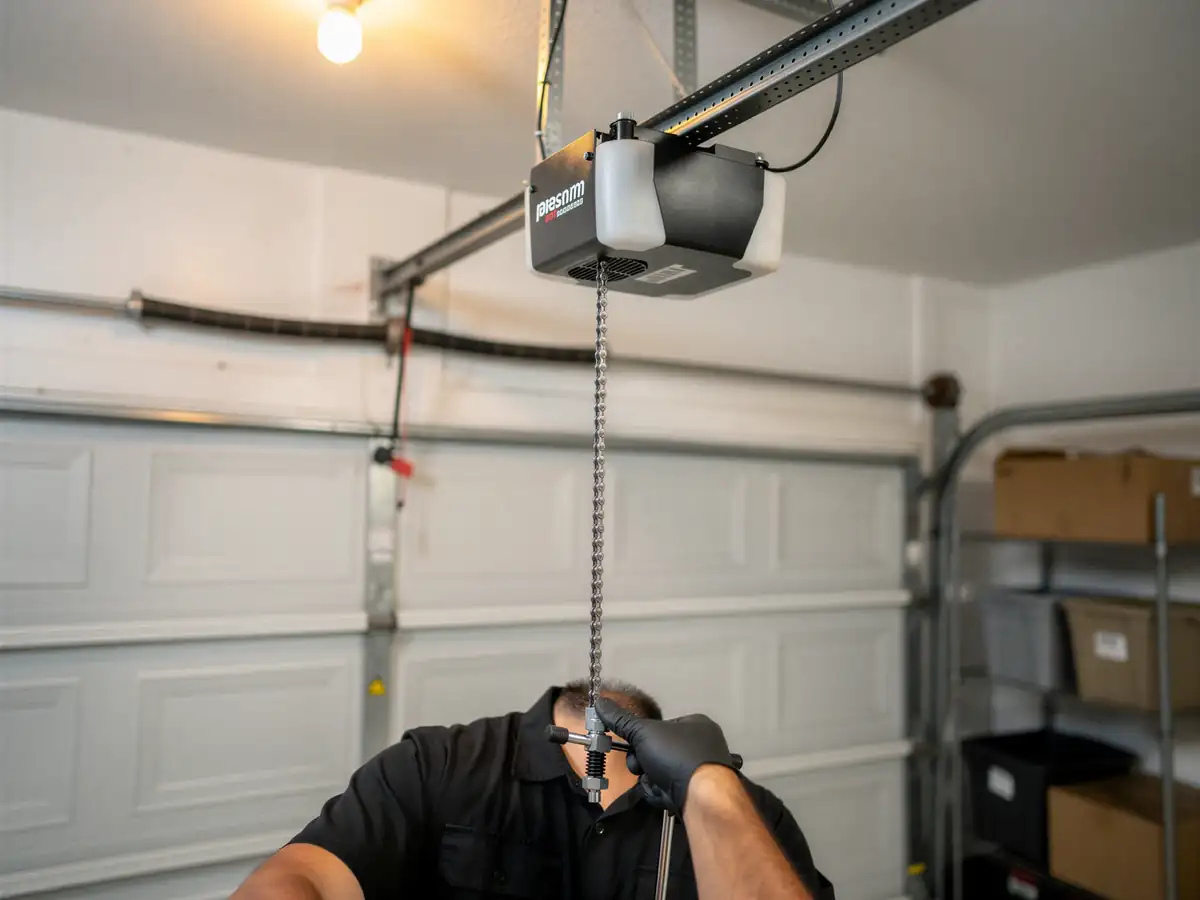
Because so much of Skiatook's housing stock dates to the 1980s and 90s, we keep stock sized for that era's standard torsion springs and lift cables, along with common roller and hinge patterns from doors built in that window. What we don't carry on the truck is parts for a handful of older proprietary door brands that stopped manufacturing replacement hardware years back - those sometimes need a special order, and we'll tell you that up front rather than string out a repair.
For openers, we stock standard chain and belt-drive components that fit most units installed from the late 80s through today. If your opener is original to the house, there's a fair chance the motor and logic board are near the end of their service life regardless of what's wrong right now, and we'll say so rather than patch something that's going to fail again in a year.