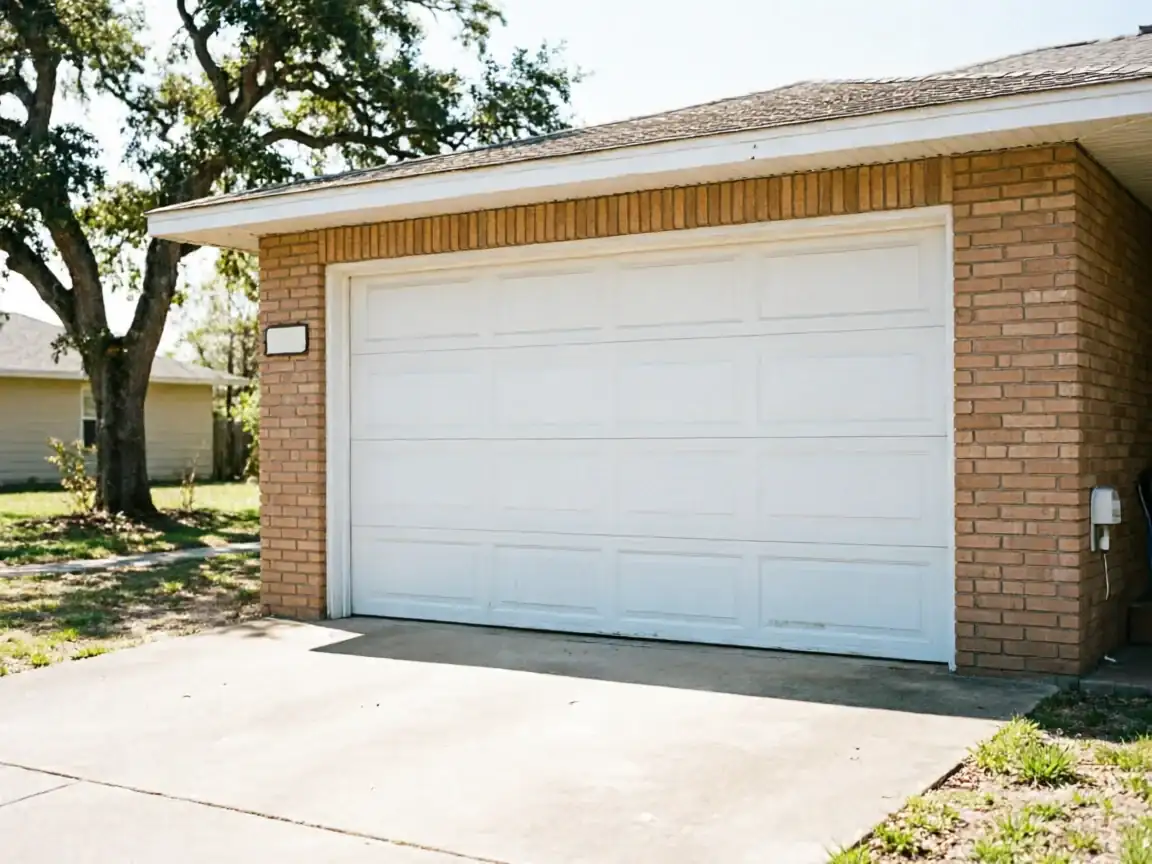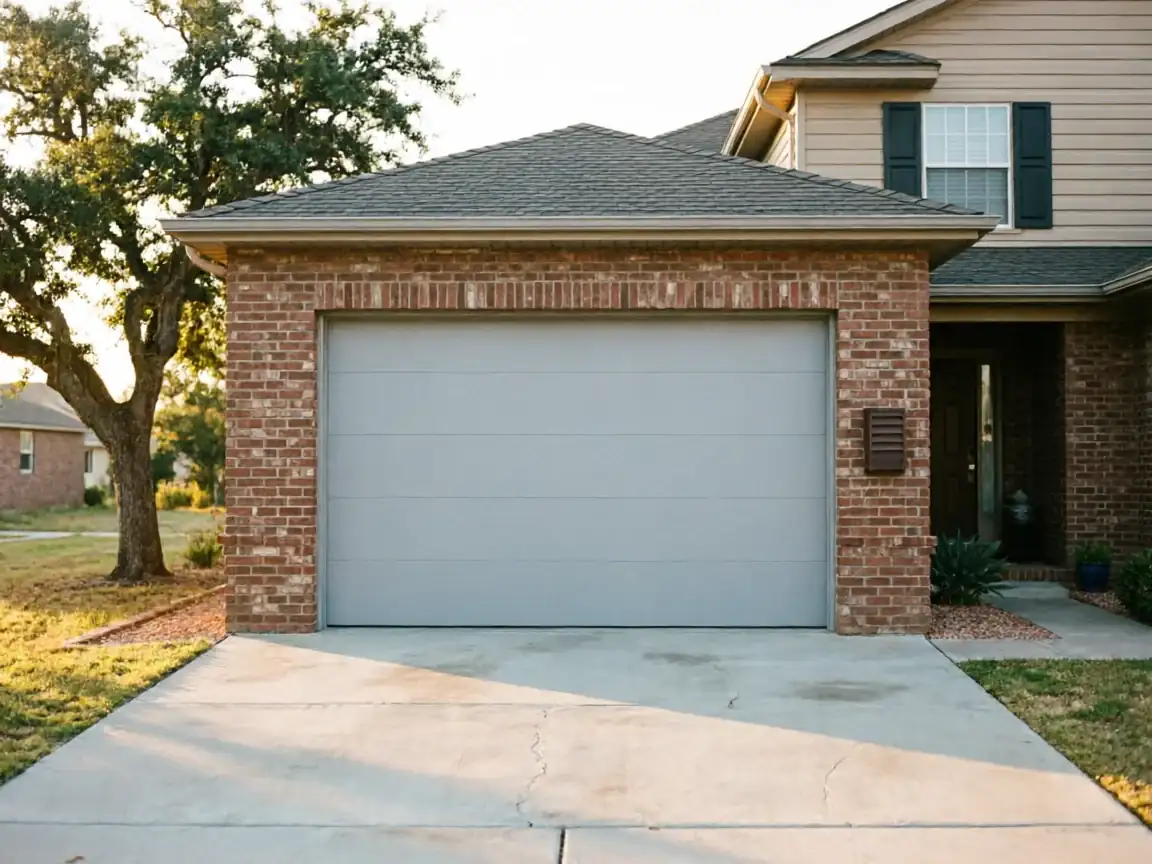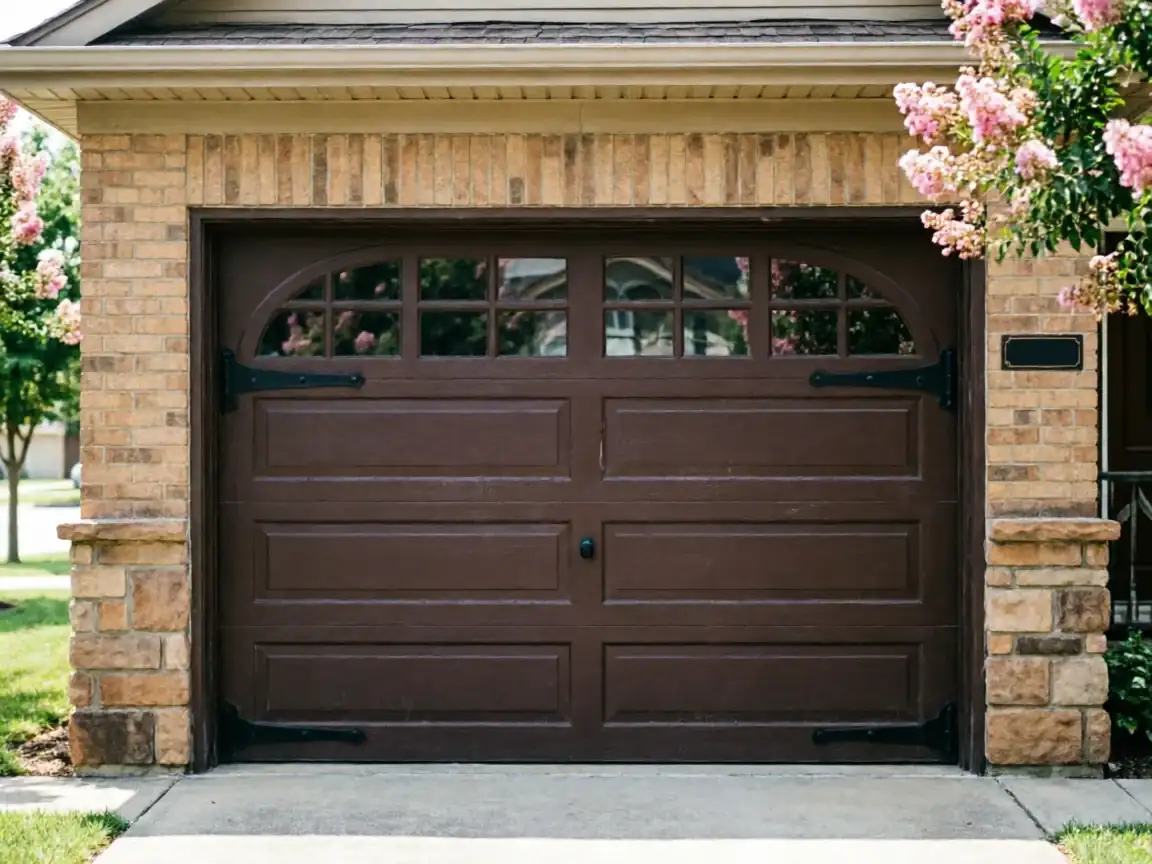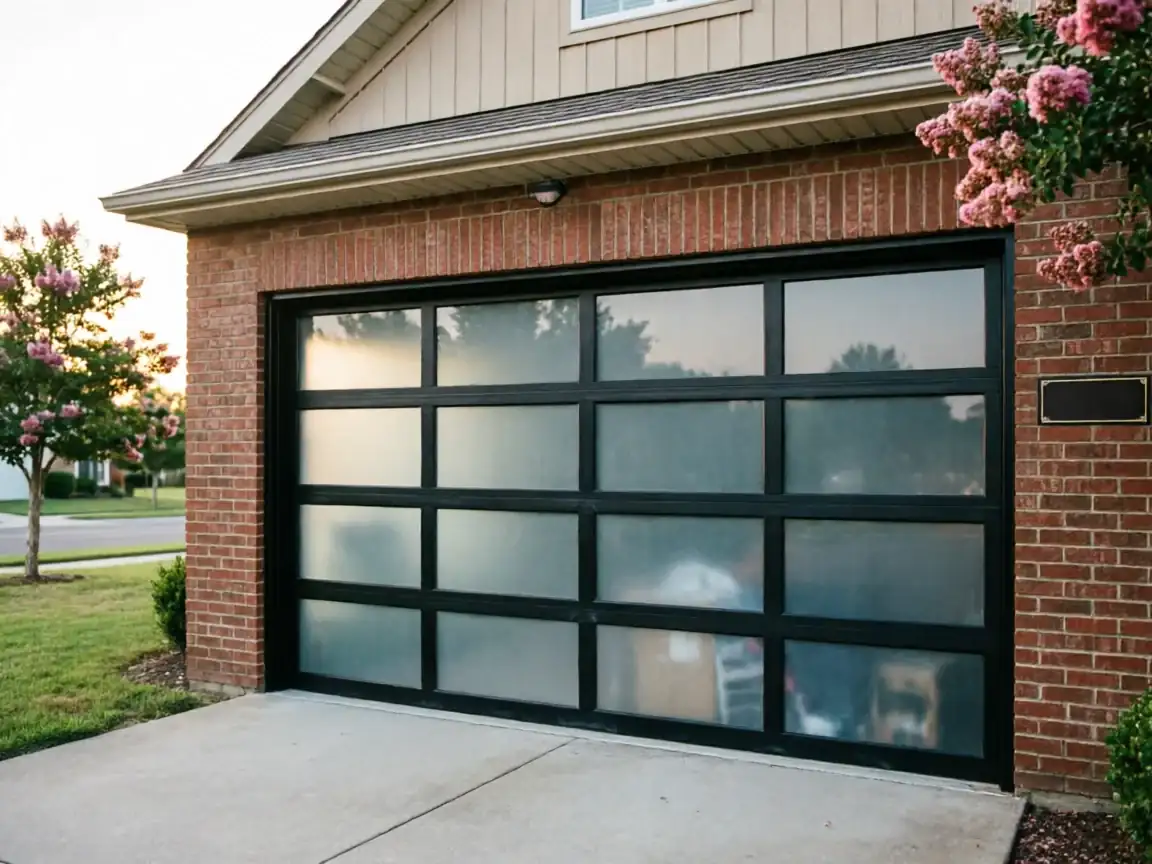
What You Are Seeing
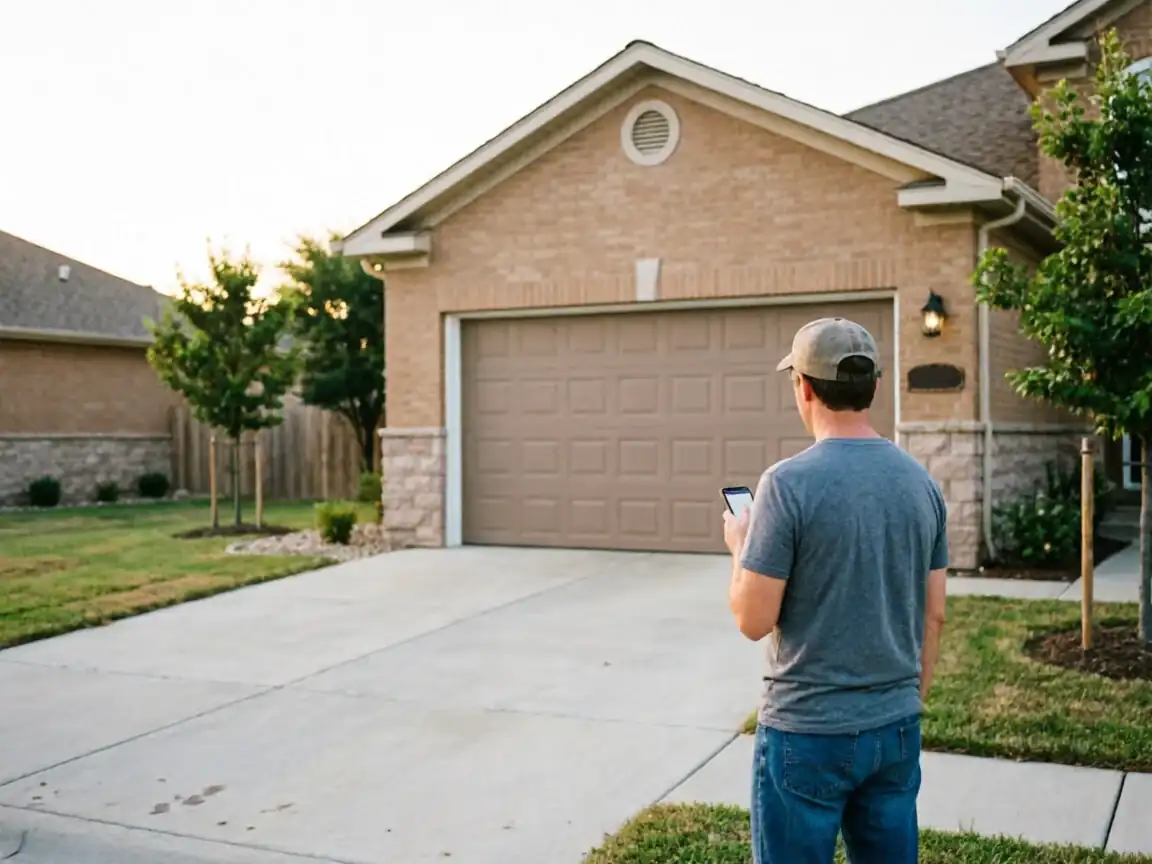
A door that used to glide now jerks, stalls halfway, or won't budge until you give the opener a second try
Maybe you heard a loud bang from the garage and now the door won't lift at all - that's almost always a broken torsion spring, not the opener. Other calls we get: a panel sagging on one corner, rollers grinding instead of rolling, or the door reversing itself for no clear reason right after you close it.
If your house is part of the housing wave that went up between 1965 and 2005
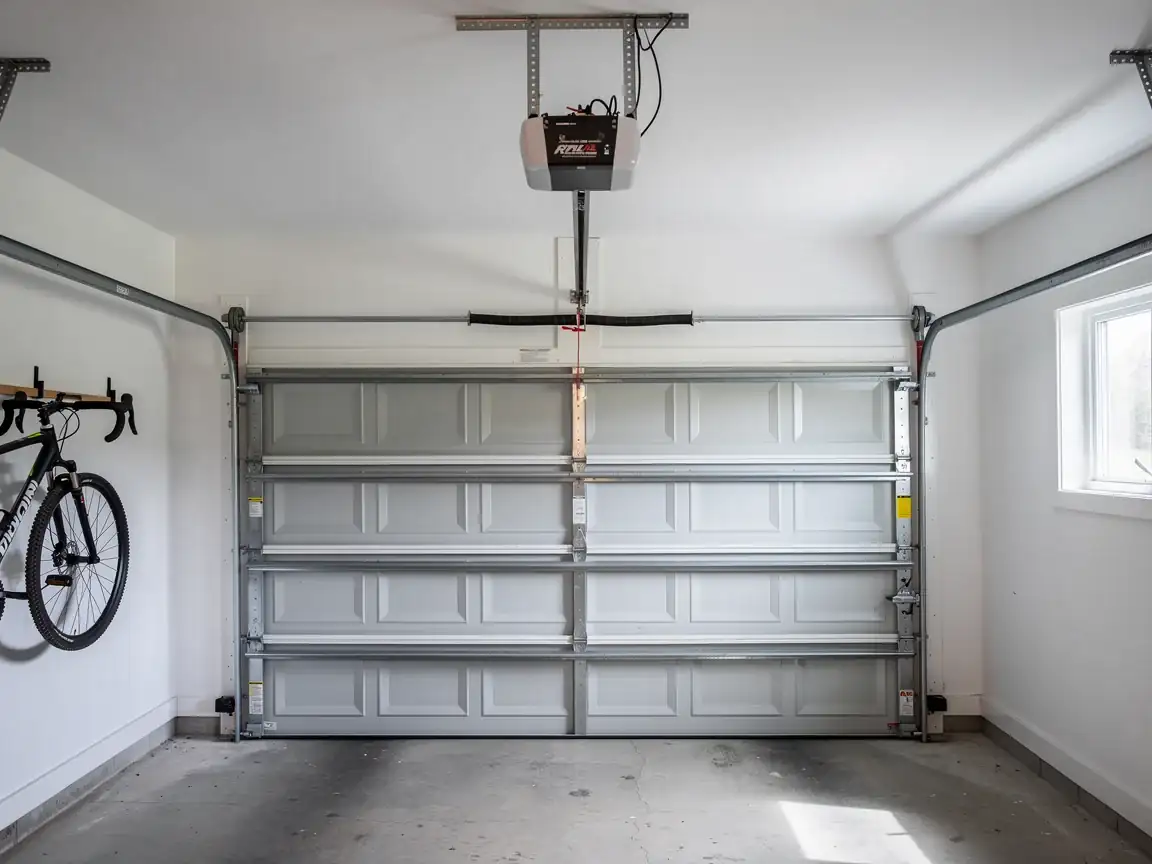
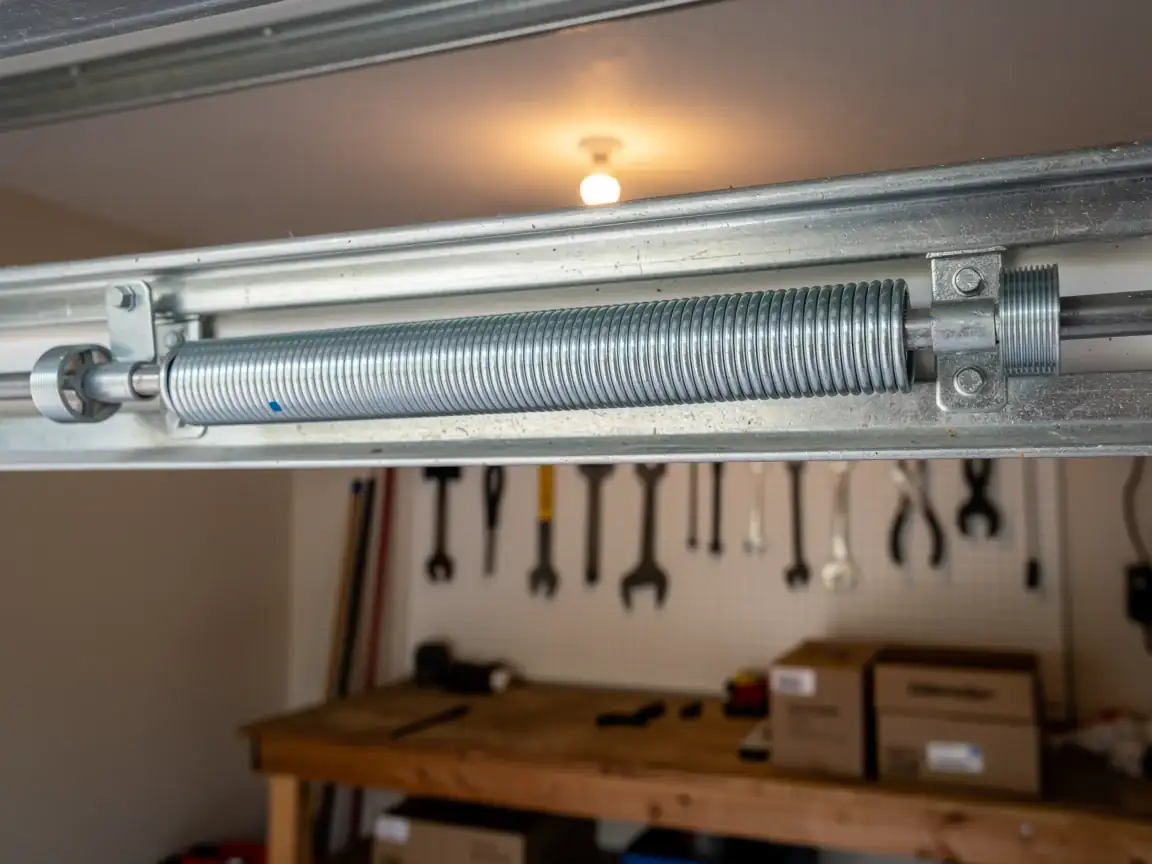
And a lot of Owasso is - the hardware doing the lifting is original or close to it. Torsion springs are rated for a set number of open-close cycles, and a door that's been part of daily life for two or three decades has usually burned through that count already. The symptom shows up as sudden failure, but the spring was dying slowly for months first.
A sagging bottom corner or a track that's pulled away from the wall is a different problem
Usually hardware fatigue or a cable that's starting to fray, not the spring. Both get worse fast once they start, so the gap between 'it's a little off' and 'it won't open' is shorter than most owners expect.
Why This Fails Locally
Owasso's climate sits in a cold-moderate band, which sounds mild until you factor in the swing days - warm in the afternoon, hard freeze by morning. Steel contracts in the cold, and a torsion spring that's already near the end of its cycle life loses a little more tension every time the temperature drops fast. That's why so many of these calls land in the colder months: the spring isn't failing because it's cold, it's failing because cold is the final stress on a part that was already worn thin.
Housing stock plays into it too. Most of the area was built from 1965 through 2005, with the bulk of that landing in the 1980s and 90s across the fourteen named sections of town and the surrounding stretch. That generation of garage door hardware - steel rollers, single-strand cables, galvanized torsion springs - wasn't built with today's cycle ratings in mind. A door from that era that's never been serviced is running on borrowed time, and the cold snap just happens to be what finishes the job.
Newer builds with nylon rollers and higher-cycle springs don't see the same failure pattern nearly as often. It's the older stock carrying most of this load.
What the Fix Involves
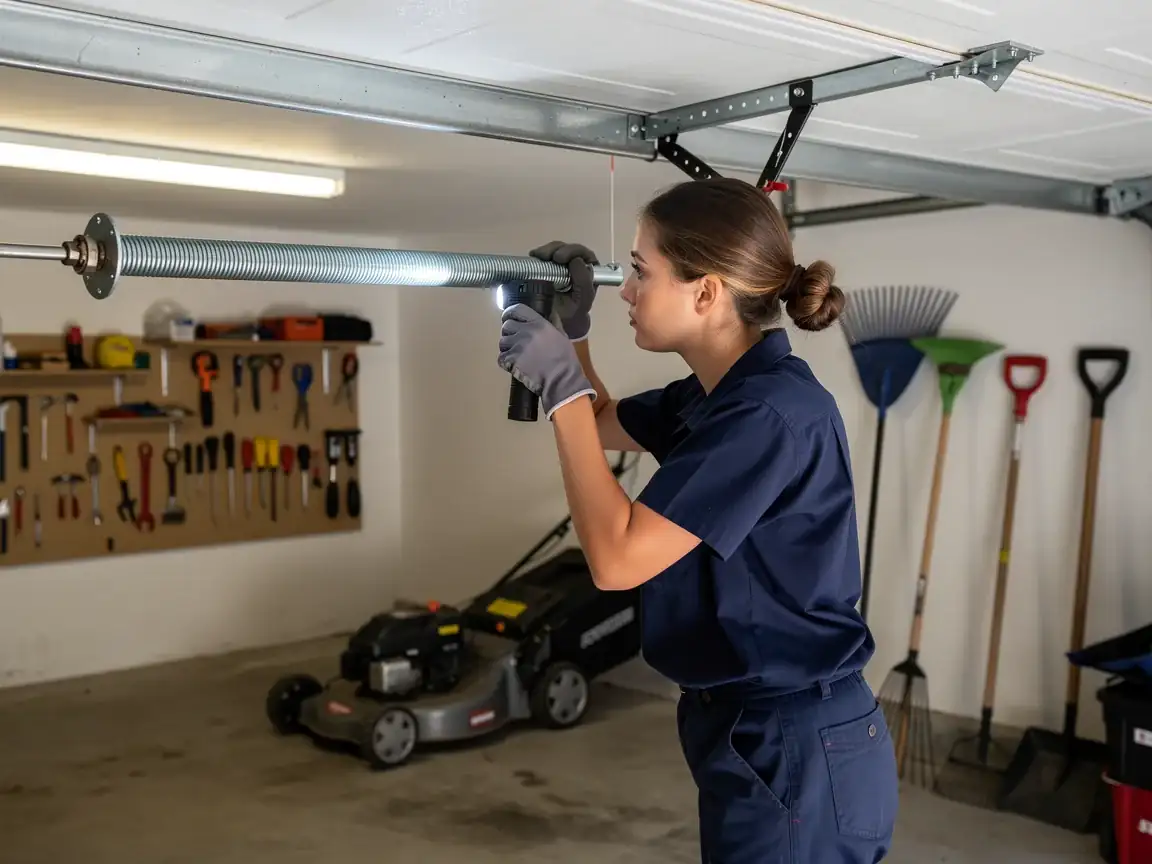
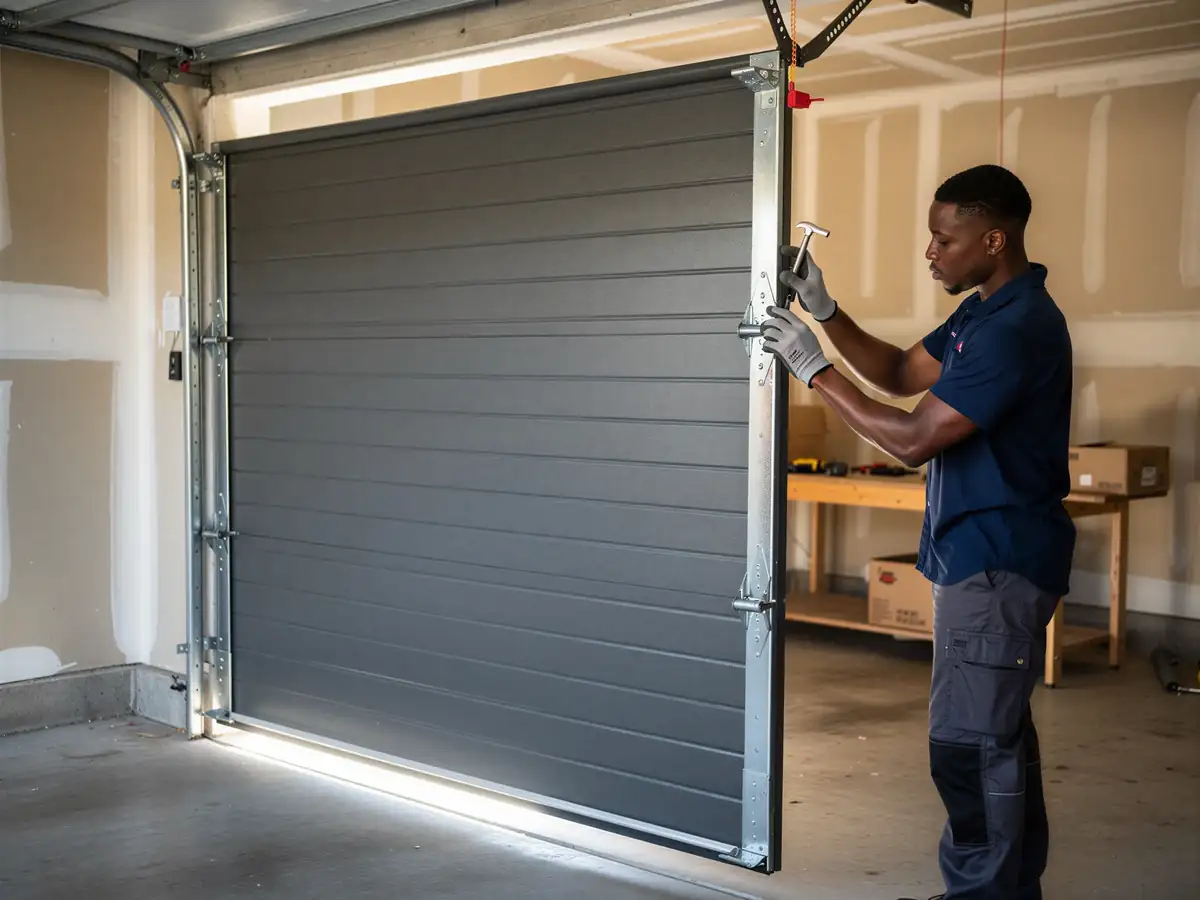
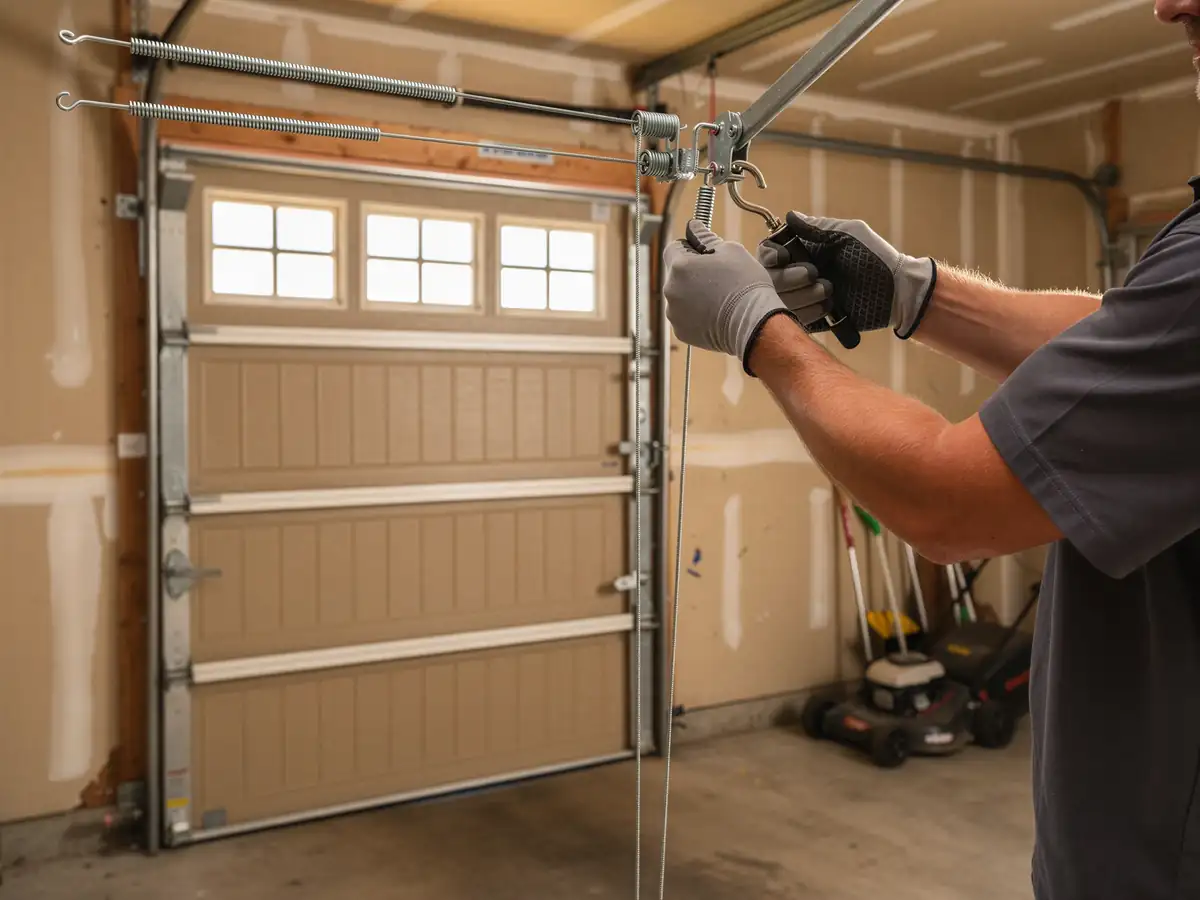
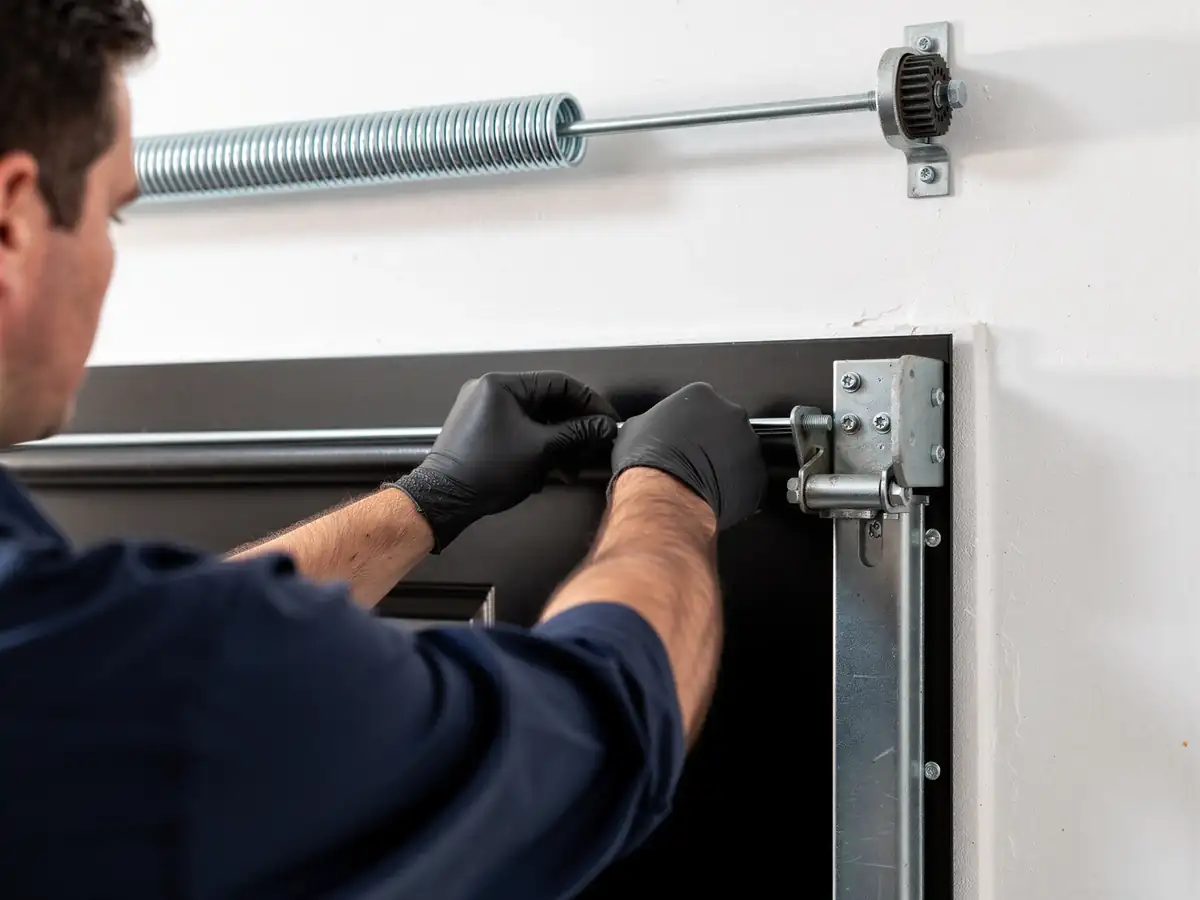
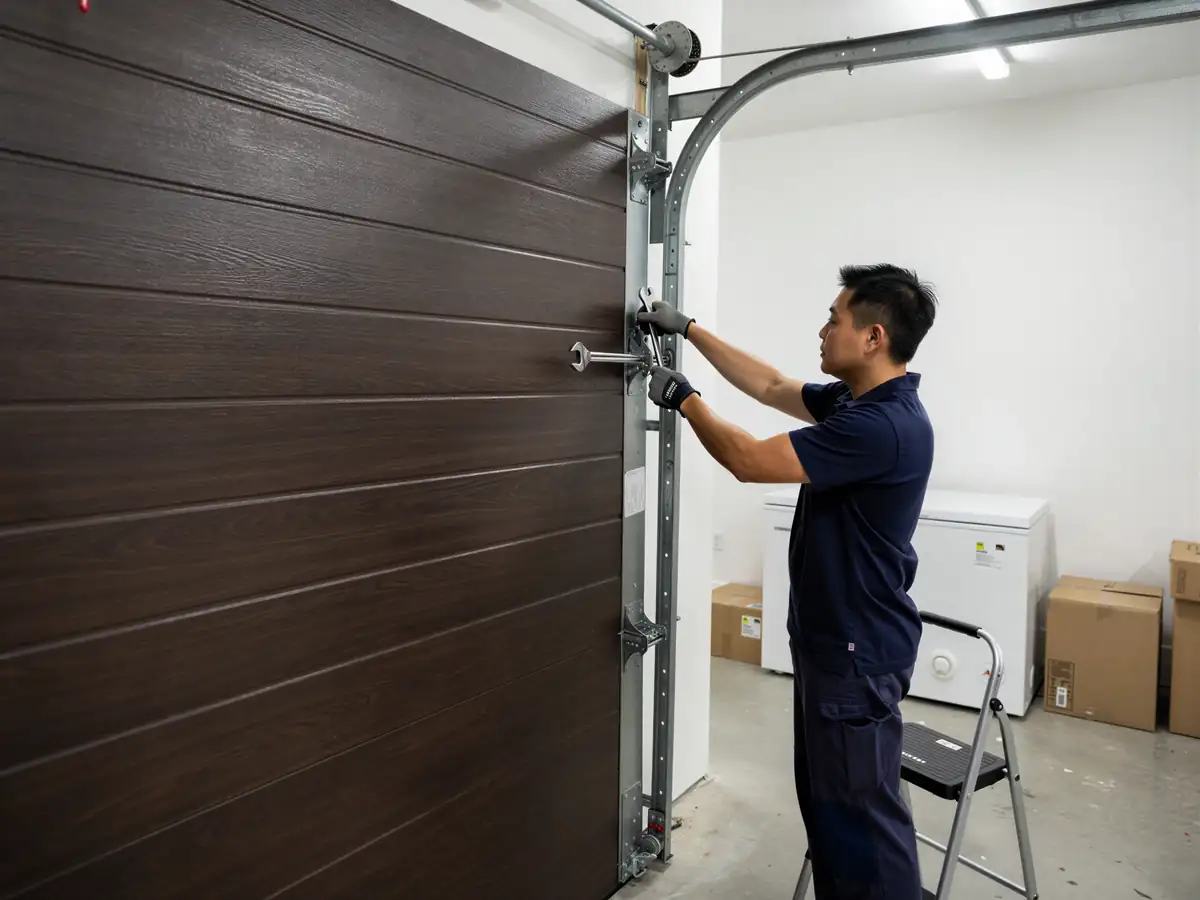
For a broken torsion spring, the job is a full spring swap matched to the door's weight and size - not a patch, since a spring that's snapped once has already told you its cycle life is over. We check the drums and cables at the same time, since a spring failure under tension can nick a cable on its way down and you don't want to find that out on the next call.
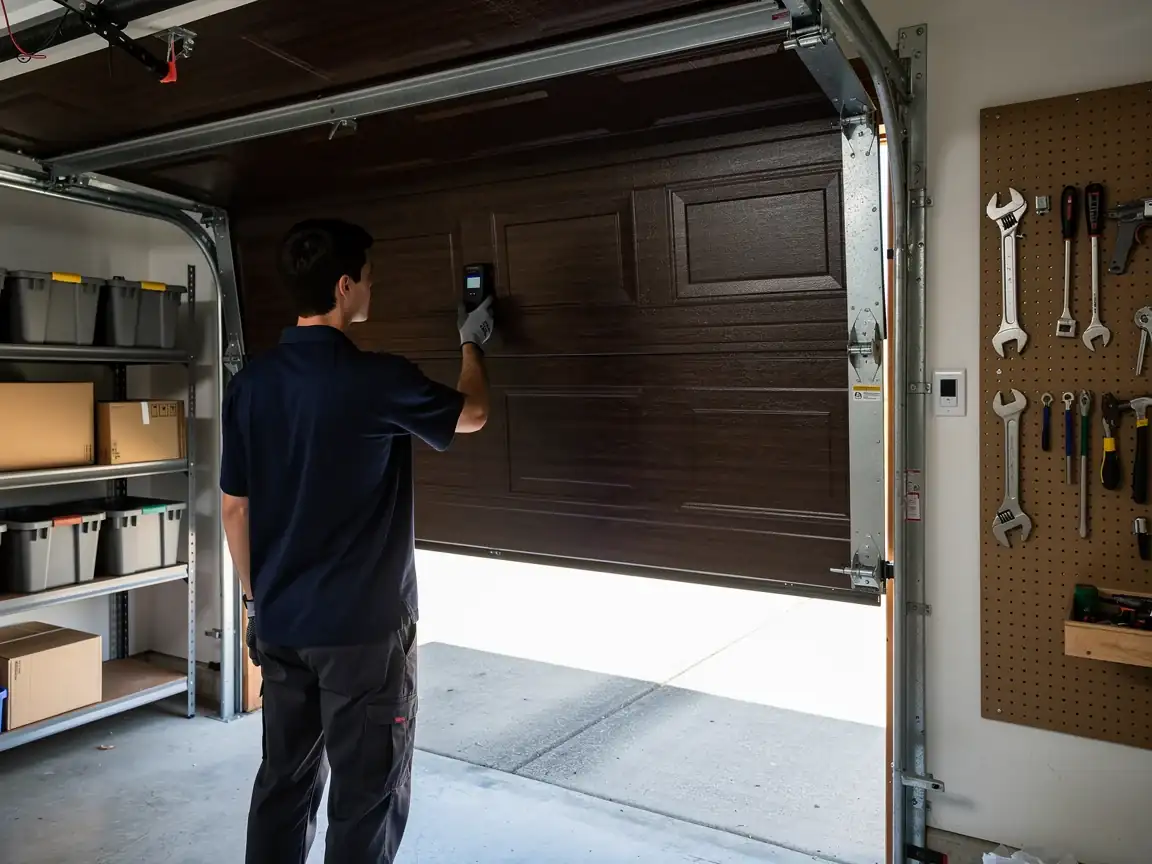
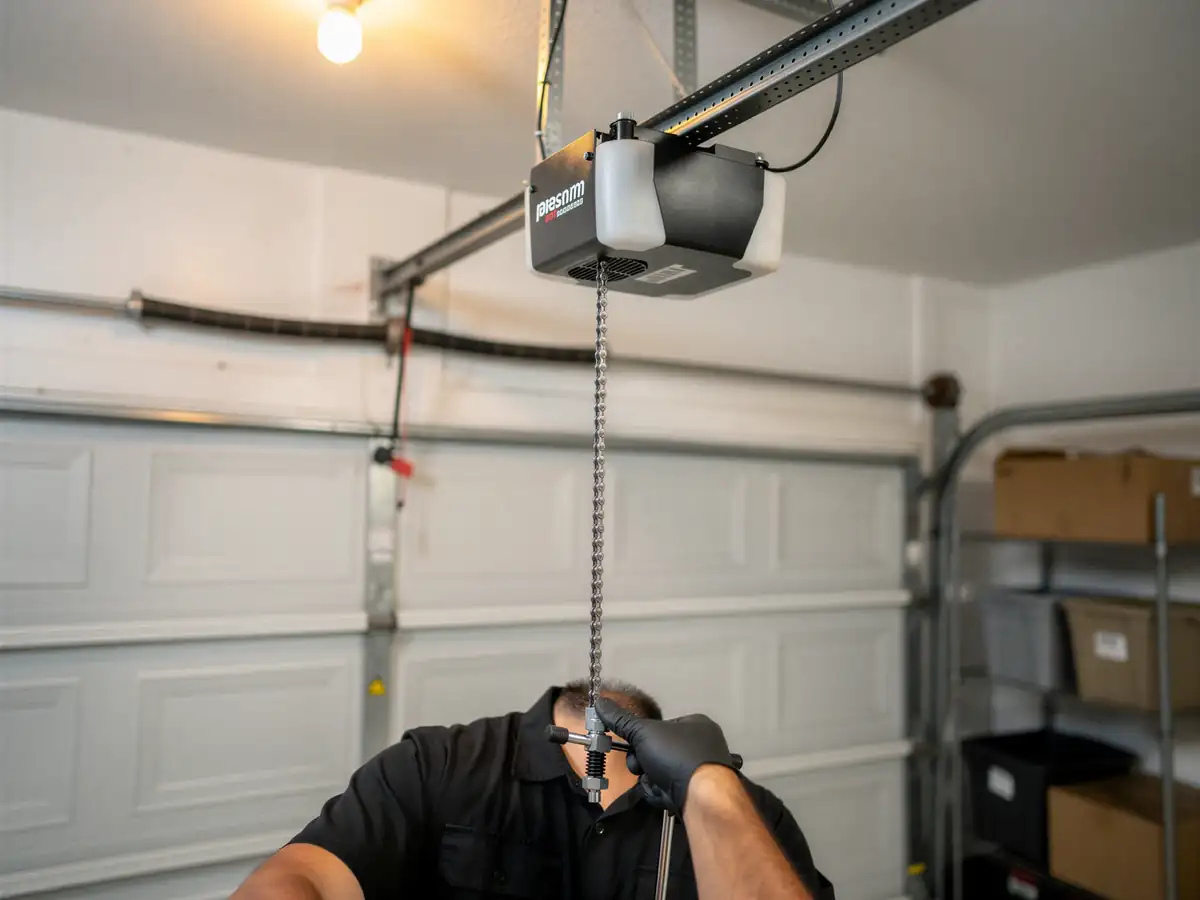
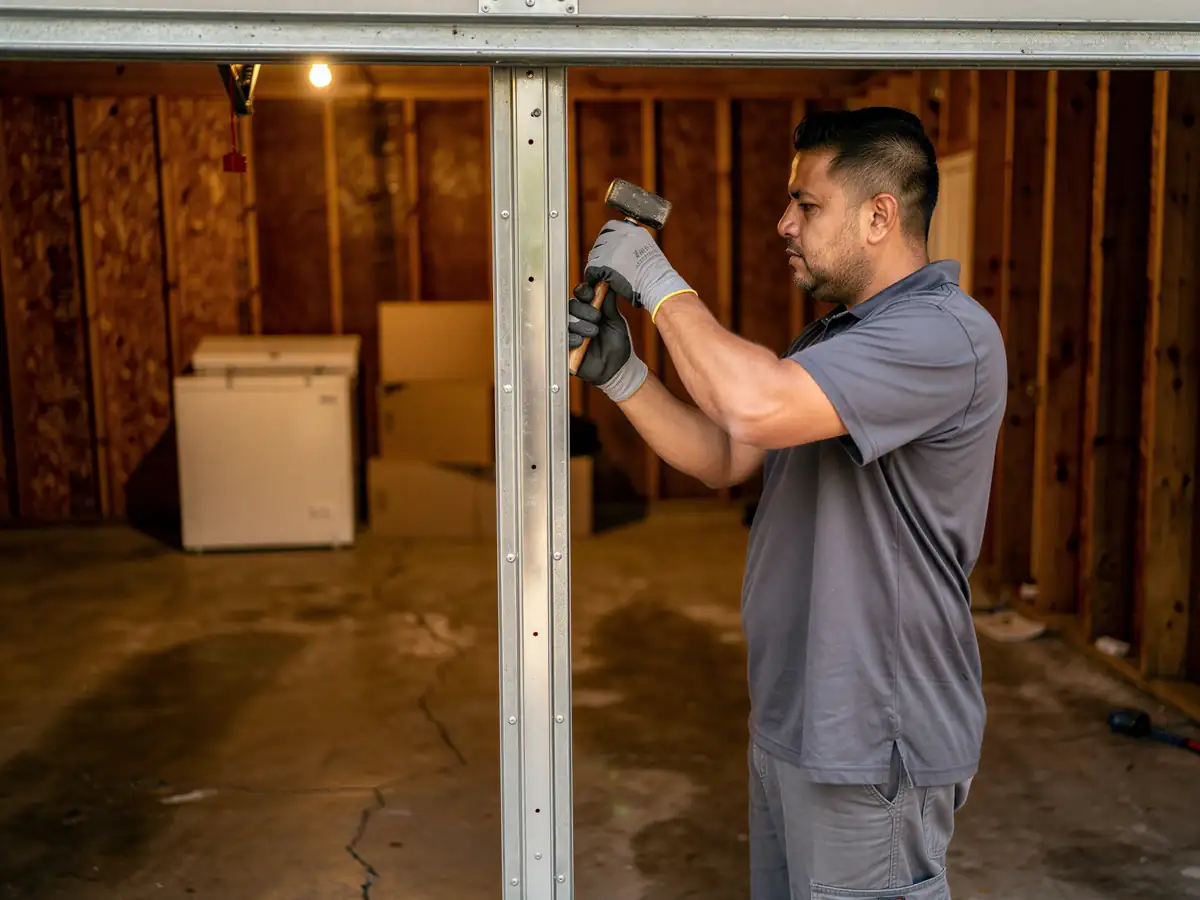
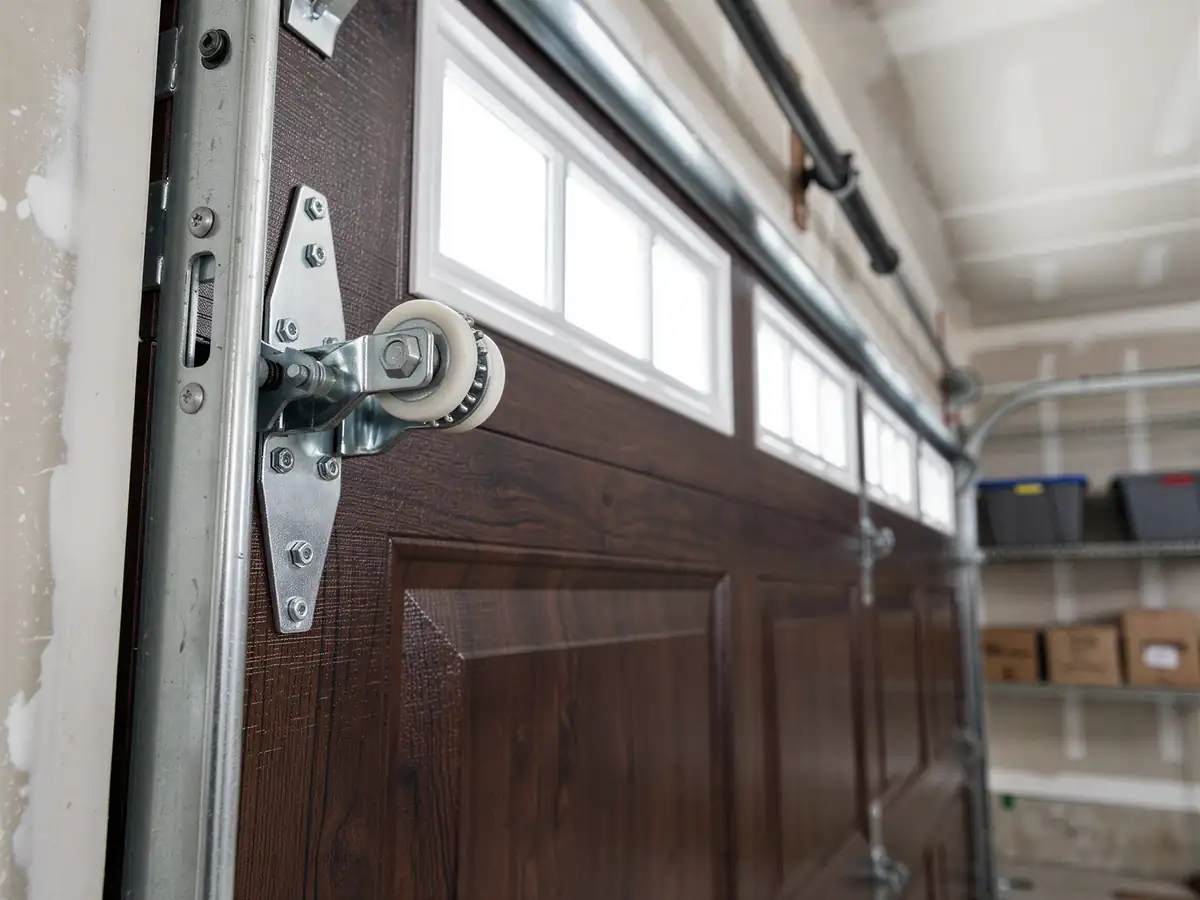
Worn rollers get replaced as a set, not one at a time - mismatched rollers put uneven load back on the track and you're back here in a year. If the track itself has pulled away from the frame, that's a bracket and alignment fix, and we check the opener's force settings afterward since a misaligned track often throws those off too.
Here's the honest limit: if your door is original to a house built in the earlier part of that 1965-2005 window, some decorative panel styles from that era aren't something we carry on the truck or can source quickly. In that case, we'll tell you straight whether a panel swap makes sense or whether the door's old enough that full replacement is the better dollar.
How Long It Takes
Spring and roller jobs are the most predictable repairs we do
Once we know the door's weight and spring type, the work itself doesn't vary much. What varies is parts. A standard torsion spring sized for a common double door is something we usually carry. A spring or panel sized for an older or less common door from the earlier end of that 1965-2005 build window sometimes isn't, and that's where a job can run longer than expected.
Cold weather doesn't slow the repair down
But it does mean we're often working against a door that's already lost more tension than it would in warmer months, so we check the whole system - not just the broken part - before we call the job done. A new spring on a door with worn-out rollers or a frayed cable is a repair that fails again soon, and nobody wants a second call for a problem that should've been caught the first time.
If parts need to be ordered, we'll tell you that up front rather than guess at a timeline we can't back up