What the Fix Involves
Skiatook is a smaller piece of our service area than some of the other towns we cover
About 3,269 households, compared to roughly 29,977 across the whole territory. That matters for opener work because a town this size doesn't have five garage door outfits fighting over every call; it has one or two, and most of us are driving in from somewhere else. We come from Owasso, 7 miles out, which is a quick trip, not a same-neighborhood one, so we try to diagnose as much as we can before the truck leaves.
- 3,269 households
- 7 miles
Opener repair here usually means one of a short list of jobs
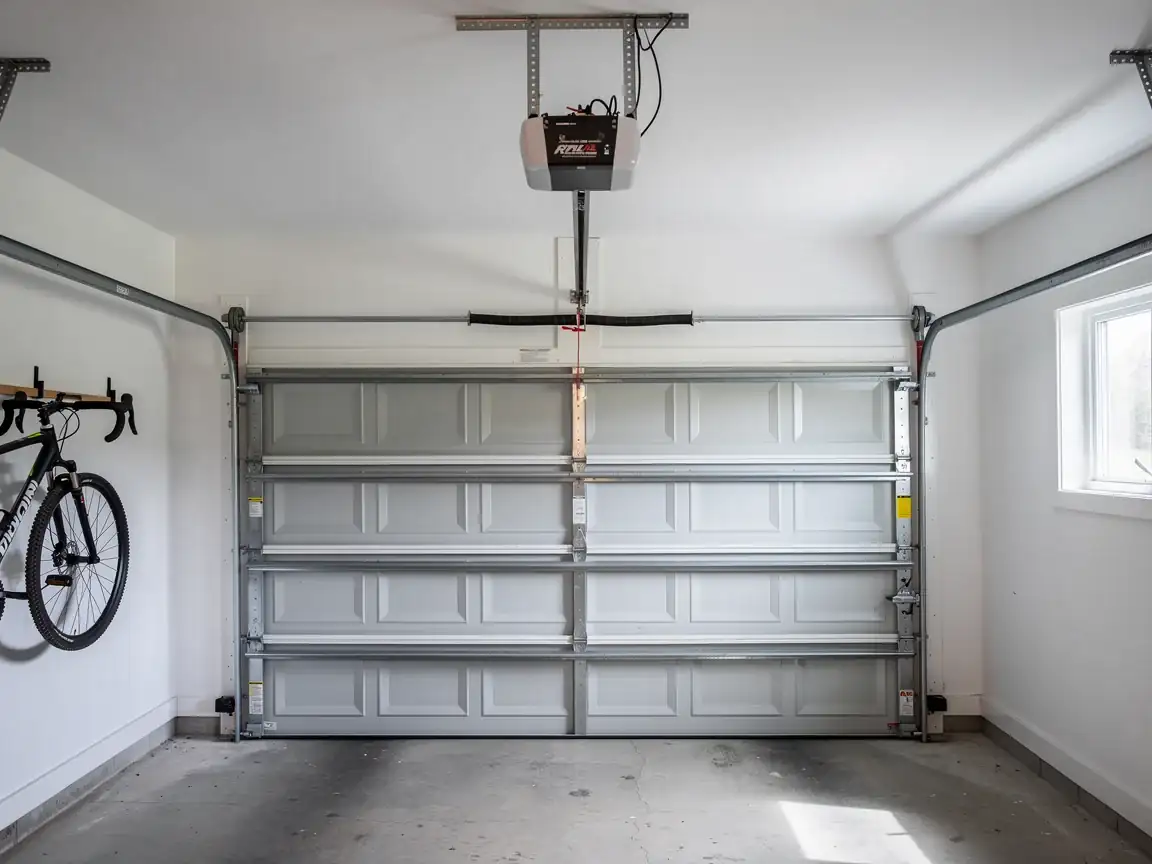
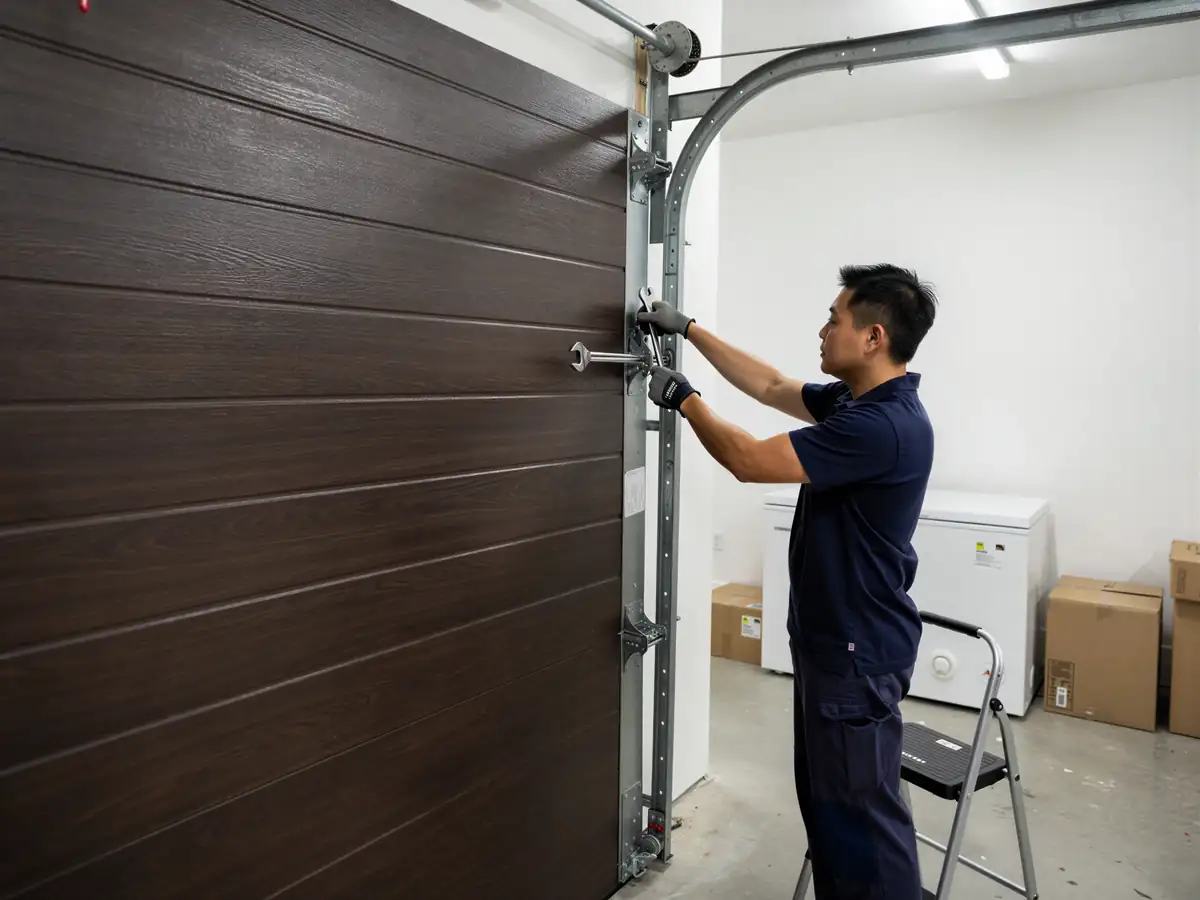
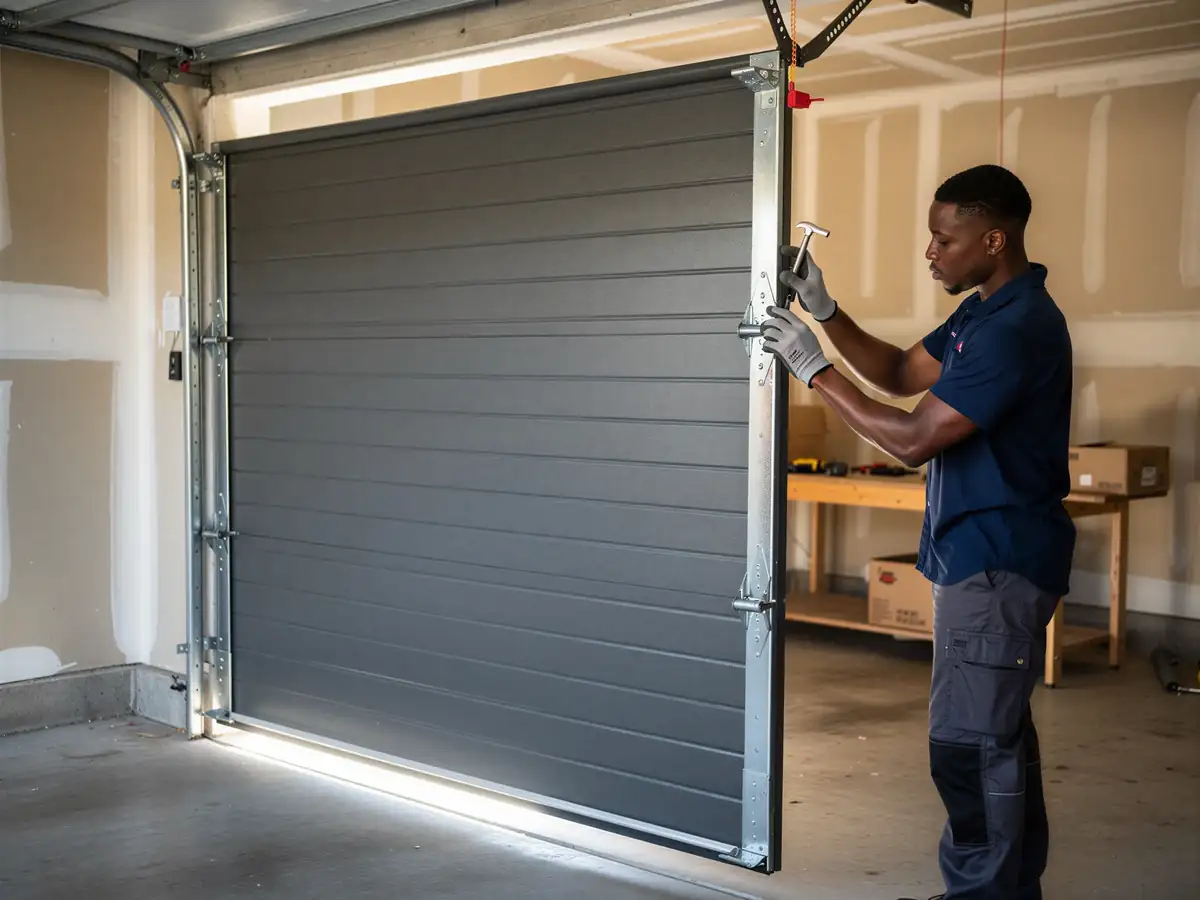
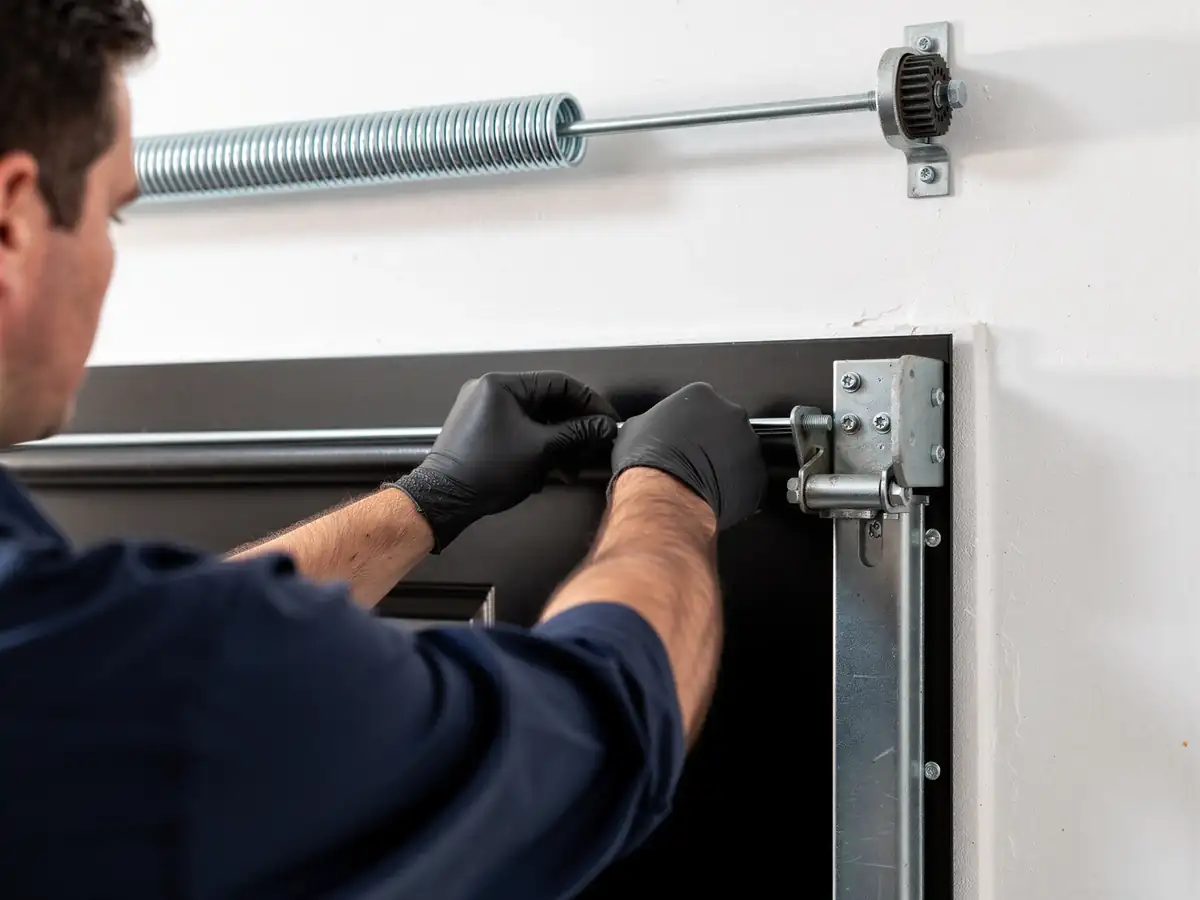
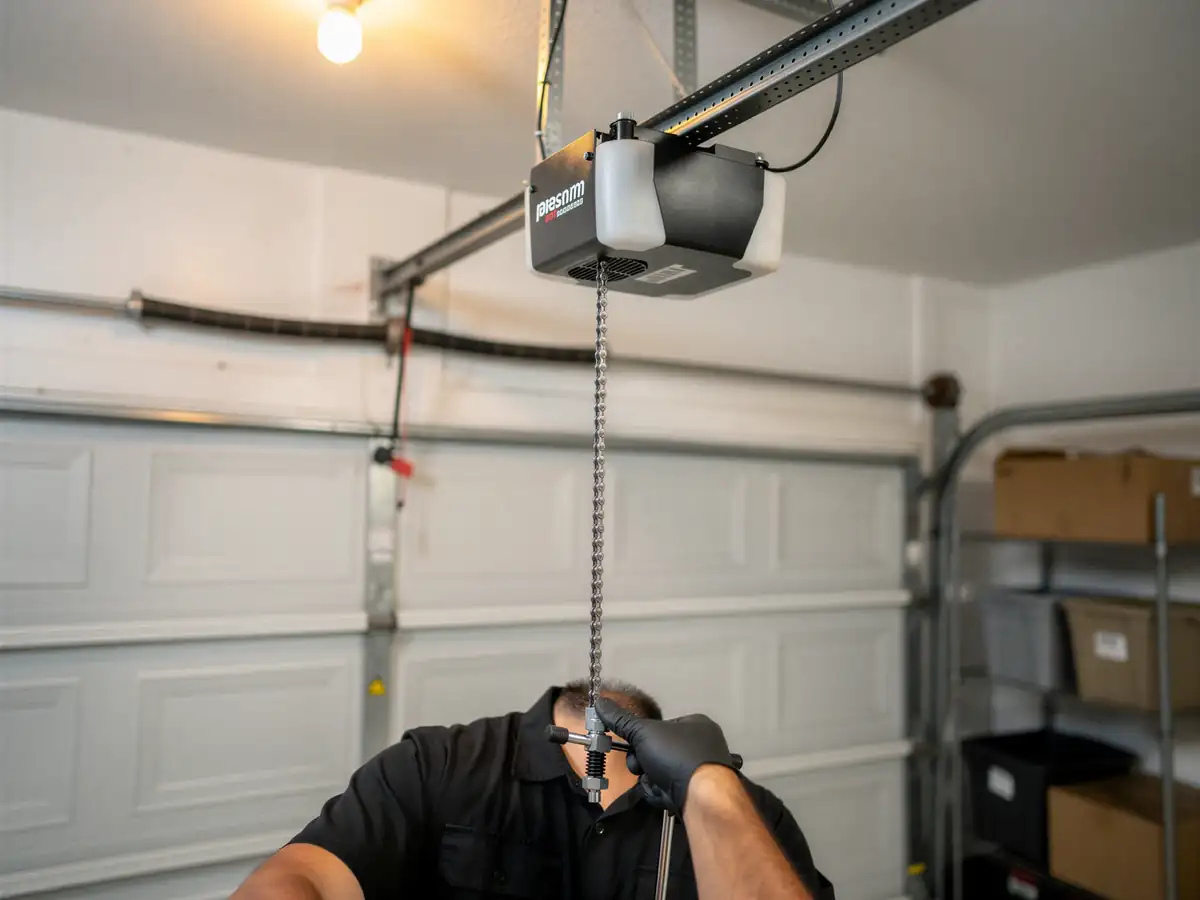
Replacing a stripped gear in the drive unit, swapping a dead logic board, resetting or rewiring safety sensors that got bumped or corroded, or pulling an opener that's simply worn out and putting in one sized right for the door. We don't guess at the diagnosis over the phone, but we also don't show up and start replacing parts at random - we check the drive first, then the board, then the sensors, in that order, because that's where the failures actually cluster on the units we see out this way.
What You Are Seeing
The door won't respond to the remote but will move from the wall button - that's almost always the remote's battery or the receiver antenna, not the motor. A grinding or slipping sound with no real lift is a stripped gear inside the opener housing, a known failure point on the chain and belt-drive units that were common in this build era. Lights blink and the door reverses before it closes: that's the safety sensor pair, usually knocked out of alignment or fogged with moisture. And an opener that runs but the door barely moves points to the drive gear or the opener simply being undersized for the door it's lifting - common when a heavier insulated door got put on an older, lighter-duty opener.
Why This Fails Locally
Housing across the service area runs 1965 to 2005, with a median build year of 1986, and Skiatook's own housing lines up with that same 1986 median. That means a lot of openers out here are either the original units from a late-80s build or a straightforward one-for-one replacement installed sometime since - chain-drive, half-horsepower, with control boards that were never designed to run a Wi-Fi app or a rolling-code remote. When those boards finally fail, they fail the way 30-plus-year-old electronics fail: fine one day, dead the next, no warning. We also see this climate's effect on these units directly - cold winters work the lubricant in the drive gear and the grease in the trolley assembly harder than a mild climate would, which is part of why the gear-strip failure shows up as often as it does on houses from this era.
The Complications
An opener installed in the mid-80s to mid-90s often doesn't have a matching control board still in production
When the board goes, the honest options are a universal replacement board that may not fit the housing cleanly, or a full opener swap. We'll tell you which makes more sense once we're looking at the actual unit - sometimes a $40 board buys another decade, sometimes the housing and drive are far enough gone that spending on the board is wasted money.
Safety sensor wiring is another one
Houses built before sensor-alignment standards tightened up sometimes have the sensors run through conduit that wasn't meant to be reopened, which turns a 15-minute sensor swap into a longer rewiring job. We flag that before we start, not after.
Can You Do This Yourself
Realigning a sensor or replacing remote batteries is a fair DIY job - no tools beyond a screwdriver, no real risk. Replacing the drive gear or the logic board inside the opener housing is a different matter: you're working near a spring-loaded system and a motor with stored torque, and the part numbers on openers from this era aren't always easy to match online. If the opener is original to a mid-80s build, we'd rather look at it in person before anyone orders a part that doesn't fit.
Parts We Carry
We stock replacement drive gears, logic boards, and safety sensor pairs that cover the chain and belt-drive openers most common on houses from the 1965-2005 build range this area falls into. For openers old enough that an exact board match isn't available anymore, we carry universal control boards as a fallback. We don't keep every obsolete part on the truck for every opener ever sold - on rare models we may need to order a specific gear or board, and we'll tell you that up front rather than make a second trip look like bad planning.