What You Are Seeing
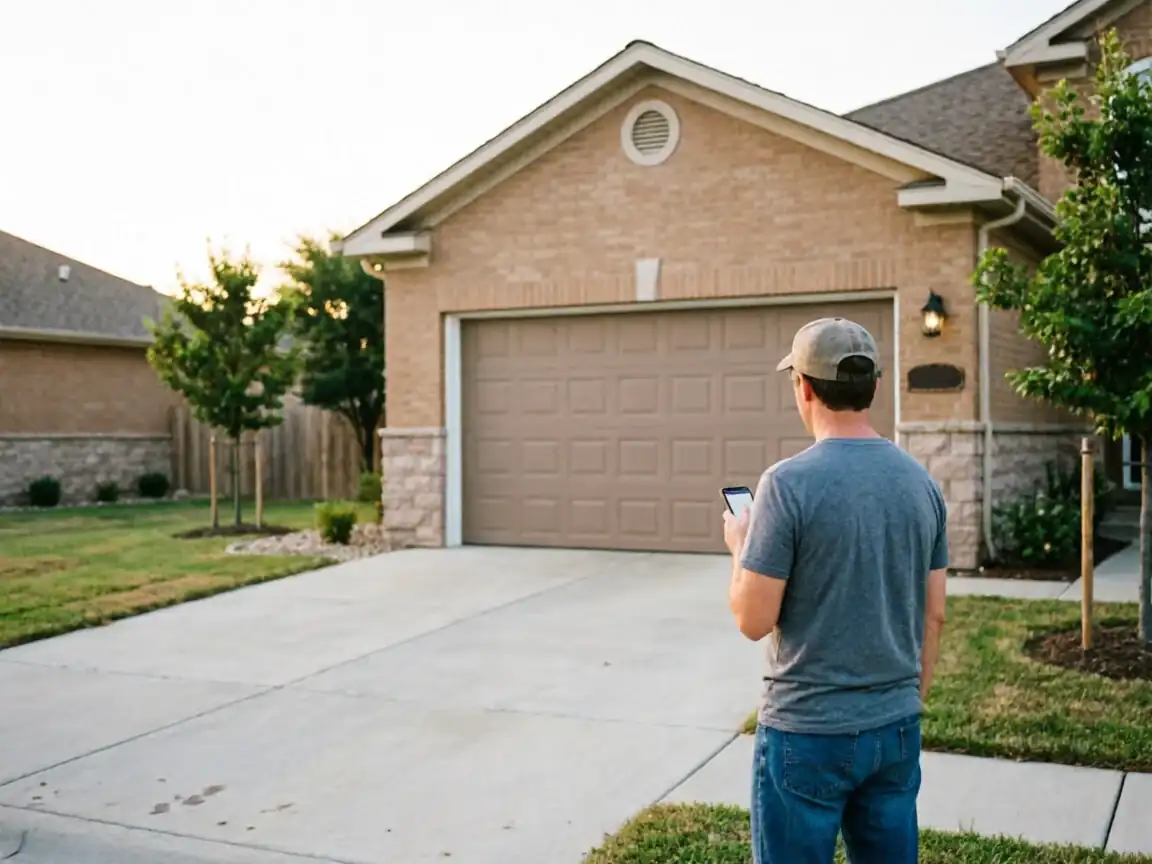
You hear a grind or a bang when the door starts moving
It jerks instead of gliding, or it stops a foot off the ground and refuses to go further. Maybe the opener runs but the door doesn't move, or one side drops faster than the other and the whole panel racks sideways in the track. On colder mornings it might not open at all until the garage warms up a little.
These are not random
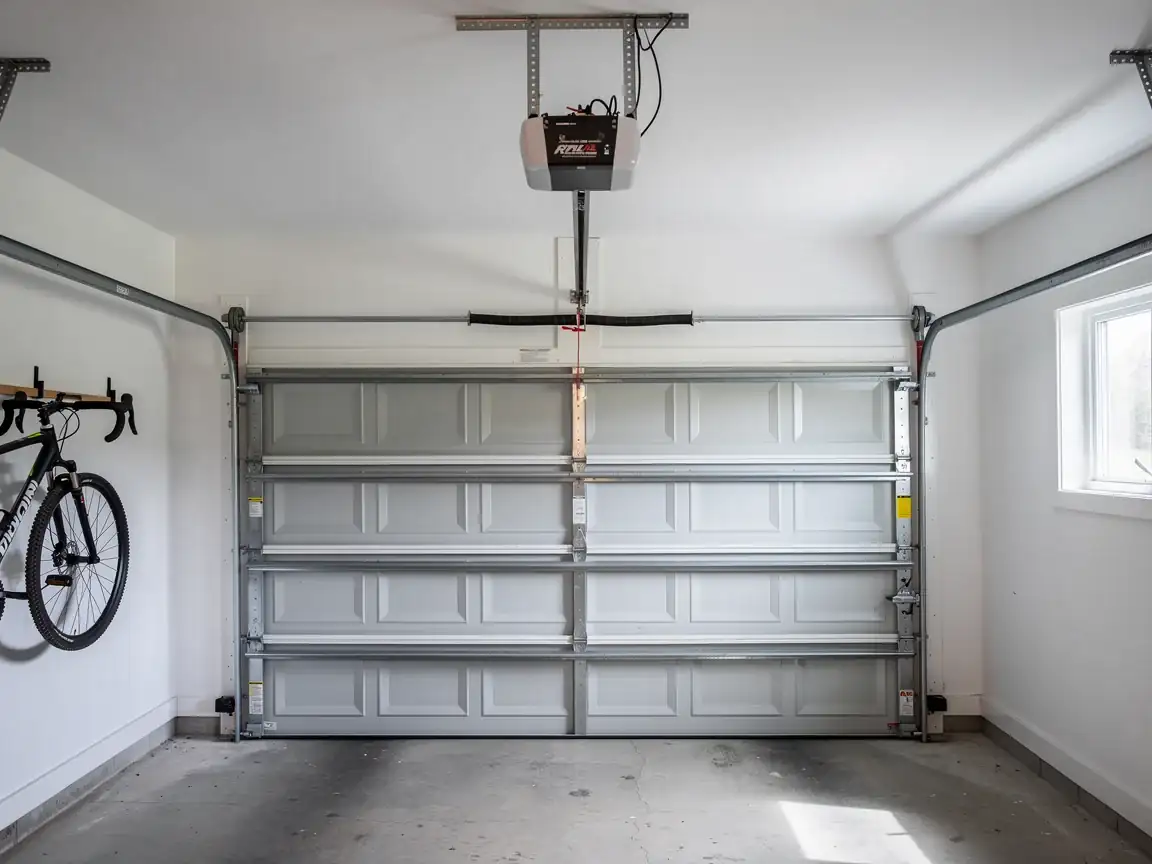
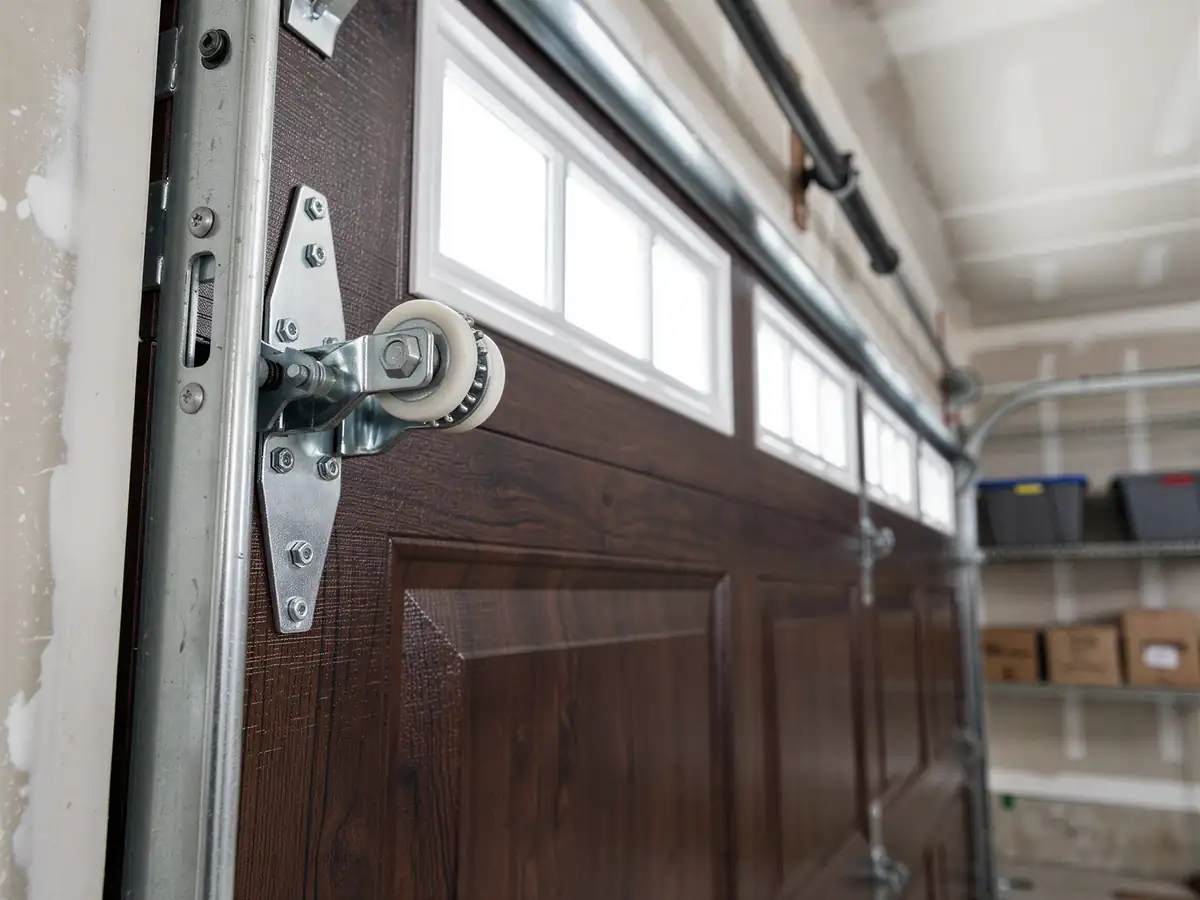
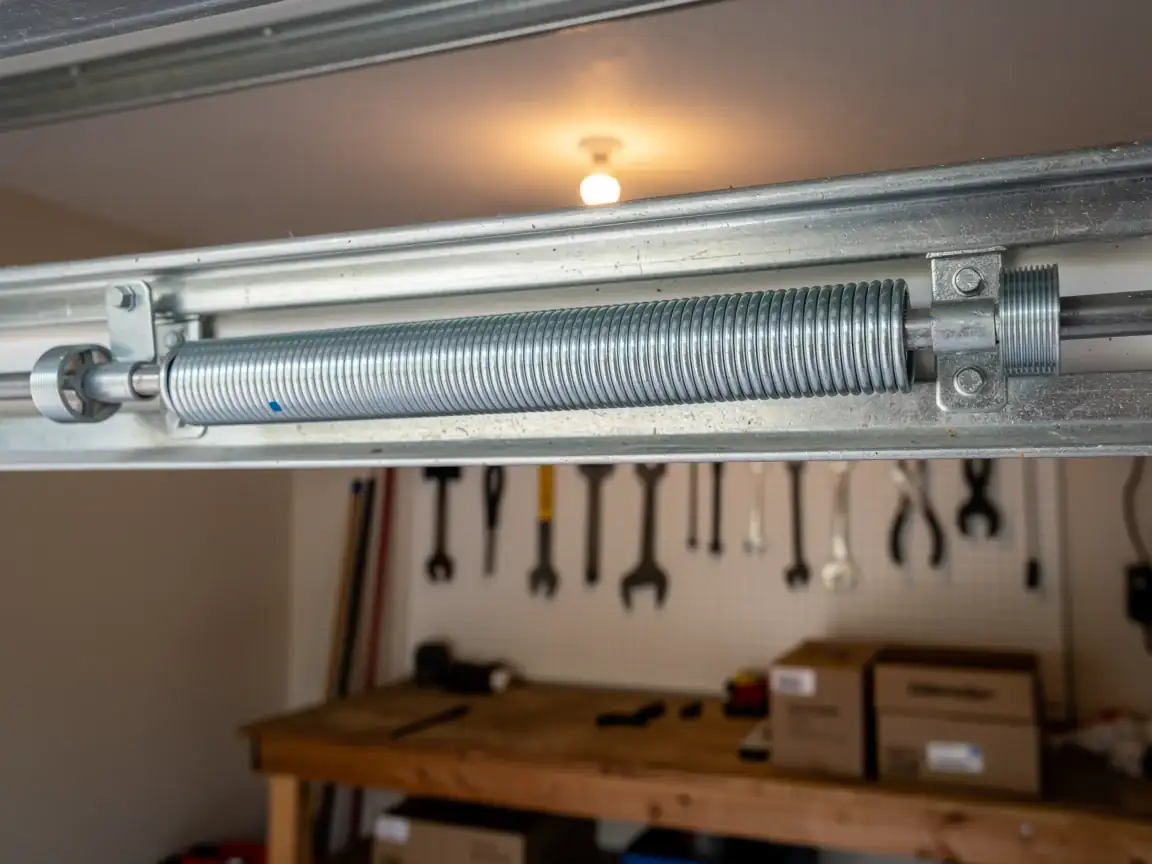
Most of Owasso's housing went up between 1965 and 2005, with the bulk of it dating to the 1980s and 90s across the area's established neighborhoods. A door installed when a house was built in 1986 is now pushing forty years old, and the torsion springs, rollers, and cable drums on it were never meant to last that long. Original steel rollers wear oval instead of round. Springs lose coil tension cycle by cycle until one day they don't have enough left to lift the door. None of this shows up as a single dramatic failure - it shows up as the small symptoms above, for months, before the day it stops working entirely.
Why This Fails Locally
Two things compound here. First is age: a door built into a house from the 1986 median isn't rare in Owasso, it's typical, which means a huge share of doors across the service area's 14 named neighborhoods are sitting at or past the point where original hardware is expected to fail. Second is the climate. Owasso sits in a cold-moderate band, and steel contracts in winter. A torsion spring that's already down a few coils of tension has less margin to work with when the metal itself is stiffer and the grease in the rollers and hinges thickens up.
That combination is why a door that's been merely noisy for a year can go from annoying to broken on the first hard cold snap of the season - the spring finally gives out at the exact moment the mechanism is working hardest against the cold. It isn't bad luck. It's a 1986-era door meeting a January morning, and it happens to a predictable share of the roughly 16,948 owner-occupied houses in this area every year.
What the Fix Involves
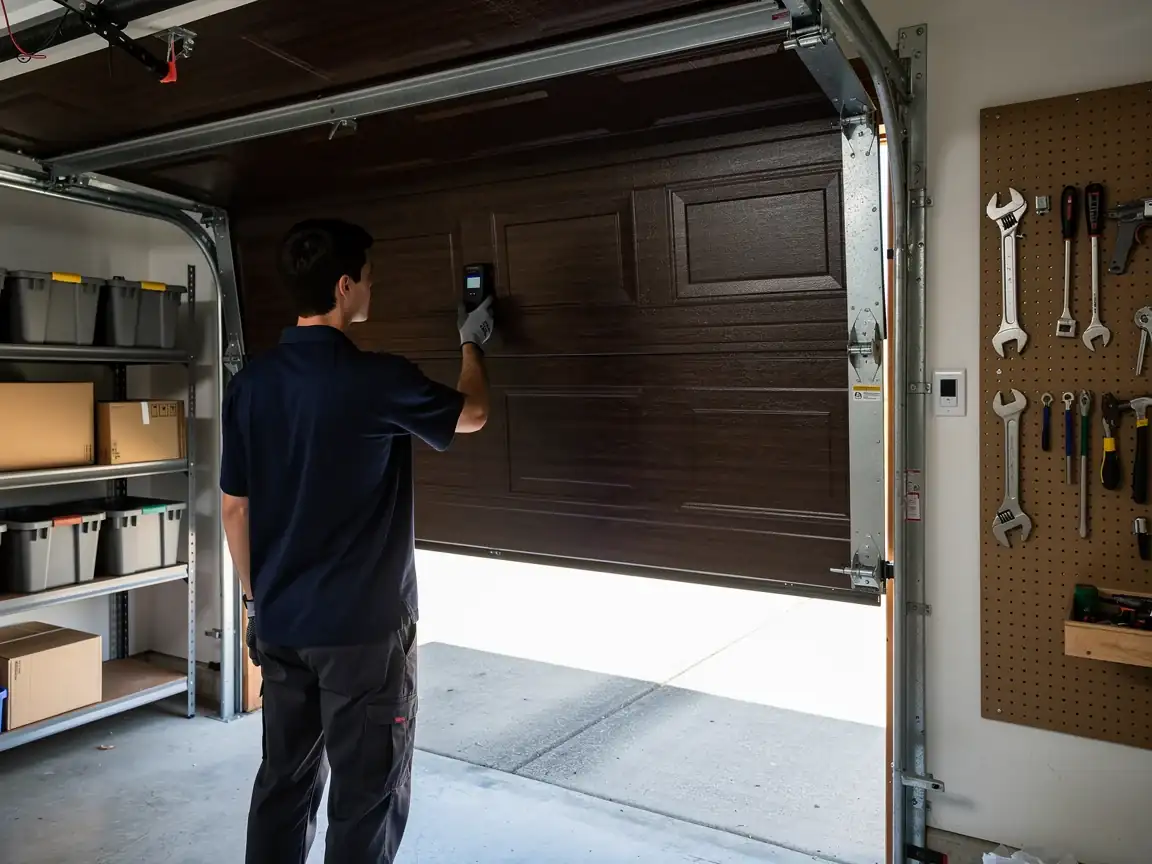
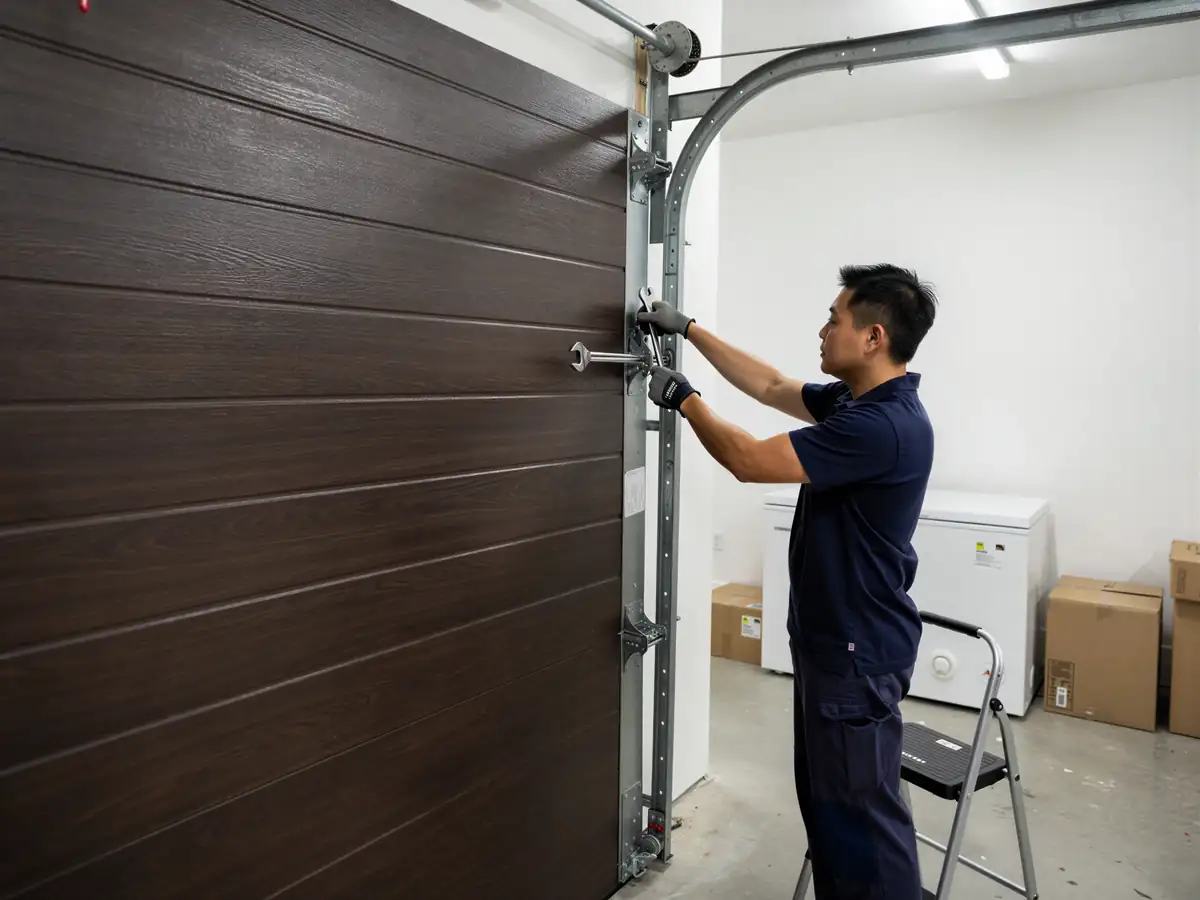
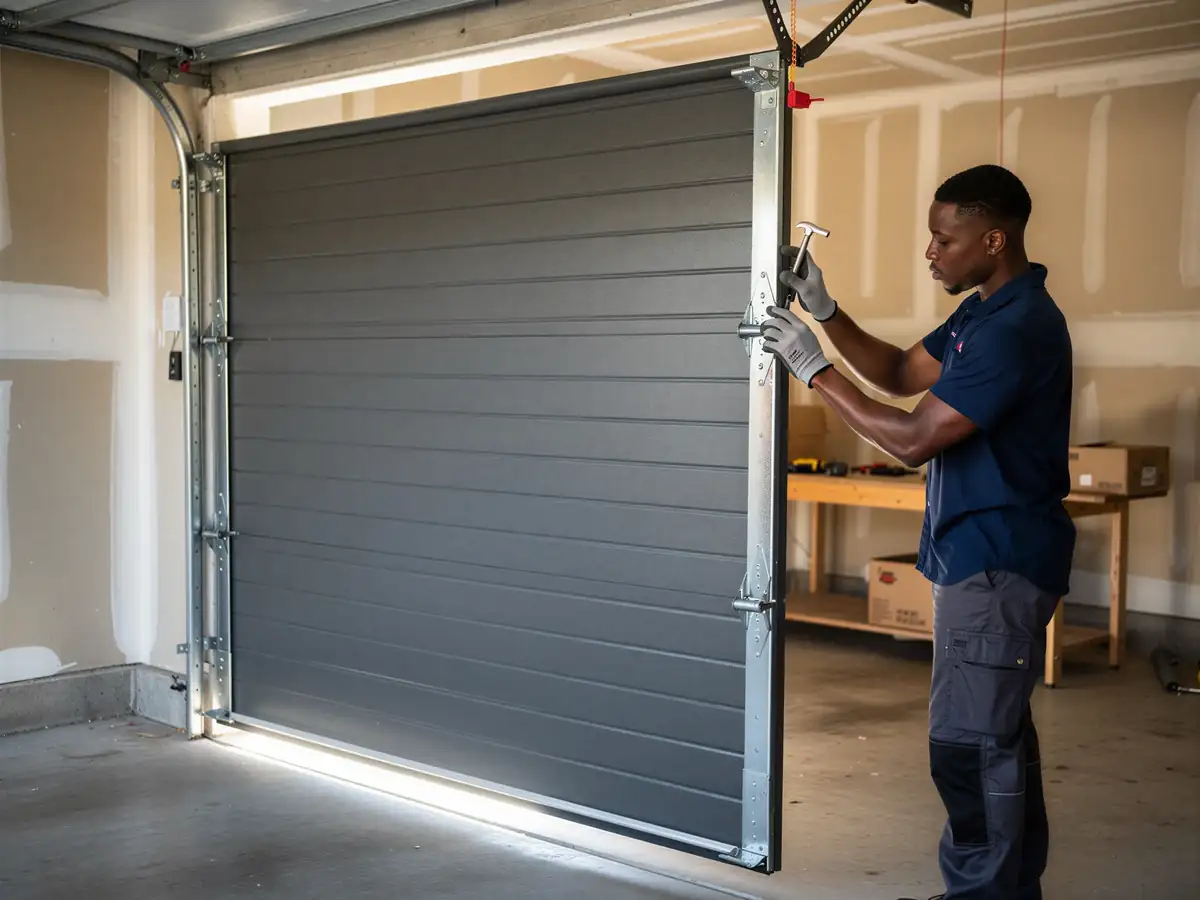
We start by cycling the door and watching where it binds, sags, or hesitates - that tells us whether we're looking at spring tension, worn rollers, a stretched cable, or a track that's walked out of alignment over the years. On a door this age, it's rarely just one part; springs, rollers, and cables wear on roughly the same timeline, so replacing one and ignoring the others close to failure just moves the next breakdown a few months out.
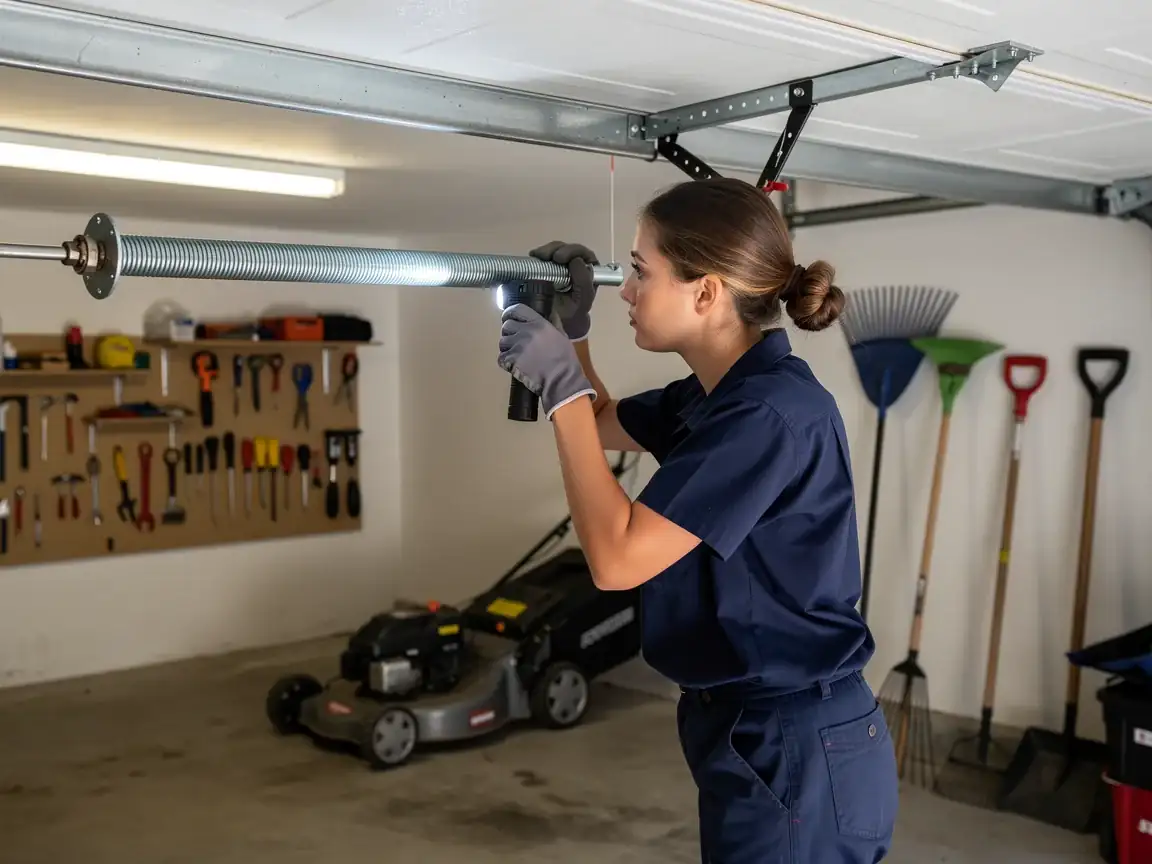
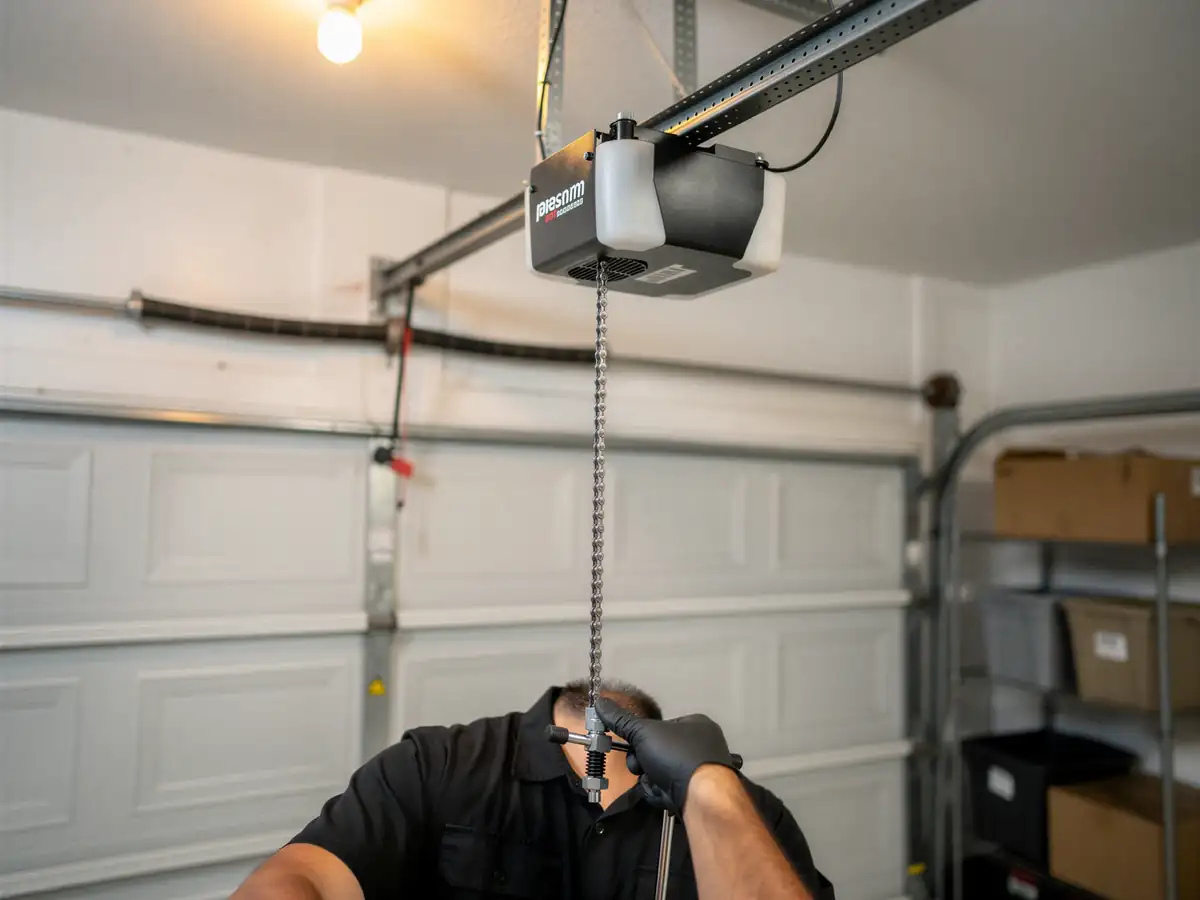
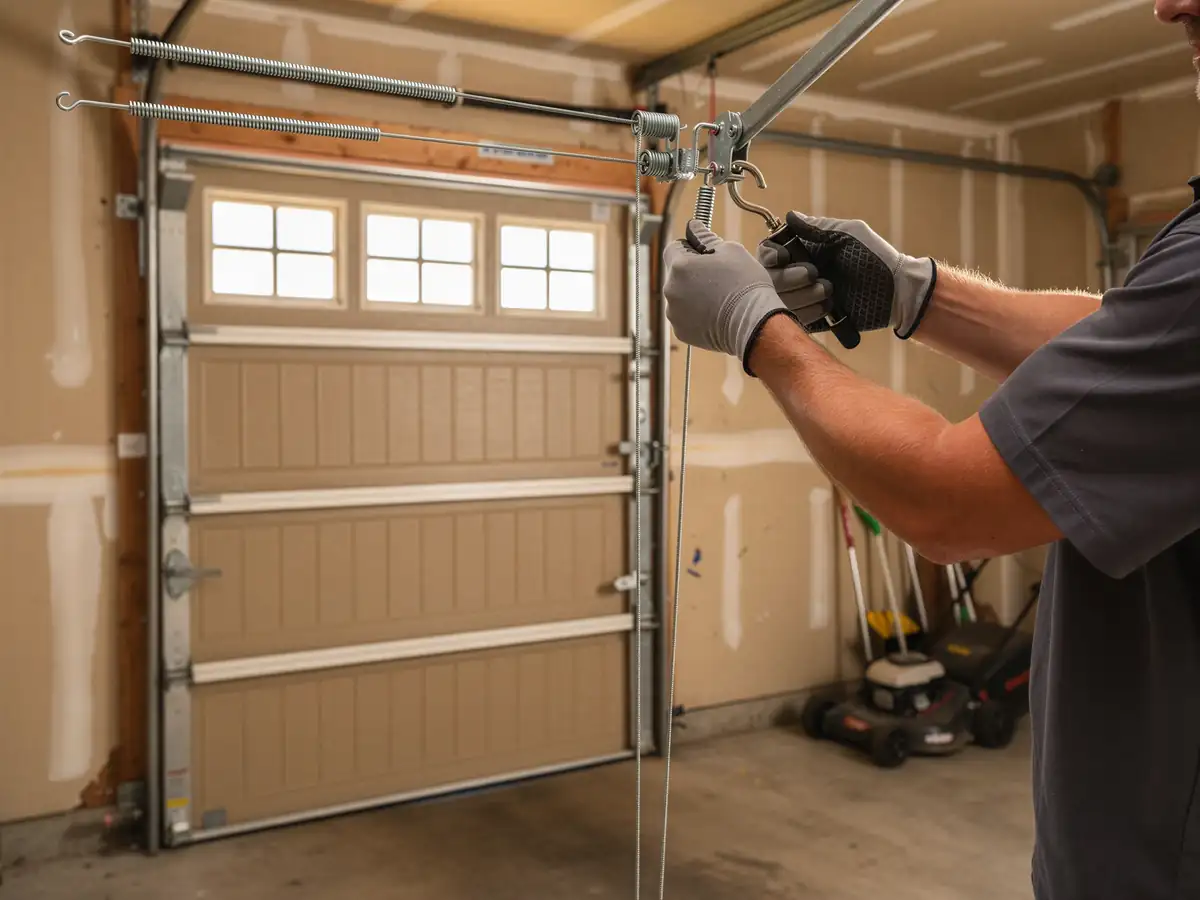
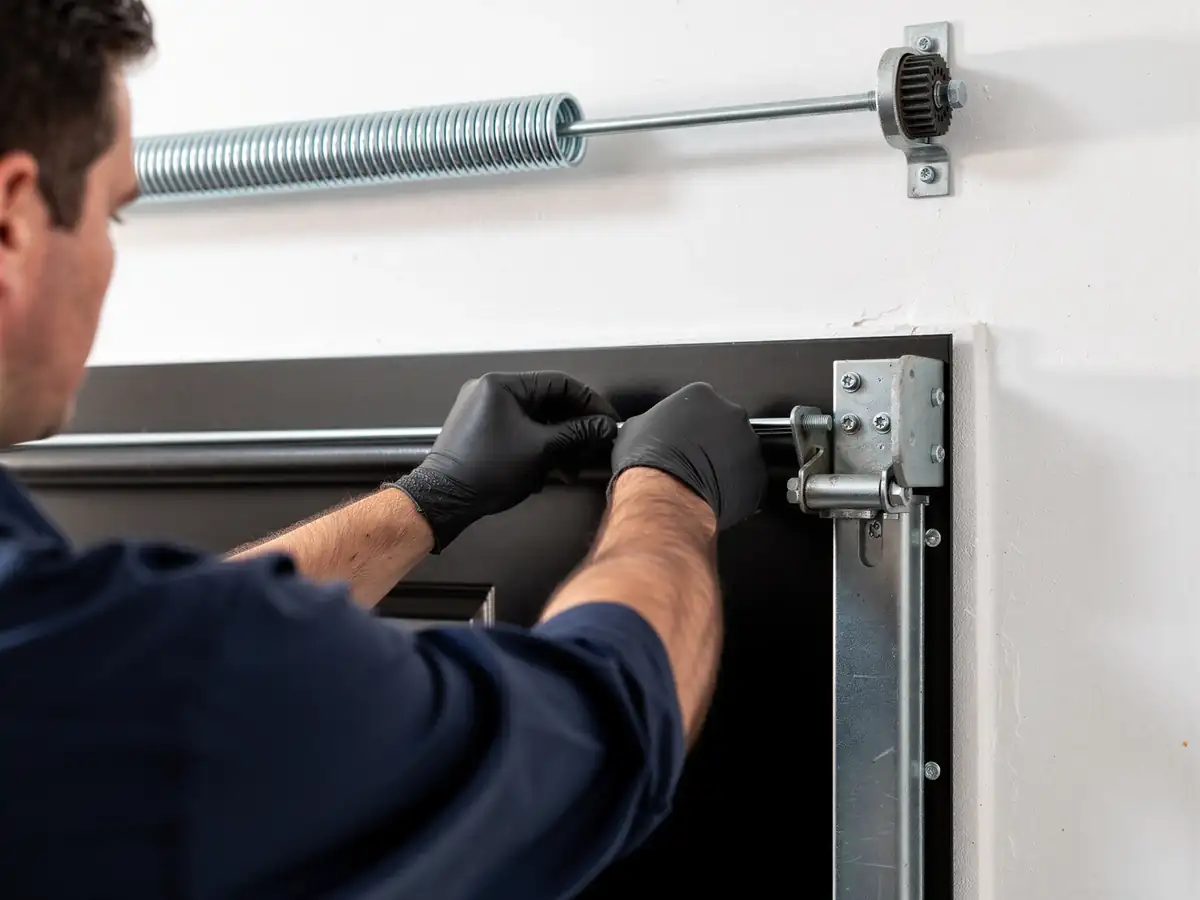
We'll quote spring replacement with matched tension for your door's weight and size, swap worn rollers for sealed ball-bearing ones that handle cold better than the original stamped steel, and check cable drums and track alignment while we're in there. If the opener itself is original to the house, we'll test the logic board and drive mechanism separately - those don't always fail on the same schedule as the springs, and we won't replace a working opener to pad the job.
How Long It Takes
A straightforward spring and roller job on a residential door is usually a same-visit repair
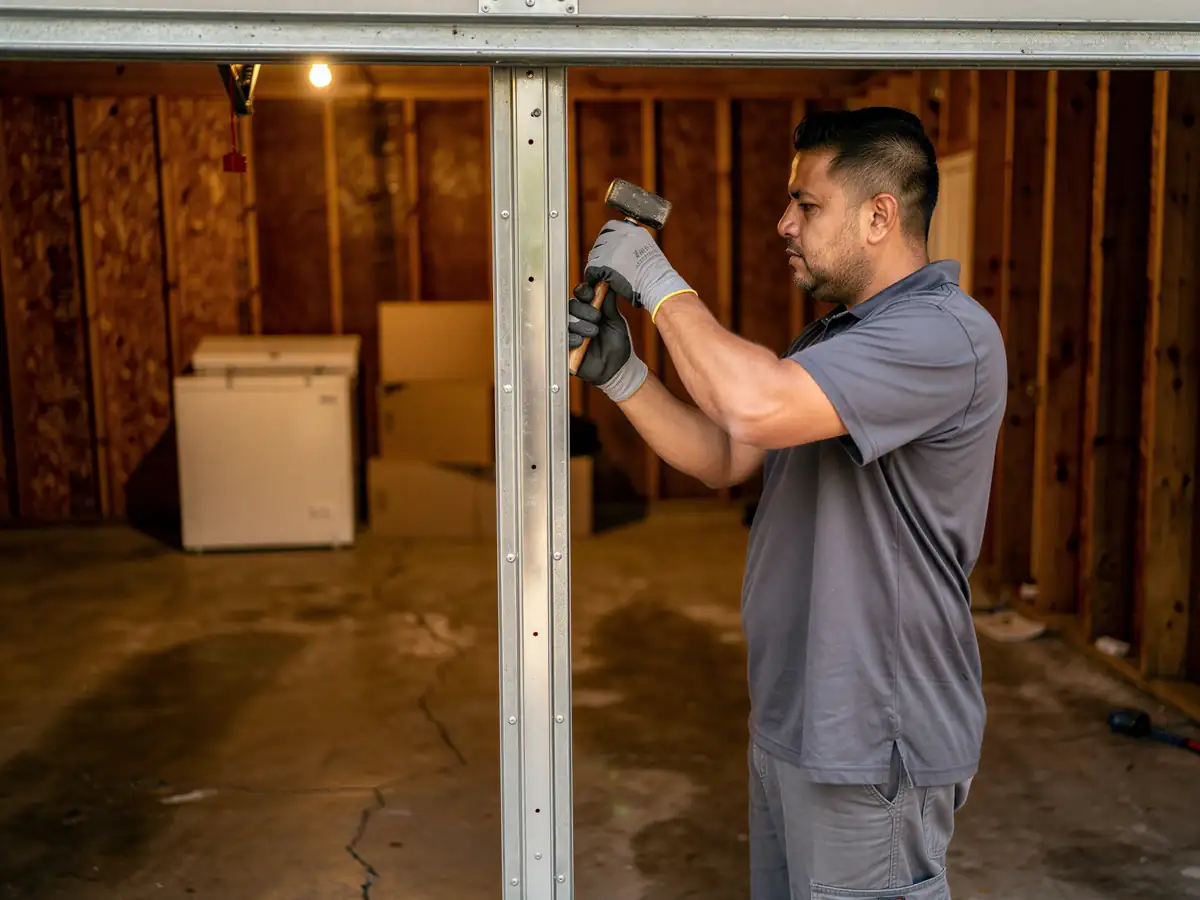
We carry standard torsion spring sizes and roller sets on the truck for exactly this reason. Where it runs longer is if the track has racked out of square or a cable drum has unwound unevenly, which takes more careful adjustment to get the door balanced again without putting new wear into the new parts.
One limitation worth saying plainly
If your door is an uncommon width or an older low-headroom track setup, the matching spring or hardware isn't always something we stock, and that part can take longer to source. We'll tell you up front if that's the case rather than guess at a timeline we can't back up.