What You Are Seeing
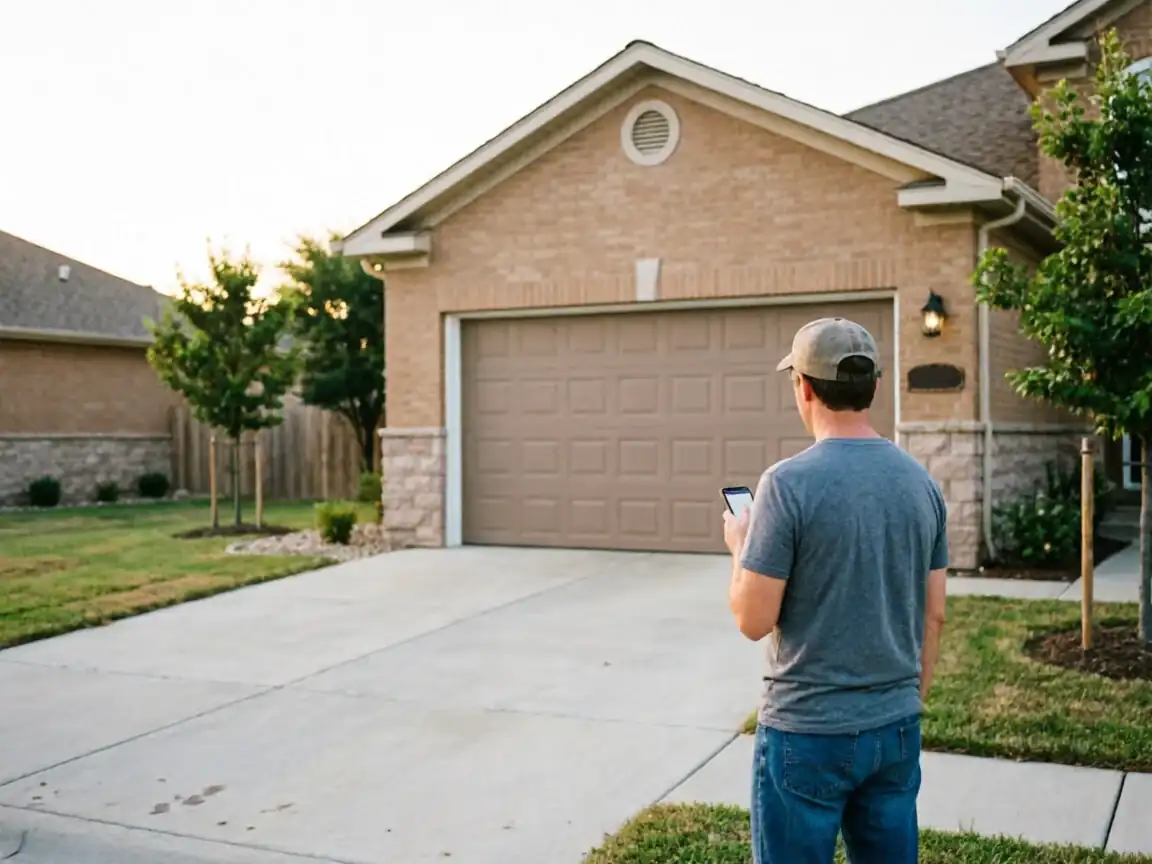
A door that used to glide now hesitates, or thumps on the last foot of travel
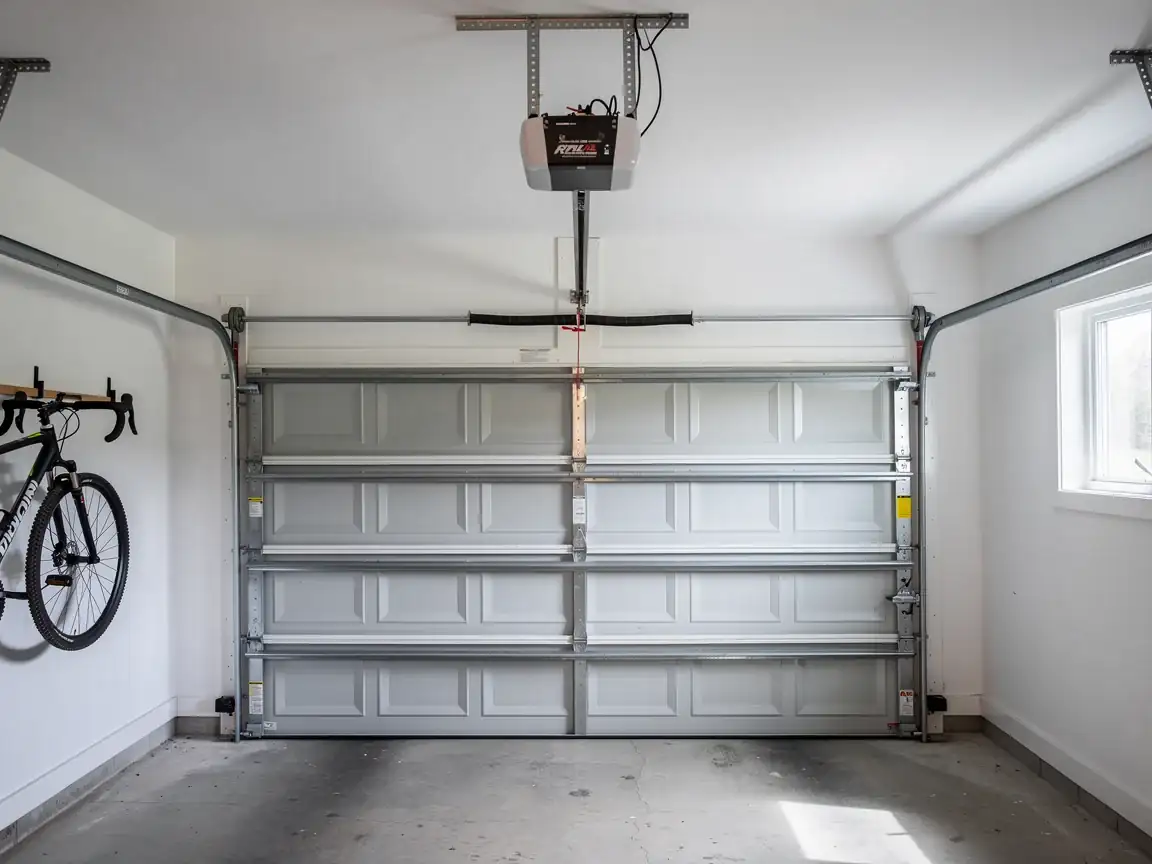
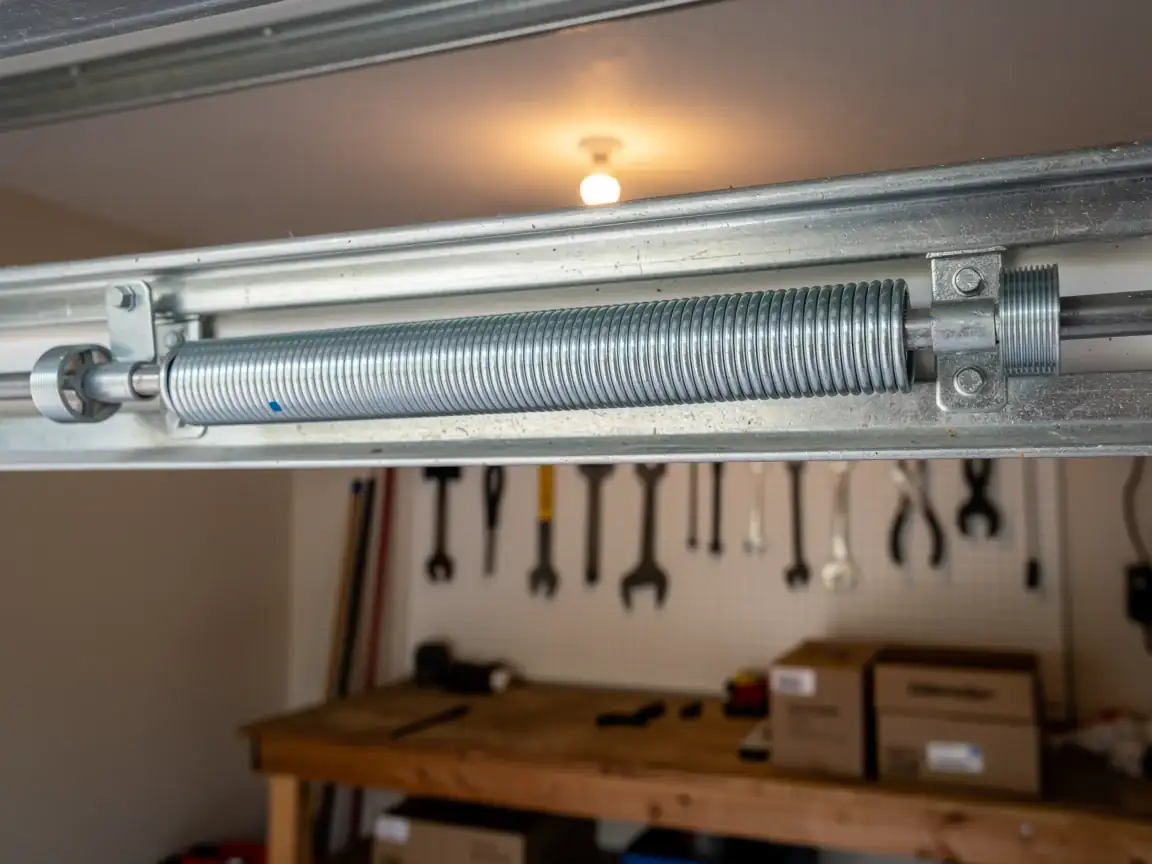
The opener strains a half-second longer than it used to. Rollers rattle in the track instead of rolling through it quietly. None of this means the door is broken yet - it means the hardware has worked itself out of adjustment, which is the normal state of a torsion spring system that hasn't been checked in a while.
Across the service area, most of the housing stock went up between 1965 and 2005
With the bulk of it dating to the 1980s and 90s. That's a lot of doors running original or first-replacement hardware that's now 20 to 40 years into a service life nobody is tracking. Owners notice the symptom - the noise, the drag, the opener working harder - long before they connect it to the fact that nobody has touched the springs, cables, or hinges since the house was built.
- 40 years
Why This Fails Locally
Two things push this hardware out of tolerance faster here than in a mild climate: age and temperature swing. The region sits in a cold-moderate band, which means real winter cold and real summer heat on the same steel spring and the same lubricated rollers every year. Metal contracts in the cold, grease stiffens, and spring tension that was set correctly in October reads differently by February. On a door installed in, say, 1988, that cycle has repeated three to four decades of winters.
It's not a defect in the door. It's what happens when a mechanical system built on tensioned steel sits outside, exposed to a full seasonal swing, and gets zero attention between install and failure. Across the 14 communities we cover, the housing is similar enough in age that this pattern holds from one town to the next - what changes is how long a given household has gone since the last check, not whether the hardware is subject to the same wear.
What the Fix Involves
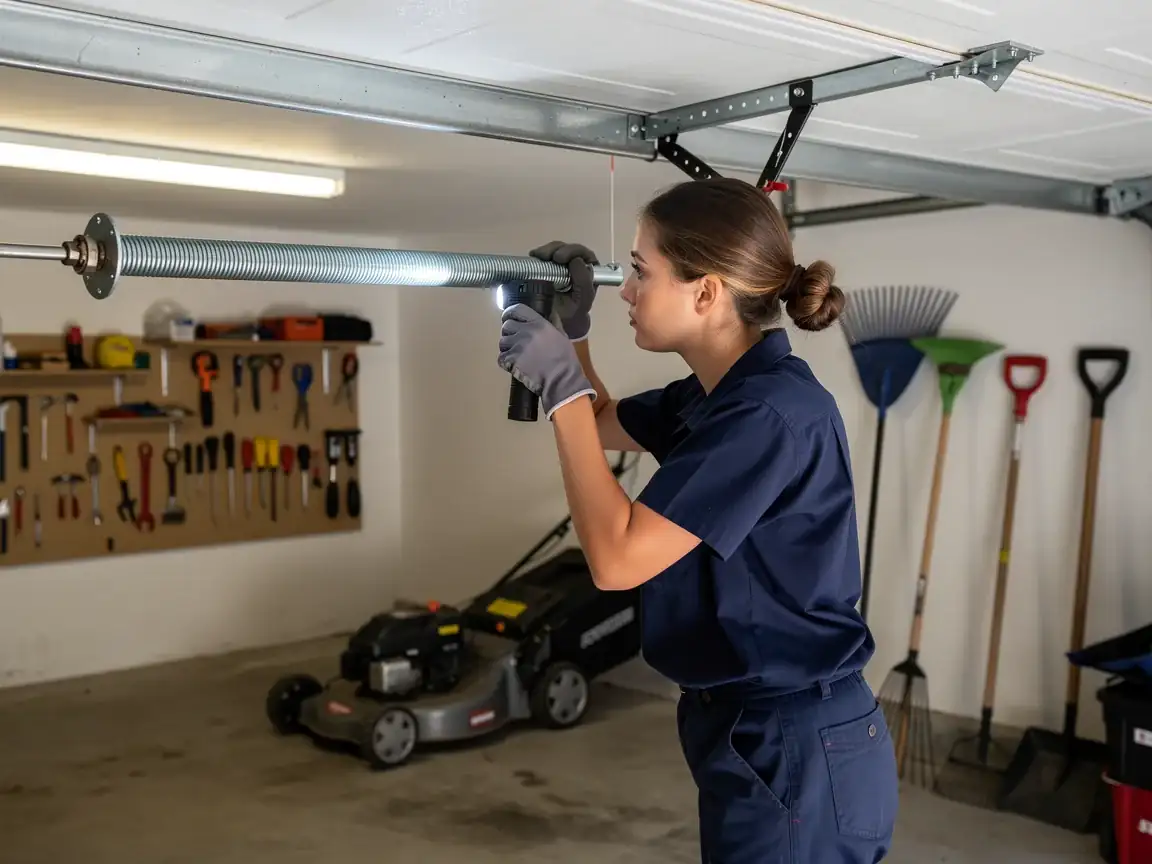
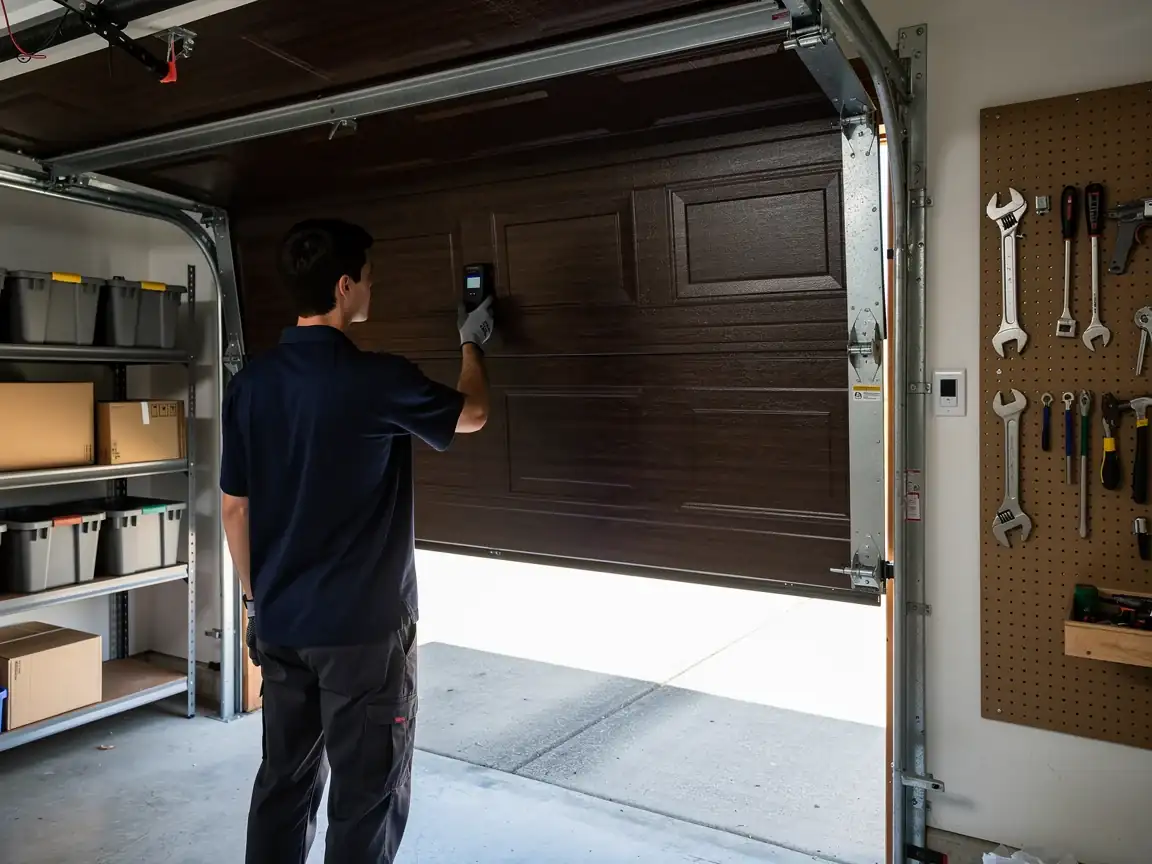
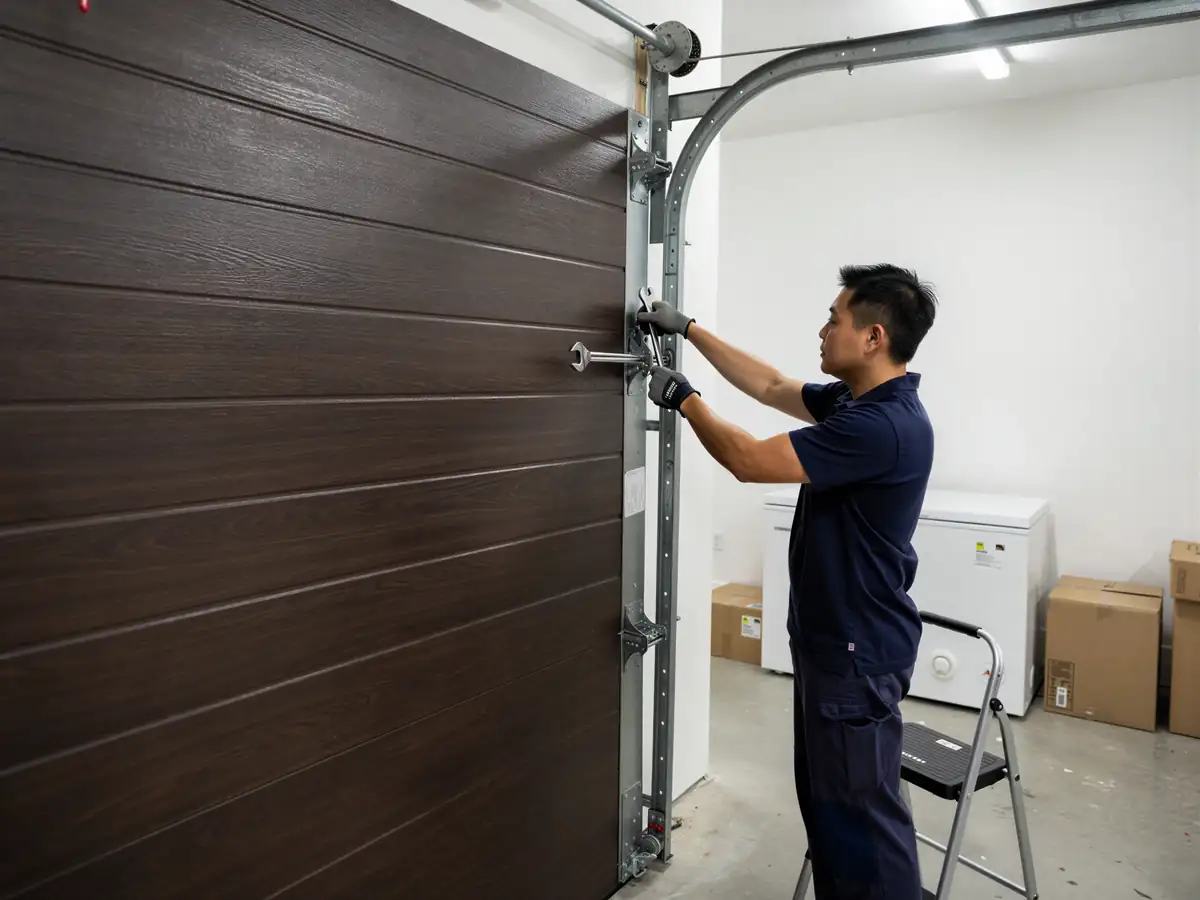
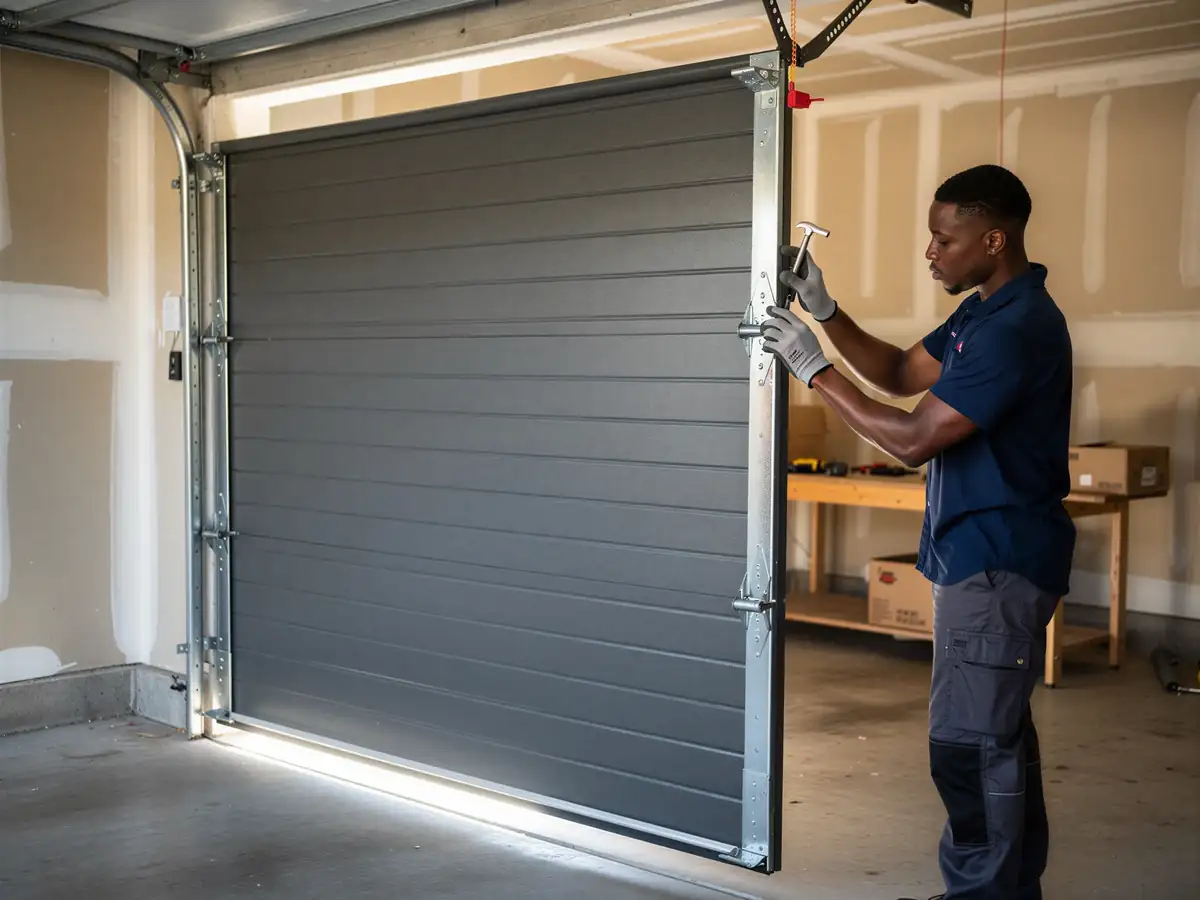
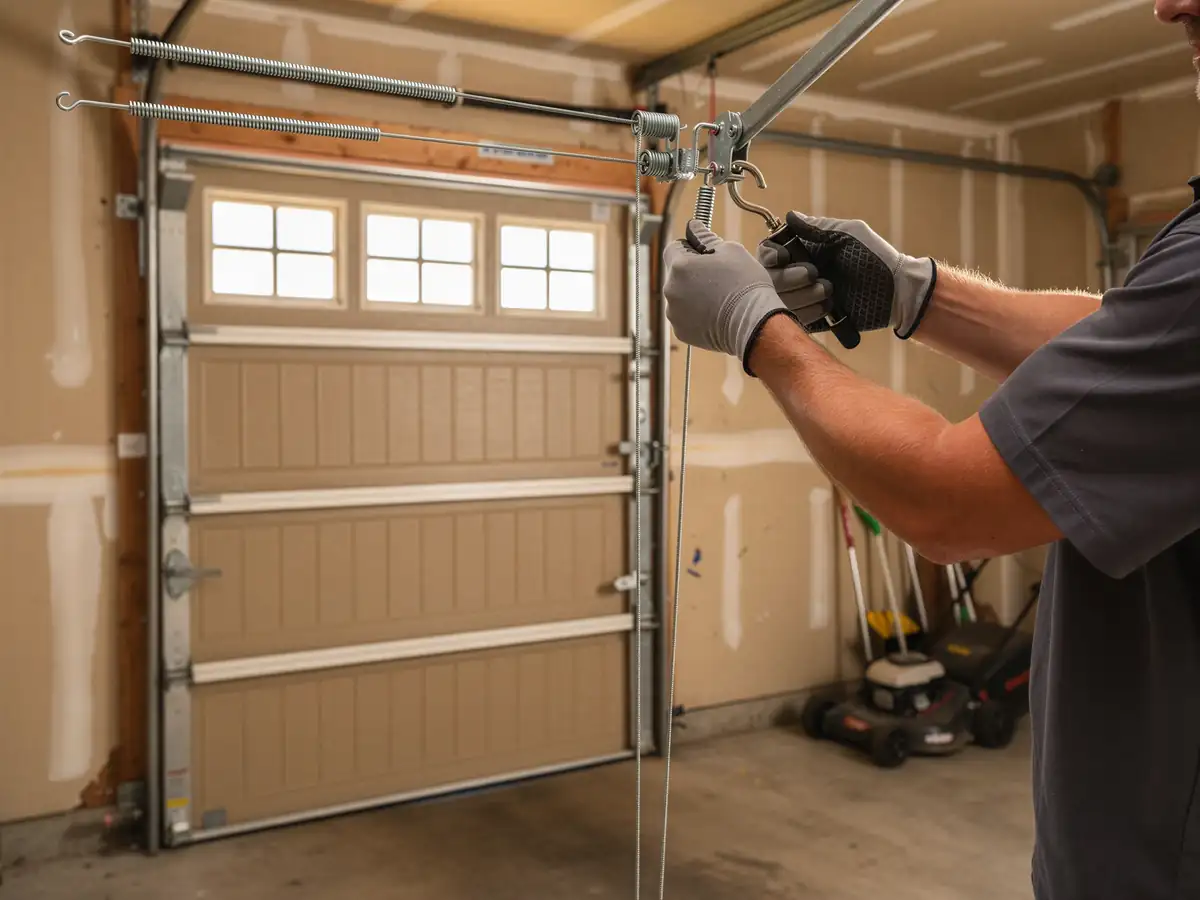
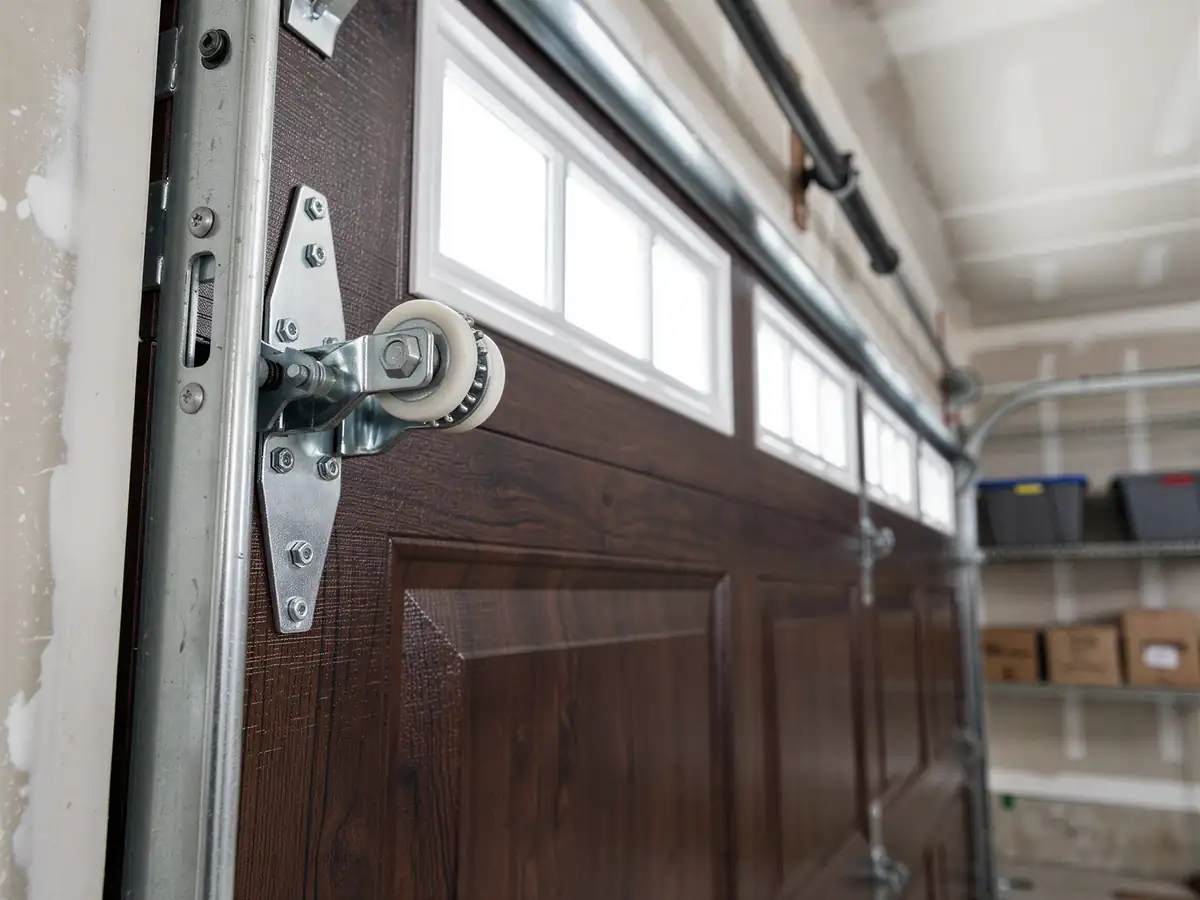
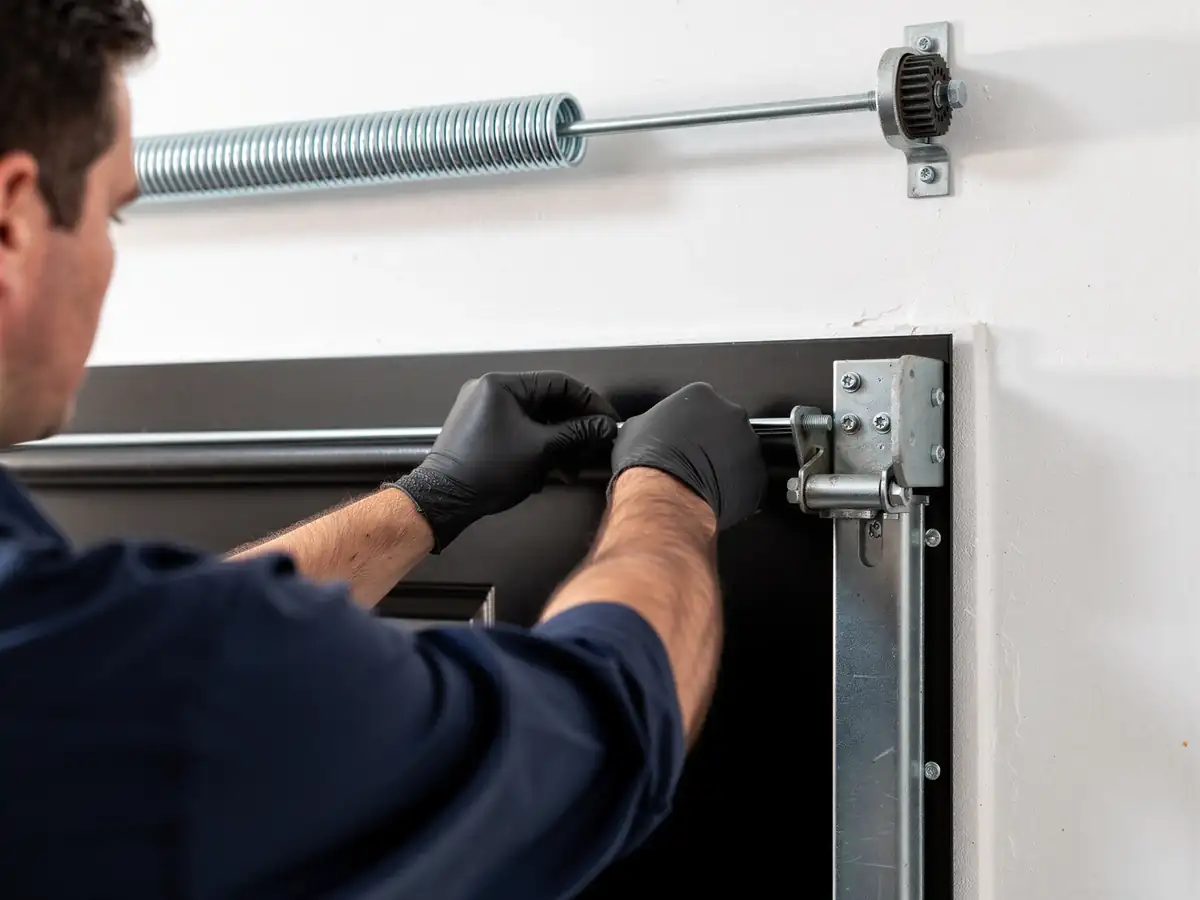
Maintenance on a residential door isn't a tune-up in the car sense - it's a inspection and adjustment pass on the parts that actually fail: torsion spring tension, cable fray, roller condition, hinge wear, track alignment, and the opener's force and travel limits. We check the balance by hand - a properly tensioned door should sit still at mid-travel when disconnected from the opener. If it drops or shoots up, the spring is out of adjustment or near the end of its life.
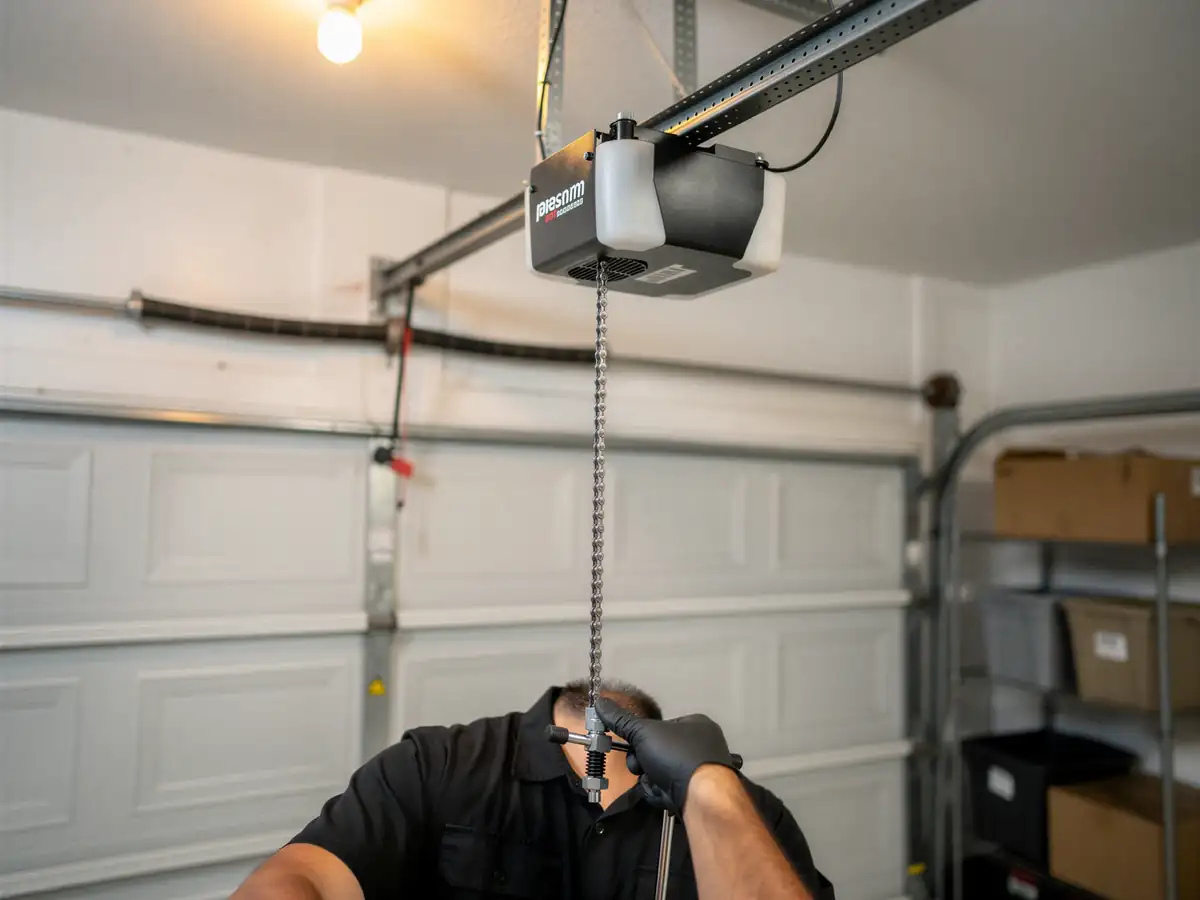
We lubricate the moving metal-to-metal points, tighten hardware that's worked loose from vibration, and verify the auto-reverse safety sensors actually trigger. What we don't do is replace parts that don't need it - a maintenance call is not an upsell on a new spring set if the one on the door still has useful life left. If a spring is close to its cycle limit, we'll tell you that and let you decide when to replace it, rather than forcing the call.
How Long It Takes
A standard maintenance visit on a single door runs well under an hour once we're on site
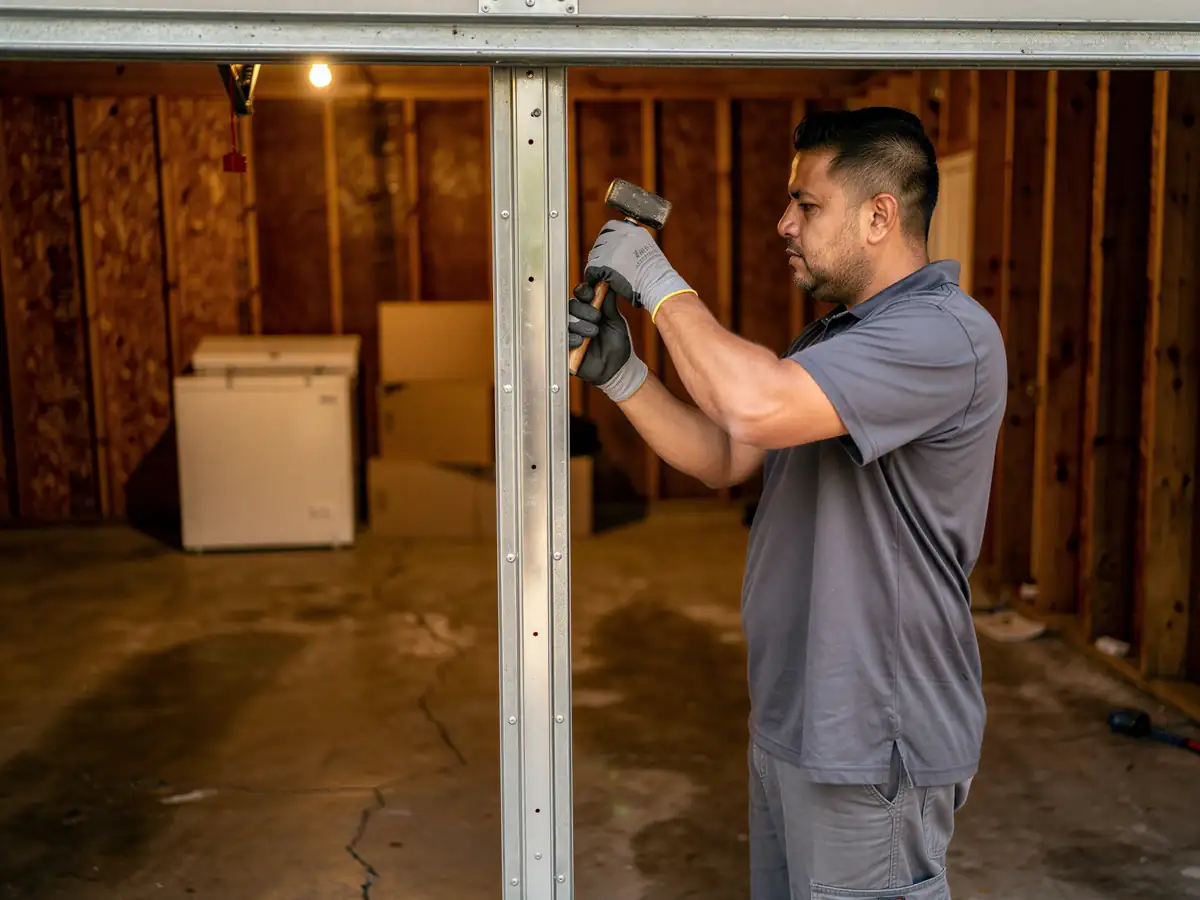
Most of the time goes to inspection and adjustment, not parts swapping. A double door with two openers takes a bit longer. If something does need replacing - a frayed cable or a roller that's cracked - that adds time but it's still a same-visit fix in most cases, since these are common parts we carry on the truck.
What we can't shortcut is drying time on lubricant or letting a reset opener cycle through its learning sequence a few times to confirm it's holding the new limits
We'd rather run the door five times before we leave than have you call back the next day because we rushed the last step.