What You Are Seeing
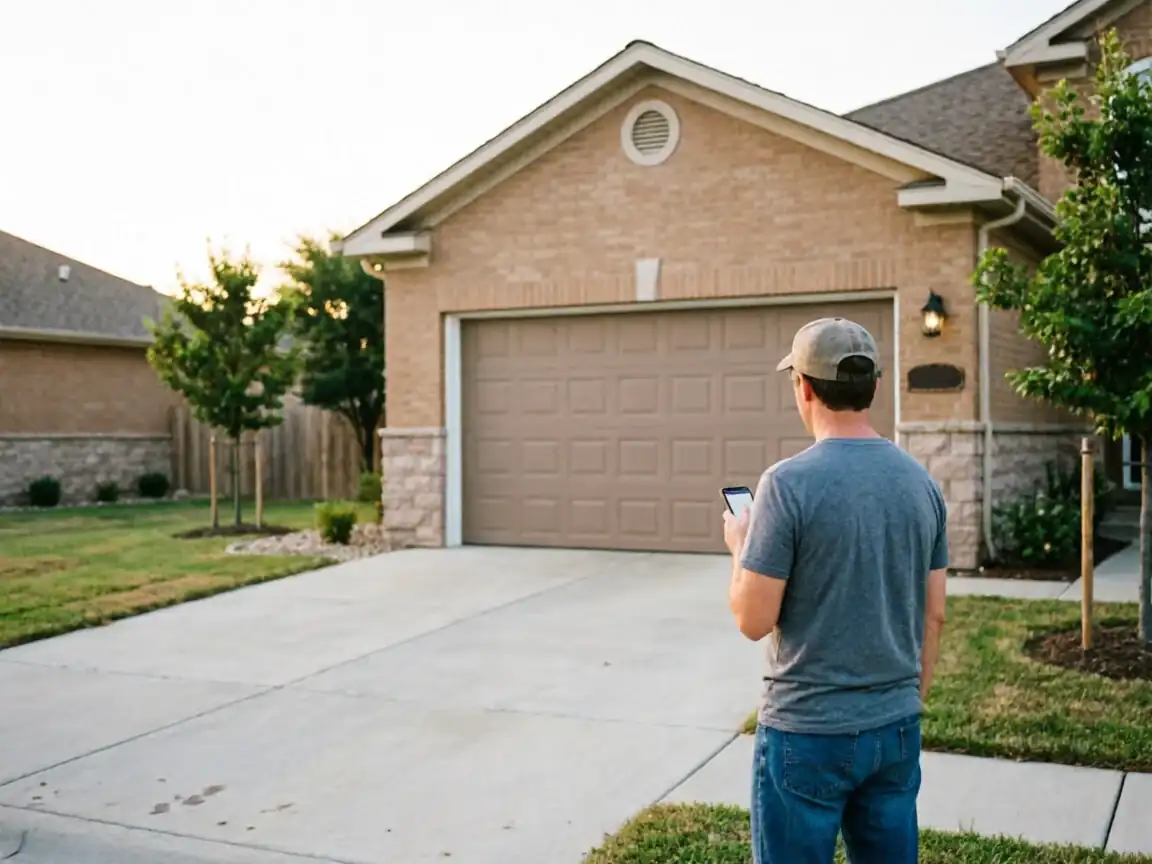
The door won't move, or it moves and then drops like the cable let go
Sometimes you hear a bang from the garage - that's the spring itself, snapping under tension, usually when nobody's even touching the door. Other times it's quieter: the opener strains, grinds, or reverses itself halfway up because it can't lift the weight the spring used to carry.
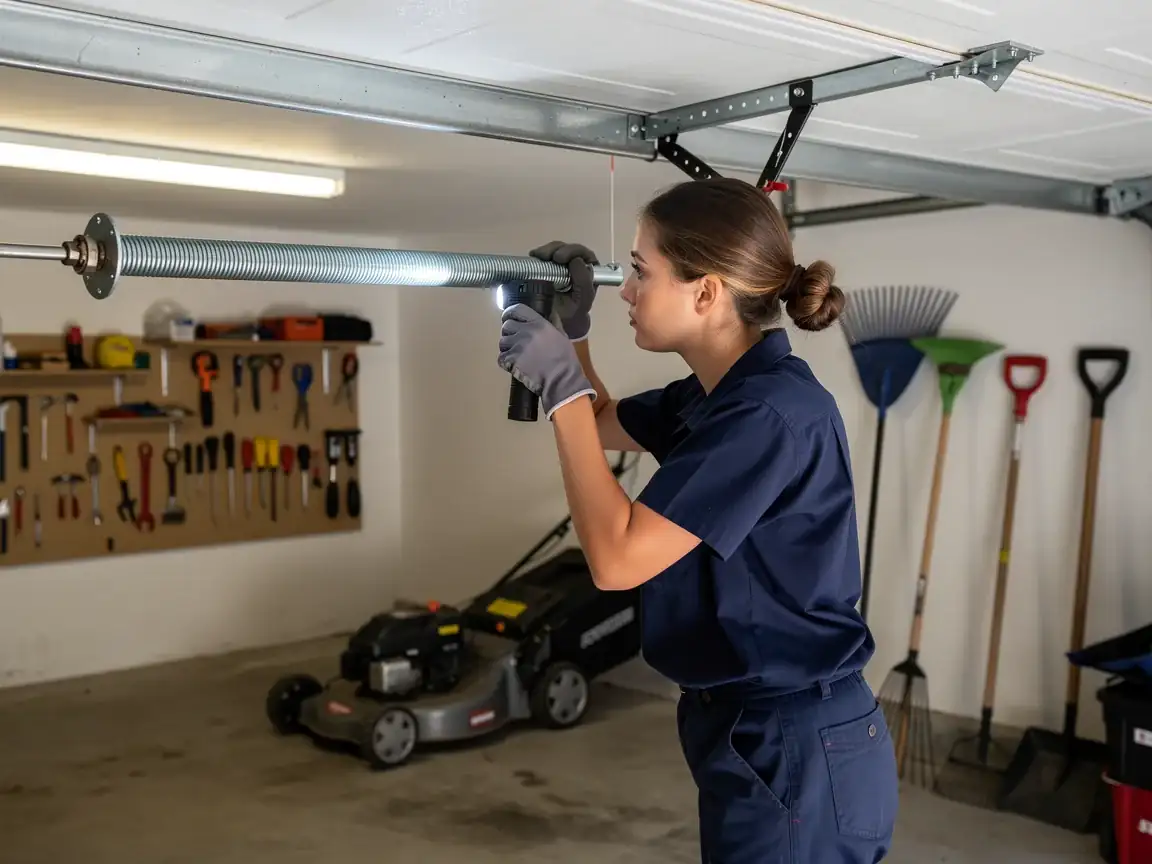
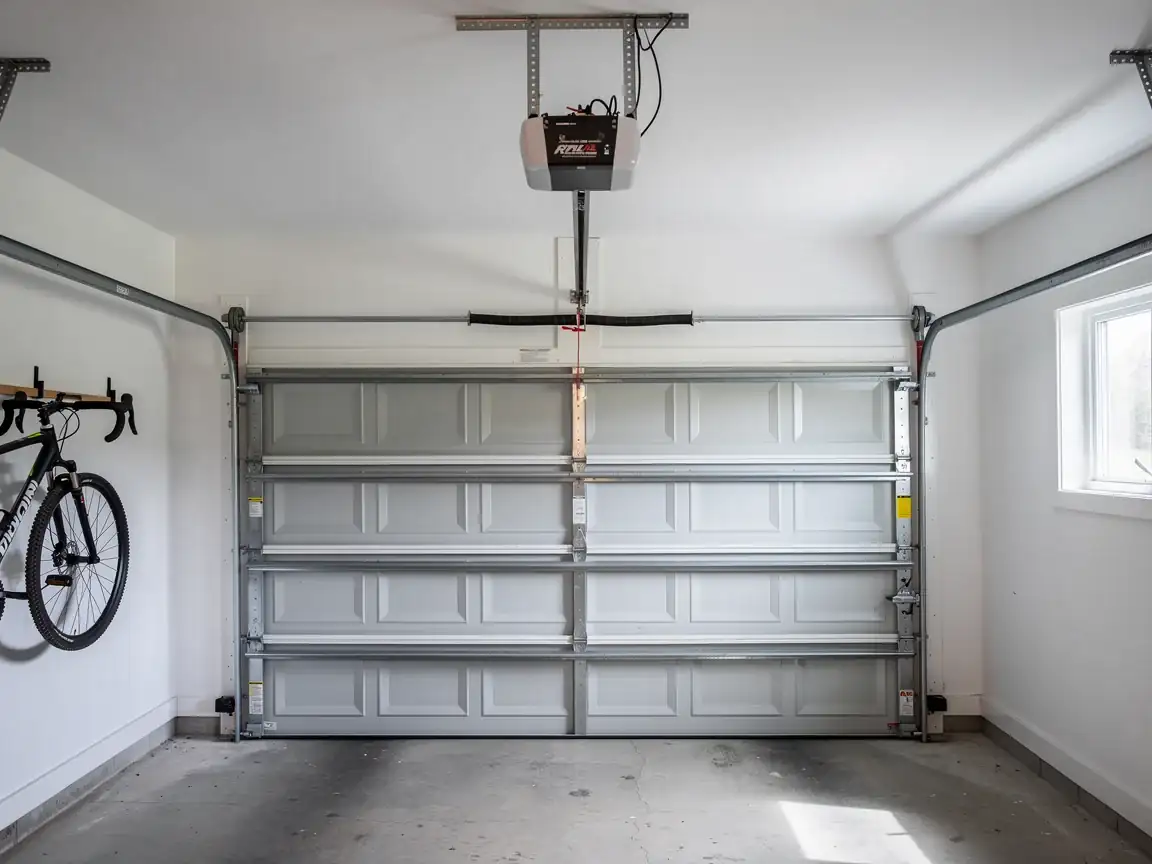
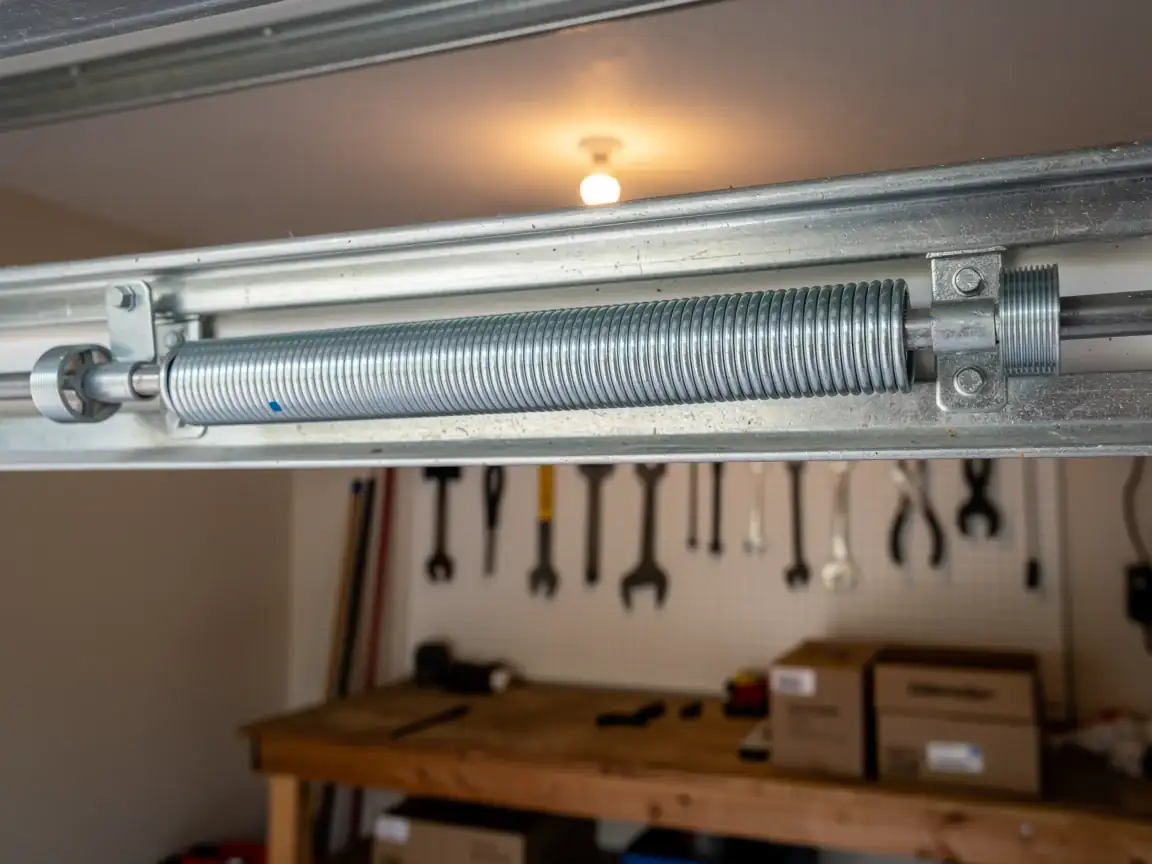
Look up at the bar above the door
If you see a torsion spring split into two pieces with a gap in the coil, that's your answer. If the door has two springs and only one broke, the other is close behind it - they wear on the same schedule and rarely fail alone.
A few owners try to force the door open by hand once this happens
Don't. Without spring tension, a standard double door can weigh well over a hundred pounds, and the cable and drum are not built to hold that load on their own. Leave it down and call it in rather than risk the track or a finger.
Why This Fails Locally
Across the Owasso service area, most houses were built between 1965 and 2005, with the typical home dating to around 1986, and the stock across the 14 communities we cover skews heavily to 1980s and '90s construction. That matters for springs specifically: torsion springs are rated for a number of open-close cycles, not years, and a thirty-to-forty-year-old door has usually burned through its spring's working life regardless of how well the rest of the door looks.
The climate adds to it. This area sits in a moderate cold band, and steel torsion springs lose a measurable amount of flexibility as temperatures drop - a spring that's already near the end of its cycle count is far more likely to let go on a cold morning than a mild afternoon. That's why January and February tend to bring more spring calls than July.
We see this pattern the same way whether the house is near Limestone, Collinsville, or out toward Claremore and Oologah - the build era and the winters are shared across the whole service area, even though each town has its own housing quirks worth a closer look on its own.
What the Fix Involves
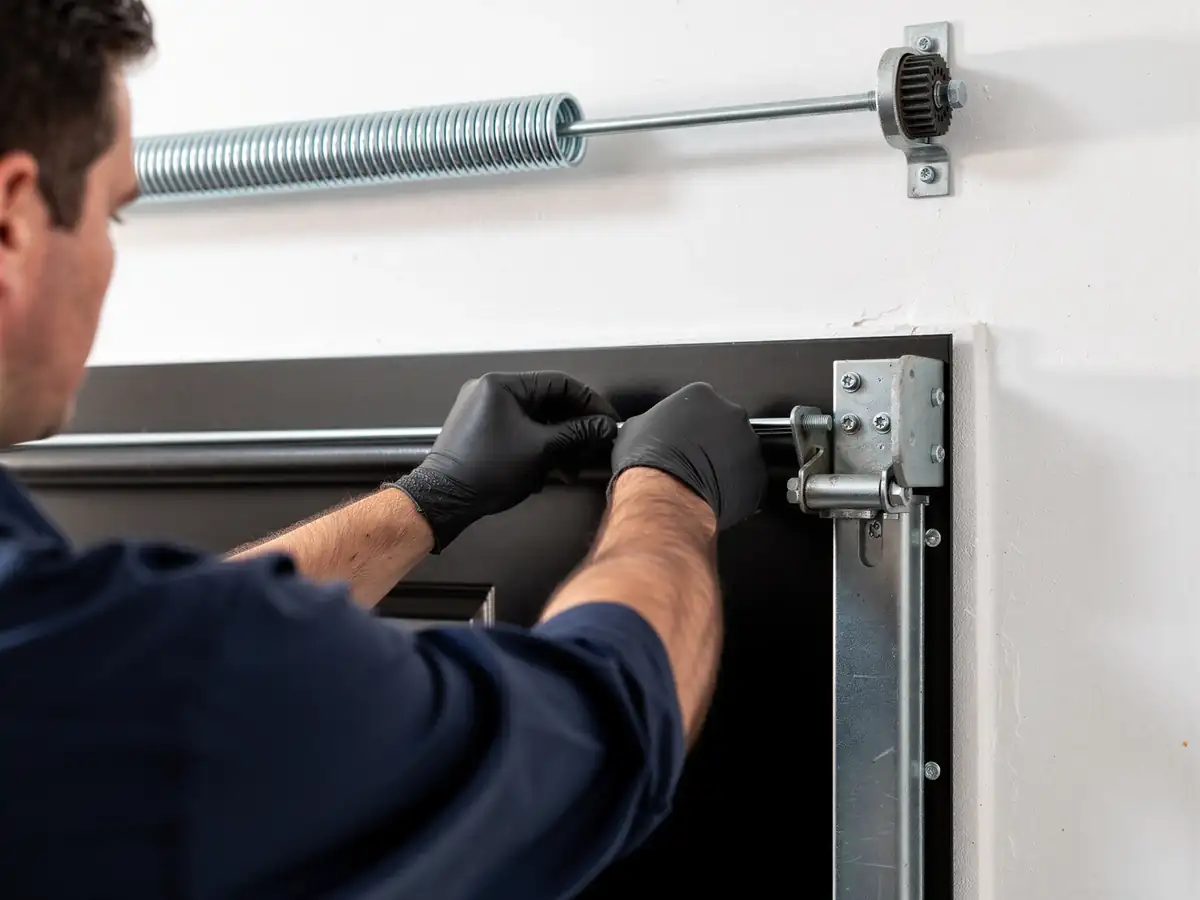
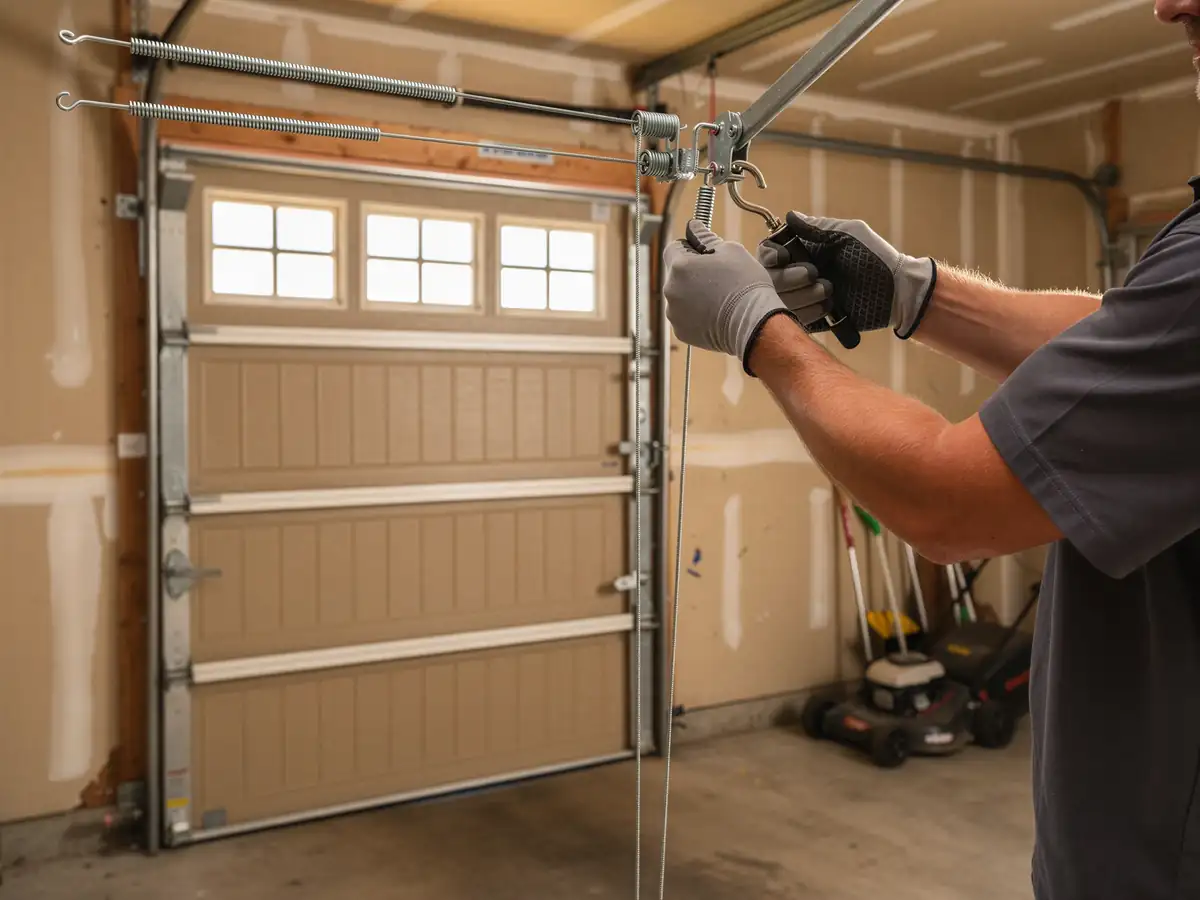
A proper repair starts with matching the spring, not guessing at it. Wire size, coil diameter, and wind direction all have to match the door's weight and track setup, or the door will be hard to lift, hard to stop, or both. On a double door, if one spring broke, we replace both - mismatched spring age on the same door is how you end up back here in six months.
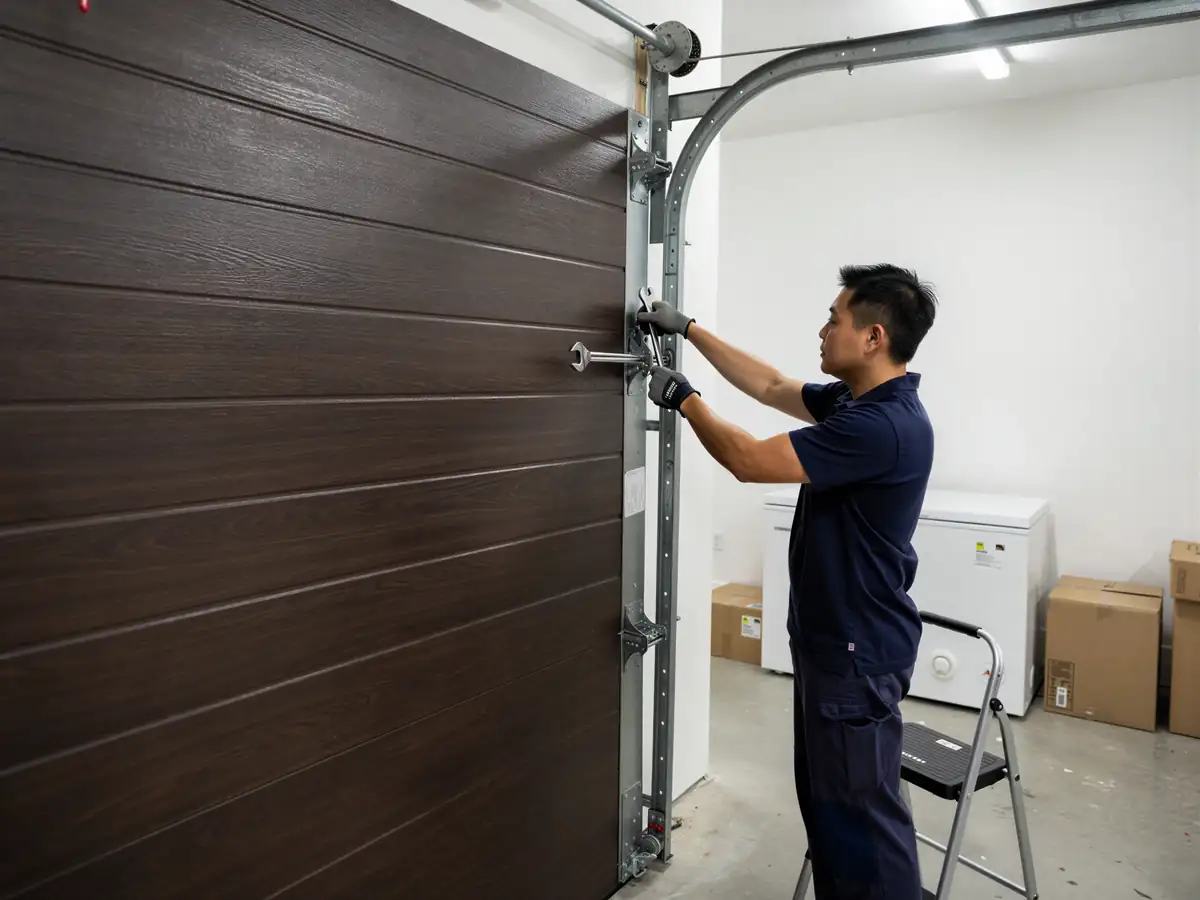
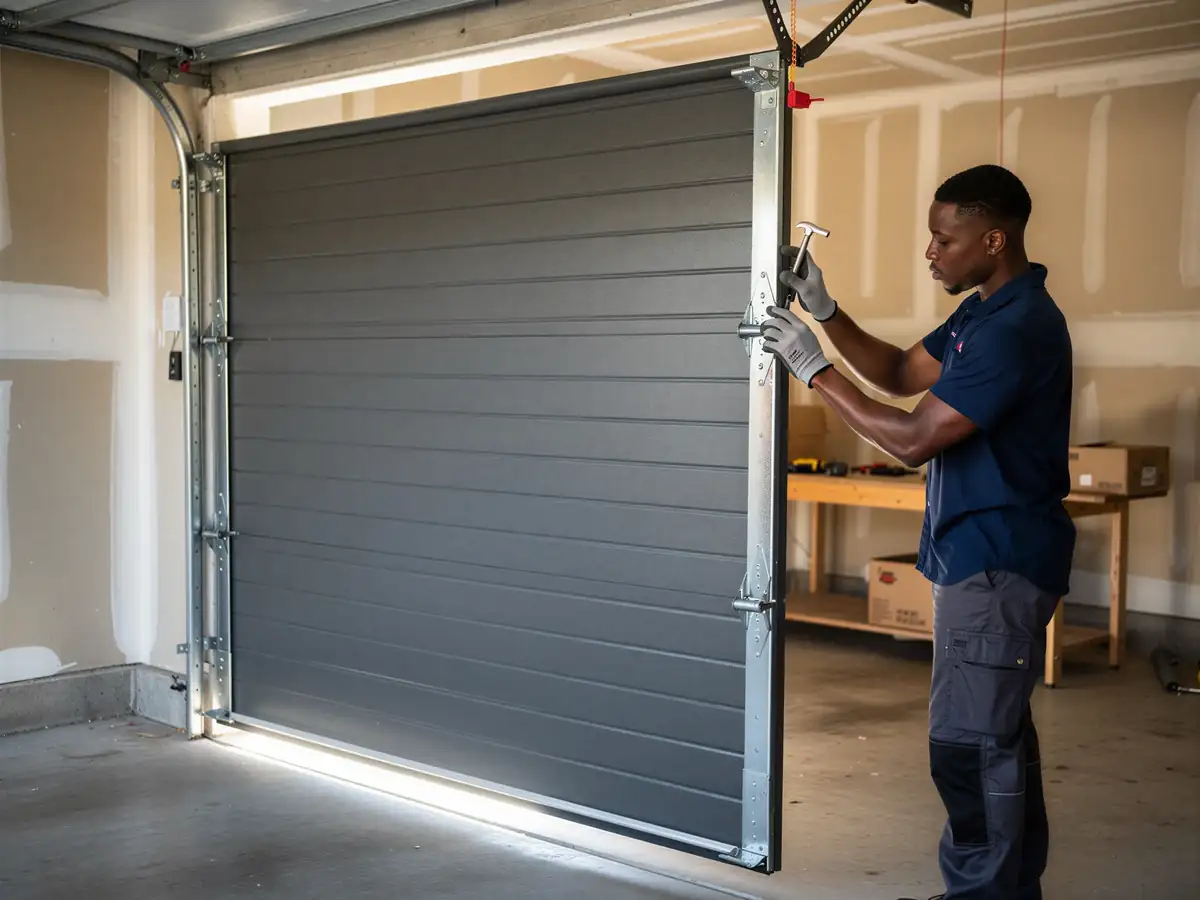
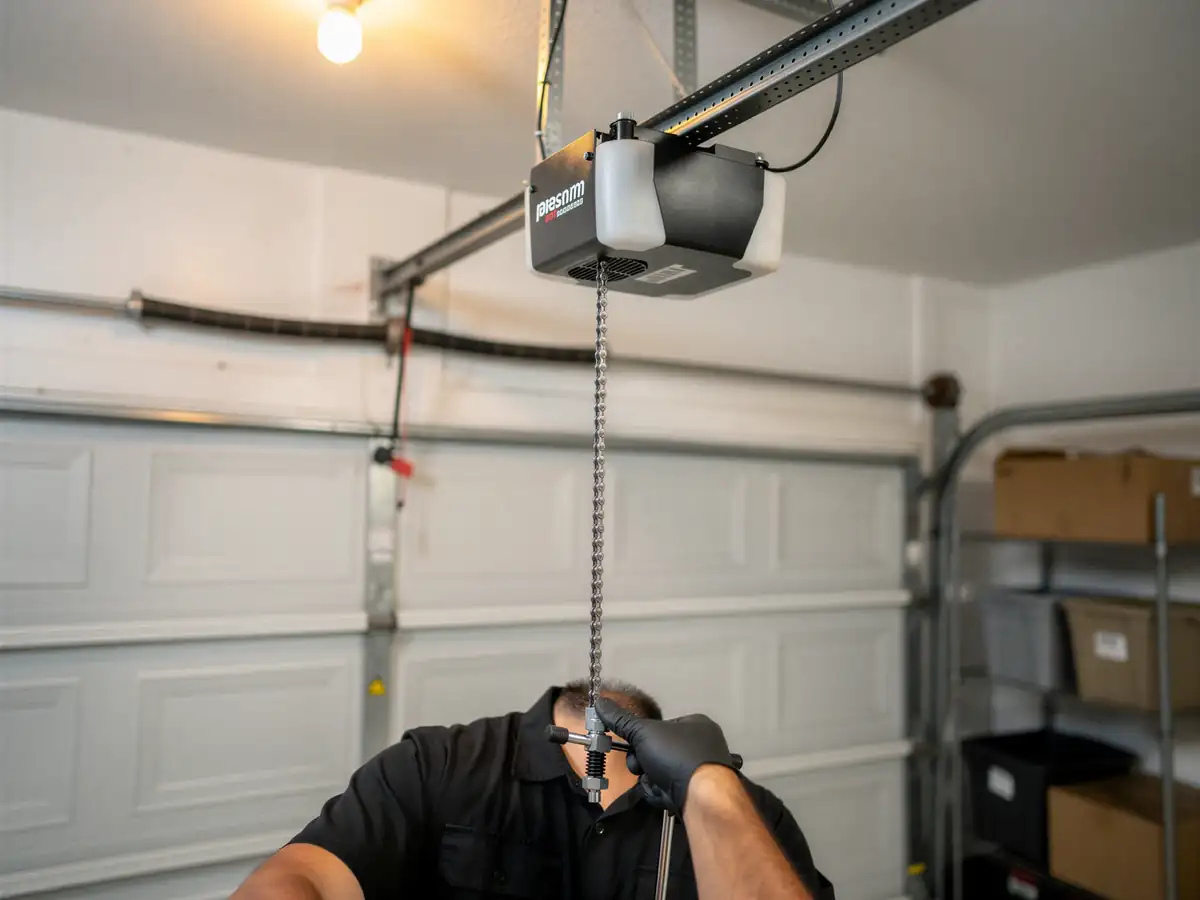
We disconnect the opener, release the old spring under control, and check the cable, drum, and bottom brackets while the tension is off, since those parts see the same wear and sometimes get damaged in the failure. New springs go on, winding bars set the tension to match the door weight, and we run the door through a full cycle by hand before the opener goes back on.
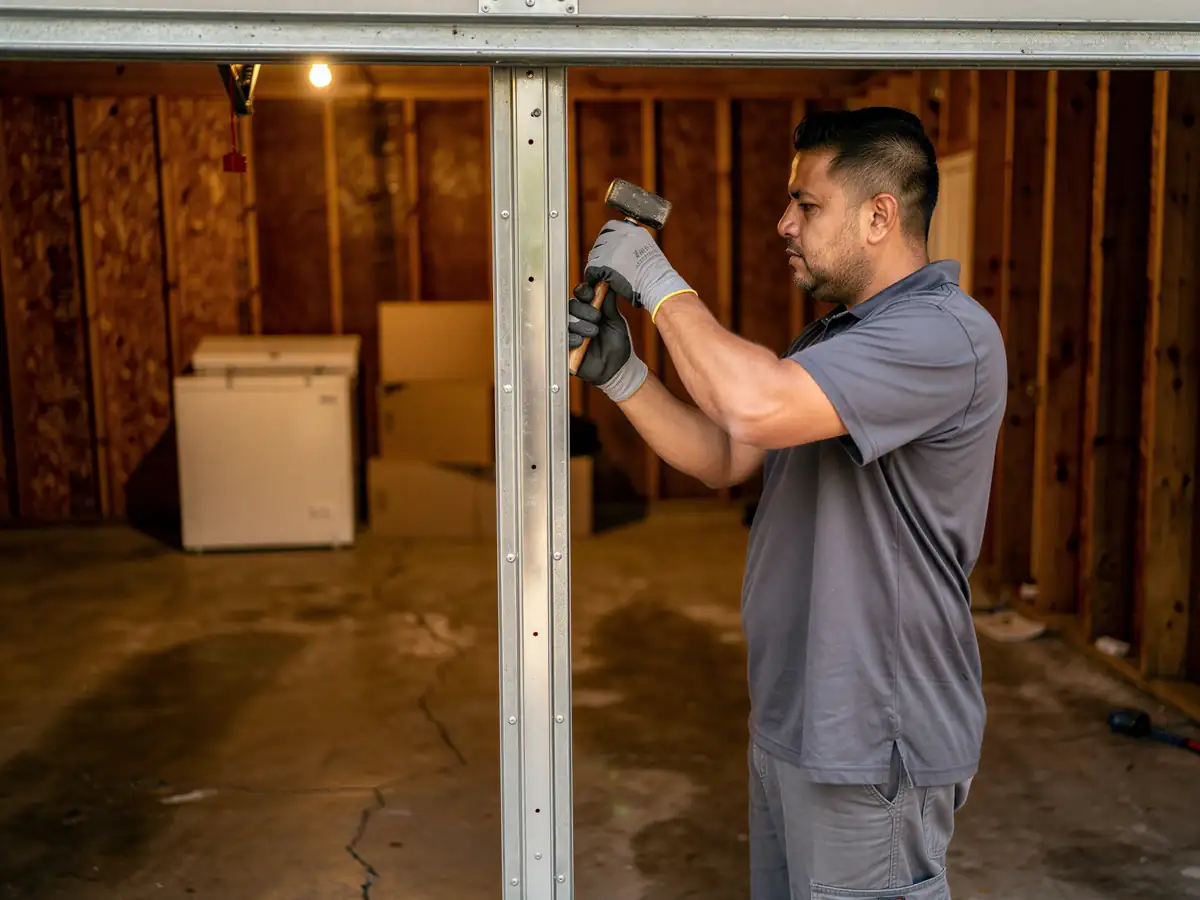
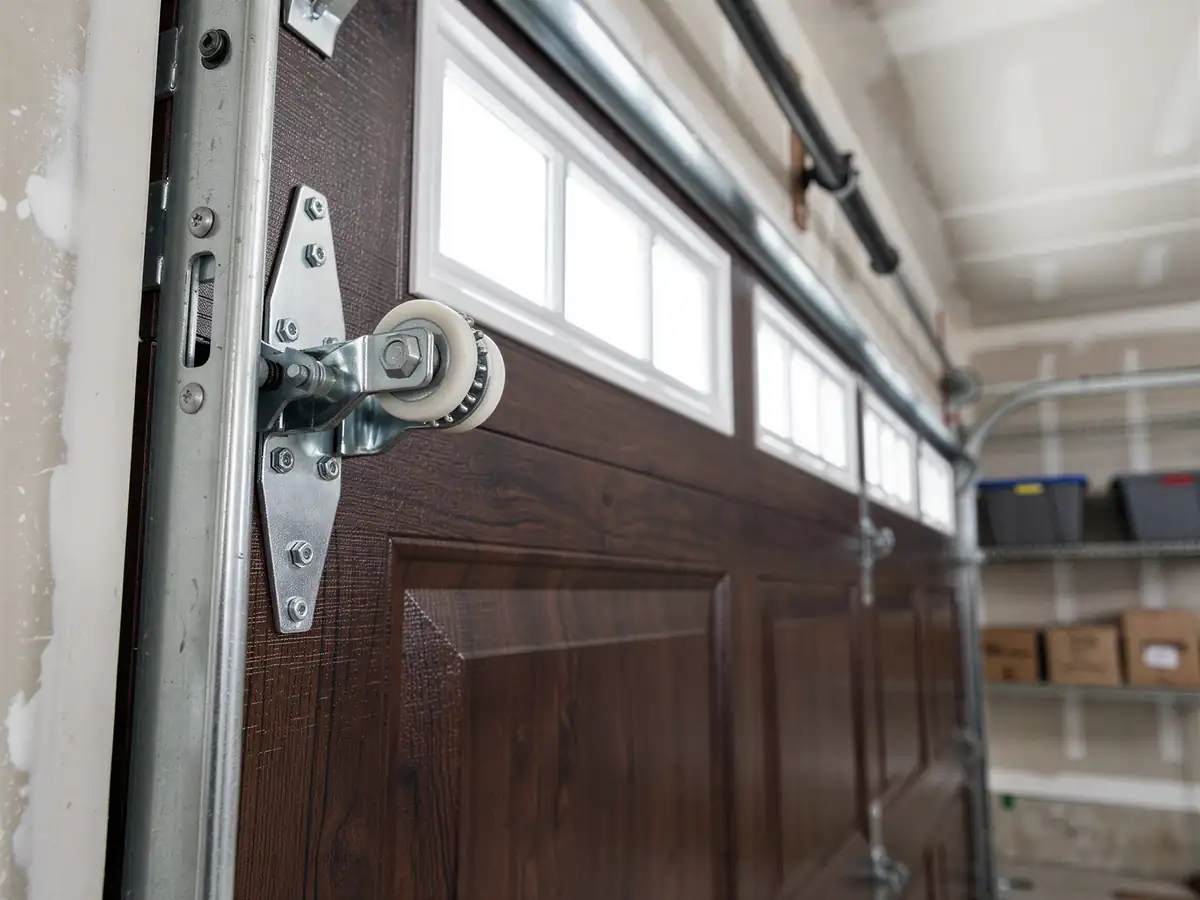
One honest limitation: if the track is bent, the rollers are worn, or the door itself has racked out of square, swapping the spring won't fix that. We'll point it out rather than hand back a door that lifts fine today and binds again next week.
How Long It Takes
Spring replacement is usually a same-visit job once we're on site and have the right spring on the truck
It doesn't involve pulling panels or resetting track, so the labor is mostly in the winding and balance check, not disassembly. The bigger variable is parts: most residential sizes are common stock, but an older or unusual door from this area's 1965-2005 build era can occasionally need a spring that isn't on the truck that day.
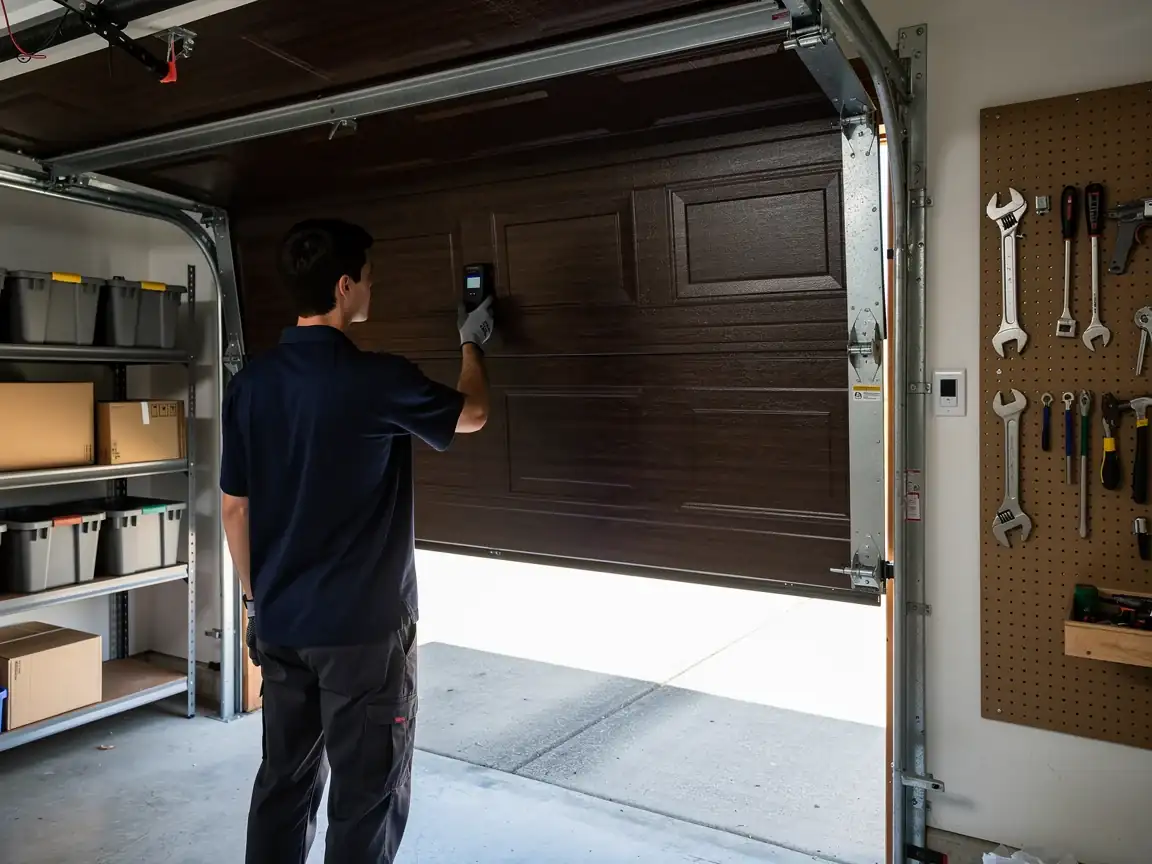
We test the balance before we leave
The door should hold its position halfway open with the opener disconnected. If it drifts up or down, the tension isn't right yet and we adjust it on the spot rather than leave it for you to notice later.
If you're not sure whether what you're dealing with is a spring or something else
A bent track, a failing opener, a cable off the drum - it's worth a call before you guess. Across the whole service area, from Limestone to Inola, spring failure is the single most common reason a garage door stops working without warning.