What Is Going On
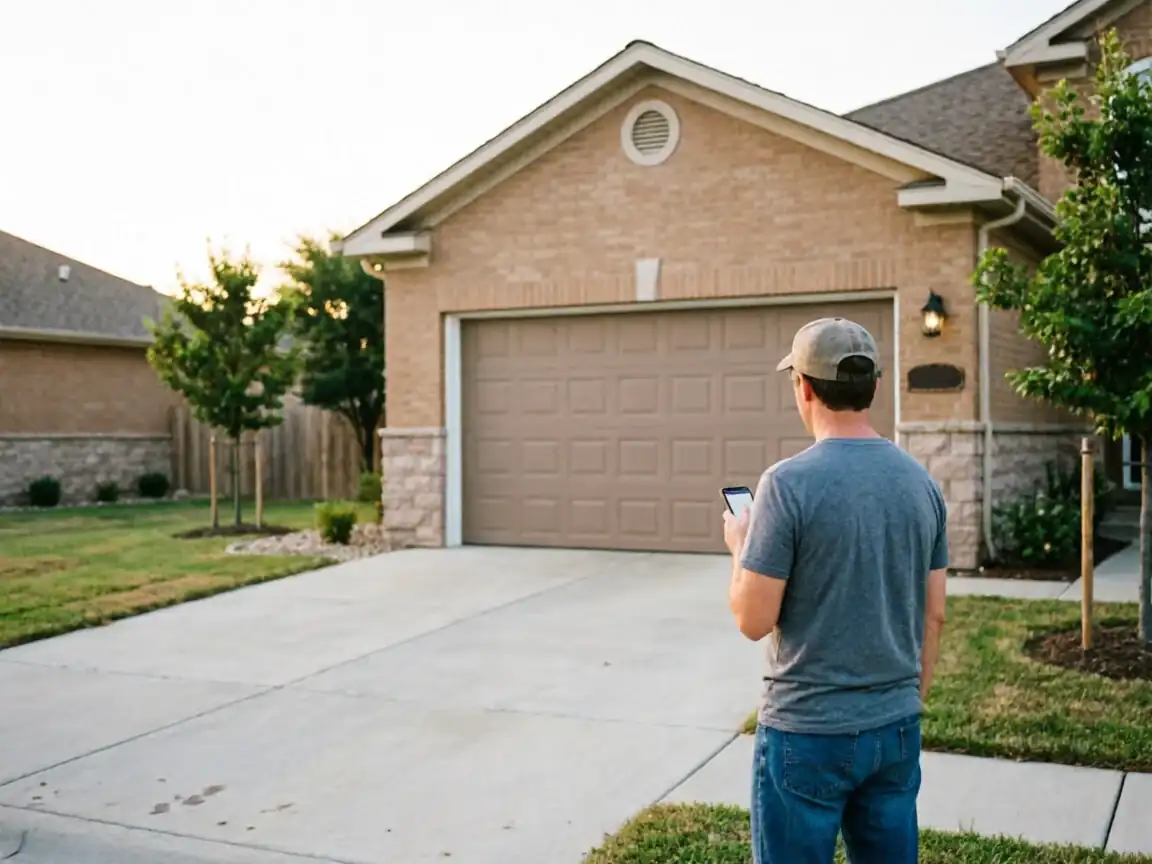
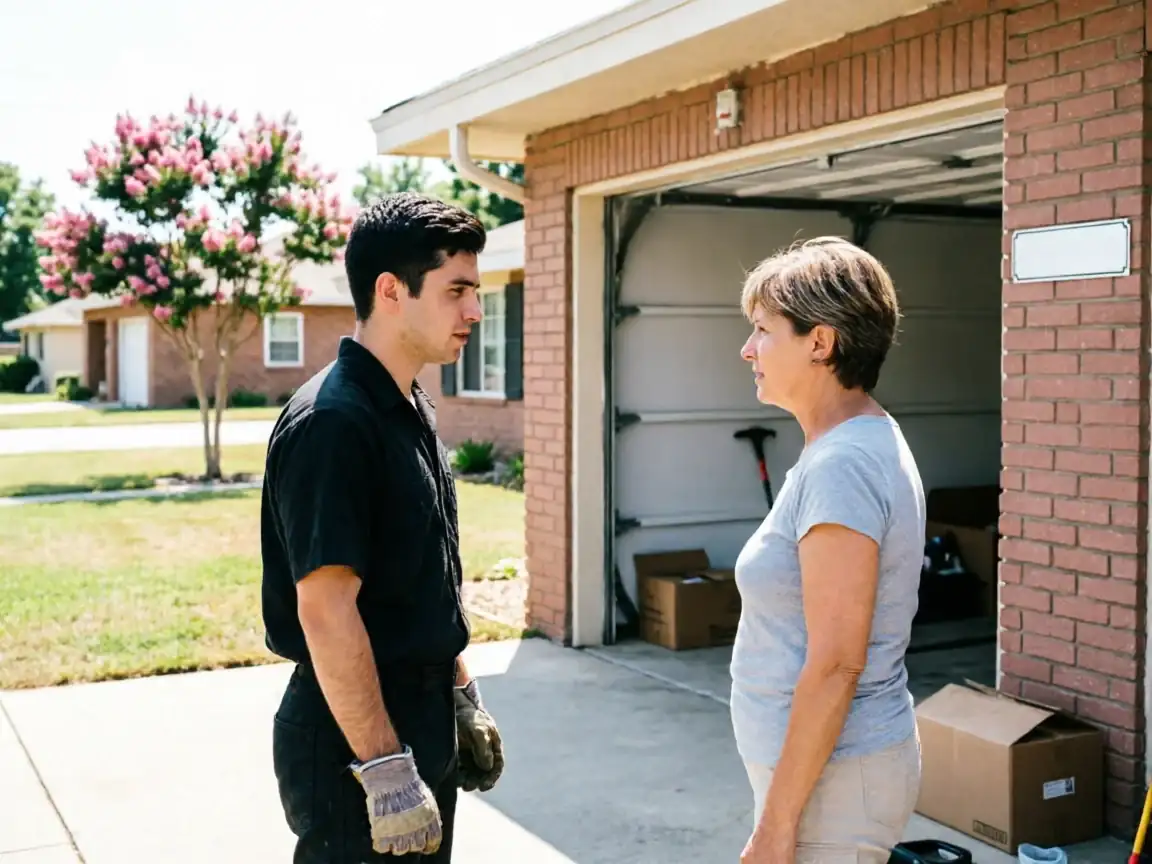
When you call us, the first thing we're doing is matching what you describe over the phone to what we expect to find on-site
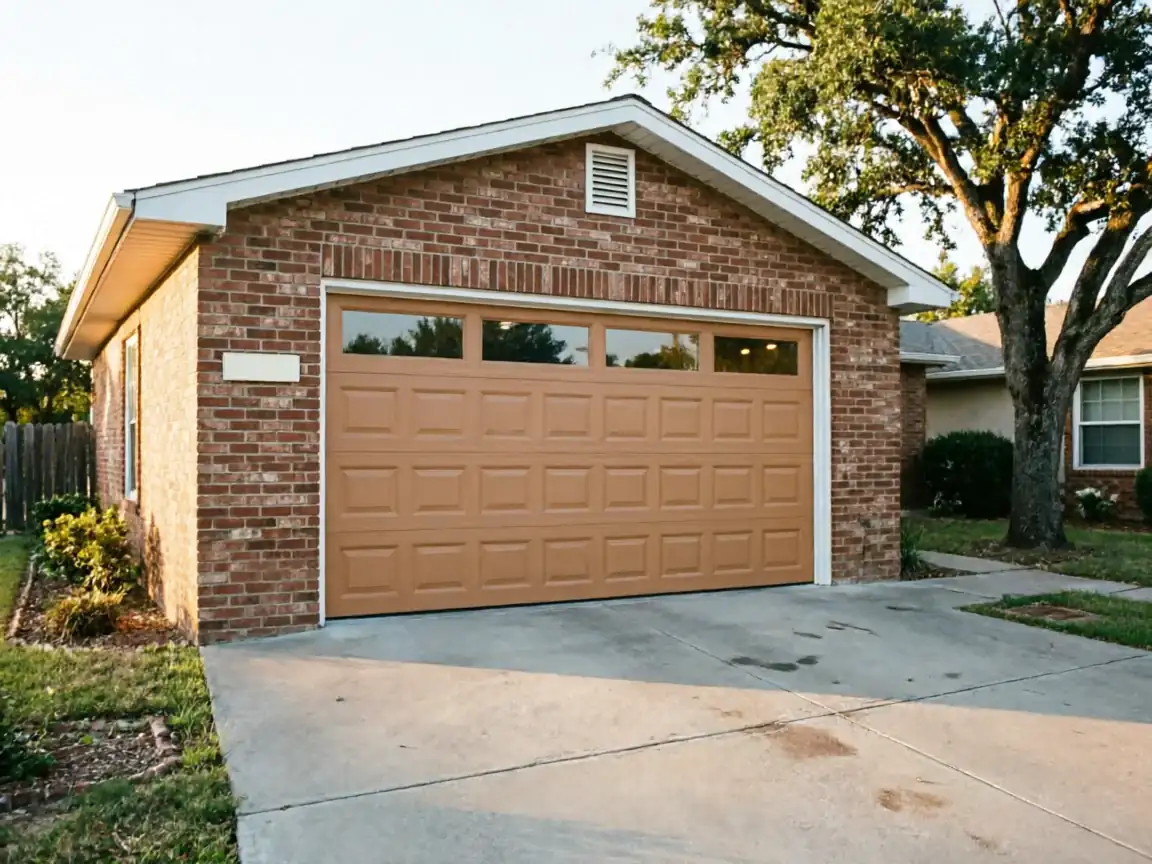
Most houses in this part of the county went up between 1965 and 2005, with the bulk of that stock from the 1980s and 90s spread across the fourteen named areas we work in. That matters more than people think. A door from a 1986-built house is carrying original or first-replacement hardware in a lot of cases, which means torsion springs rated for a lighter door than what's hanging on it now, or openers with drive systems that haven't been serviced since Clinton's first term.
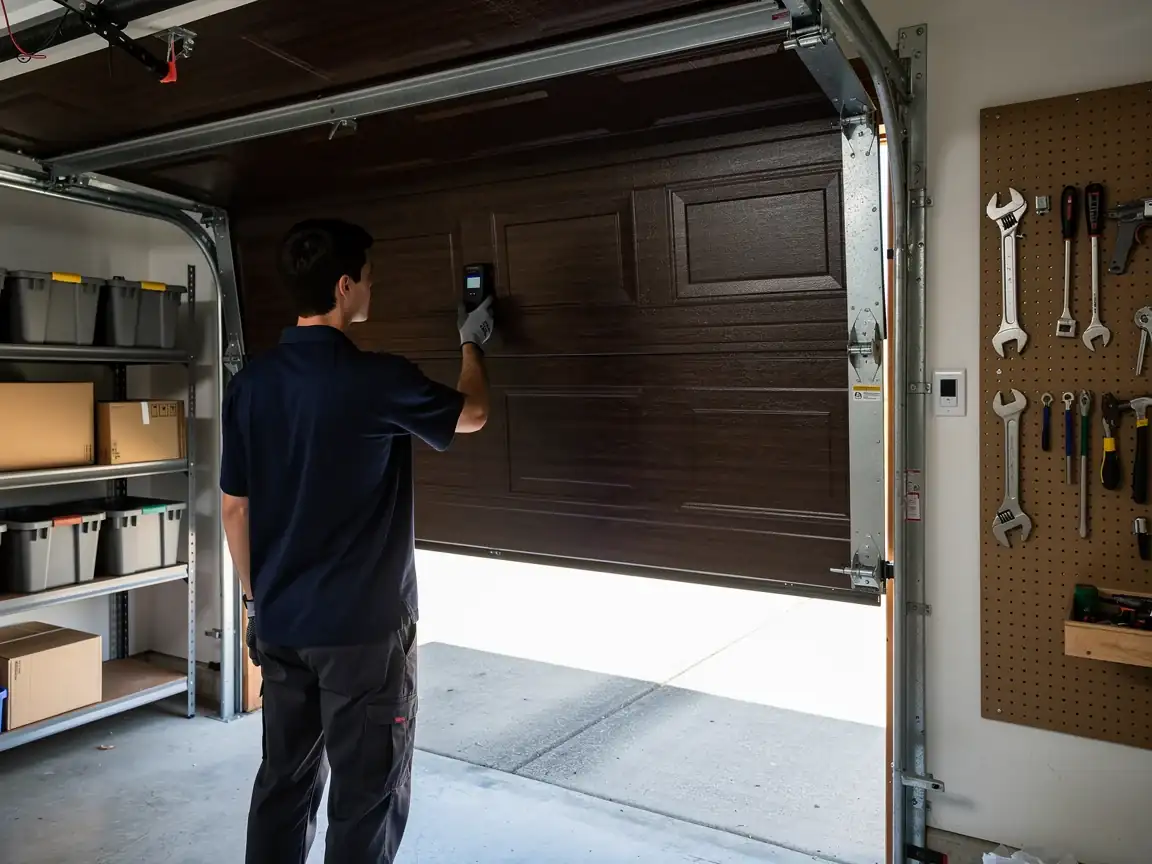
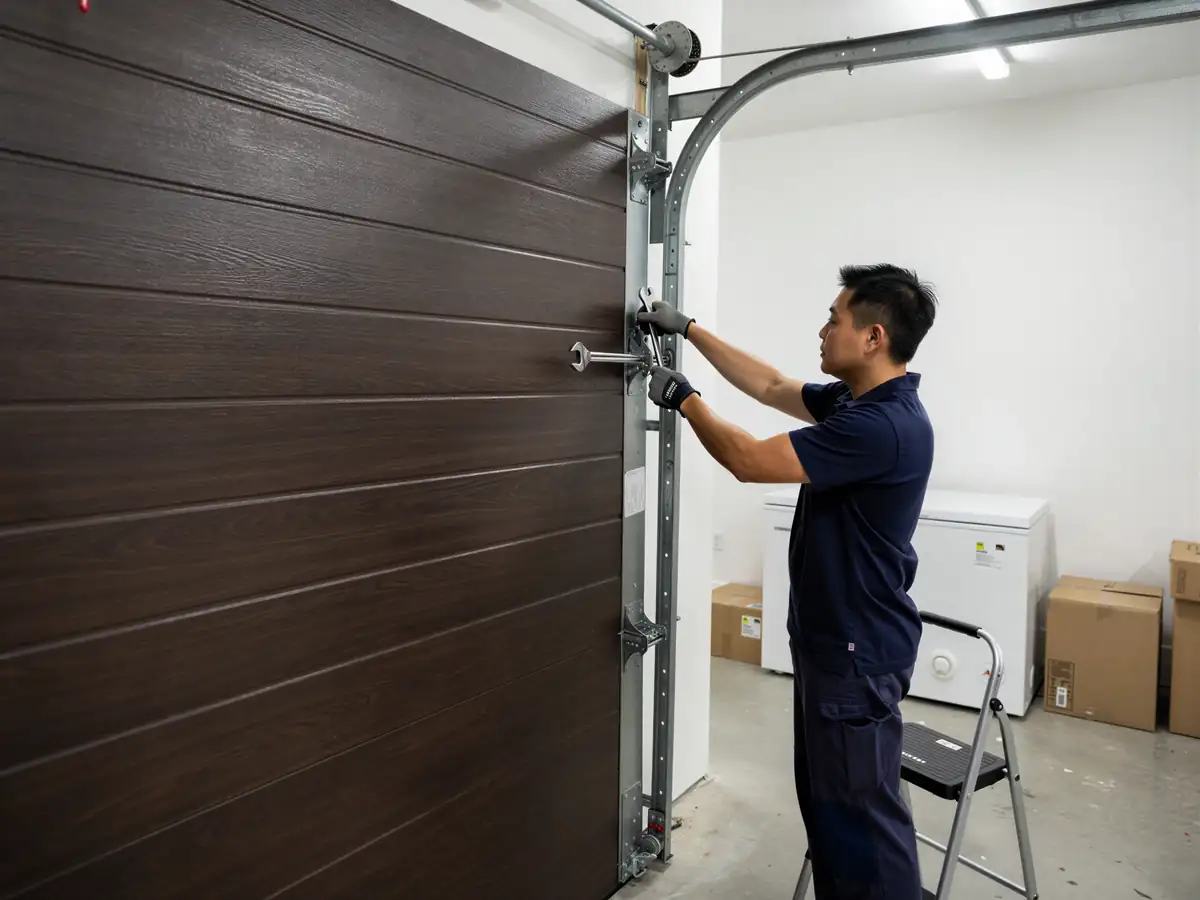
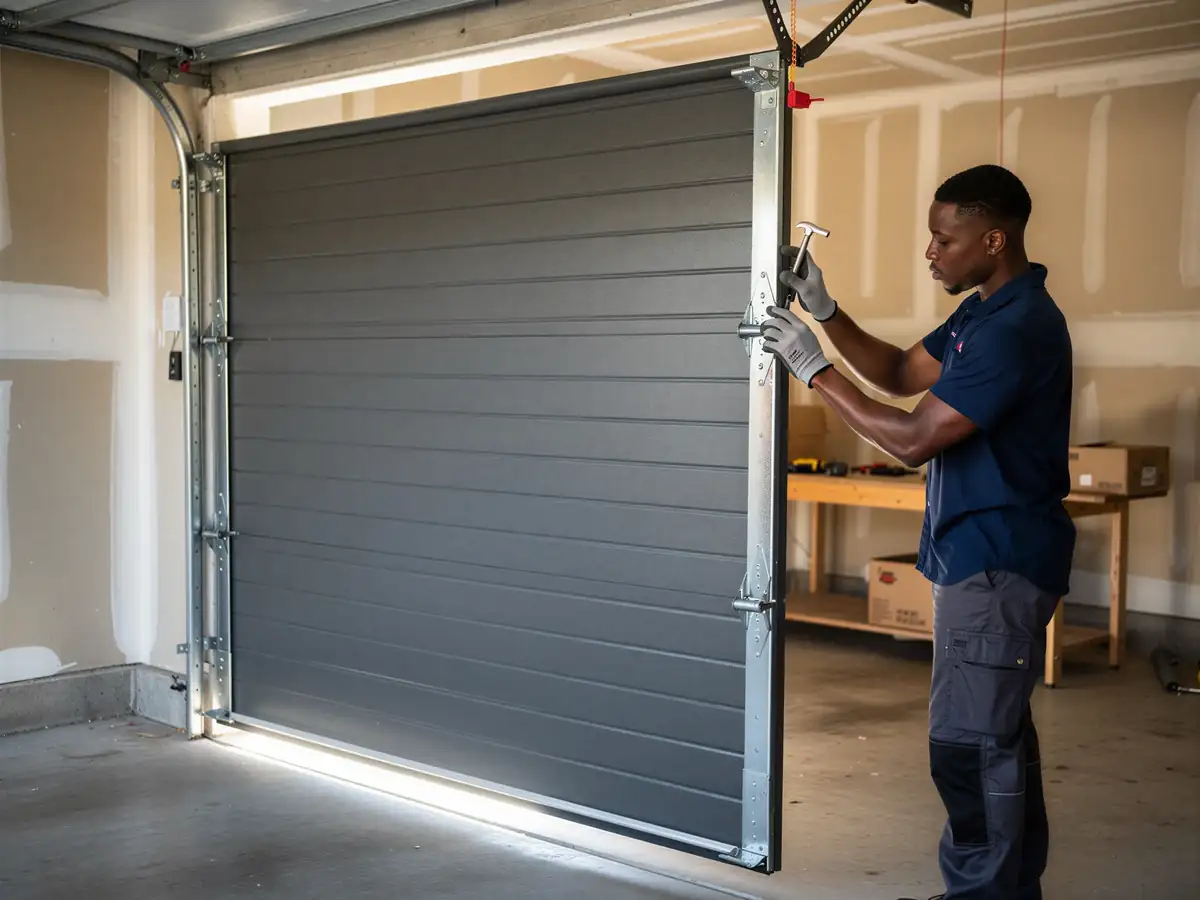
A service call starts with us looking at the door itself
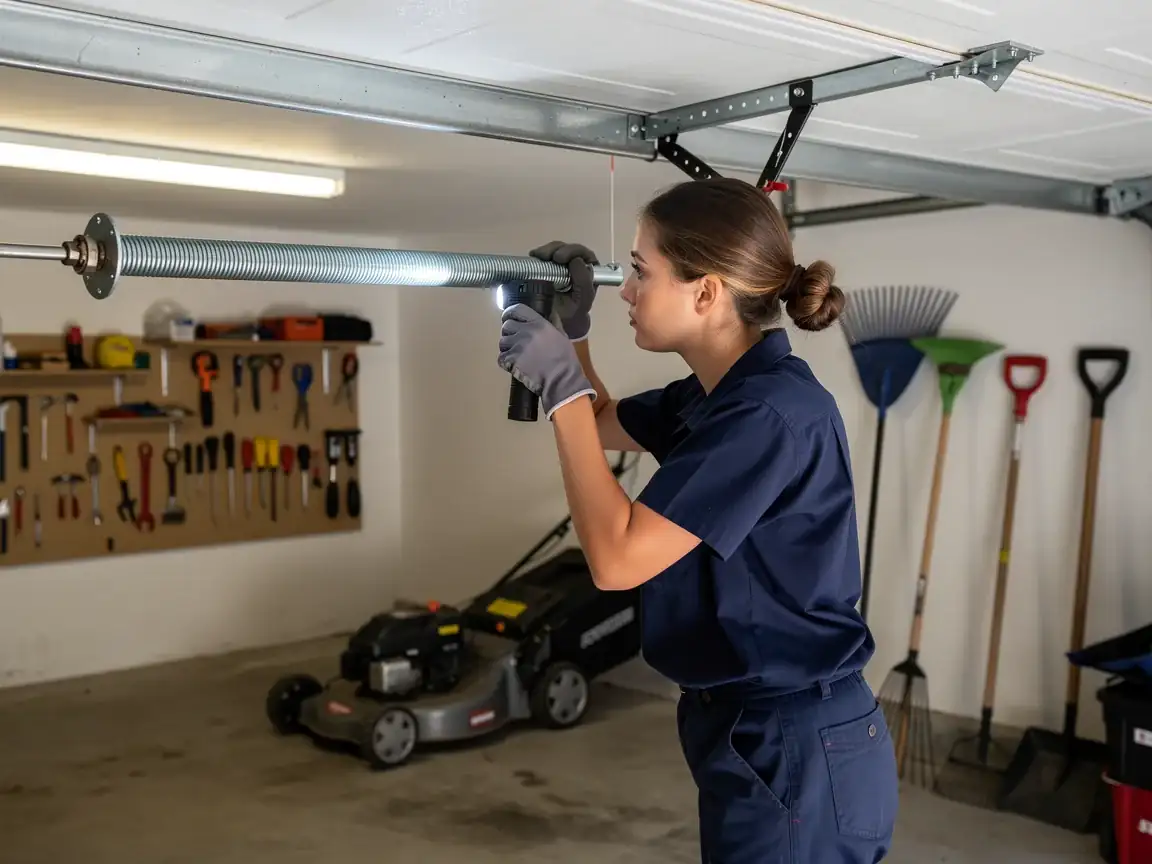
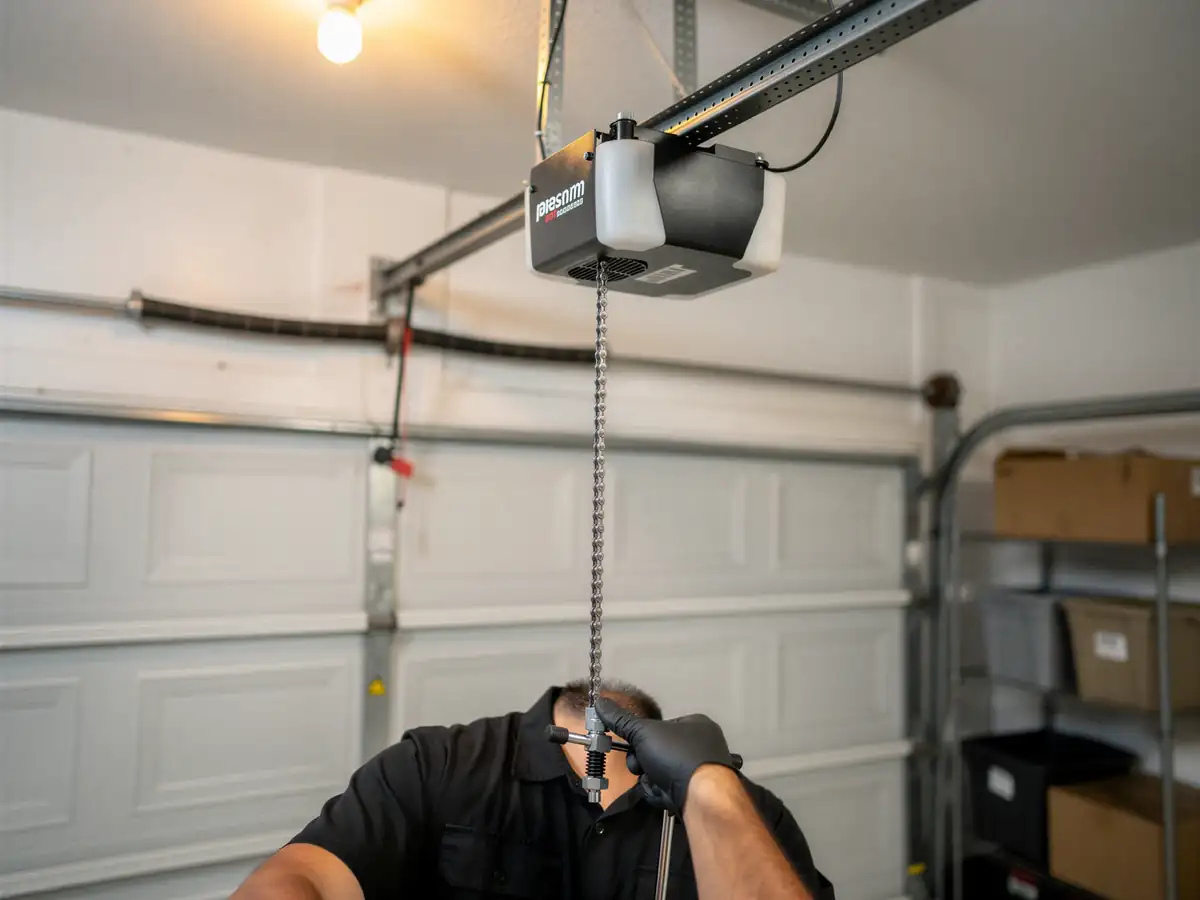
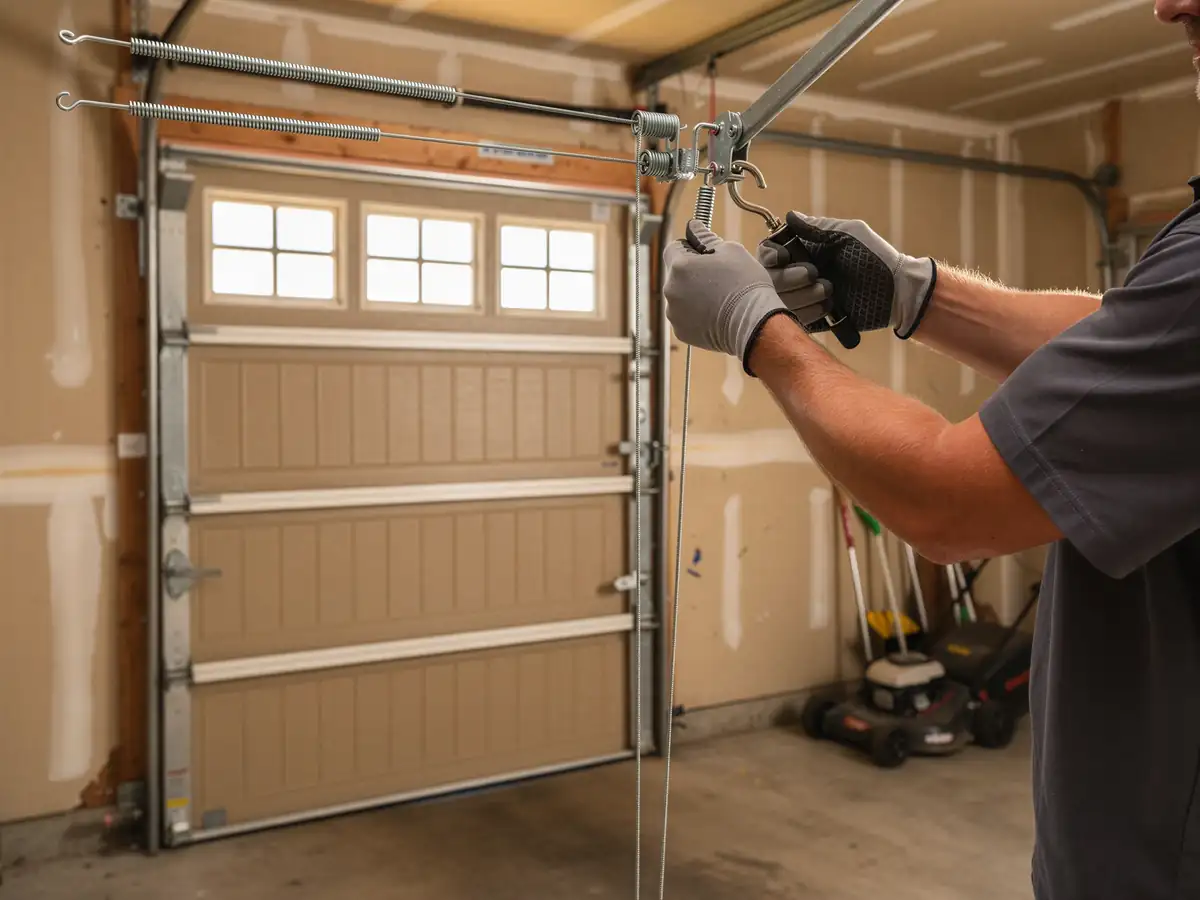
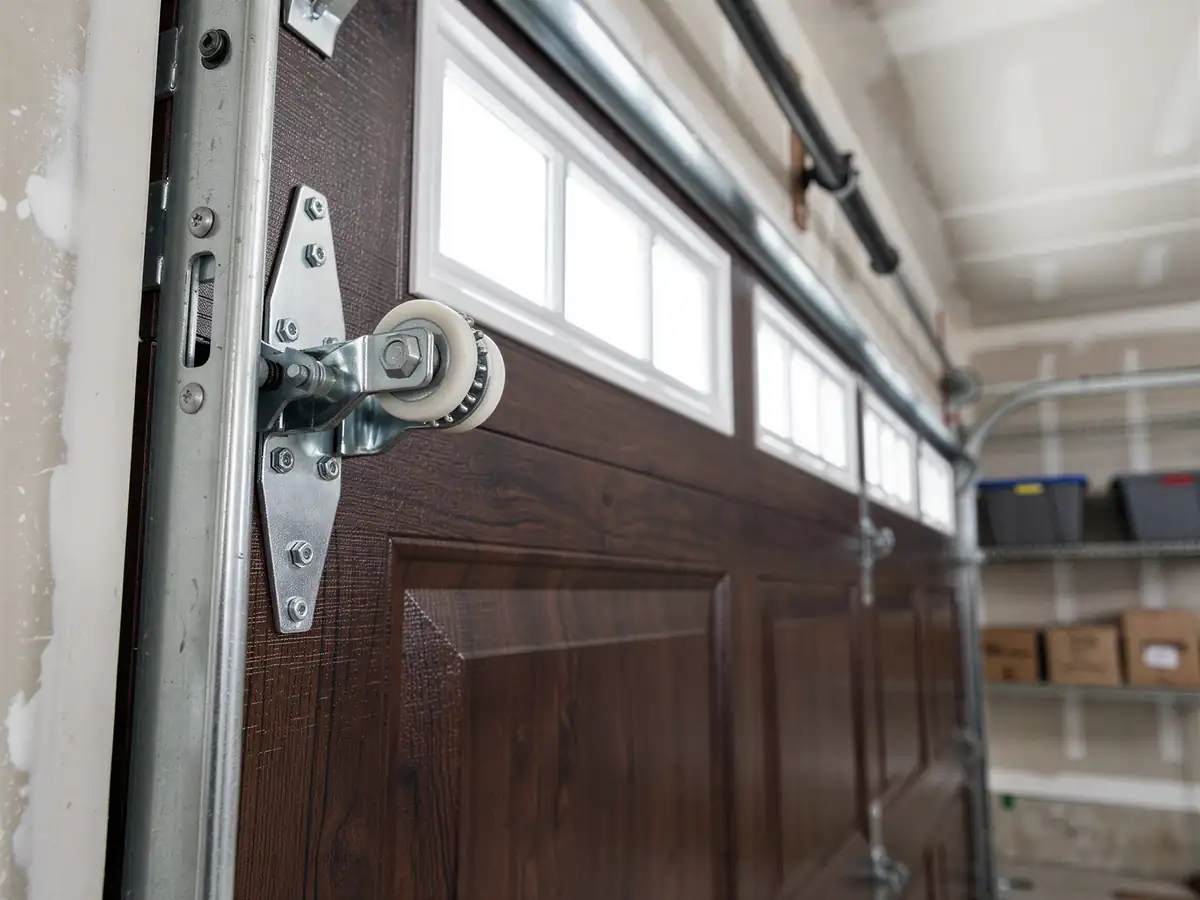
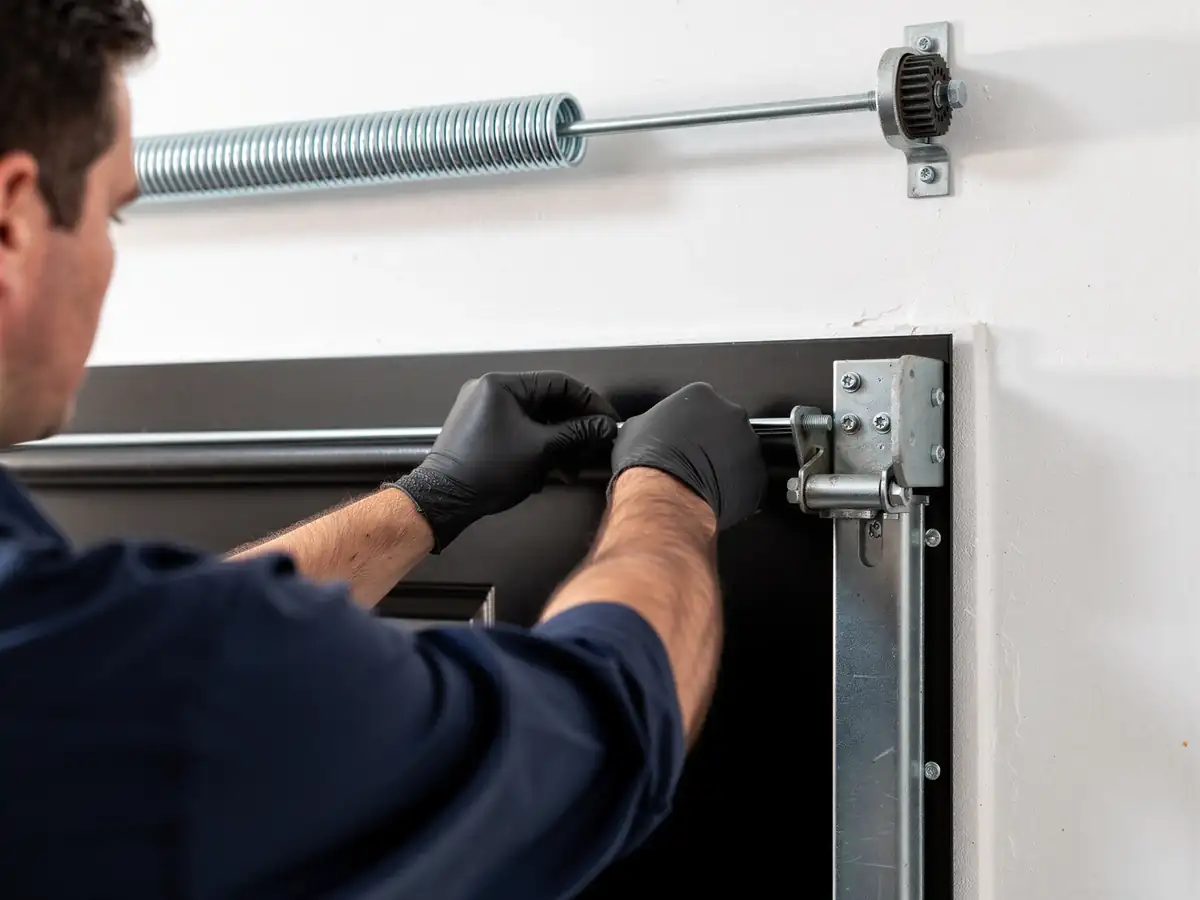
Panel material, track alignment, spring type and size - then the opener, then the wiring and safety sensors. We're not guessing at parts. We're cross-checking against what we know gets installed in houses from this era. If your springs are the thin double-torsion kind common on 80s and 90s builds, we'll say so and explain what replacing them actually involves before we touch anything.
One limitation worth naming here
If your door or opener is a less common brand that wasn't widely sold in this market, parts can take longer to source. We'll tell you that up front rather than promise a same-day fix we can't back up.
When to Call Someone
Call before the door fails completely, not after. A spring that's visibly stretched, a door that slams the last foot of travel, or an opener that strains and reverses - those are all early signs, and on houses built in the 1980s-90s range, that's usually original or near-original hardware finally giving out after decades of cycling.
Don't wait on a cable that's frayed at the bottom bracket. That's not a maintenance item, that's a call-today item, because a snapped cable under tension can bring the door down fast and unevenly.
What doesn't need an emergency call: a door that's just noisy, or an opener remote that's lost its signal. Those are real issues, but they're not safety issues, and you can schedule around your week instead of dropping everything. We'd rather tell you it can wait than run a truck out for something that isn't urgent - that's a judgment call we make honestly, even when it costs us a same-day booking.
How Local Conditions Play In
This area sits in a cold-moderate climate band, which shapes what we look for differently than a service call in a warmer region would. Steel panels contract in winter cold and expand through summer heat, and on doors that are already 20-plus years old, that cycling works at seams and weatherstripping that were never top-grade to begin with. We check weatherstrip condition and bottom seal fit as a standard part of any call here, not as an upsell.
Cold also stiffens lubricant and tightens tolerances on rollers and hinges, so a door that rolls fine in July can bind or jump track in January. If you're calling us in winter about a door that's suddenly louder or harder to lift, that's often the cold exposing wear that was already there, not new damage. We factor that into the diagnosis instead of treating every winter call as a fresh problem.
With roughly 16,948 owner-occupied houses across a service area of just under 30,000 households, we see the same handful of hardware generations over and over, which is part of why we can usually tell what we're dealing with before we open the panel.
The Seasonal Bit
Spring and fall are when we get the calls that should have come in six months earlier
Owners notice the door struggling right as the temperature swings hard one direction or the other, which lines up with the cold-moderate climate pattern here - it's not a gradual slide, it's a season flipping and suddenly revealing what was already failing.
For houses built in the 1965-2005 window, we tell owners the same thing every fall
Get the door looked at before the first real cold snap, not during it. A spring under extra tension from cold steel is more likely to break on a cold morning than on a mild one, and a broken spring on your way out the door in January is a worse morning than a scheduled visit in October.
We don't push annual contracts or recurring plans
We service what's in front of us and tell you honestly whether it needs attention now or can wait a season. That's the extent of what we offer: straight diagnosis, straight pricing on parts, no add-ons that don't match what's actually wrong with your door.