Why This Fails Locally
Housing across this service area was mostly built between 1965 and 2005, with the bulk of it going up in the 1980s and 90s. That matters because openers installed during original construction, or replaced once in the 90s or early 2000s, are now old enough that the internal gears are plastic-on-plastic designs that were never meant to run 25-plus years. Across the 14 communities we cover, from Limestone five miles out to Inola twenty miles out, that same 1980s-90s stock dominates, so the same chain-drive and screw-drive units are wearing out on roughly the same timeline. On top of the age issue, this area sits in a cold-moderate climate band. Winter cold thickens the grease on the drive gear and worm screw, which makes the motor work harder on every cold start, and that's exactly the stress that finishes off a gear that's already worn thin. It's not a coincidence that we get more dead-opener calls after a cold stretch - the part was already failing, the cold just finished the job.
What the Fix Involves
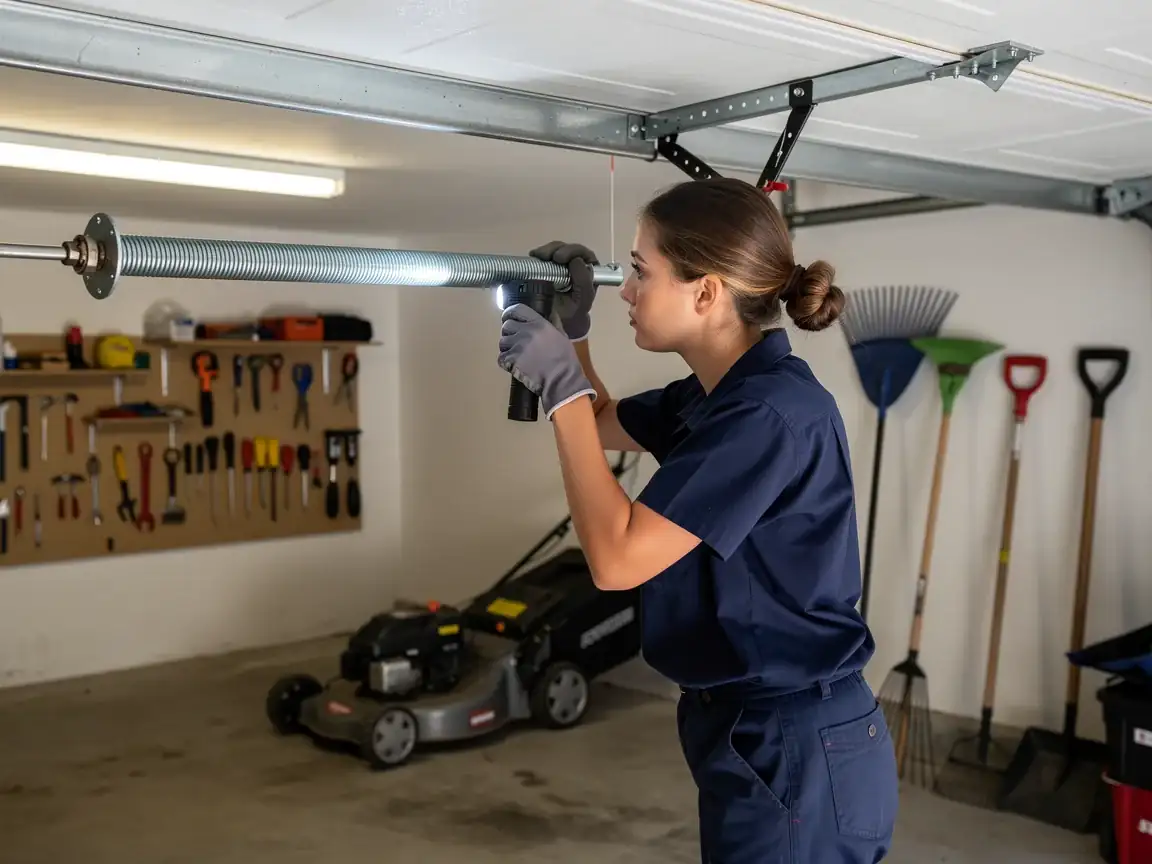
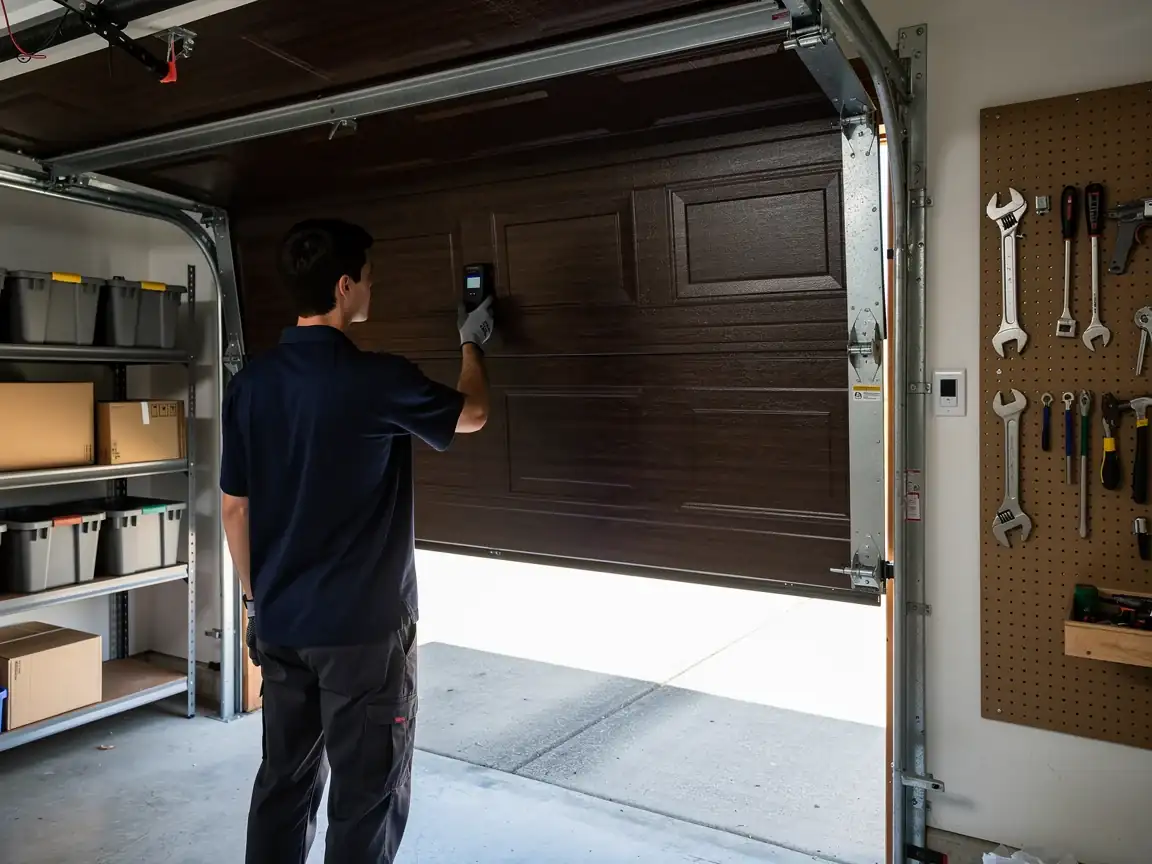
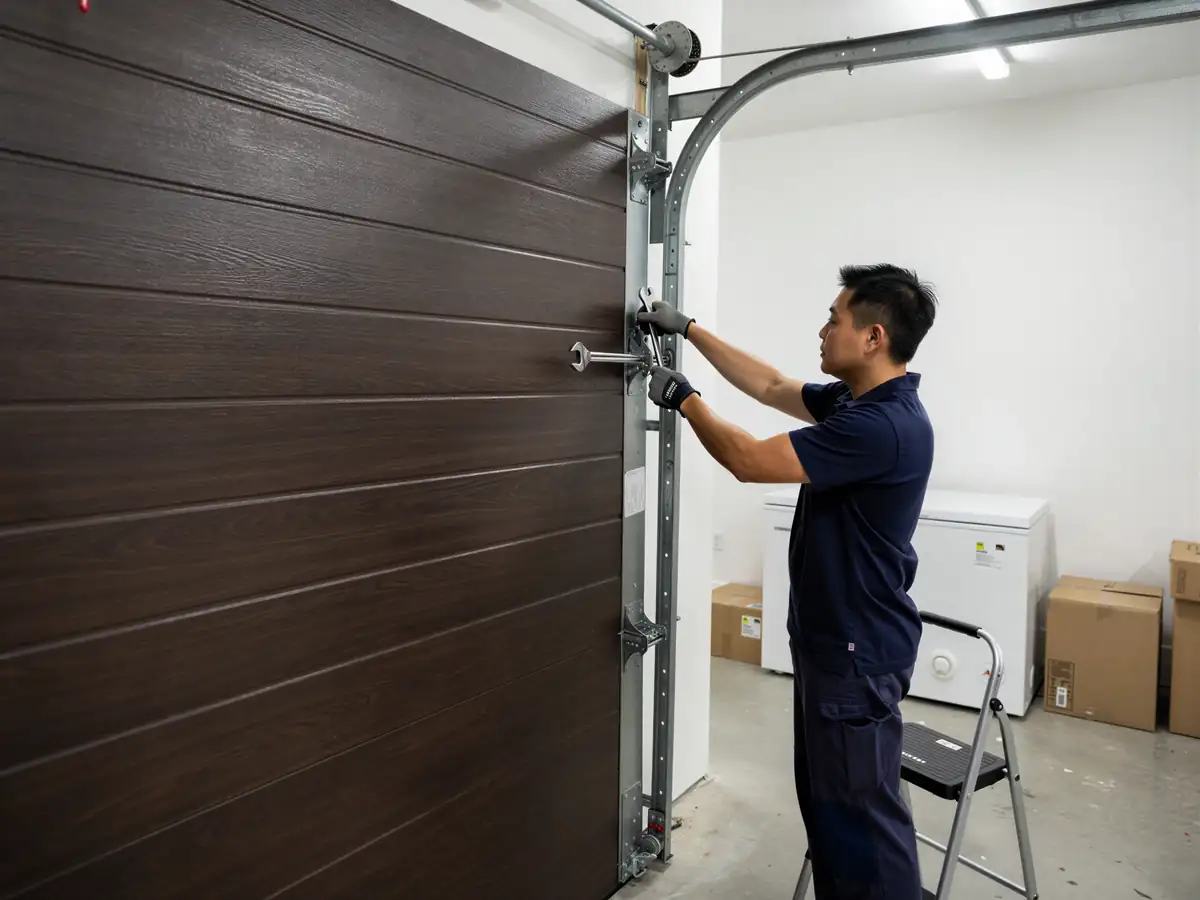
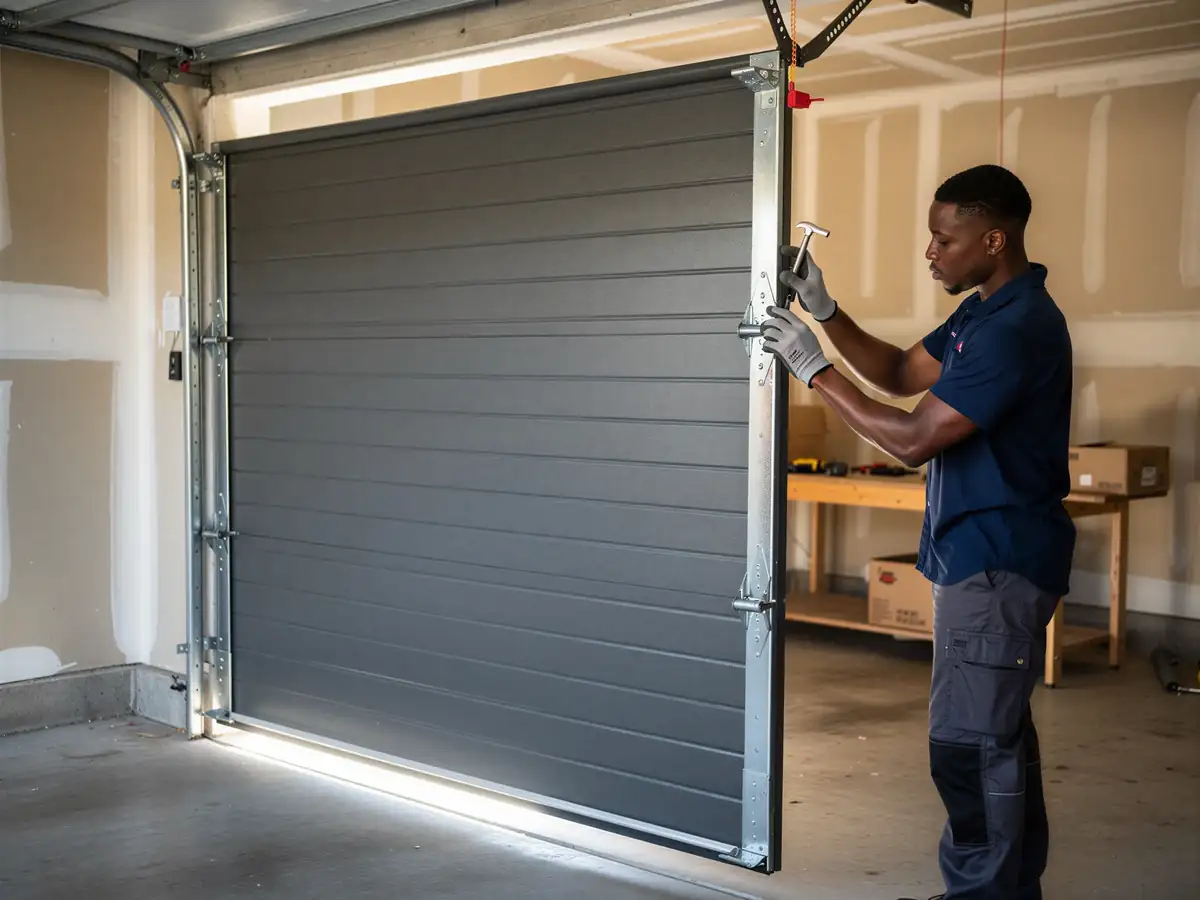
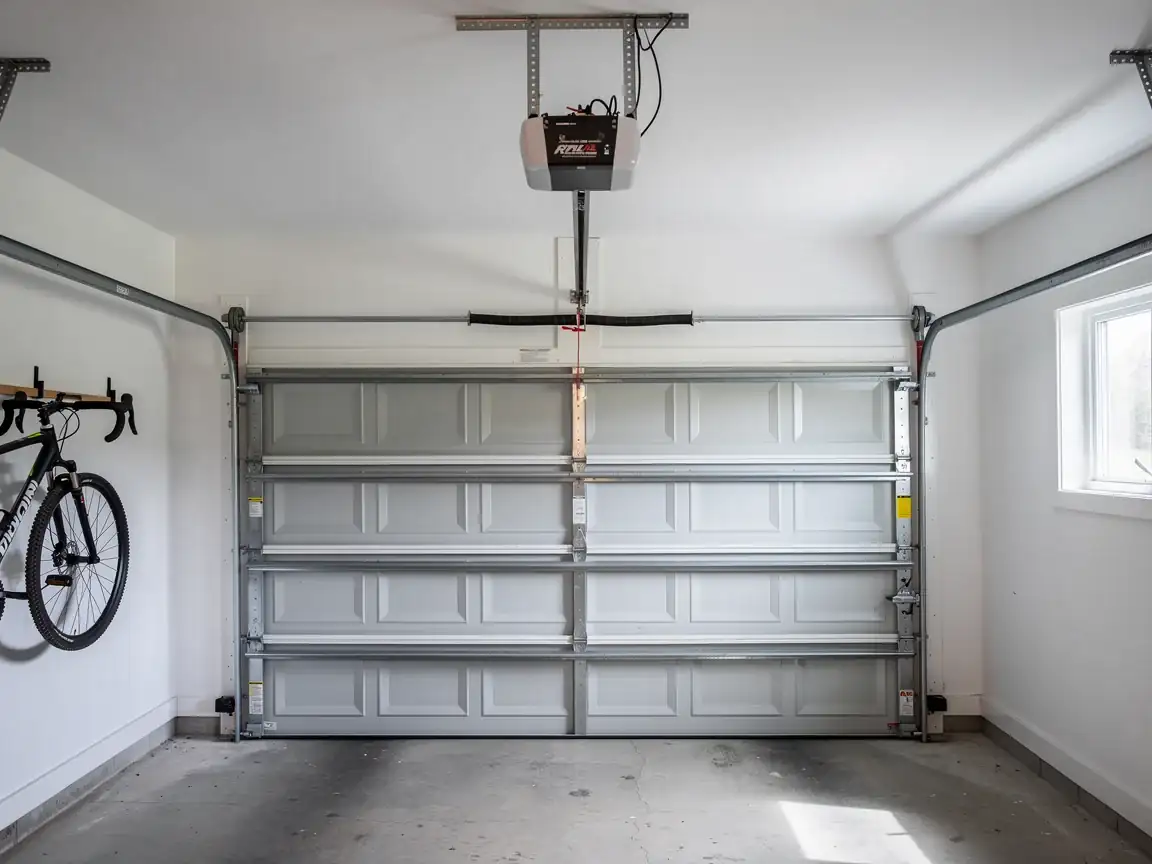
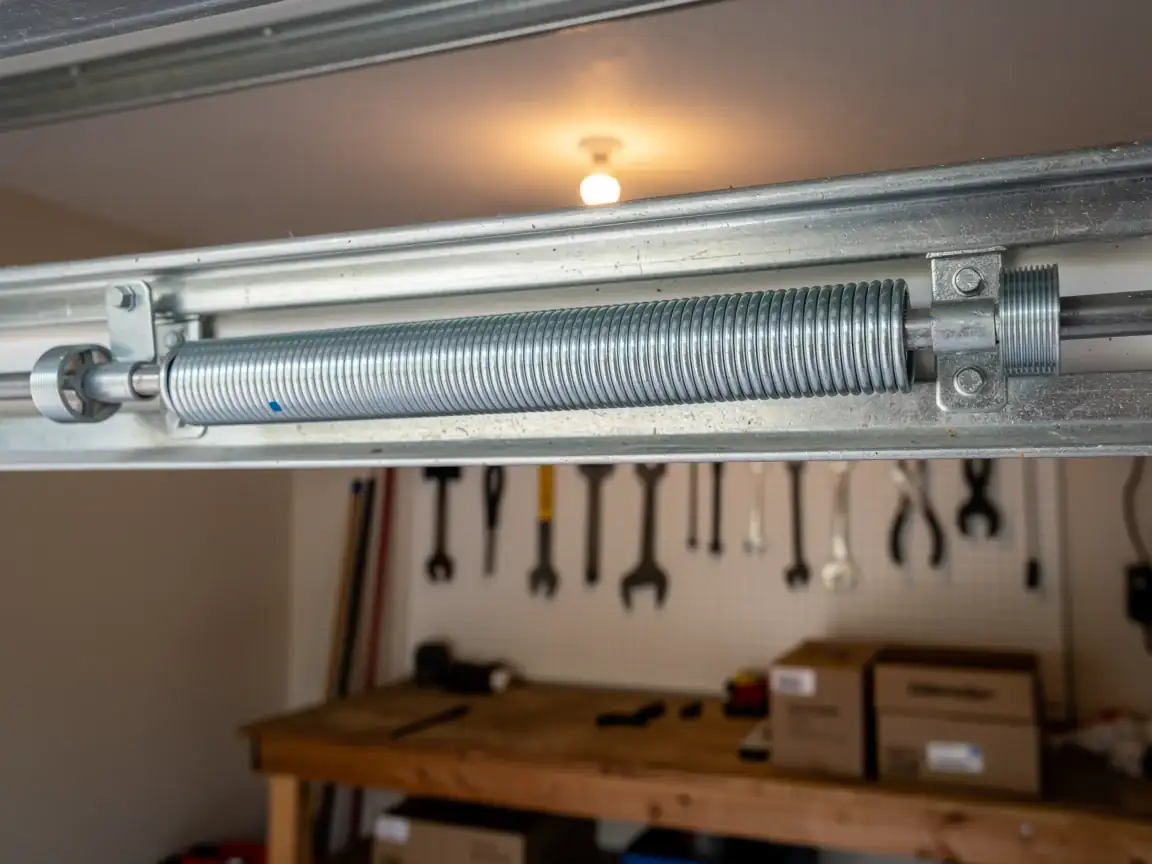
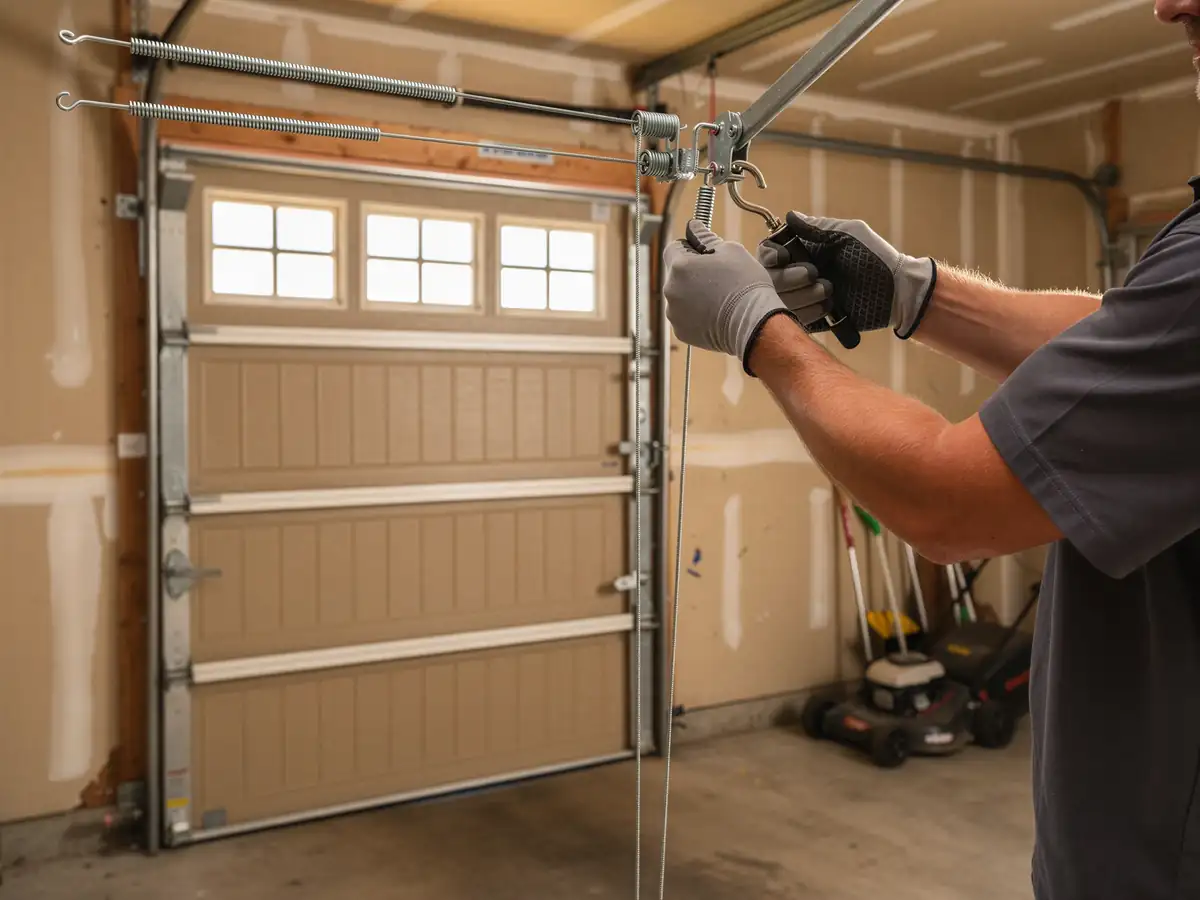
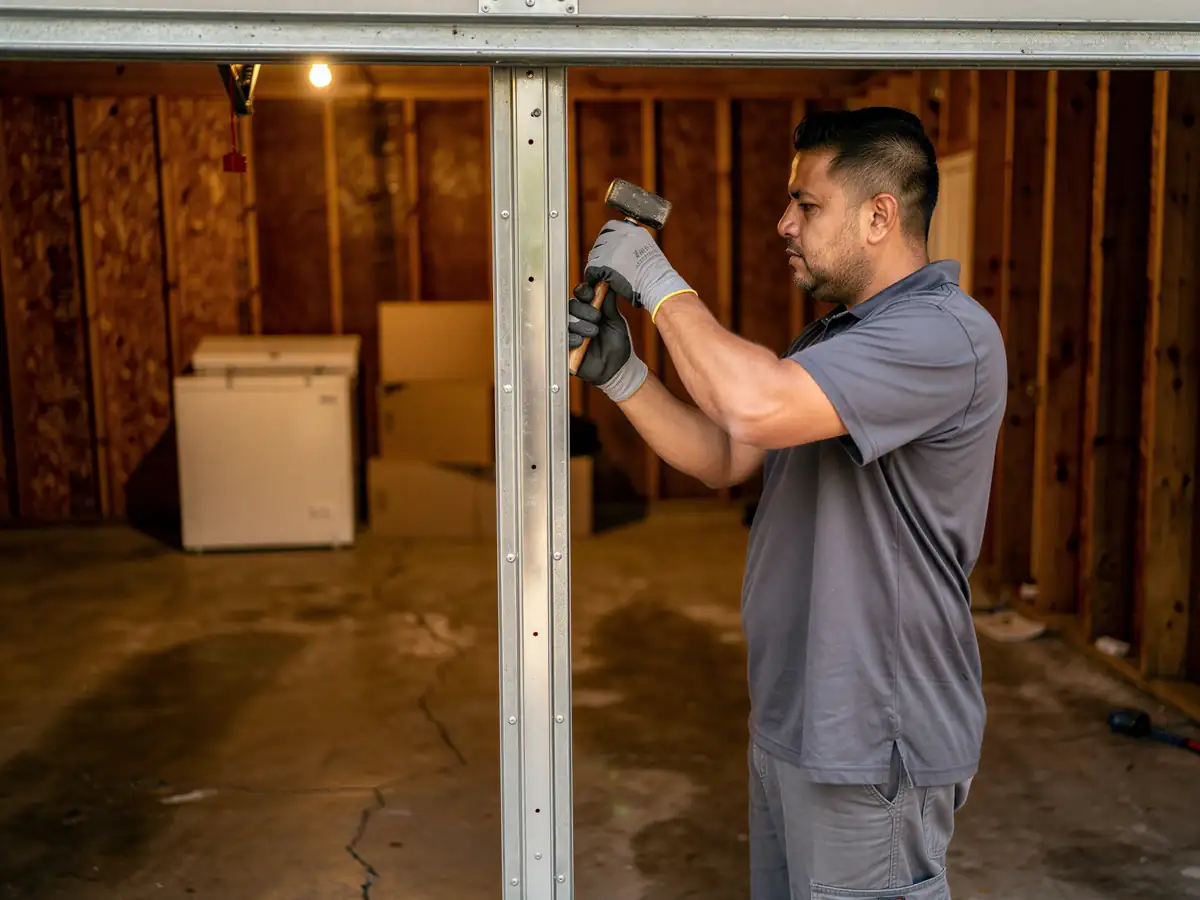
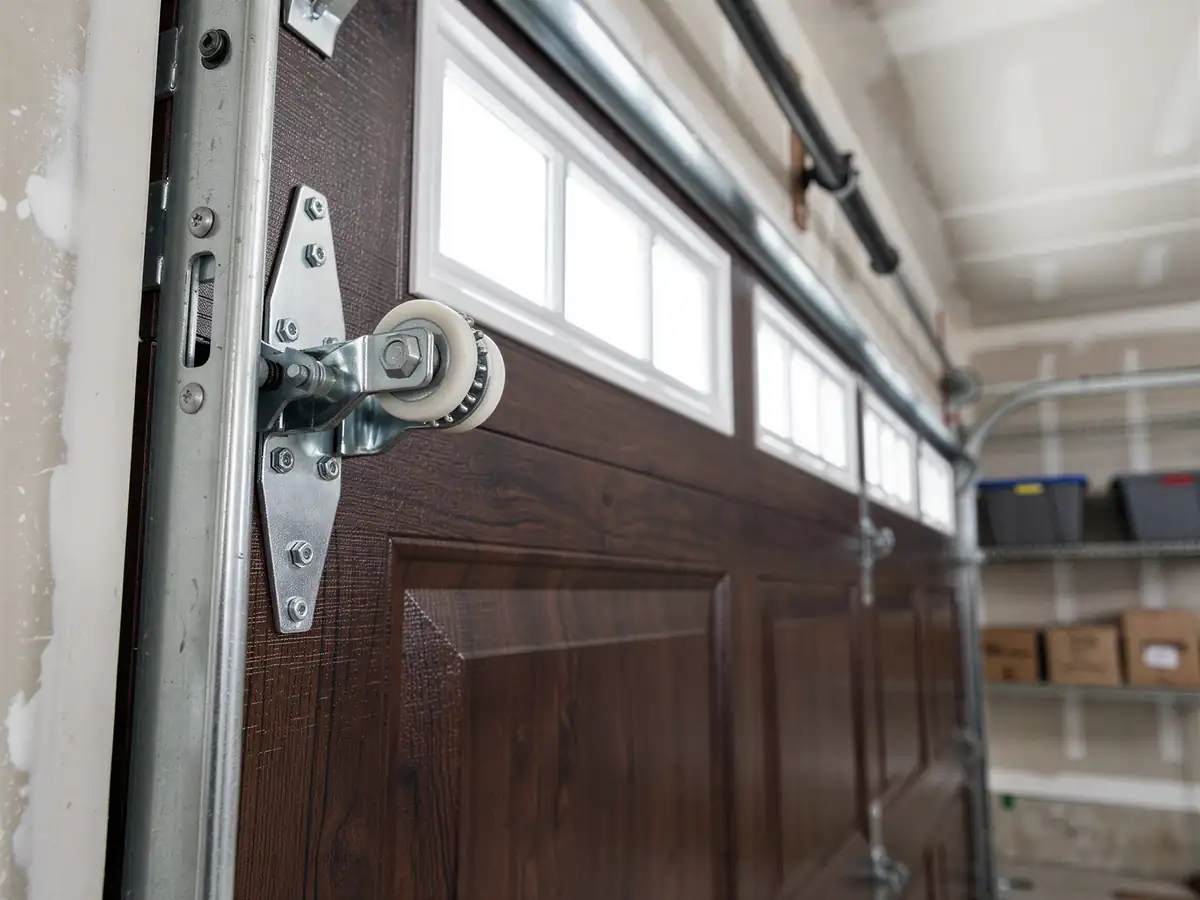
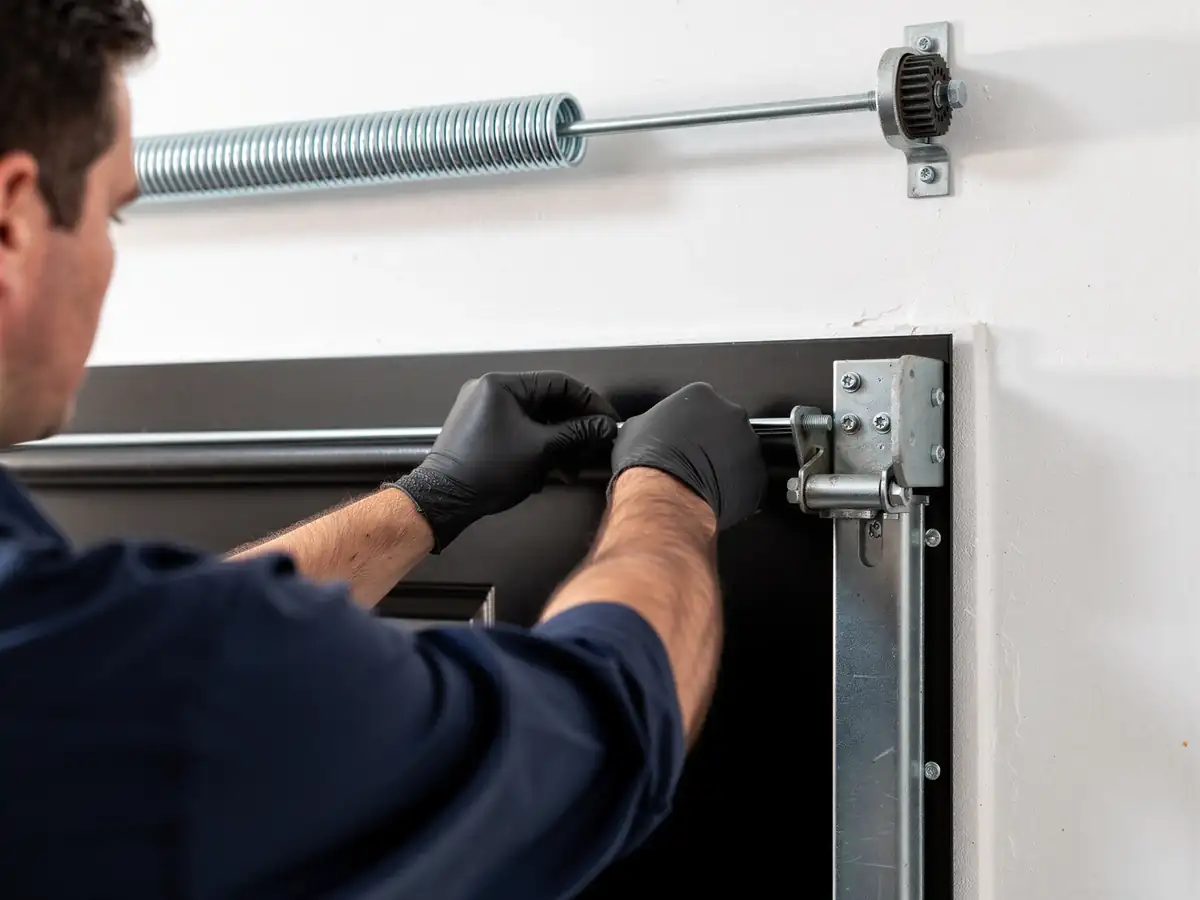
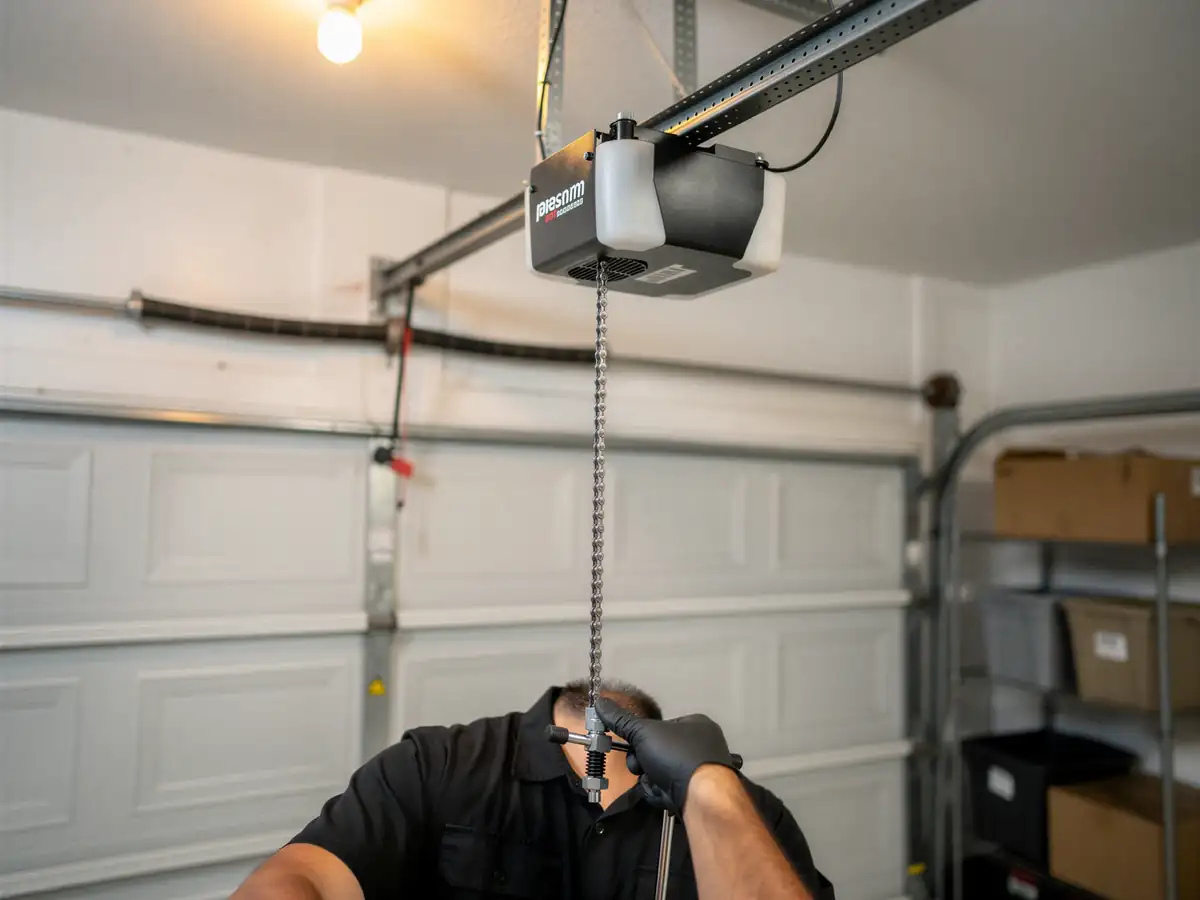
We start by running the door on manual release to rule out a spring or track problem, since a dying opener is sometimes just compensating for a door that's hard to lift. Once we confirm the opener is the fault, the repair usually comes down to one of a handful of parts: the drive gear and sprocket kit inside the motor housing, the capacitor, the logic board, or the safety sensors mounted near the floor on each side of the track. Gear kits and capacitors are the most common fix and the most affordable - they get an old chain-drive unit running like new without replacing the whole motor. A bad logic board or a motor with a burned-out winding is a different conversation; past a certain point the labor to keep rebuilding an old unit costs more than a new opener, and we'll tell you straight when you're at that line instead of nickel-and-diming a dying motor. We don't carry every opener brand's board on the truck, so a board replacement sometimes means a short order wait rather than a same-visit fix.