What You Are Seeing
The door stops moving square
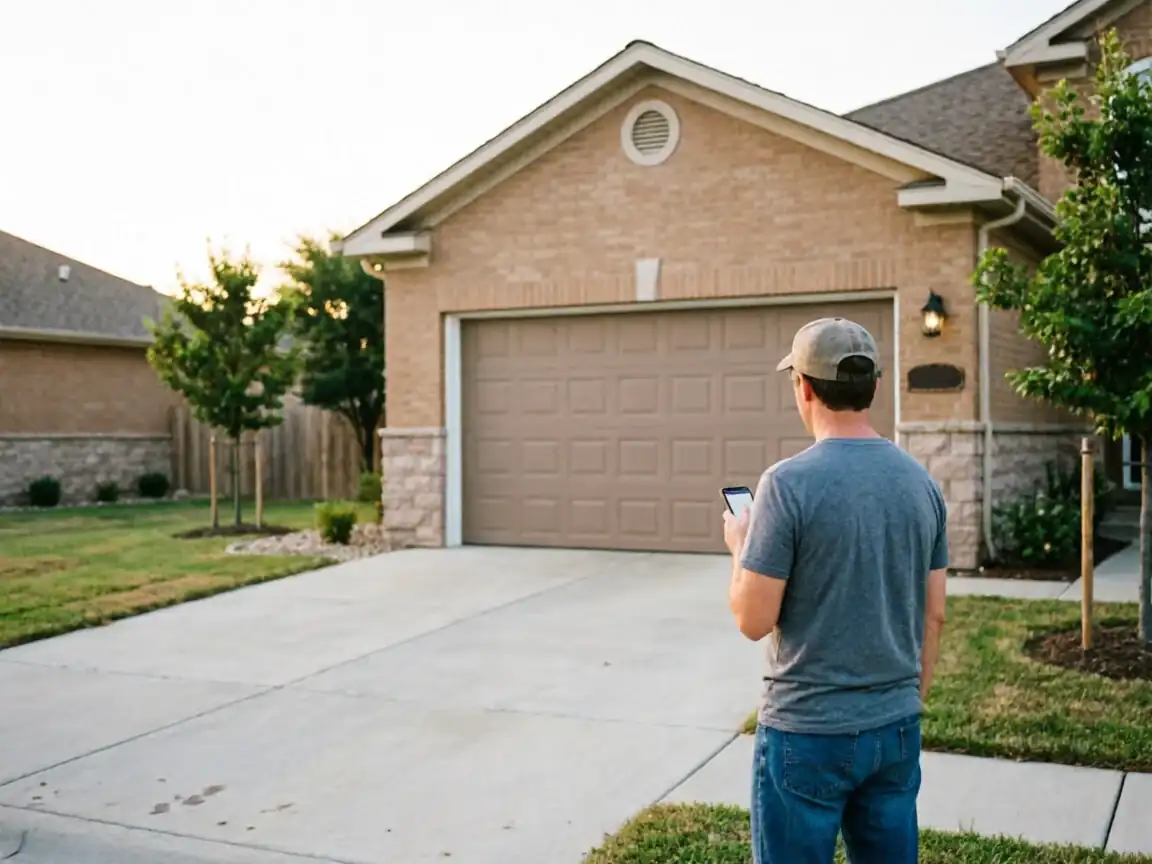
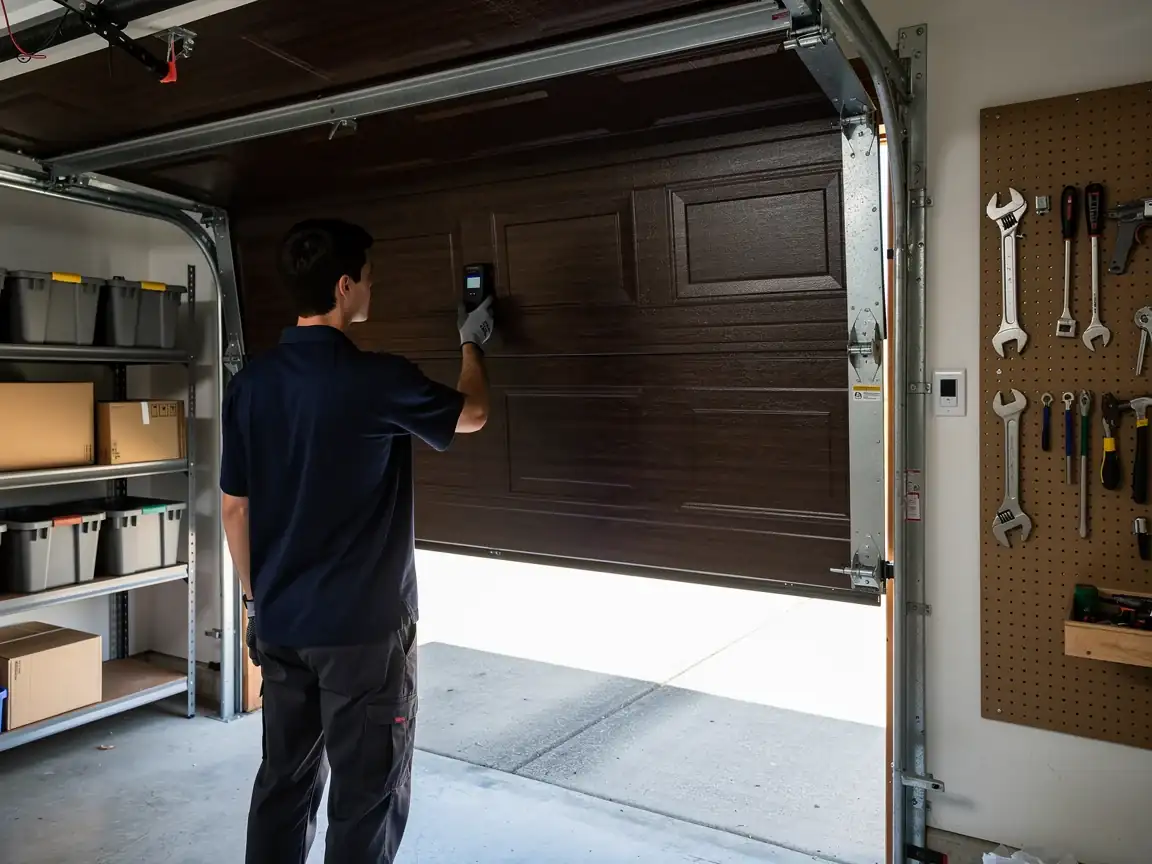
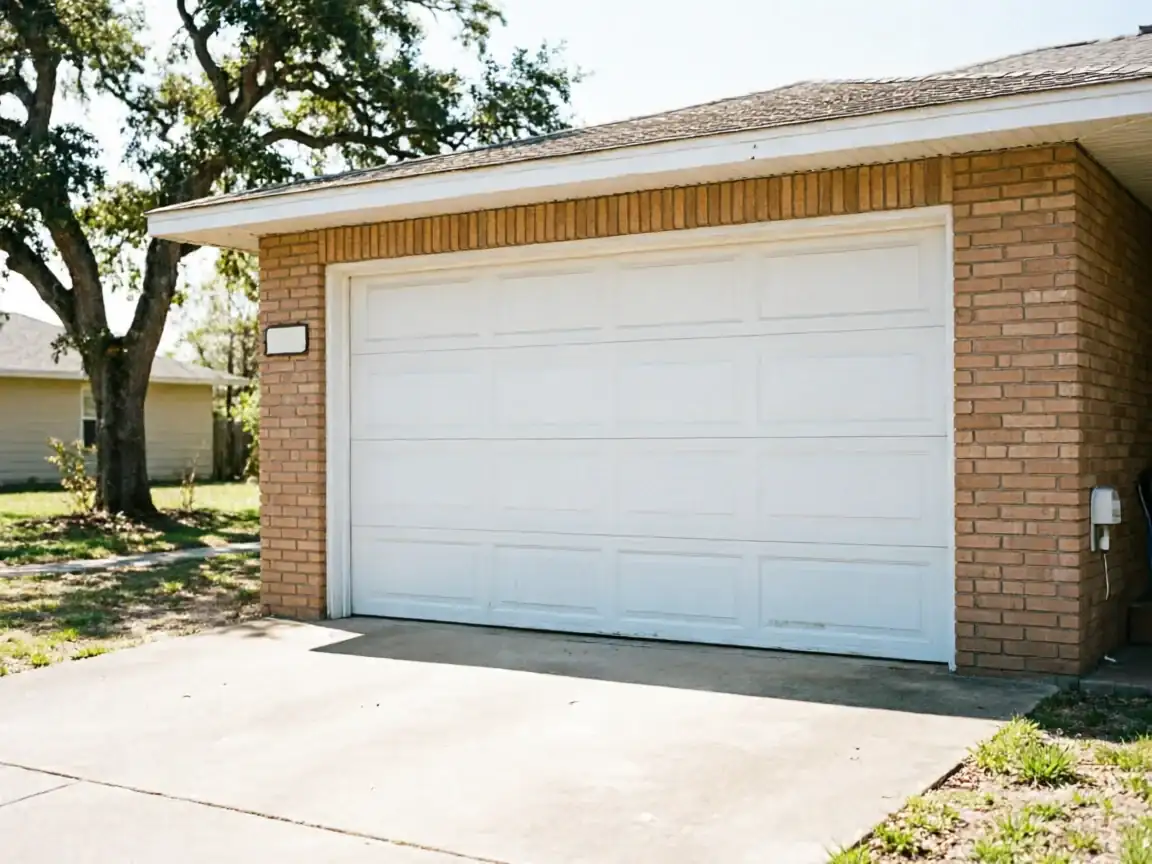
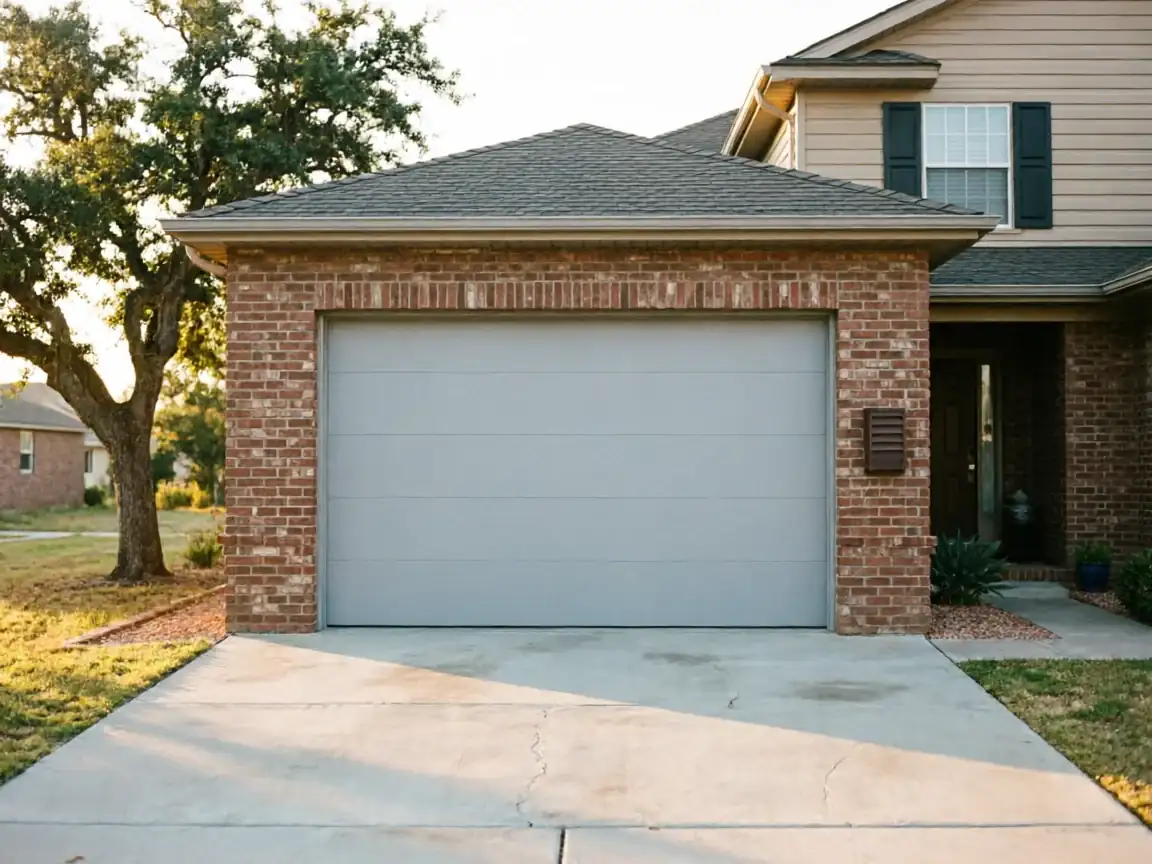
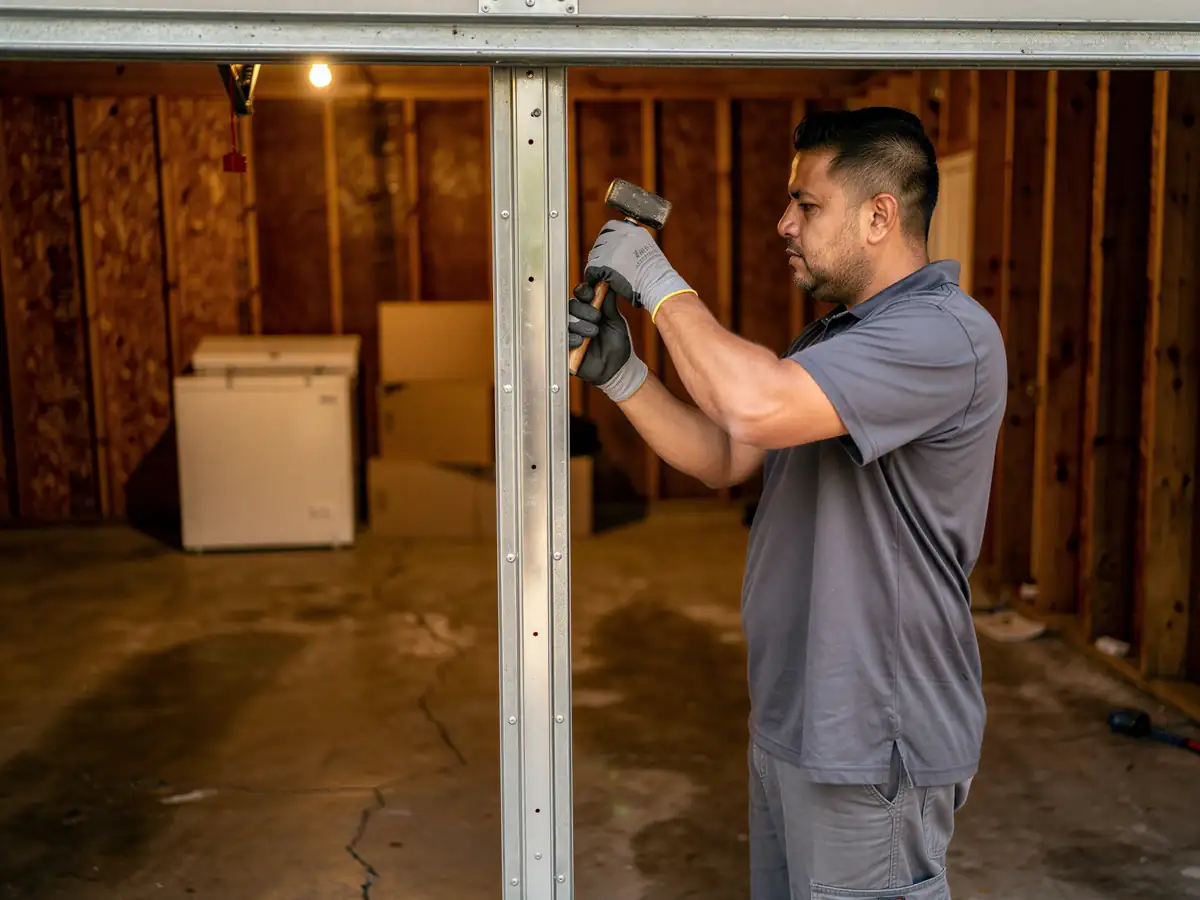
One corner hangs lower than the other, or the bottom panel has twisted out of the vertical track entirely and sits at an angle against the frame. Sometimes it's subtle - a roller popped loose at a bend and nobody noticed until the door jammed halfway. Sometimes it's obvious: the door came down crooked and now won't budge either direction.
In Catoosa, median year built sits at 1986
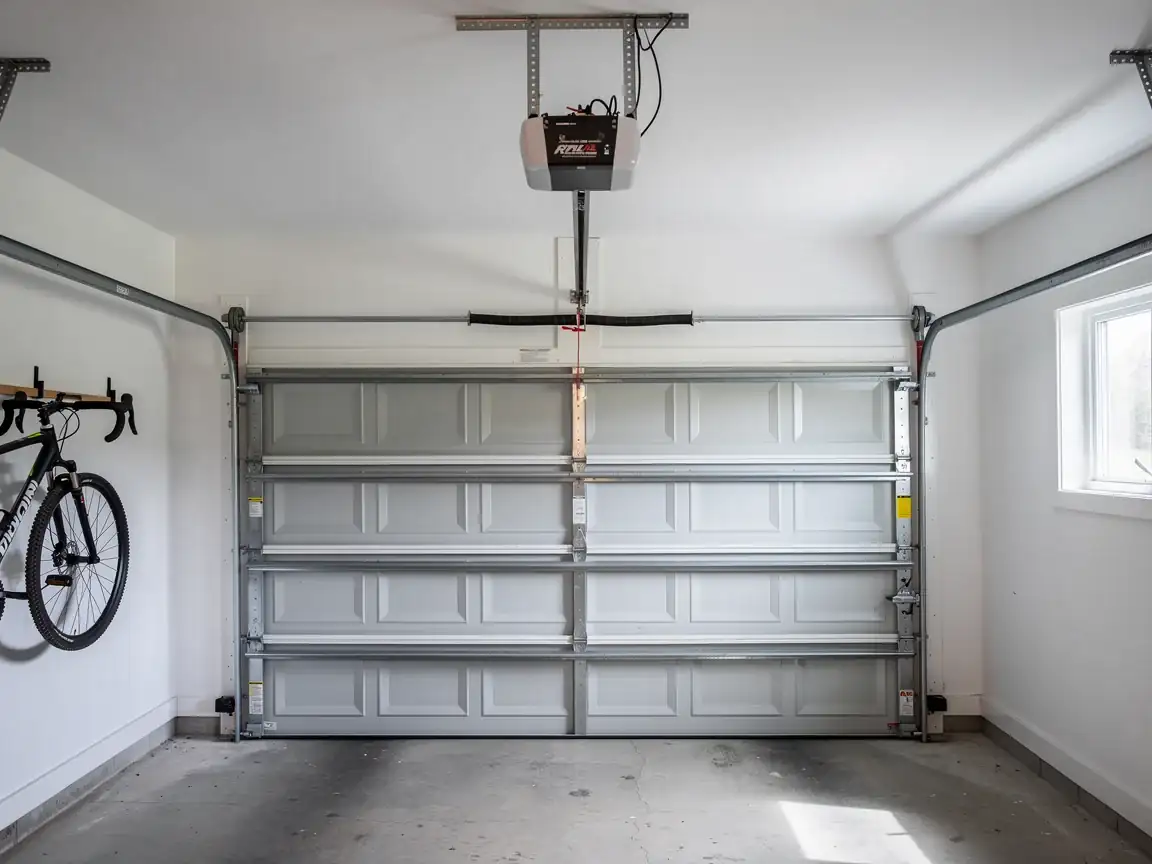
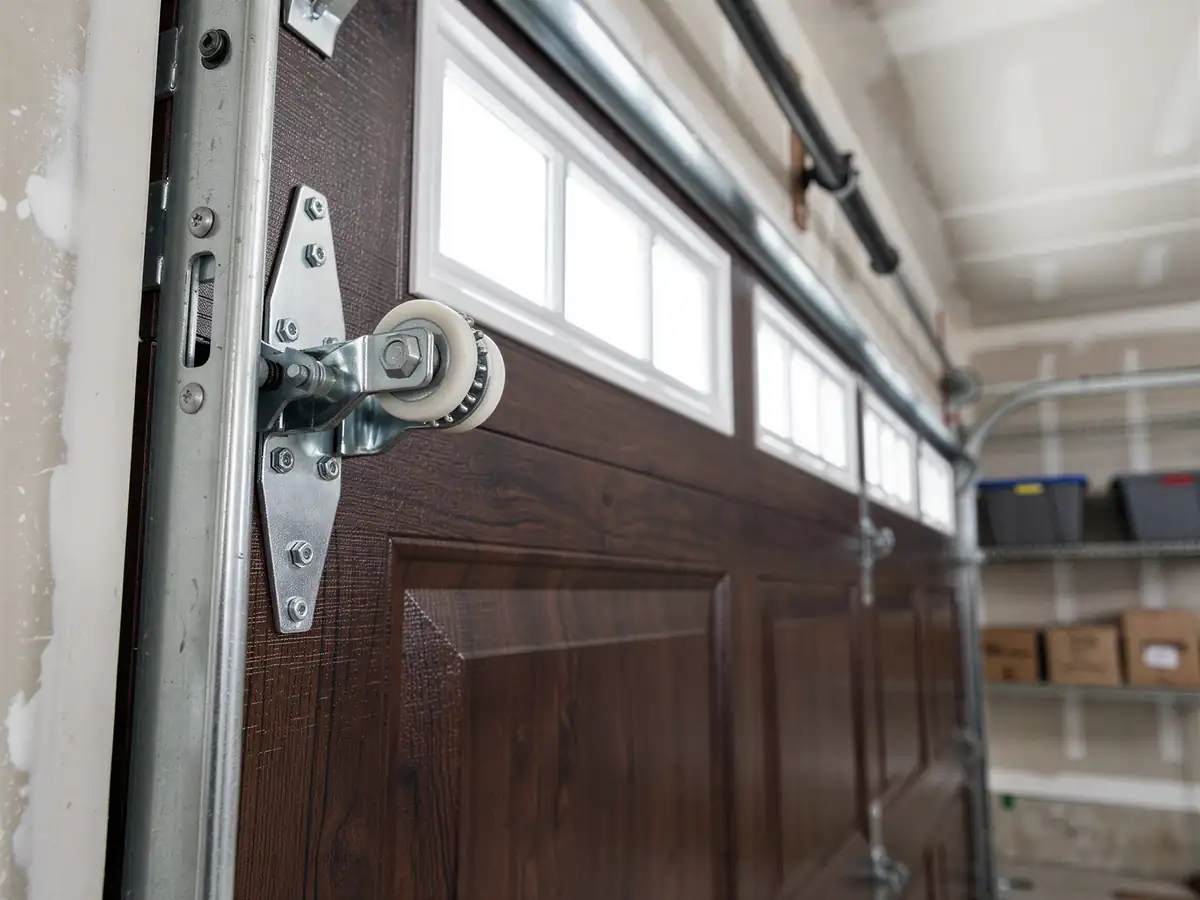
Which puts a lot of these doors well past the point where original track brackets and roller hardware hold tight. Galvanized steel track from that era was fastened with jamb brackets that loosen over decades of thermal cycling - expansion in summer, contraction in a Northeast Oklahoma winter. Add a slightly out-of-plumb jamb, common in houses this age that have settled, and a roller eventually rides up over the track lip instead of through it. That's the moment the door comes off track, and it rarely fixes itself by running the opener again.
How Long It Takes
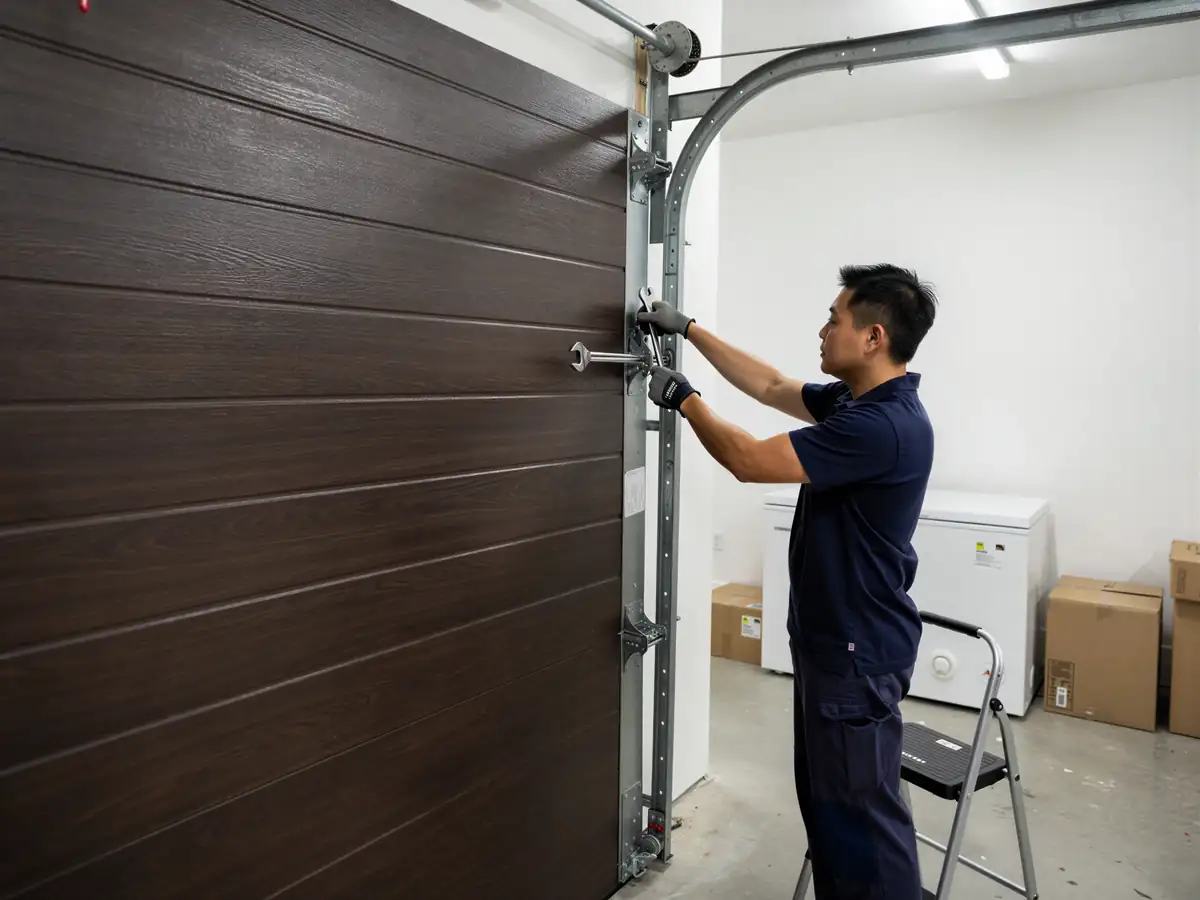
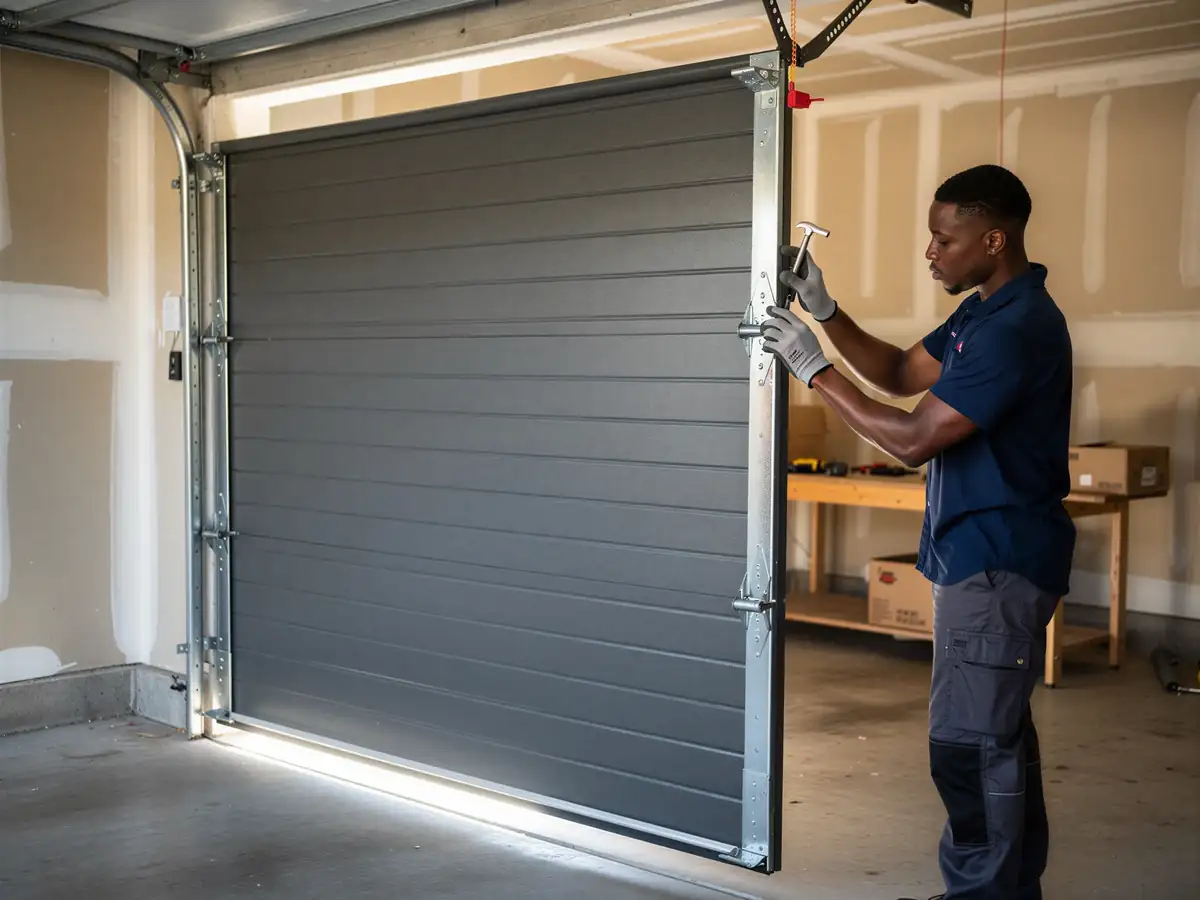
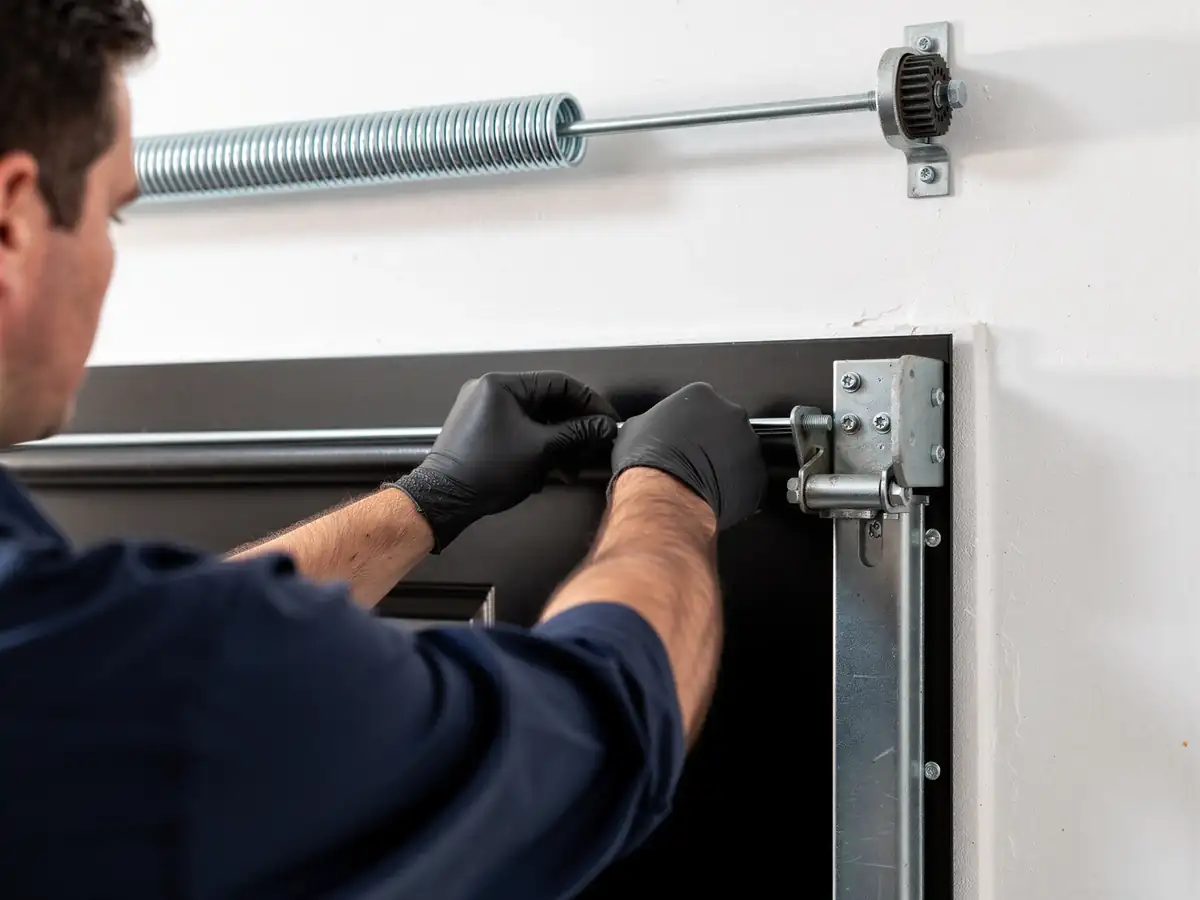
Most off-track calls are a single visit. If the track itself is just bent at the point the roller jumped, we can often re-seat the door, straighten or swap the damaged section, and re-tension - done in one trip from Owasso, about 8 miles up the road to Catoosa.
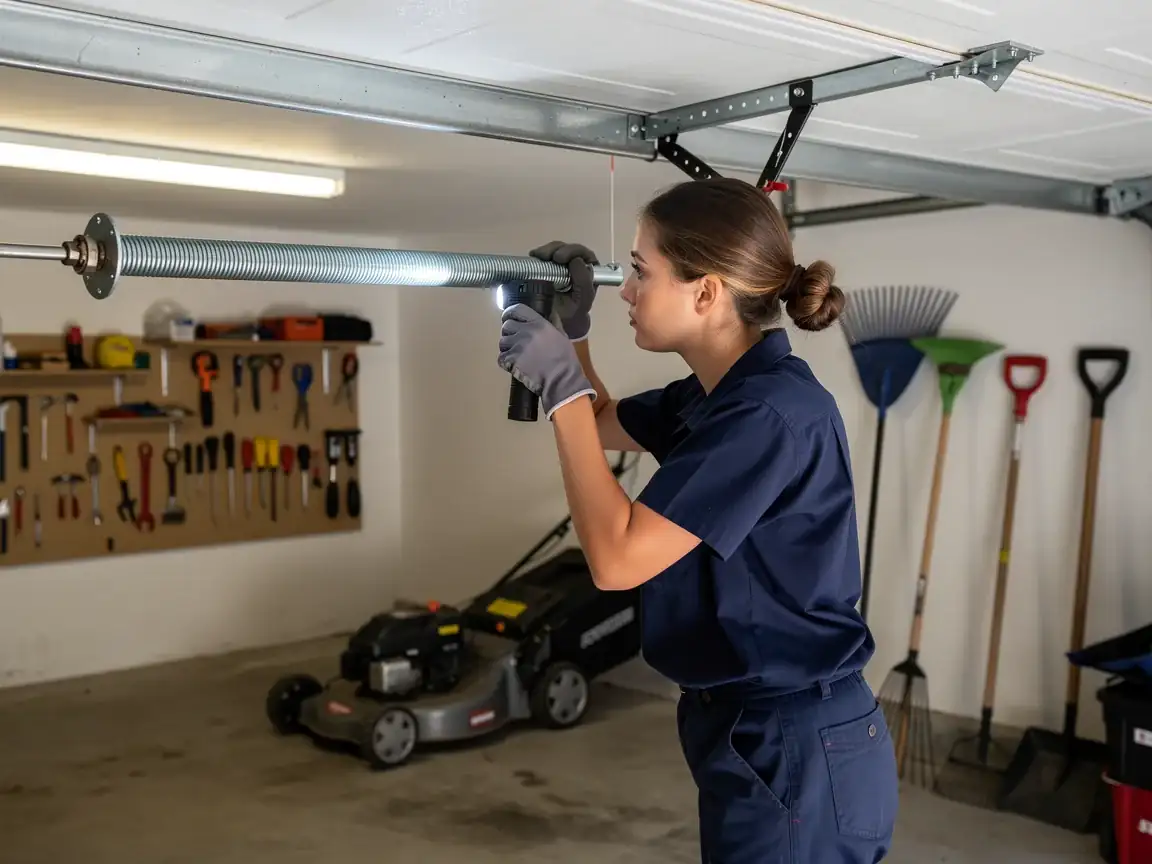
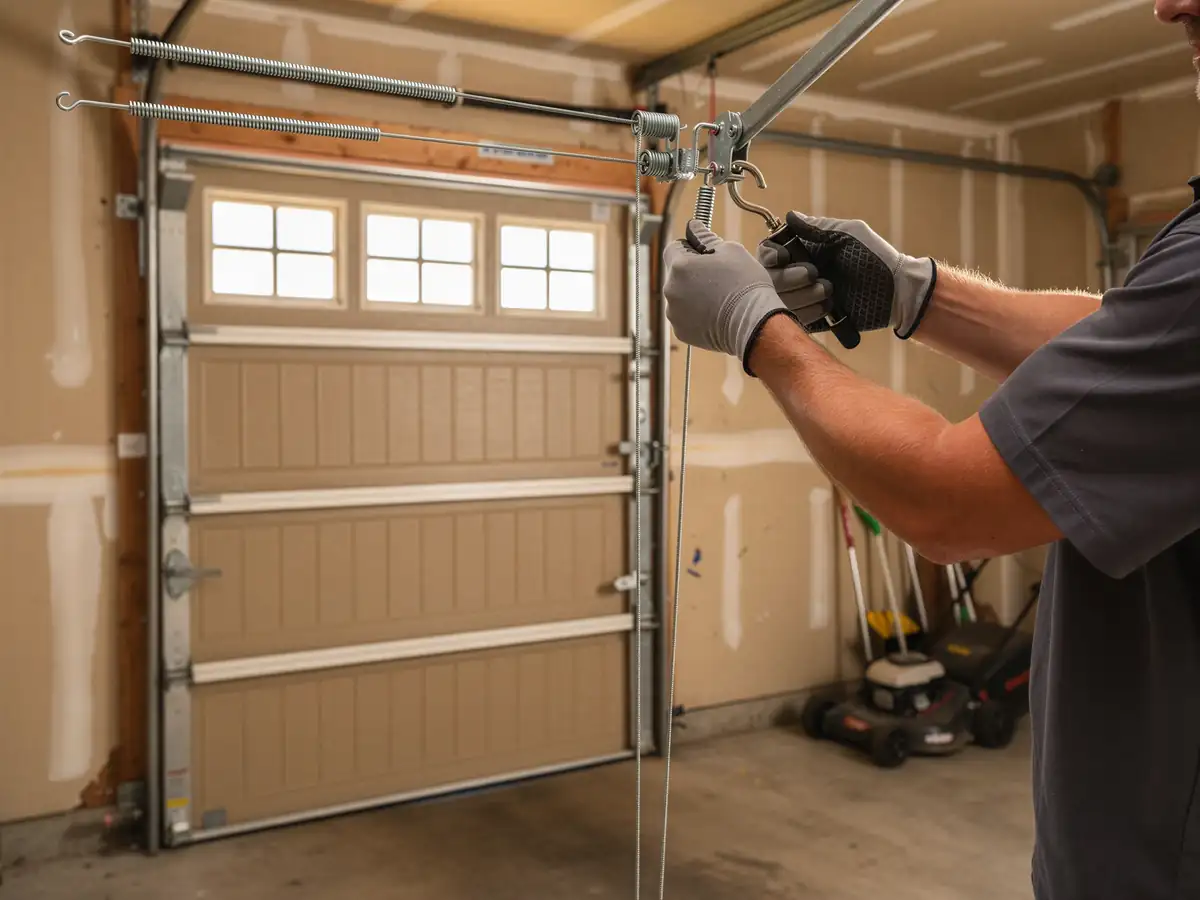
It runs longer when the cable came off the drum at the same time the door jumped, which happens more often on doors with original 1980s-era extension spring setups than on newer torsion systems. That's two problems stacked on top of each other, not one, and it takes longer to sort out safely than a single bent track bracket does.
The Complications
The complication we see most in this part of the service area is hardware mismatch. A door built or installed around 1986 sometimes has replacement rollers or brackets from three different repair visits over the decades, none matching the original spec. When a track comes off, we're not always re-seating like-for-like parts - we're working out what's actually holding the door up before we touch anything.
The other complication is the frame itself. Houses from the mid-1980s in this stretch were framed to the codes of their decade, and over close to forty years some jambs shift slightly out of square. A door that keeps coming off the same side, more than once, usually isn't a track problem at all - it's a jamb problem wearing a track problem's symptoms. We'll tell you straight if that's what we're looking at, because re-tracking a door against a jamb that's moved just means it comes off again.
Why This Fails Locally
This isn't a generic wear-and-tear story
Catoosa's housing stock clusters tightly around 1986, which means a large share of the doors we get called to here are carrying original or first-generation-replacement track hardware of a specific age and spec - not the mixed-era stock you'd find somewhere with more scattered construction dates. Across the wider 14-area service territory the build years run 1965 to 2005, but Catoosa itself sits close to the middle of that range, and it shows in the kind of track failure we see: bracket fatigue and roller wear, not the newer nylon-roller-on-steel-track mismatches you get in houses built after 2000.
We don't keep a crew stationed in Catoosa
Every call here is a dispatch from Owasso, roughly 8 miles out, which we're upfront about so you're not expecting a same-minute knock on the door. If your door is older than the house and nobody's touched the track hardware in years, that mismatch is often the real reason it came off, not anything you did running the opener.
- 8 miles