Catoosa homes mostly date to the mid-80s building run. See what that means for door hardware, install time, and the repair-vs-replace line at local income levels.
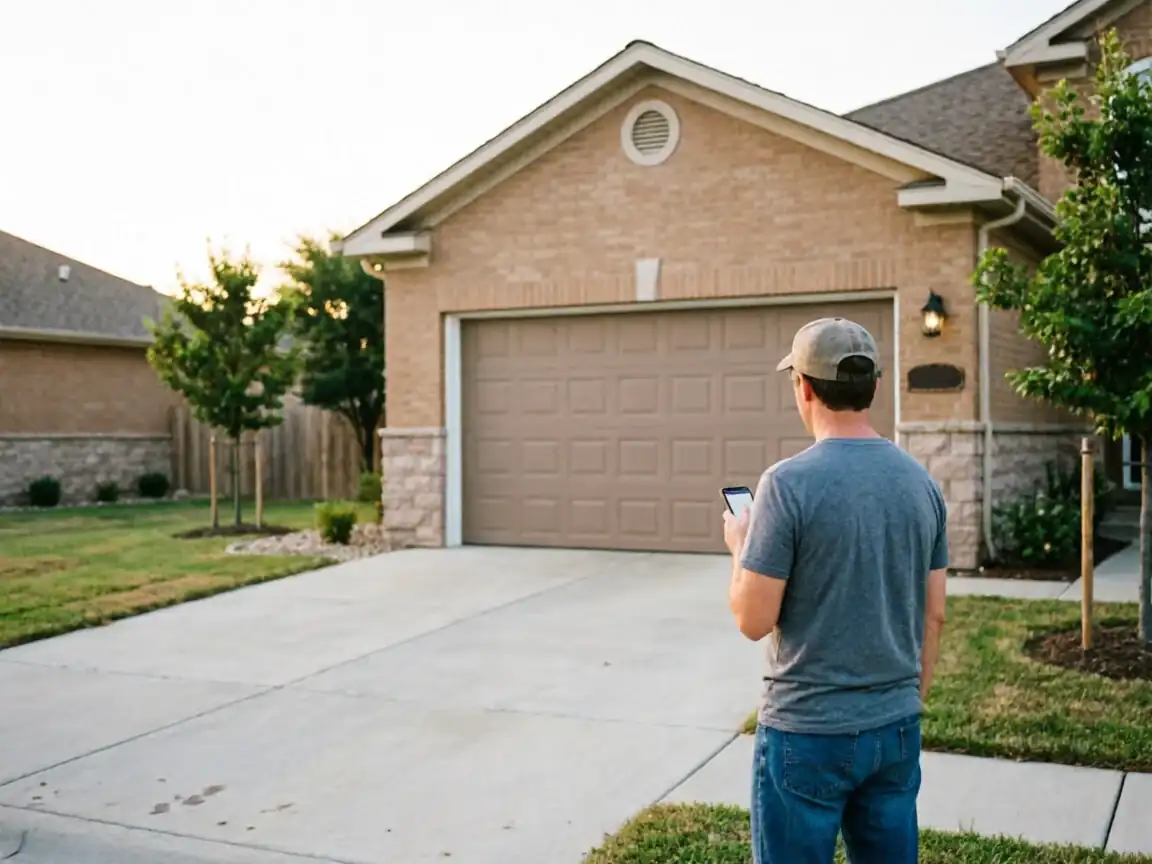
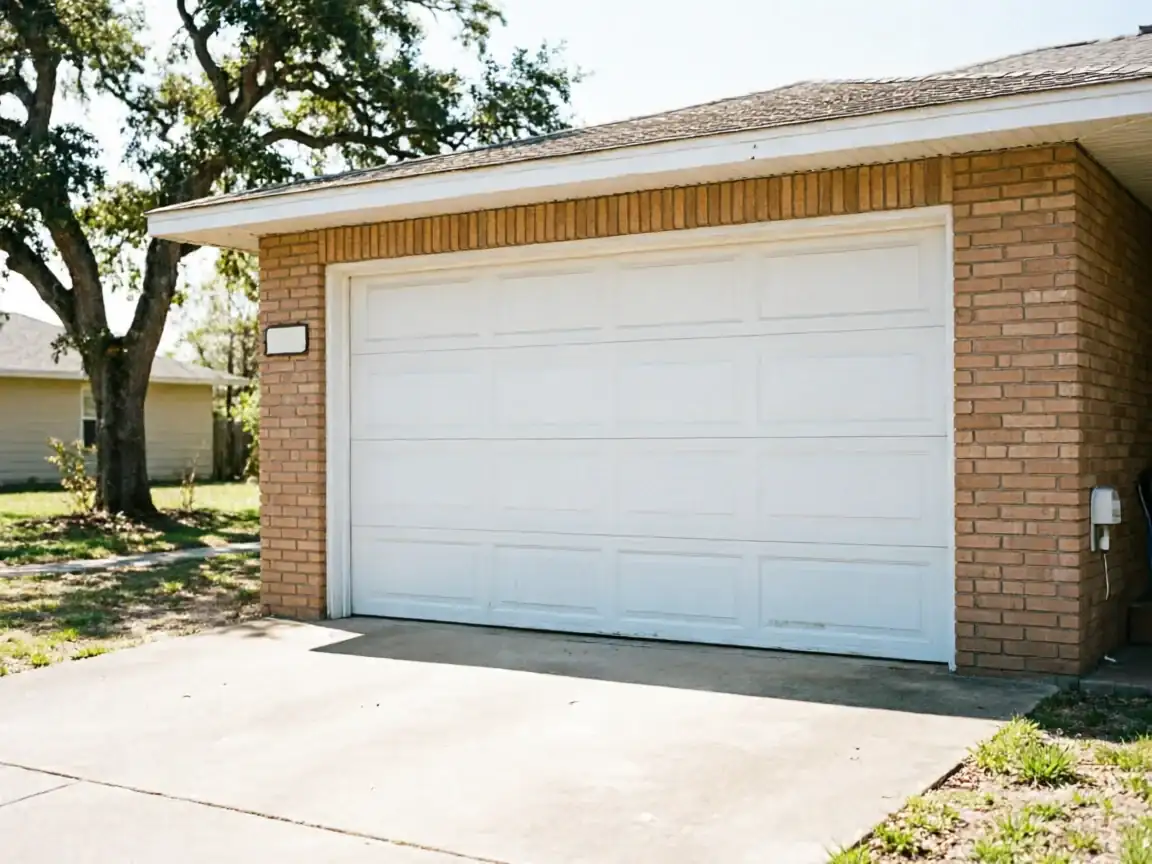
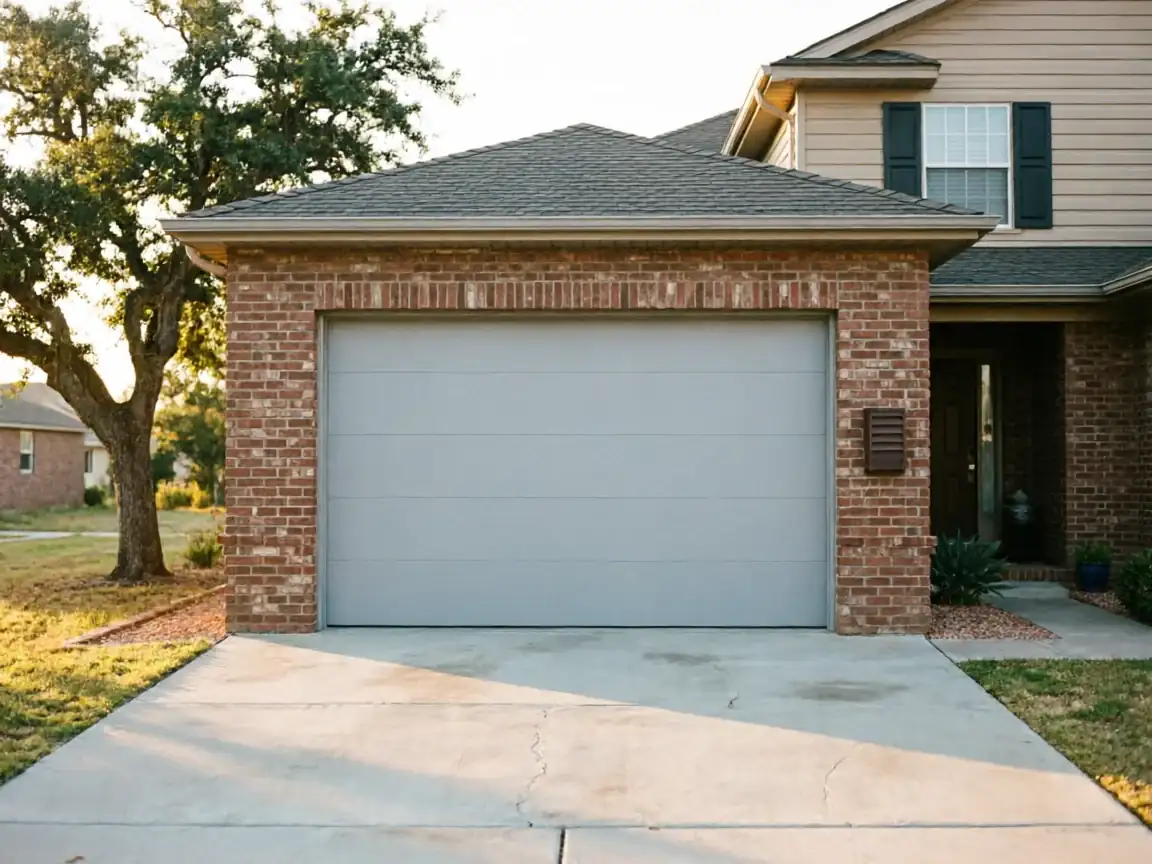
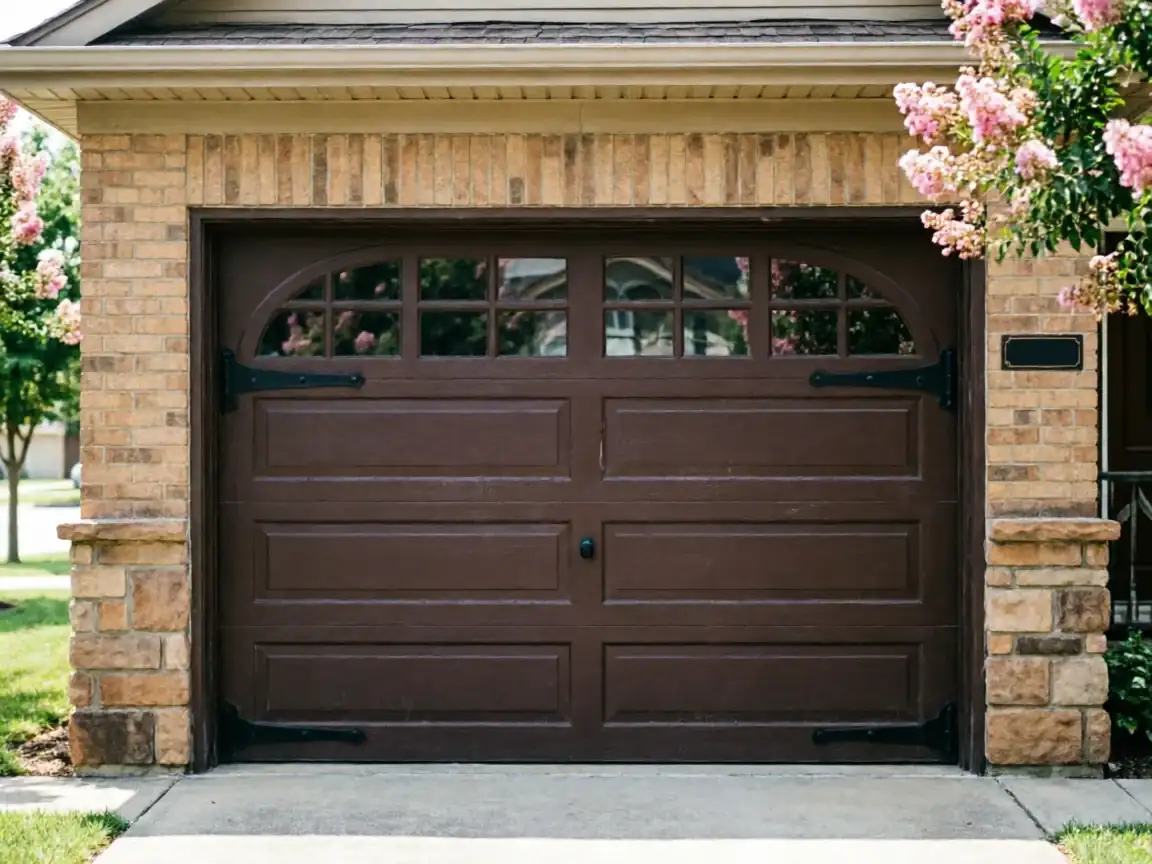
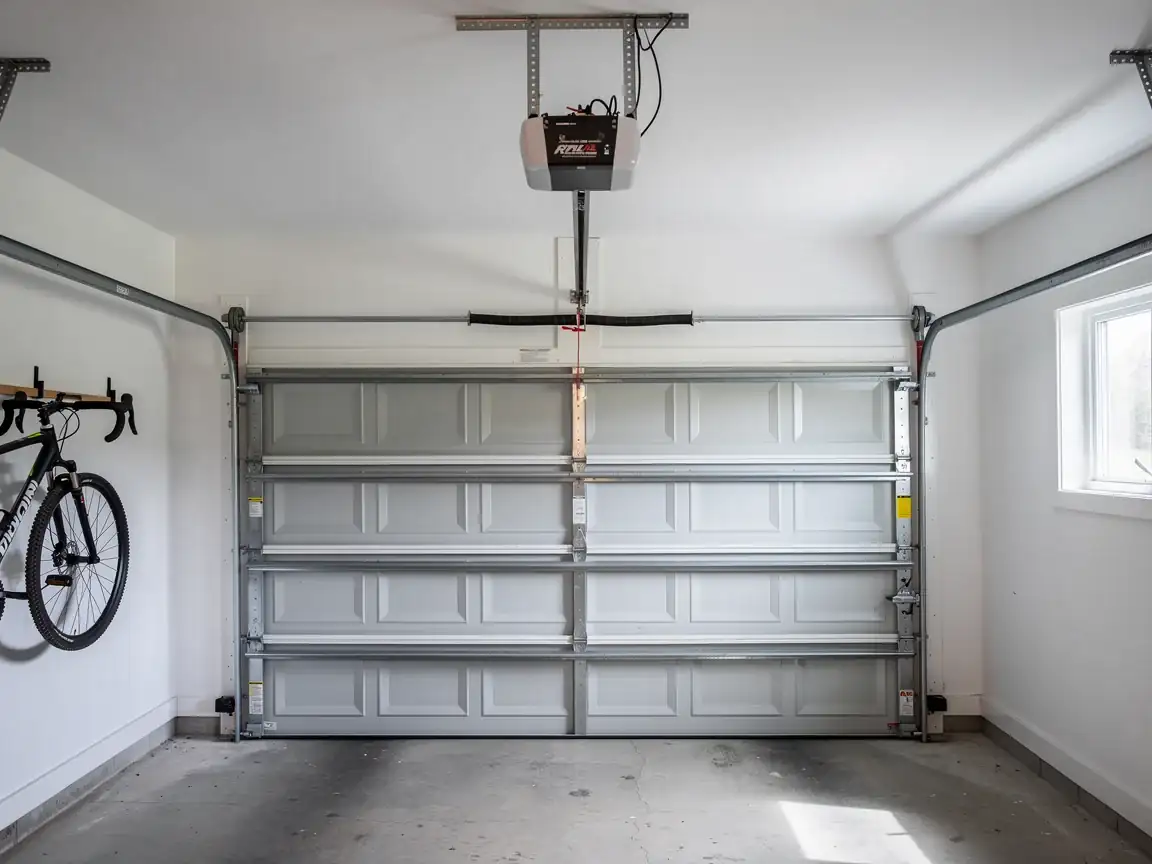
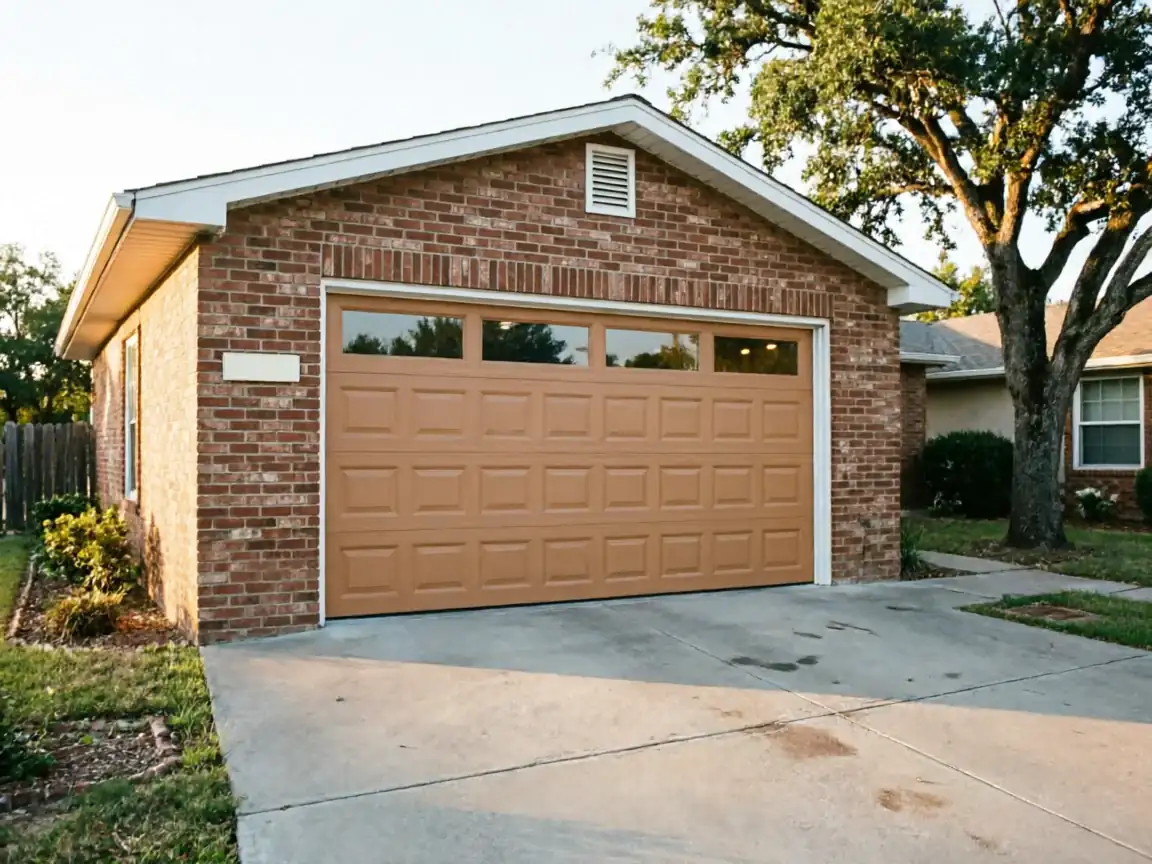
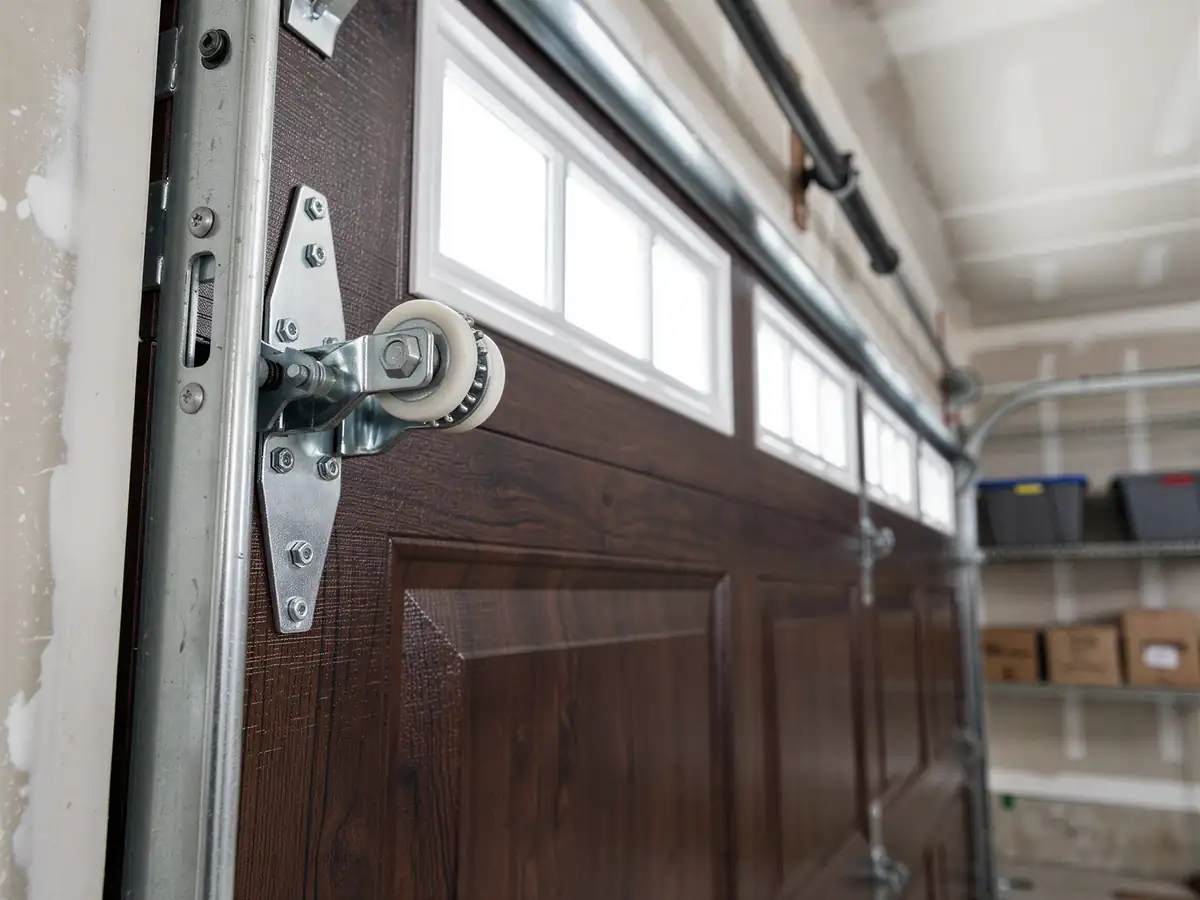
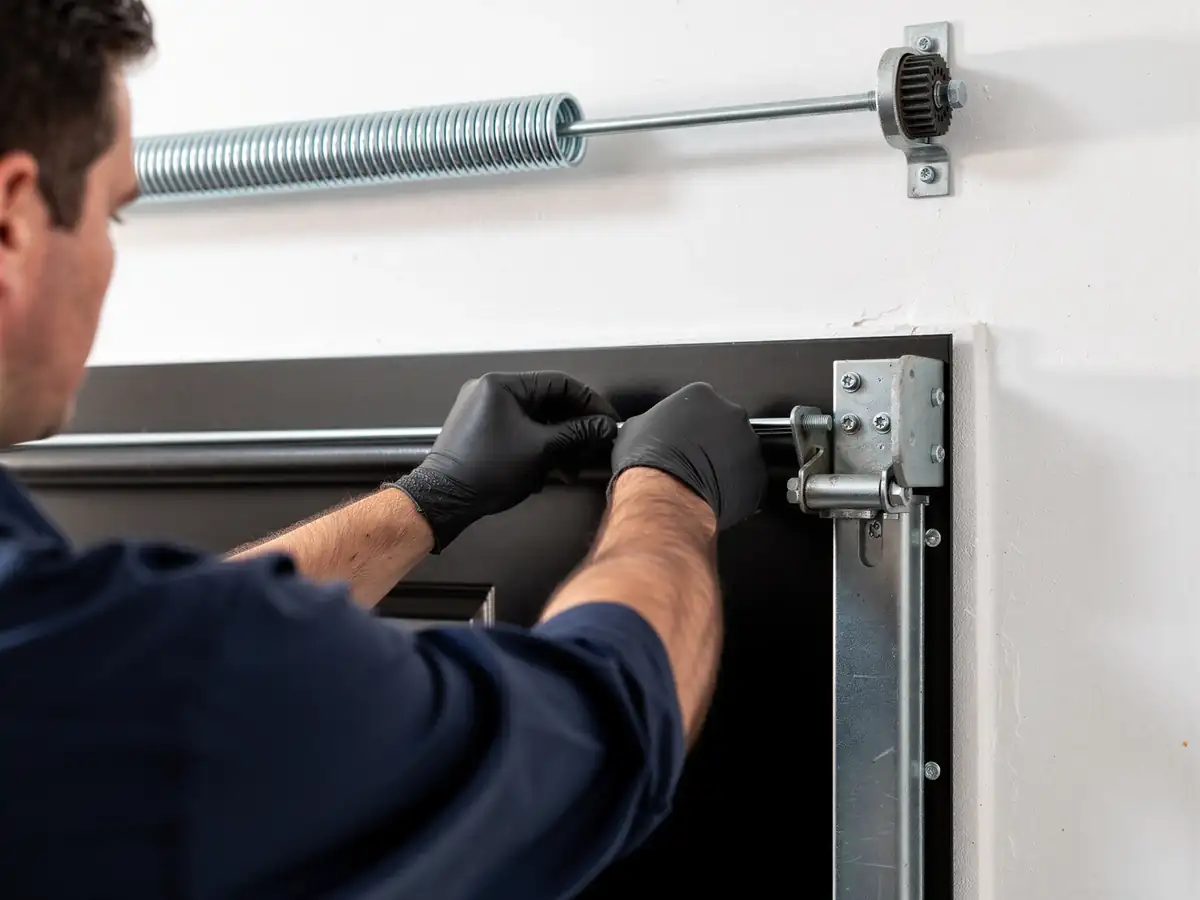
If you're calling about a new door in Catoosa, you're probably looking at one of two things: a door that's stopped working outright, or one that still runs but looks rough enough that you're done patching it. Either way, the house behind that door matters more than the door itself. Catoosa's housing stock sits in the 1965-2005 range the wider area was built out in, with the typical year landing around 1986. That means a lot of steel sectional doors hung on torsion springs sized for a lighter, non-insulated panel, paired with openers that were upgraded once or twice since but never matched to the door's actual weight. When one of those doors fails, it's rarely just the door. The spring is often undersized for whatever panel got swapped in over the years, the track is bent from an opener fighting a door it can't lift cleanly, and the rollers are the kind nobody stocks on the truck anymore. A new install here isn't dropping in a replacement - it's correcting thirty-some years of mismatched parts at once.
How Long It Takes
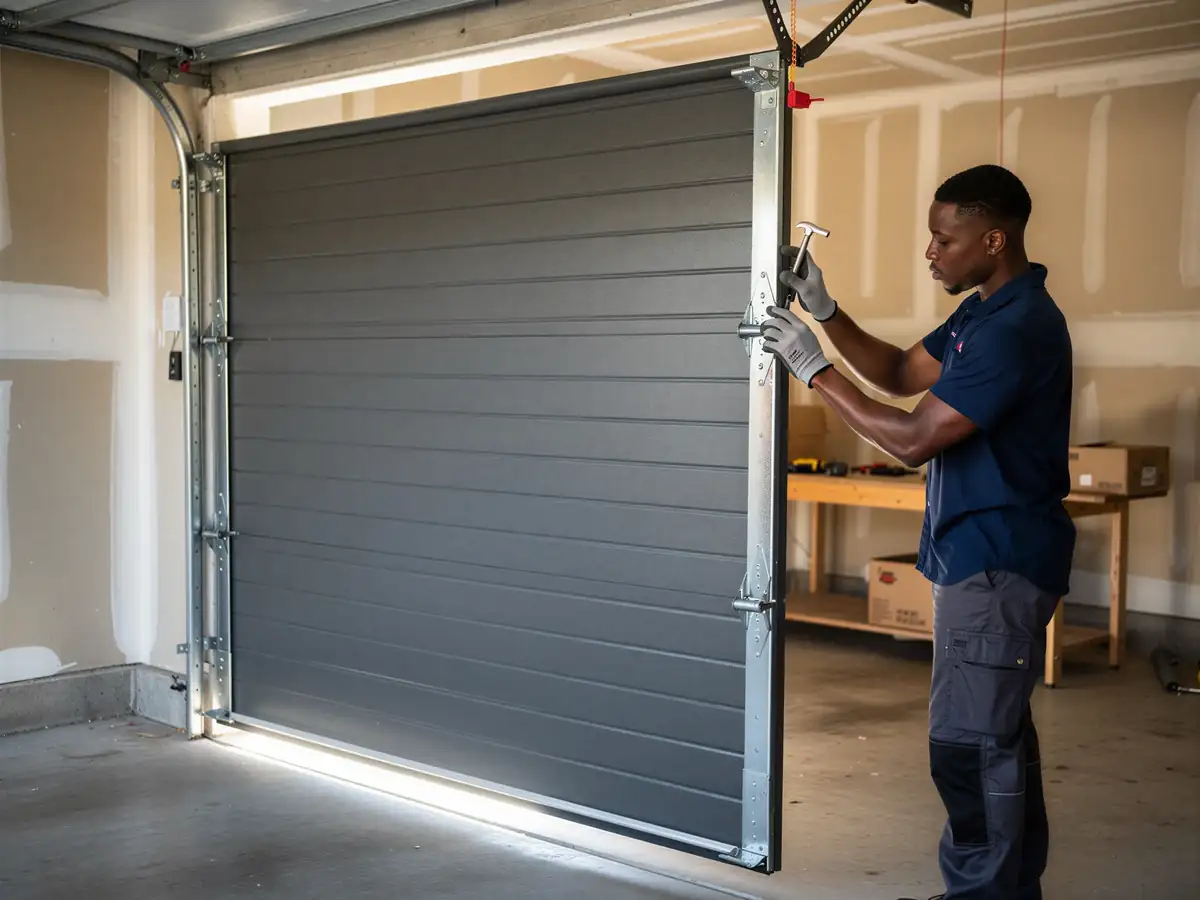
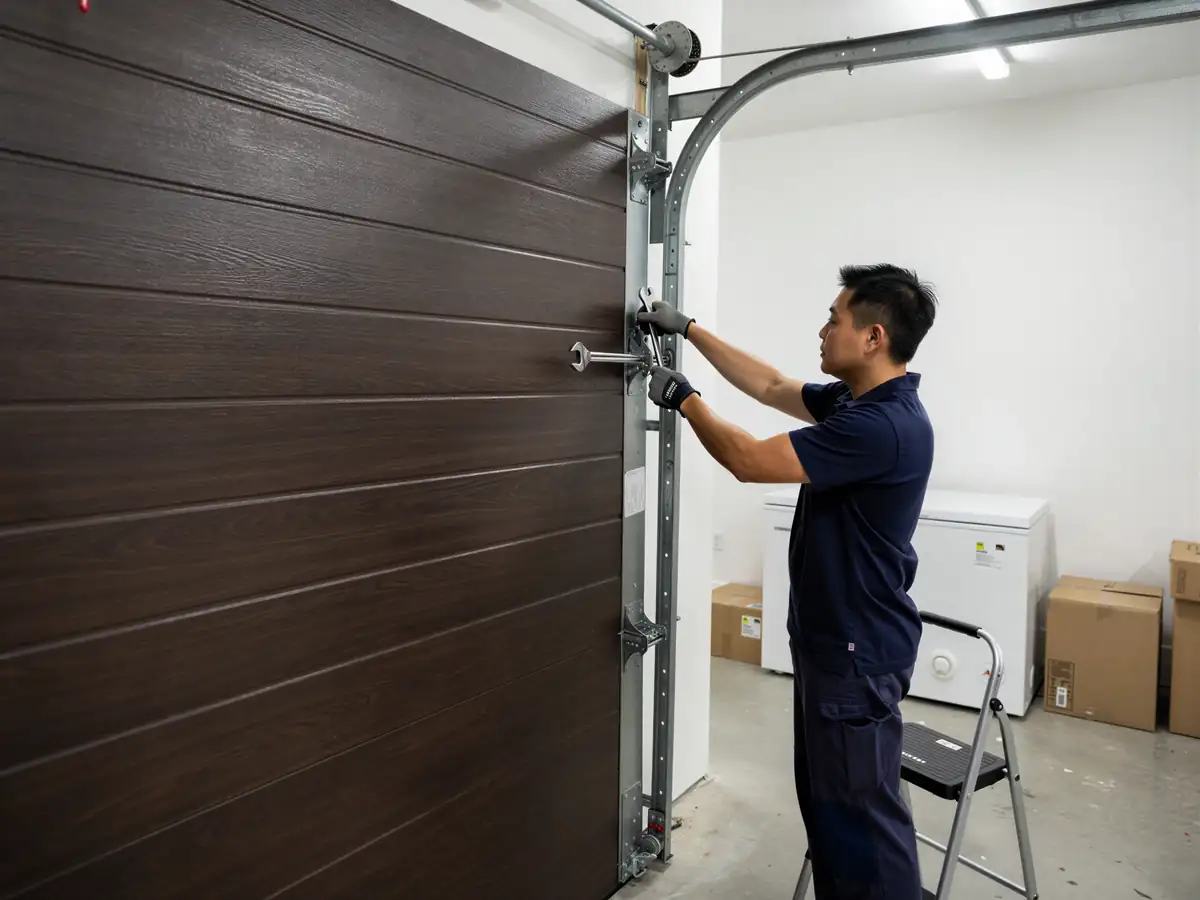
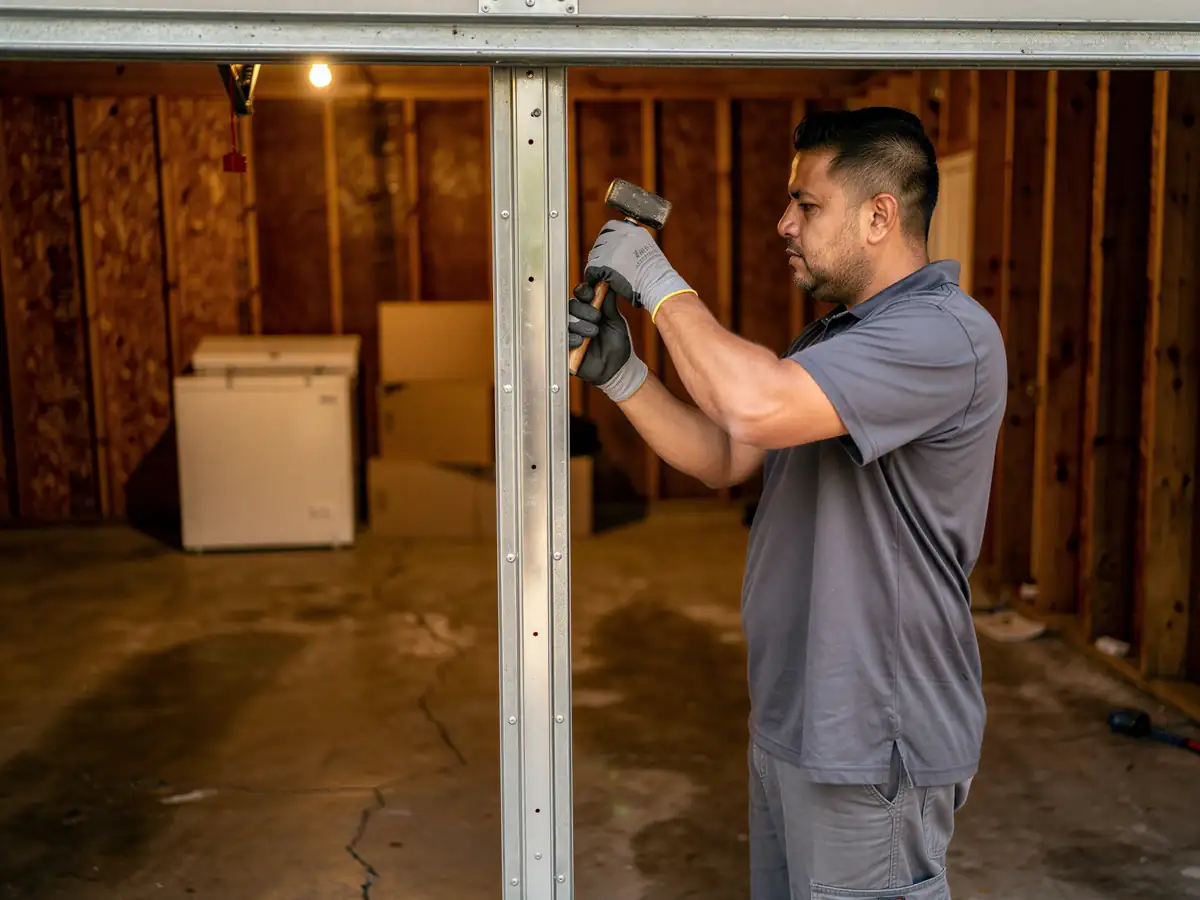
We run this job out of Owasso, and Catoosa sits about eight miles out. That's not far, but it means we build drive time into the appointment window instead of promising a same-day slot we can't actually back up from here. Once we're on site, a standard single or double door swap - old door off, new door, track, and opener mount set, balance checked - runs a half day for most houses built in that mid-80s stretch, since the openings are standard sizes from that era. What stretches the timeline is anything non-standard: a double-wide opening that got widened without reinforcing the header, or a track configuration that doesn't match a stock door kit. We'll tell you on the walk-through if your opening is one of those, before we quote a number. Parts that aren't common stock - certain wind-load panels, specific insulated cores - add lead time measured in days, not hours, and we'd rather tell you that up front than guess low and miss it.
The Complications
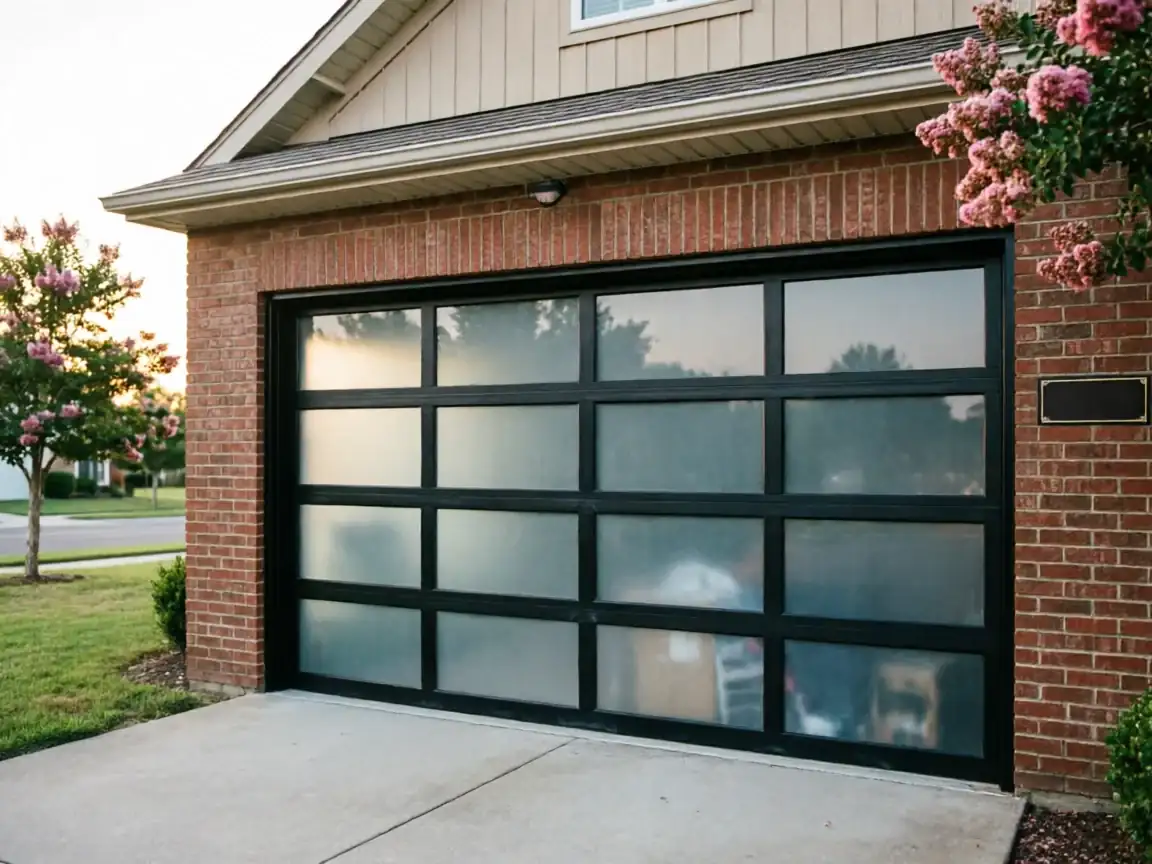
This area sits in a cold-moderate climate band, which doesn't mean brutal winters every year, but it does mean enough freeze-thaw cycles that an uninsulated steel door from the 1986-era build run is doing less work than a homeowner expects out of it today. Condensation on the inside face, a slow give in the weatherstrip, a spring that's lost tension faster in the cold - these show up more on original doors from that stock than on anything installed in the last decade. The other complication is hardware compatibility. A door built when the house was new was matched to an opener and a track radius common to that period. Swap in a modern door without checking those measurements and you get a door that runs rough or an opener straining against the wrong weight. We measure before we order, not after, because reordering a panel that doesn't fit costs more than getting it right the first time - and that lead time stacks on top of the drive from Owasso.
Why This Fails Locally
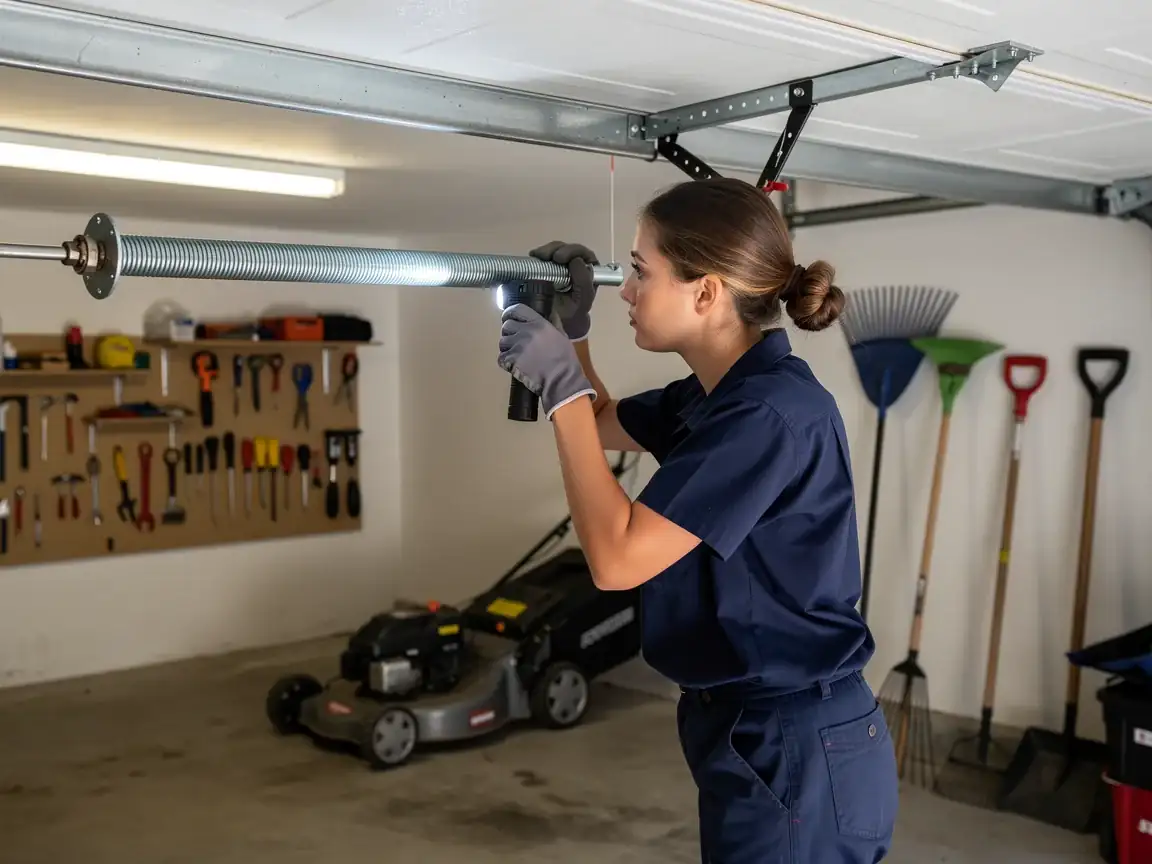
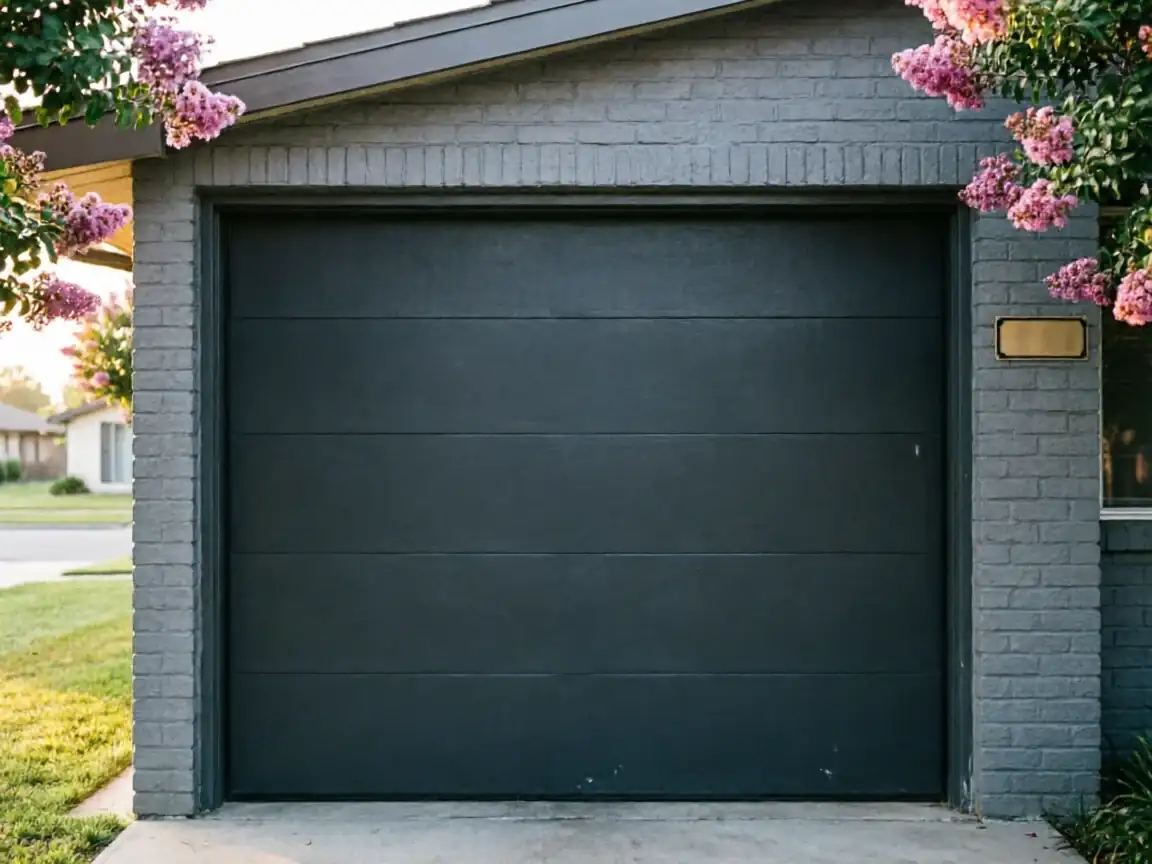
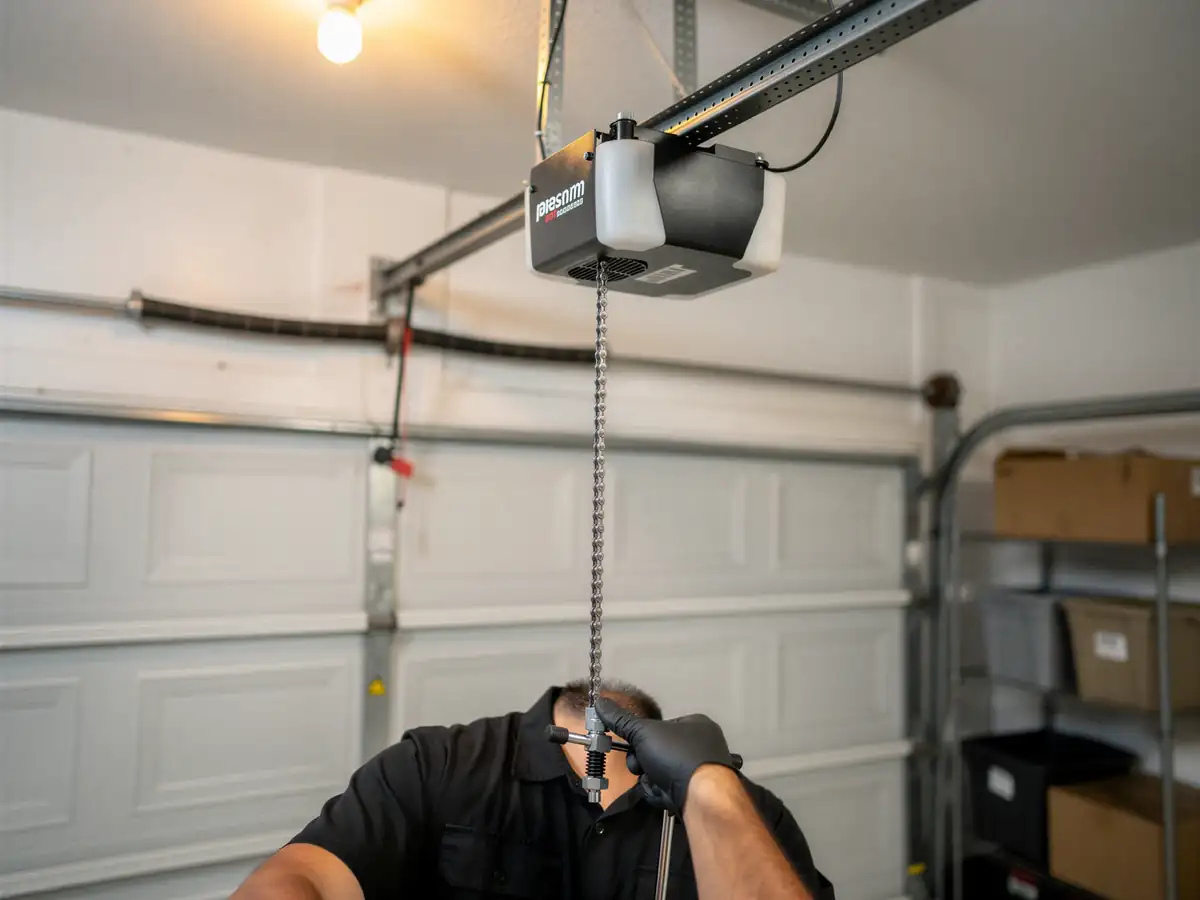
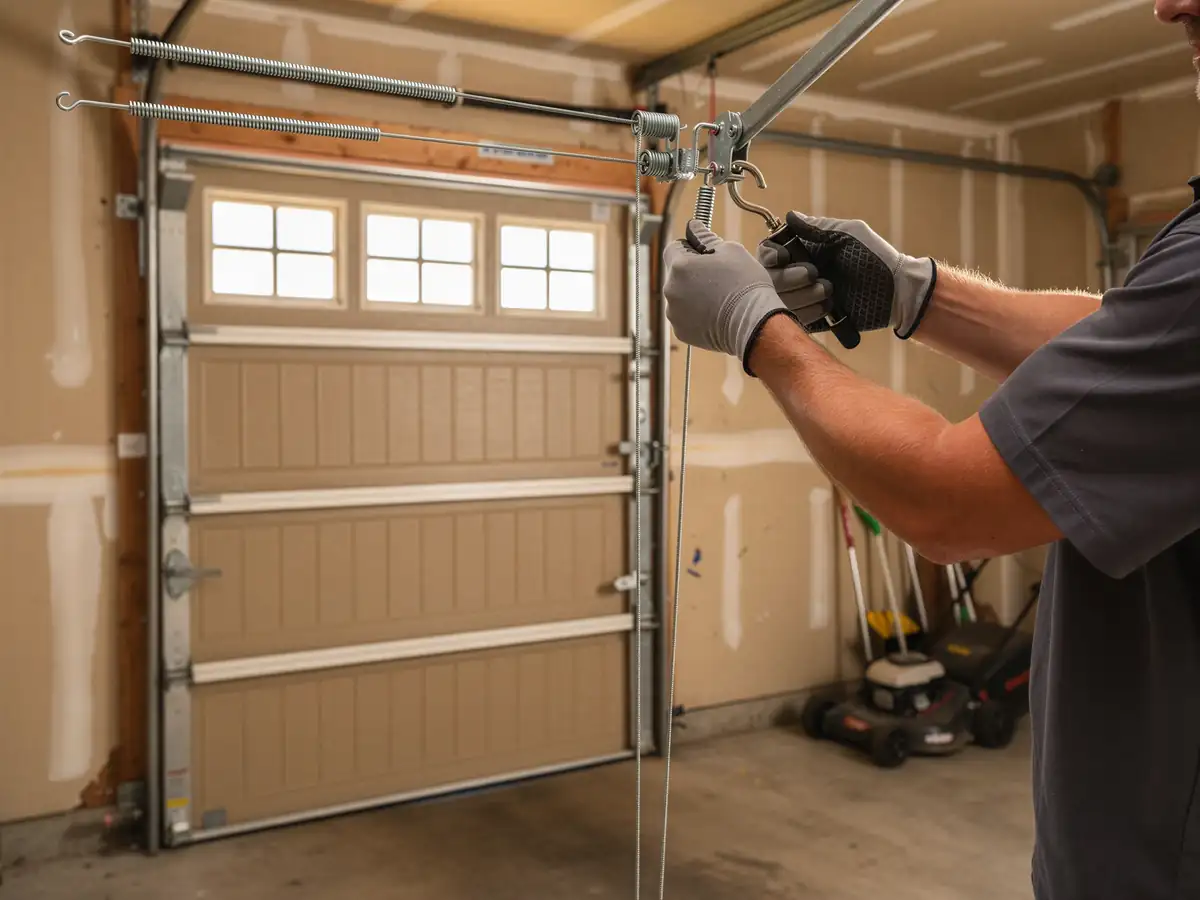
At a median household income of $70,875 here, the repair-or-replace math isn't abstract - it's the difference between a $600-900 spring and cable job and a full install that runs well past that. The line usually falls on what else is wrong. One failed spring on an otherwise sound door from the mid-80s build run is a repair. A spring failure on a door that's also got a bent track, a worn-out opener, and panels that have taken hail or a backed-into dent - that's three repairs stacked into the price of one install, and at that point the new door wins. With 2,955 households in Catoosa, most clustered in that same build era, we see the same pattern house after house: original hardware finally giving out together, all at once, after three decades of being asked to do a job it wasn't built for anymore. That's not a sales pitch, it's just what thirty-plus-year-old torsion hardware does.
How it works
From “it’s stuck” to “it’s fixed”
01
Tell us what’s wrong
Describe the symptom - won’t open, loud bang, opener runs but the door won’t move.
02
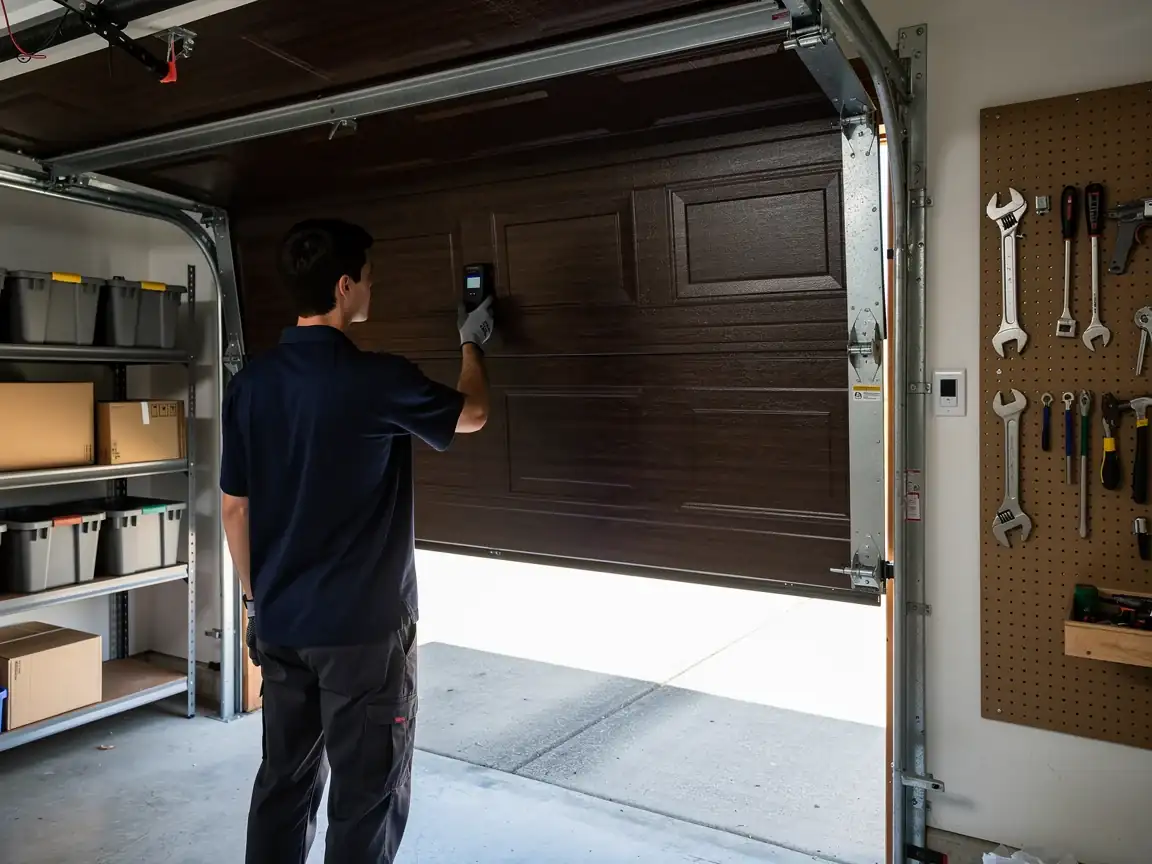
On-site diagnosis
A technician tests the door under power and by hand and finds what actually failed.
03
Clear, up-front plan
You get the fix that’s needed and what drives the cost - before any work starts.
04
Repaired & tested
The repair is done, the door is set true and tested, and the work area left clean.
Not sure which repair your door needs in Owasso, OK? Describe what it’s doing - every job starts with a diagnosis.
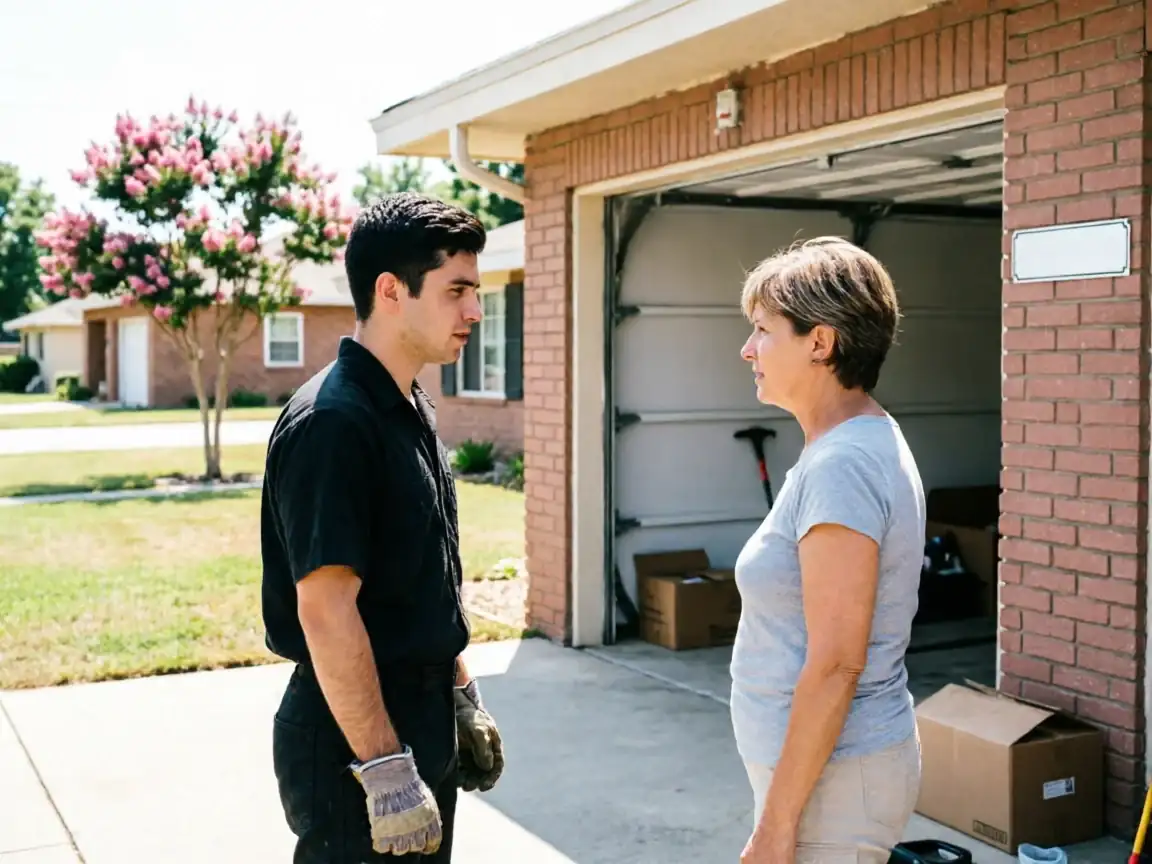
No. We run out of Owasso, about eight miles away, and travel out for every job. We don't promise a same-day Catoosa slot we can't honestly back up - we'll give you a real appointment window on the call instead.
Will a new door fit my current opener?
Sometimes, sometimes not. Houses in Catoosa's mid-80s build era often have openers that were replaced once already and may not match a new door's weight or track radius. We check this on the walk-through before quoting.
Is it worth repairing an original 1980s door instead of replacing it?
If it's one isolated failure - a spring, a cable - repair usually wins on cost. If the track's bent, the opener's straining, and the panels are dented, you're often paying for several repairs that add up close to the price of a new door.
How long does installation lead time run if my door size isn't standard?
Standard openings from this build era are usually quick to source. Non-standard widths or specific insulated panels can add a few days of lead time - we'll flag that during the quote, not after we've started the job.
Ready to get your garage door sorted?
Tell us what it’s doing and where you are in Owasso - we’ll take it from there.