Why This Fails Locally
Justice is a small place
477 households, nothing like the scale of the wider service area we cover, which runs to 29,977 households. That size matters for how roller failure shows up here. In a bigger subdivision you get a steady trickle of roller calls because there's just more doors cycling every day. In Justice, the failures cluster around the building boom that actually happened here.
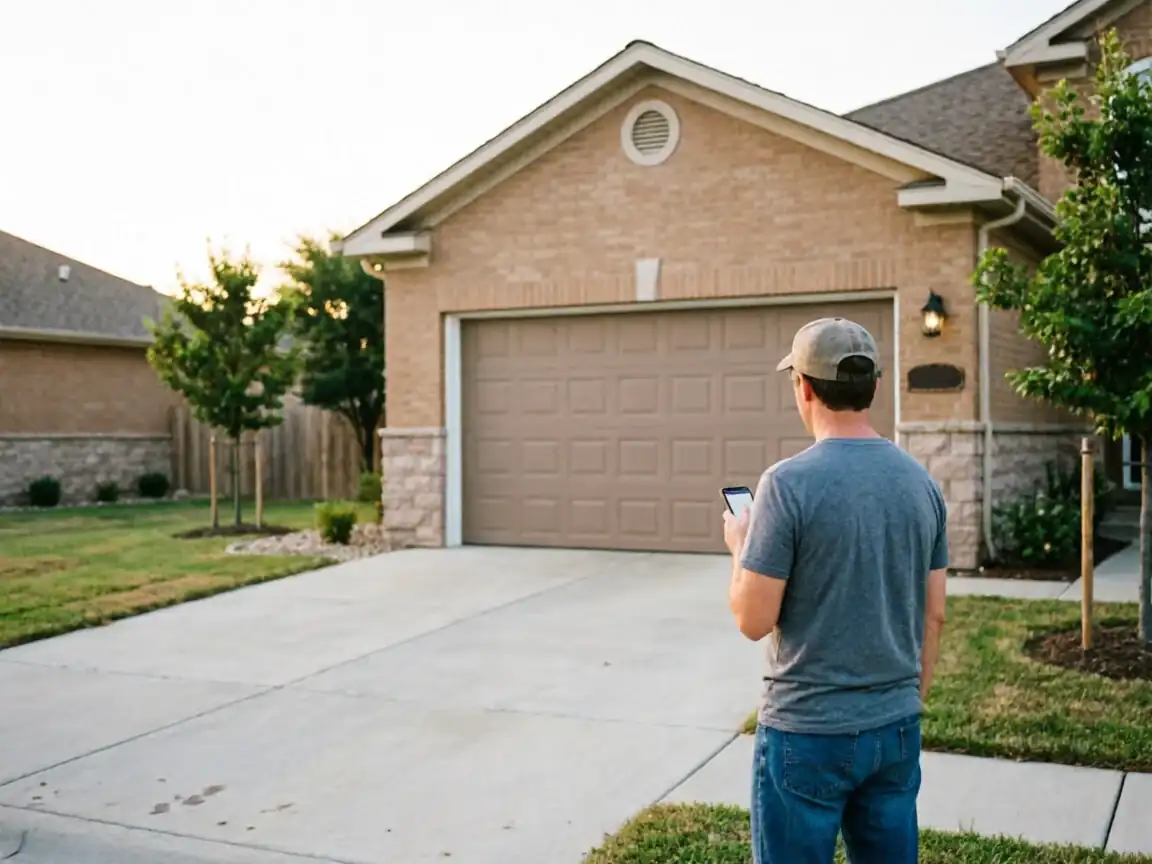
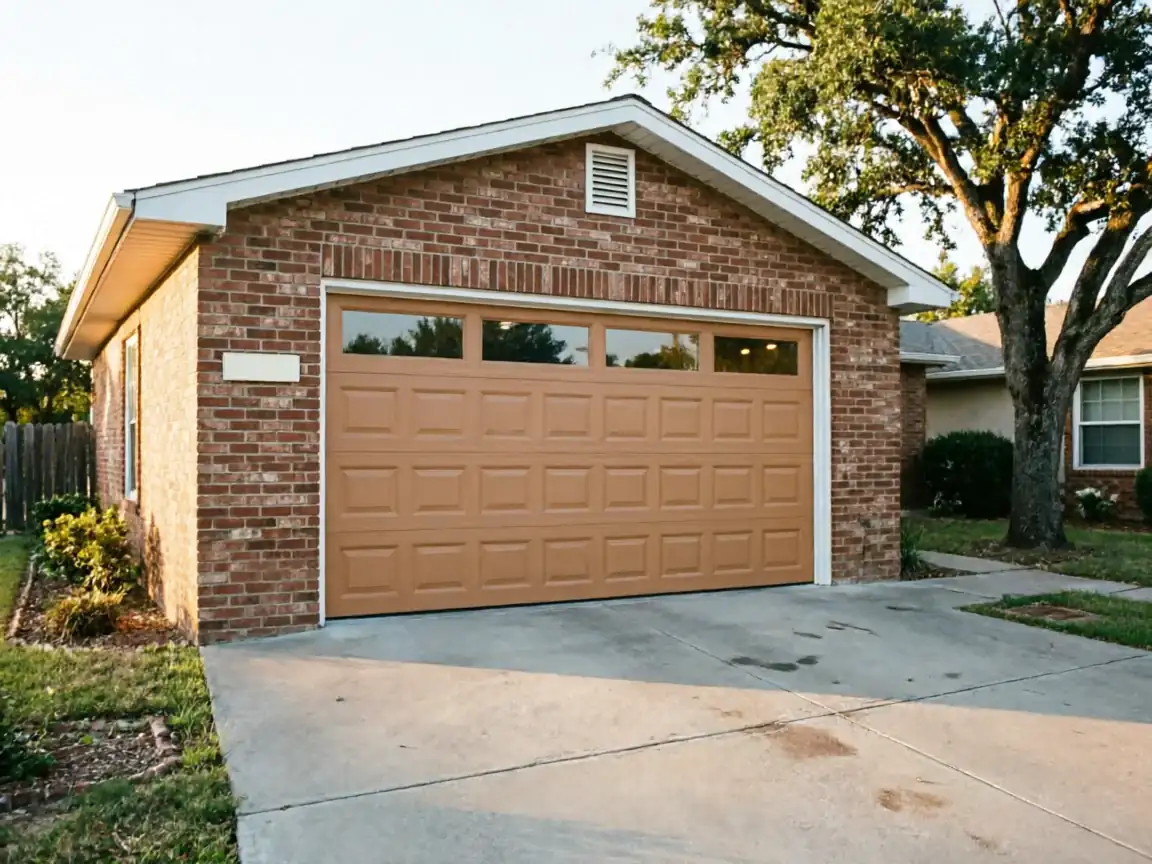
Most houses in Justice went up around 1992
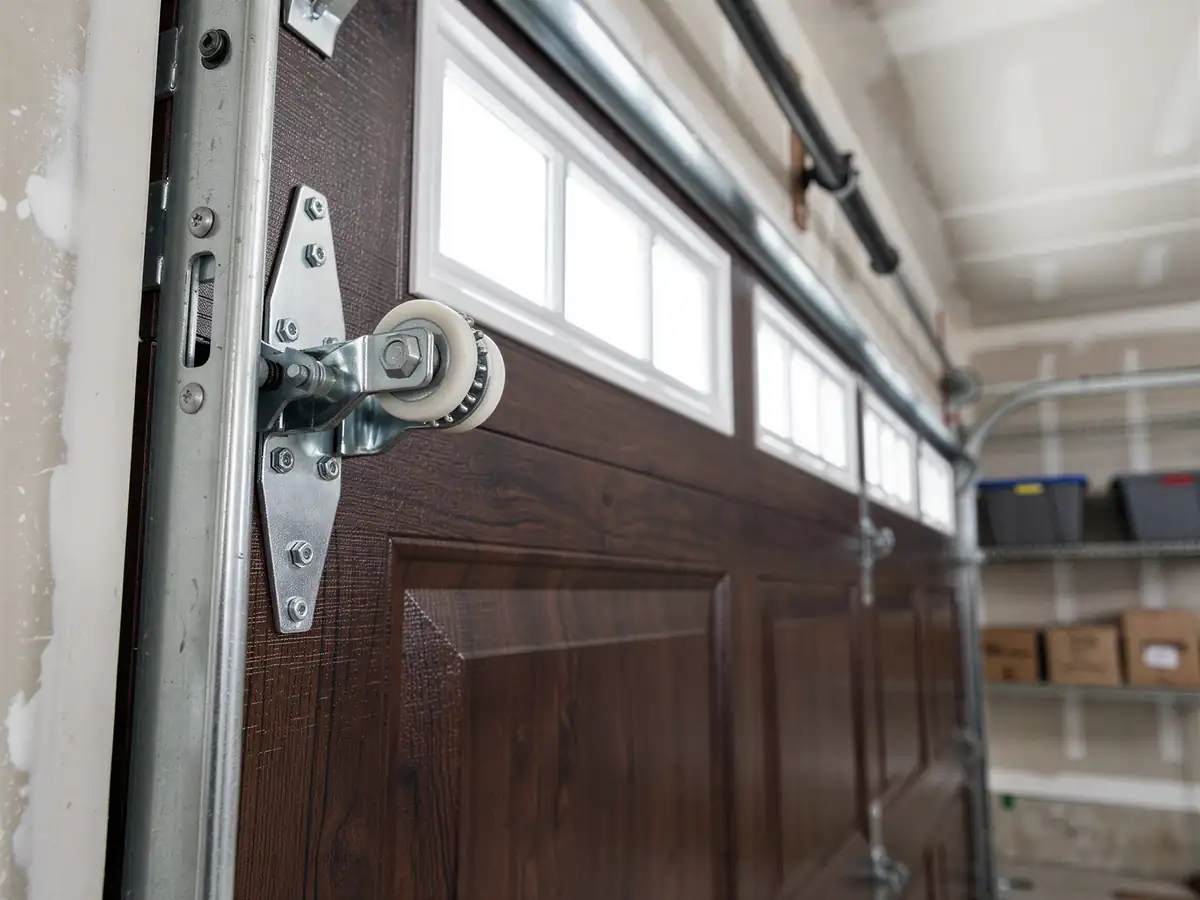
A good six years after the 1986 median build year across the broader area we serve out of Owasso. That gap puts Justice squarely in the window when builders were already switching from steel rollers to the early sealed-bearing nylon kind. So the door hardware isn't necessarily what you'd expect from a town this close to older-stock neighborhoods - it's a decade newer, and it fails differently. Nylon rollers from that era don't rust, but the bearings inside dry out and the roller wheel itself can crack along the stem, especially with winter cold snaps putting stress on the plastic. We don't guess at this from the outside - the build era tells us which failure to expect before we ever see the door.
What It Costs
We don't have a posted price list for roller jobs in Justice and we're not going to make one up here. What we can tell you is what drives the number up or down: how many rollers need replacing (a full set of 10 costs more than swapping two), whether you want steel or nylon, and whether the track itself is bent and needs straightening or replacing along with the rollers.
Justice carries a median household income of $93,580, noticeably higher than the $77,403 median across the rest of the area we cover. In practice that means more owners here opt for a full nylon upgrade with sealed bearings rather than patching one bad roller and leaving the rest of the steel set to wear out one at a time over the next few years. Either approach is legitimate - it's a question of whether you want to deal with this again in three years or not at all.
What You Are Seeing
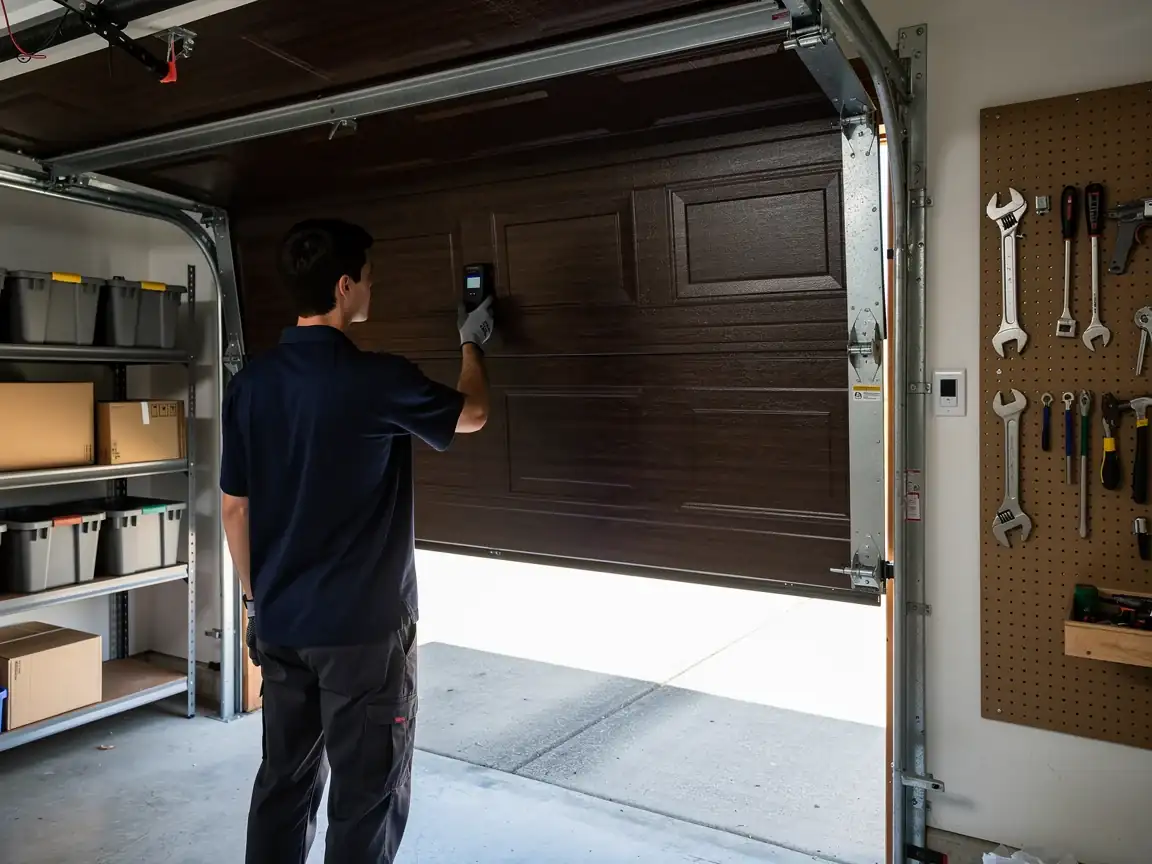
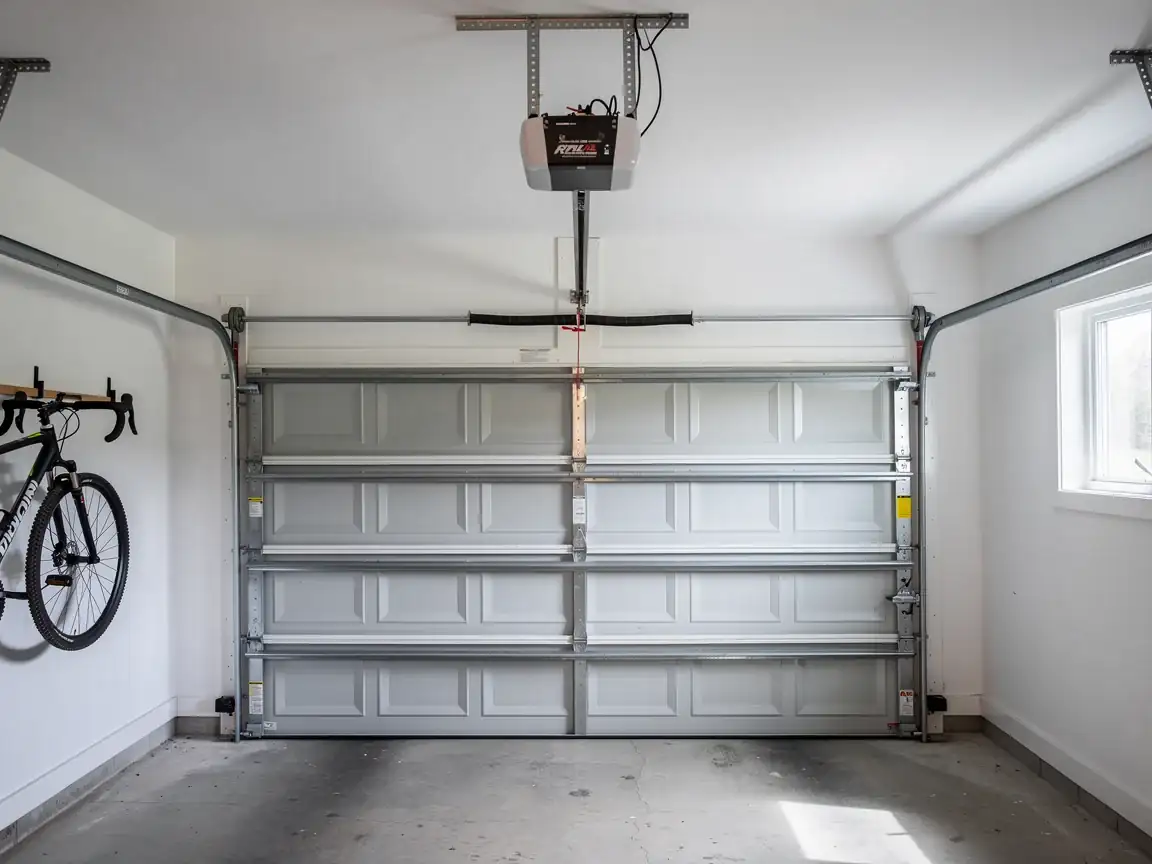
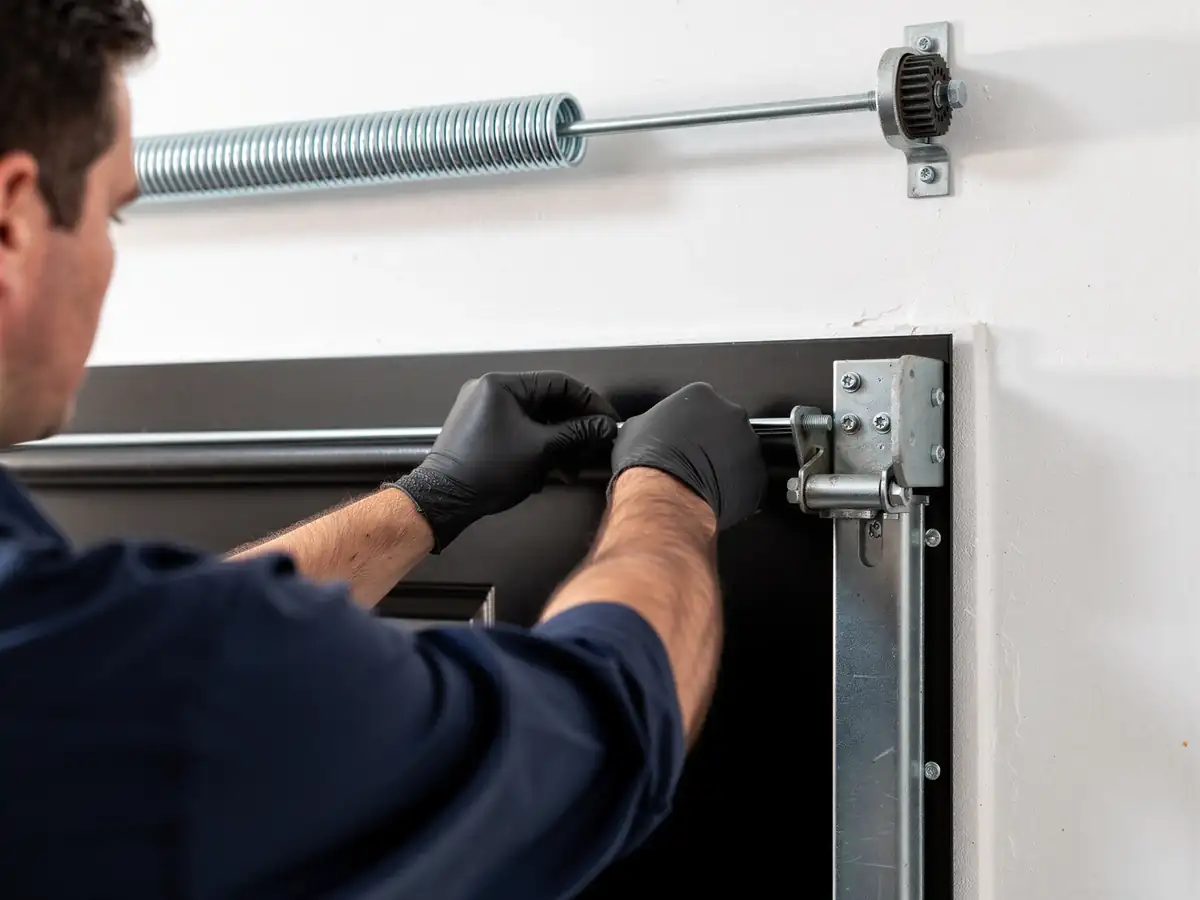
If your door is making a grinding or rattling noise as it travels, especially near the top or bottom of the track, that's almost always a roller losing its bearing. A door that jerks or hesitates at one specific spot every single cycle is usually one bad roller hitting a rough patch of track rather than a problem with the opener.
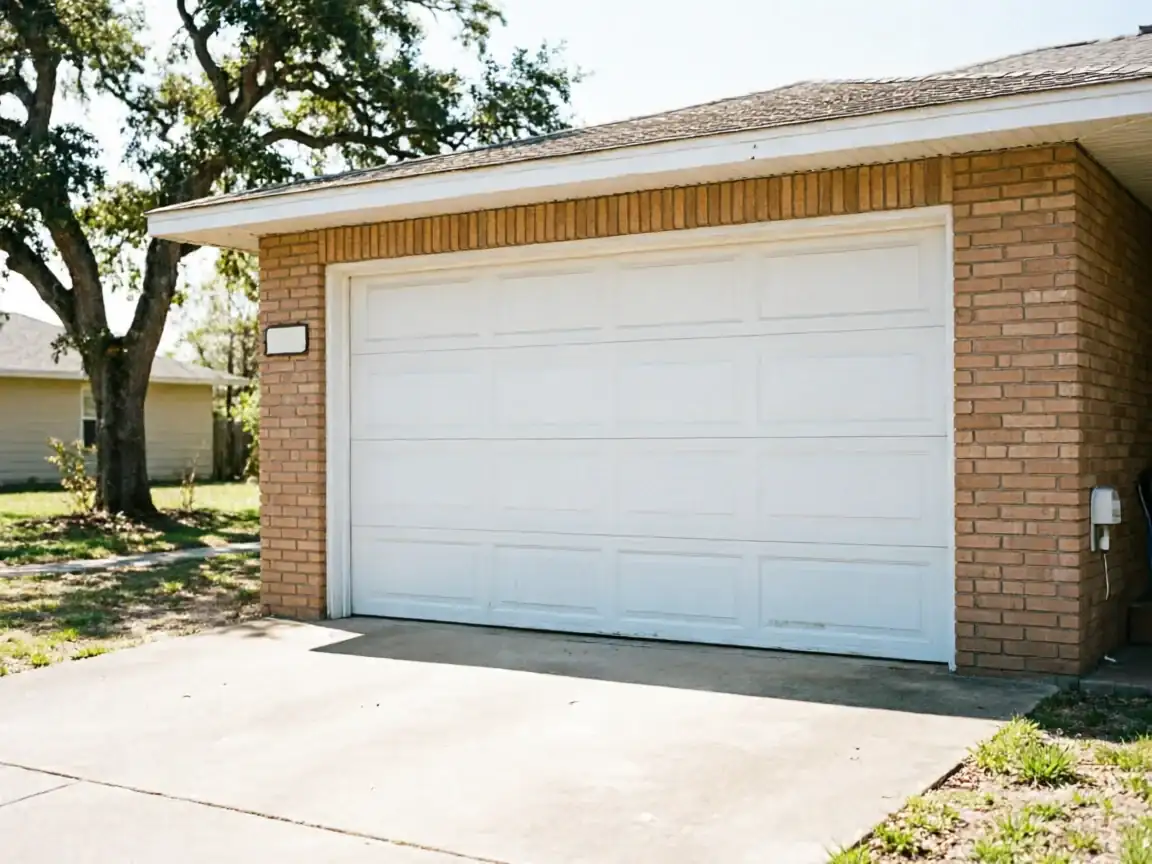
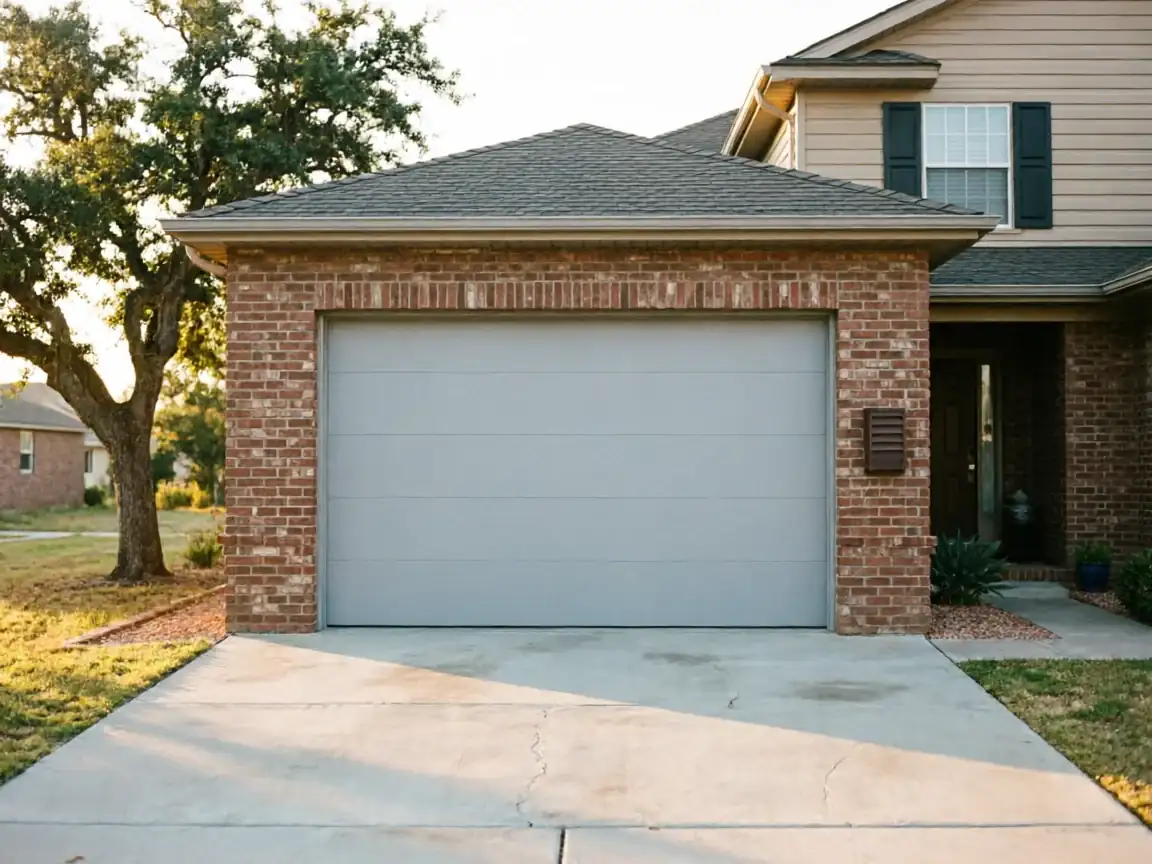
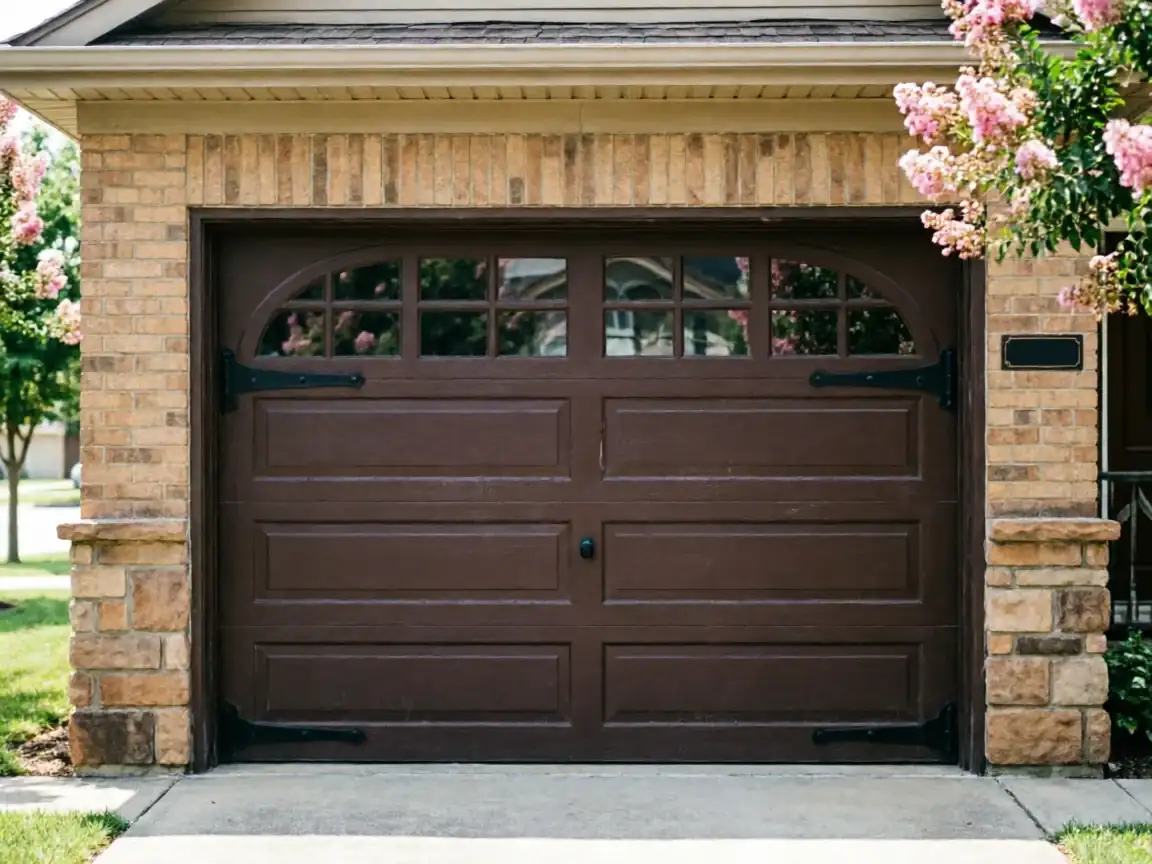
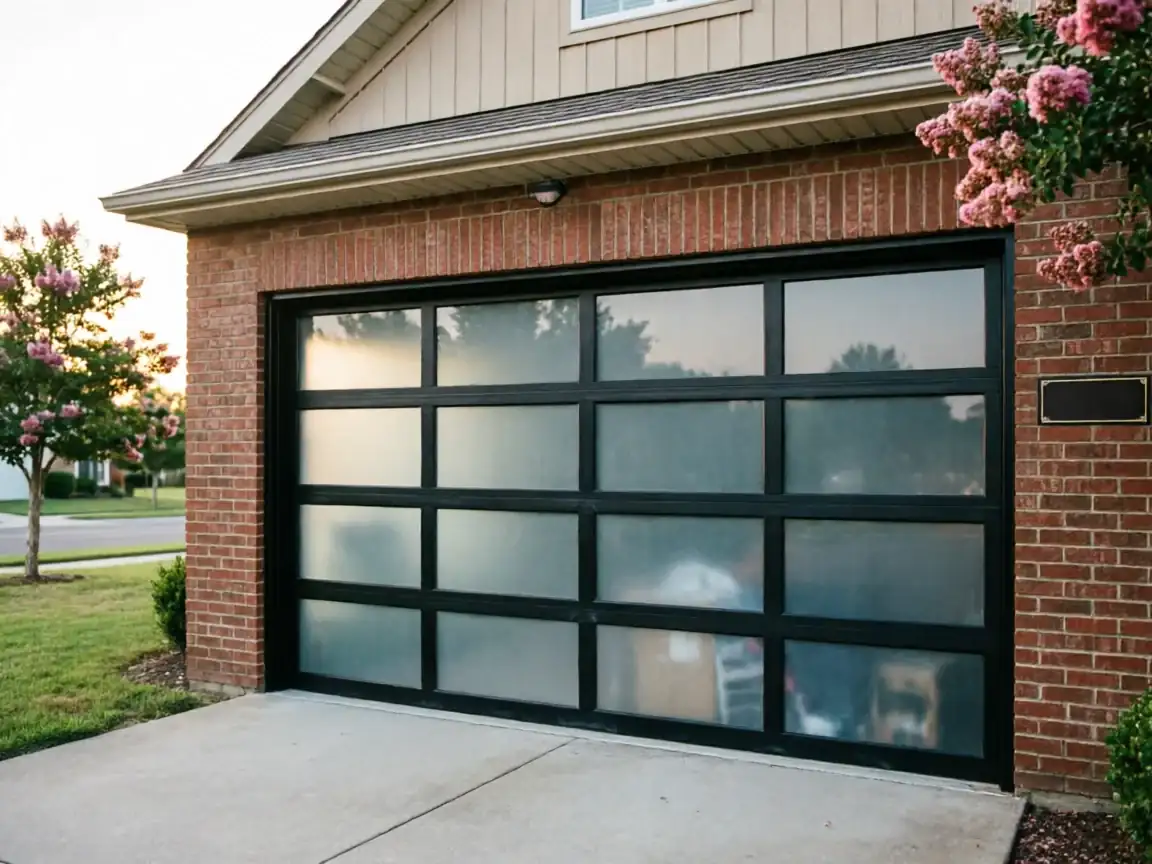
Given that most doors in Justice date to around 1992, what we usually find is the original steel rollers still in place, worn down after three decades of cycling, or an early-generation nylon roller with a cracked stem. Either one will eventually jump the track if it's ignored long enough, and a jumped roller can bend the track itself, turning a small parts swap into a bigger repair.
How Long It Takes
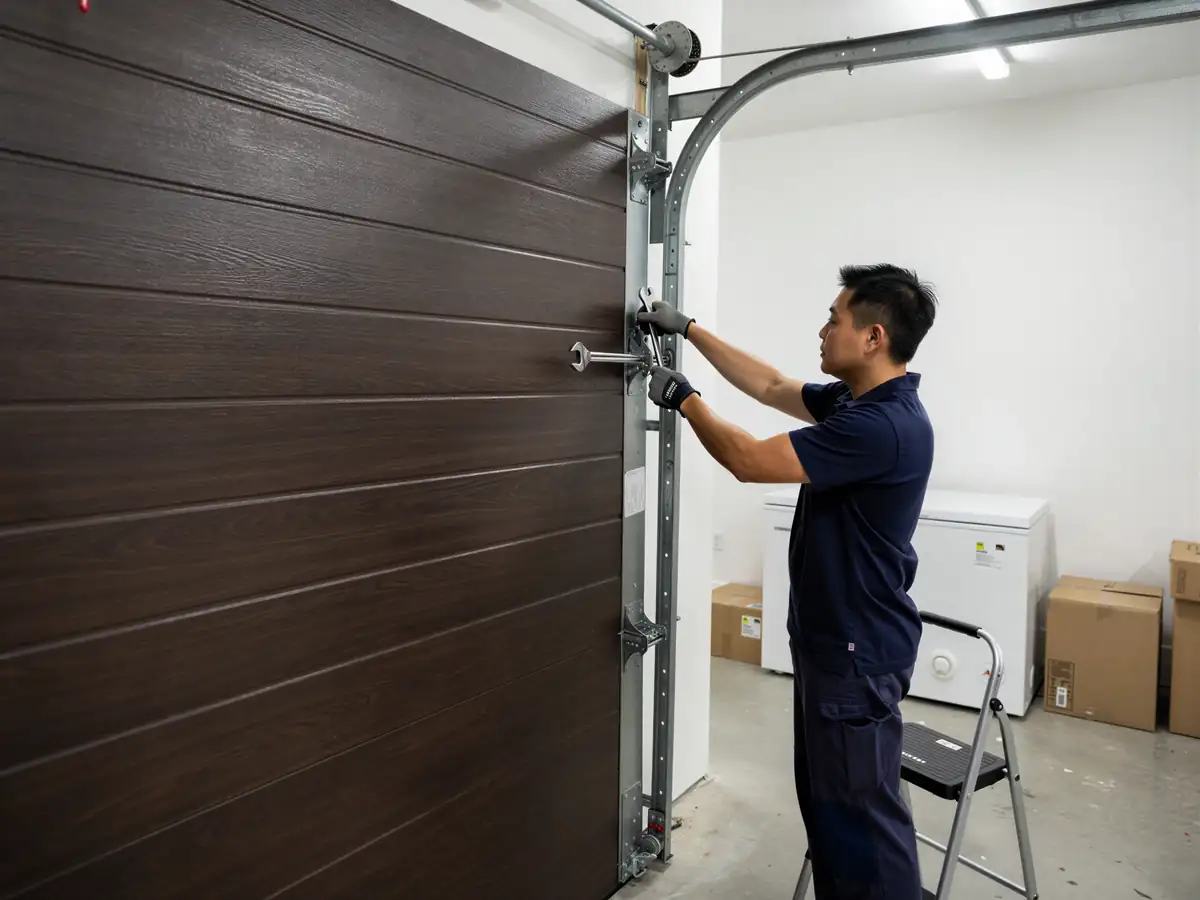
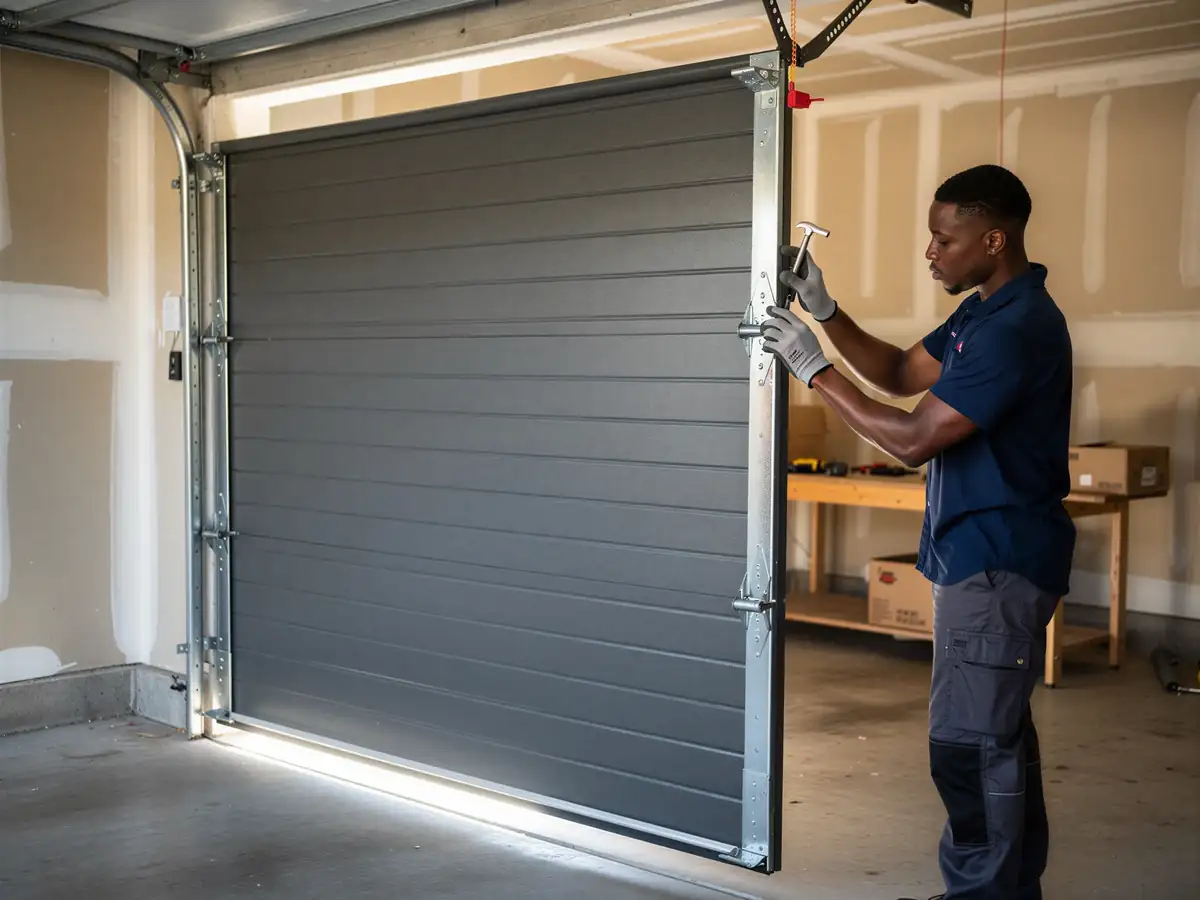
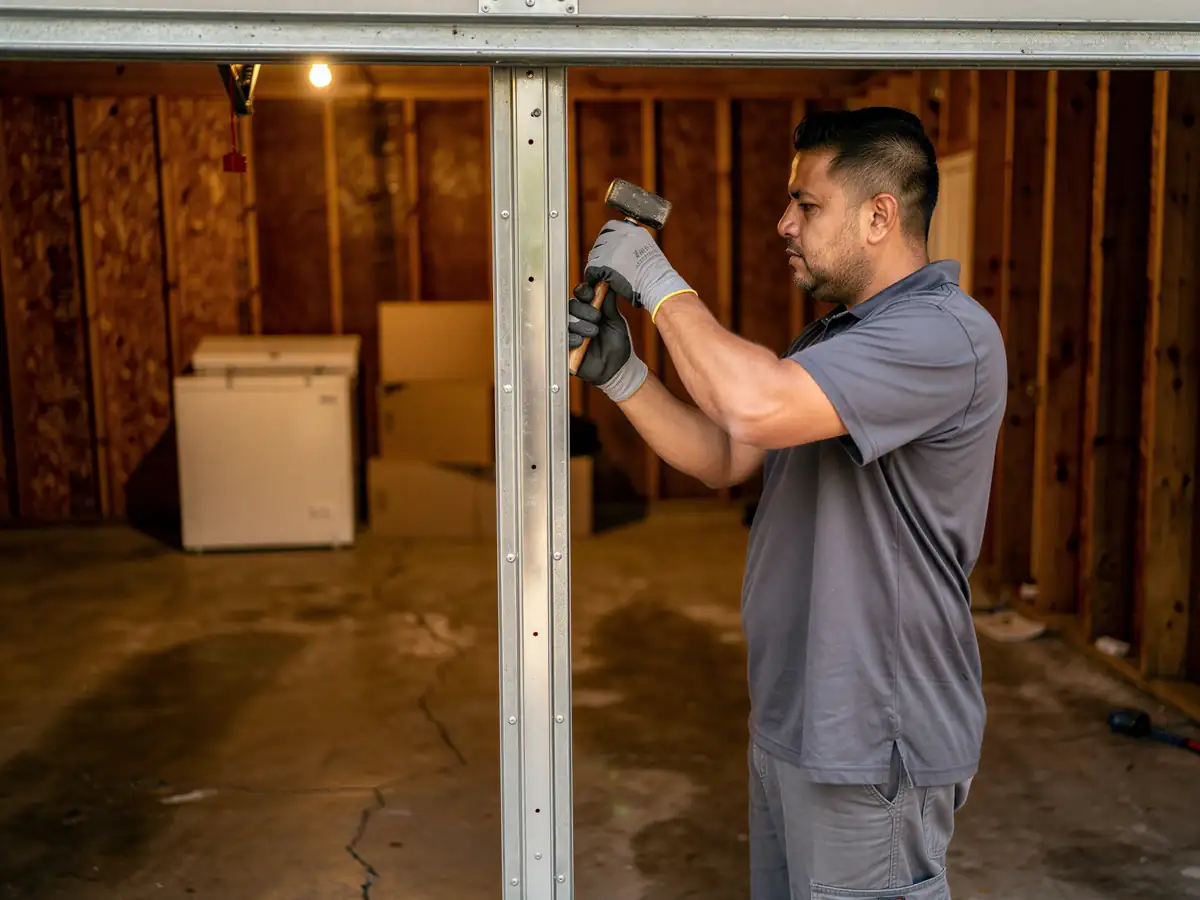
A straight roller swap, done section by section with the door supported properly, isn't a long job once we're on site. What changes the timeline is how many rollers are bad and whether the track needs attention too - a bent track from a jumped roller adds time because it has to be checked and straightened or swapped before the new rollers go in. We're coming from Owasso, 15 miles out, so factor that into when we can be there, not into how long the repair itself takes once we arrive.
Parts We Carry
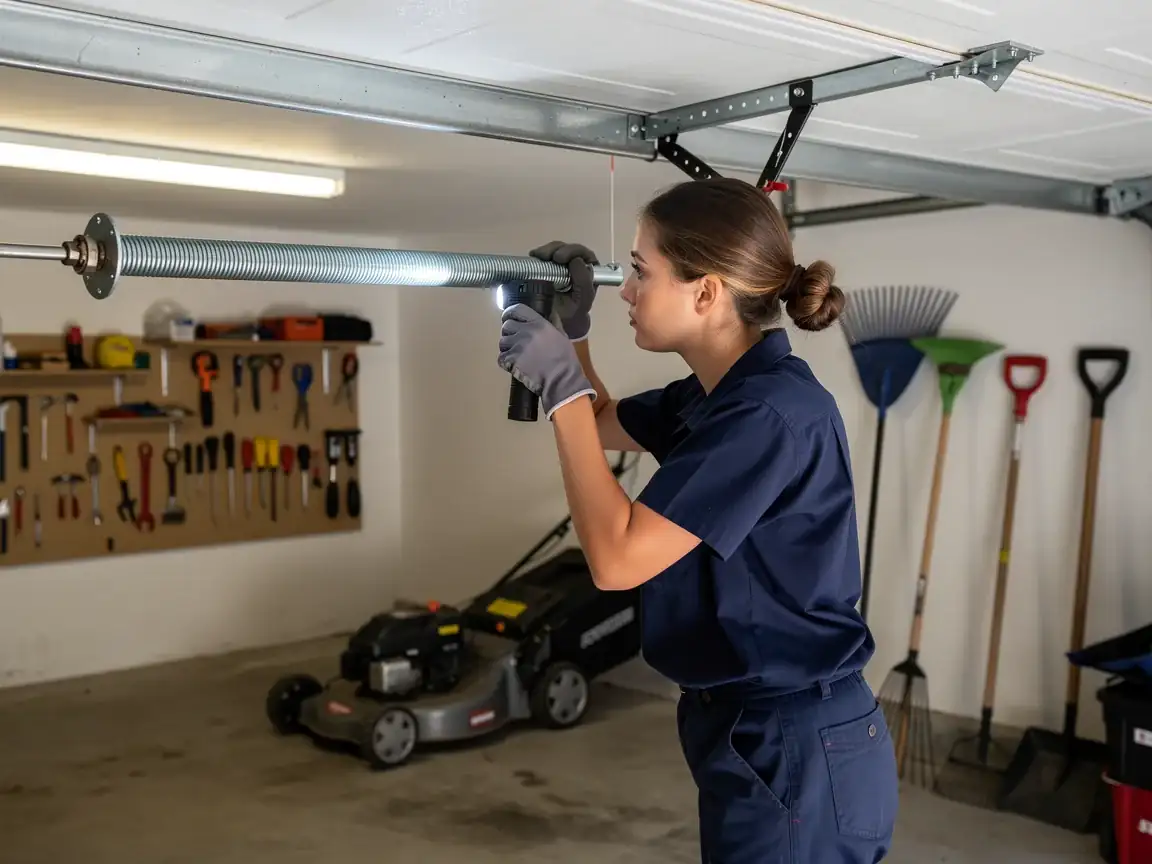
We carry both galvanized steel rollers and sealed-bearing nylon rollers, in the stem lengths that fit older and newer track setups. For a 1992-built door in Justice, nylon with a sealed bearing is usually the better call - it runs quieter and doesn't need the periodic oiling steel rollers do, which matters in a cold-moderate climate where winter stiffens anything that depends on grease staying put. We stock the common stem lengths on the truck; anything unusual on an older track may need a short order, and we'll tell you up front if that's the case rather than have you wait on site.