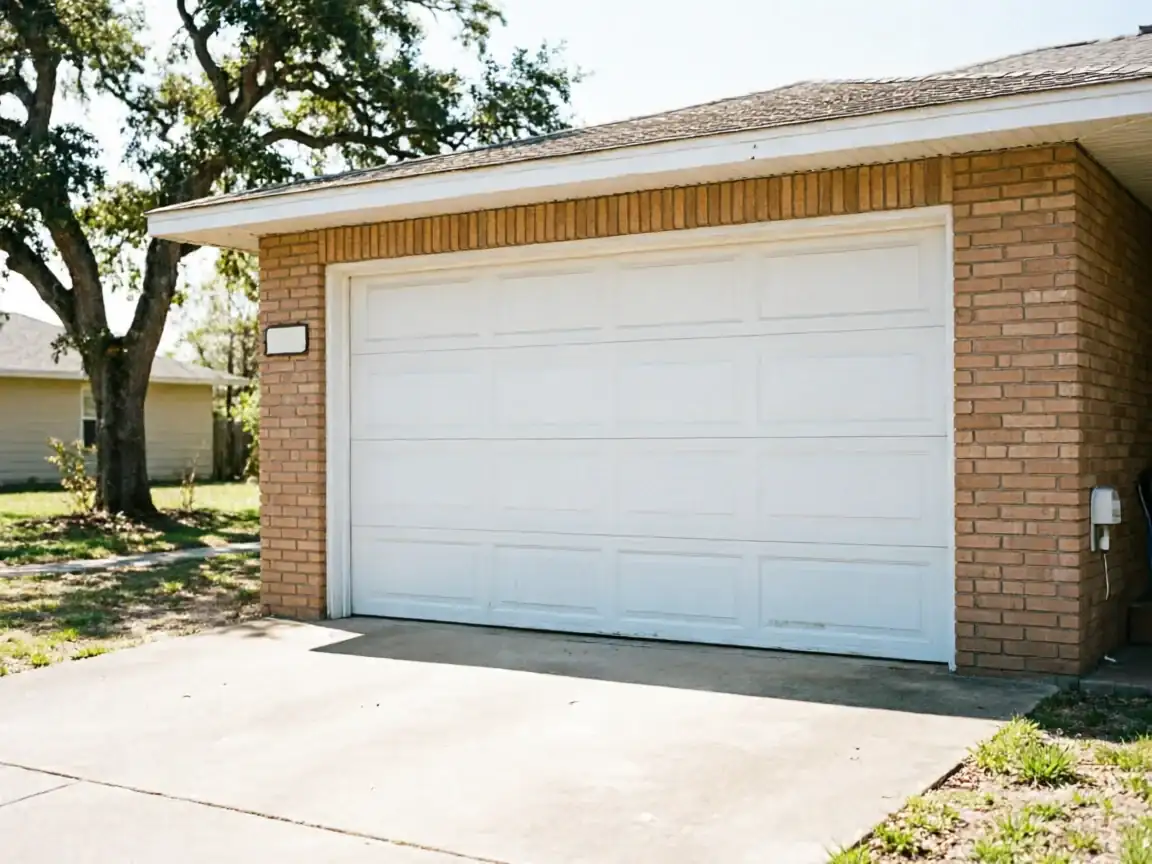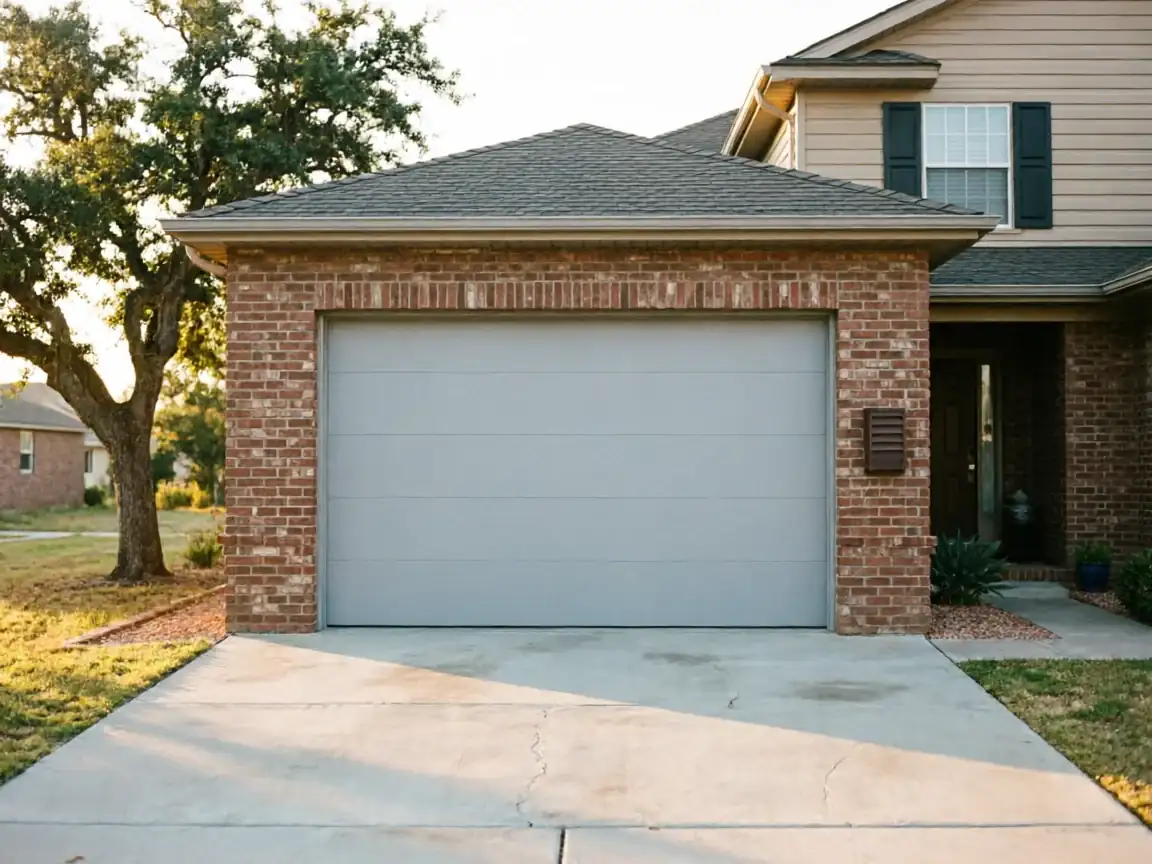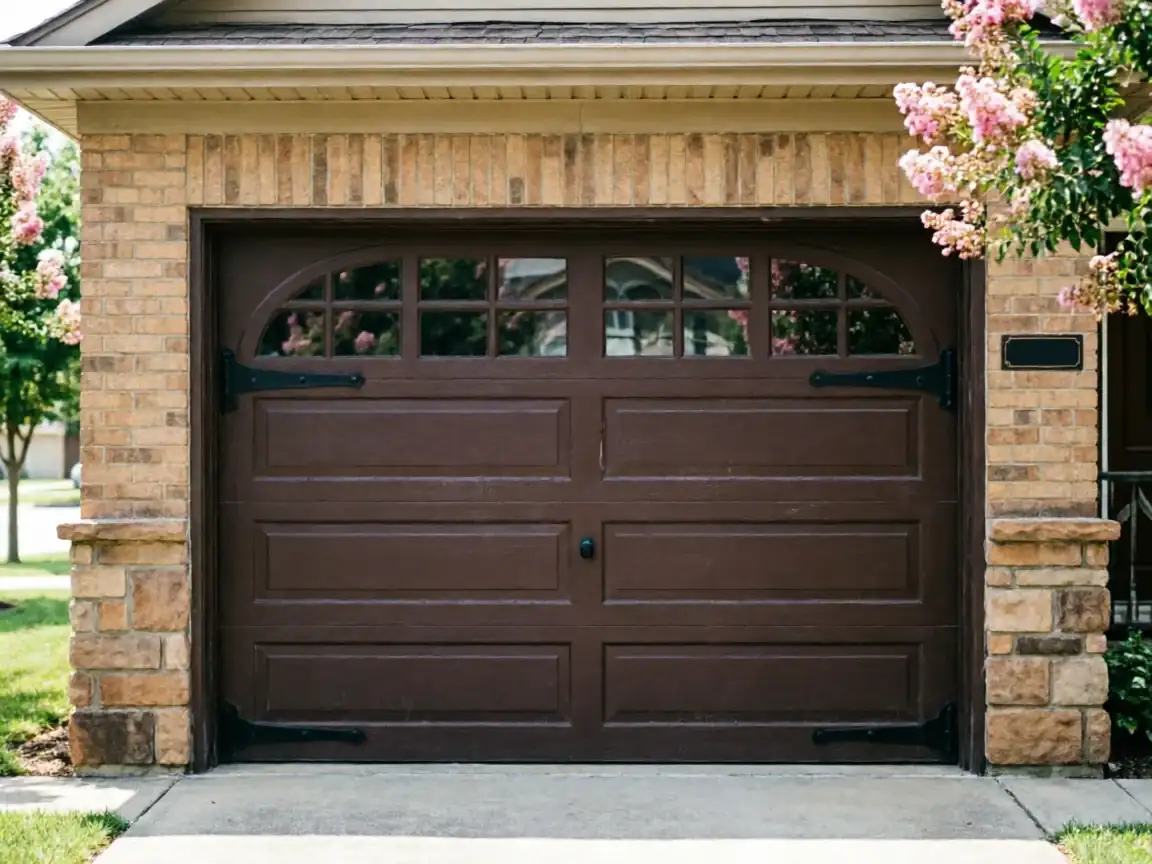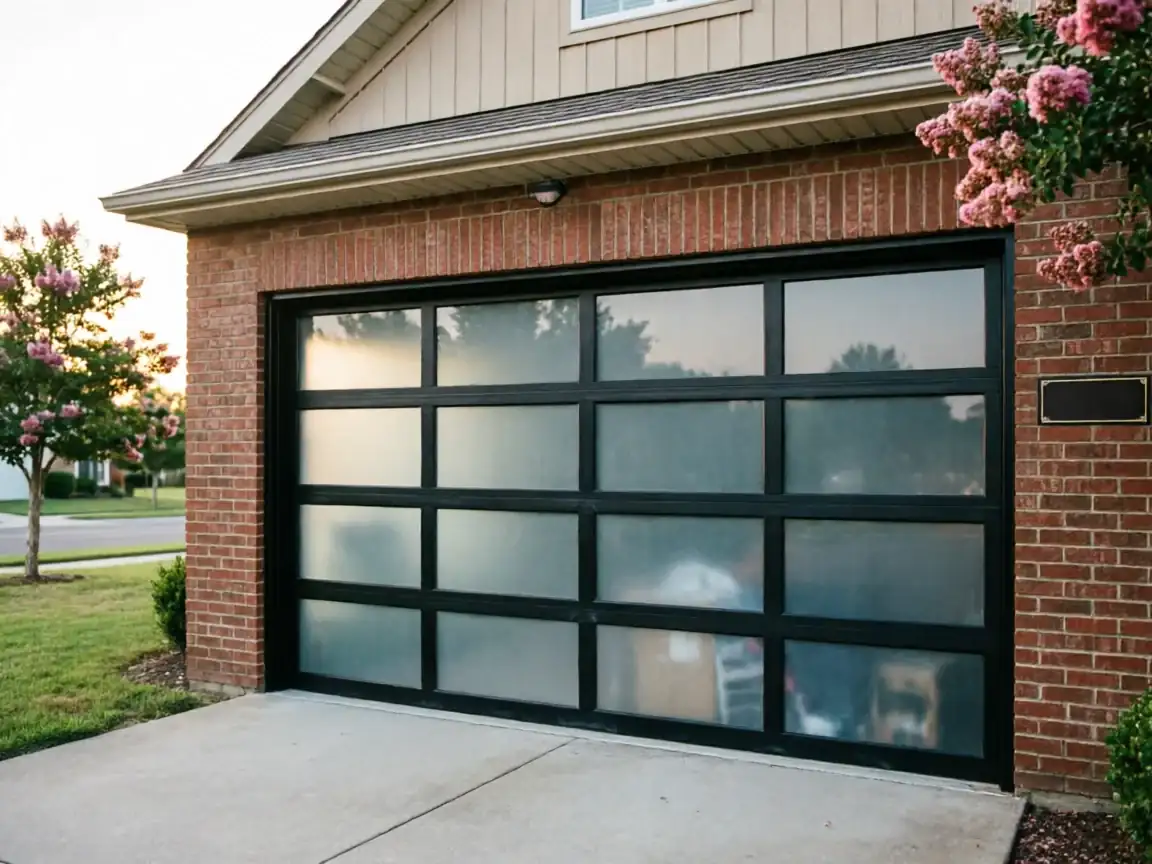
What It Costs
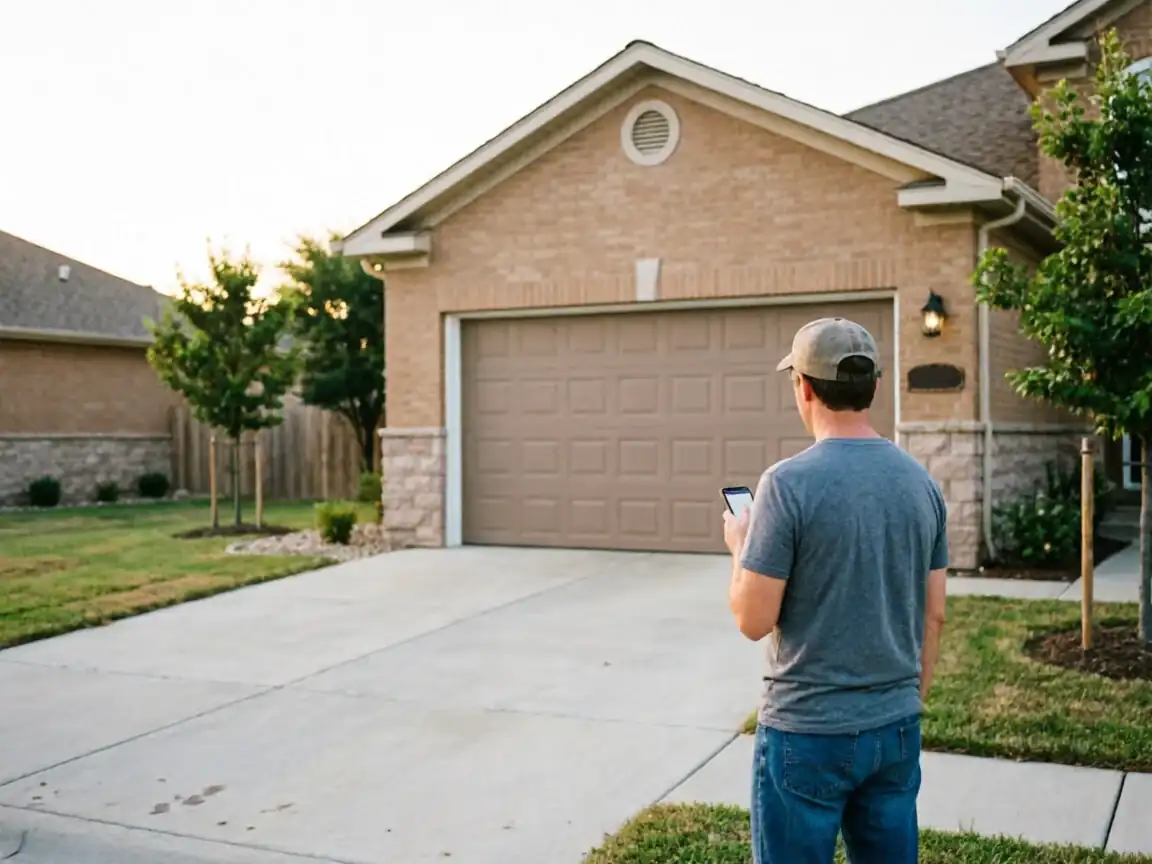
We don't have a flat number to quote here, and honestly, it depends on what's actually wearing out on a given door rather than the town it sits in. What does change the math for Justice specifically is distance: at 15 miles out from Owasso, a maintenance visit here gets scheduled as part of a route, not dispatched on its own, so bundling it with a neighbor's job or a nearby stop in Collinsville or Skiatook keeps the trip efficient. Parts cost is the other factor. Steel sectional doors from the early-90s building wave use torsion springs, rollers, and cable sizes that are common enough we stock them, but an odd panel size or a discontinued hardware style can mean a short wait on a special order. We'd rather tell you that up front than promise a same-day fix on a part we don't have in the truck. Income levels in Justice run higher than the service area average, and what we see in practice is more owners here choosing a full tune-up - springs, cables, rollers, hinges - over a single patch repair, since it tends to cost less over the life of the door than fixing one thing at a time.
What You Are Seeing
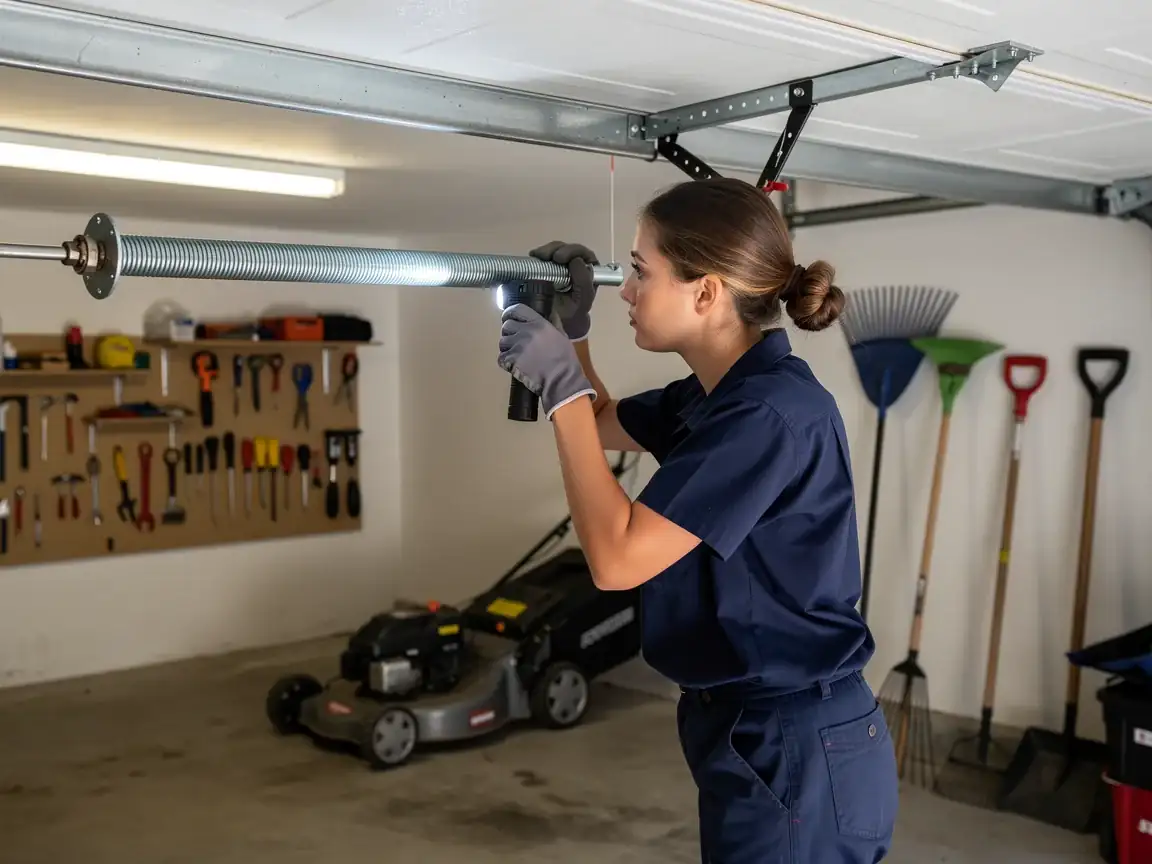
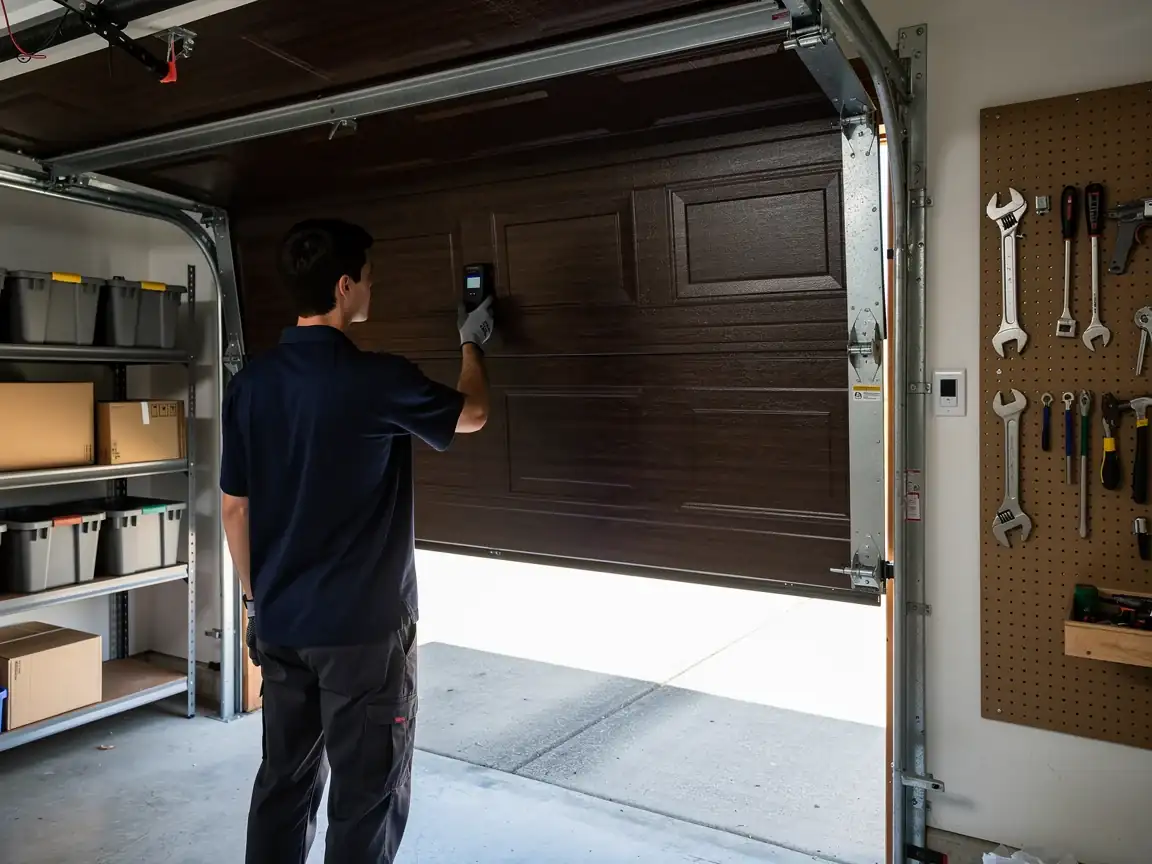
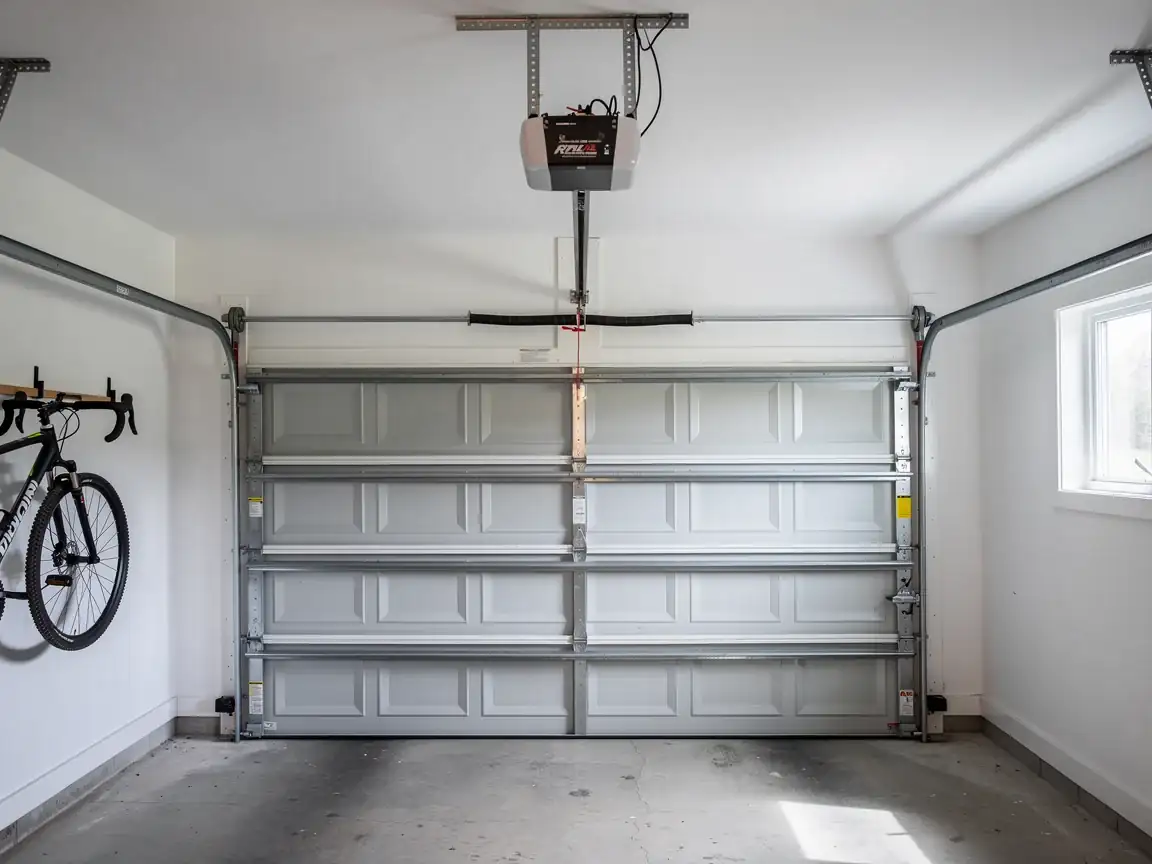
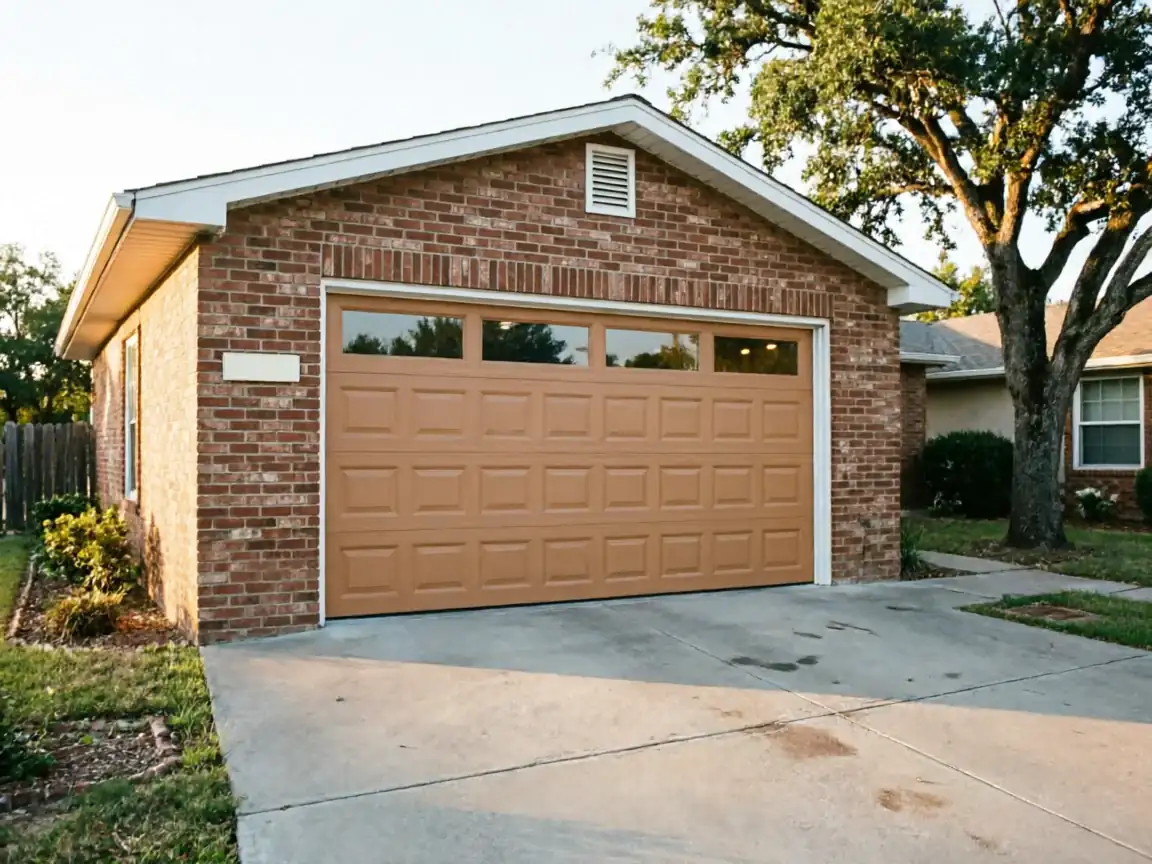
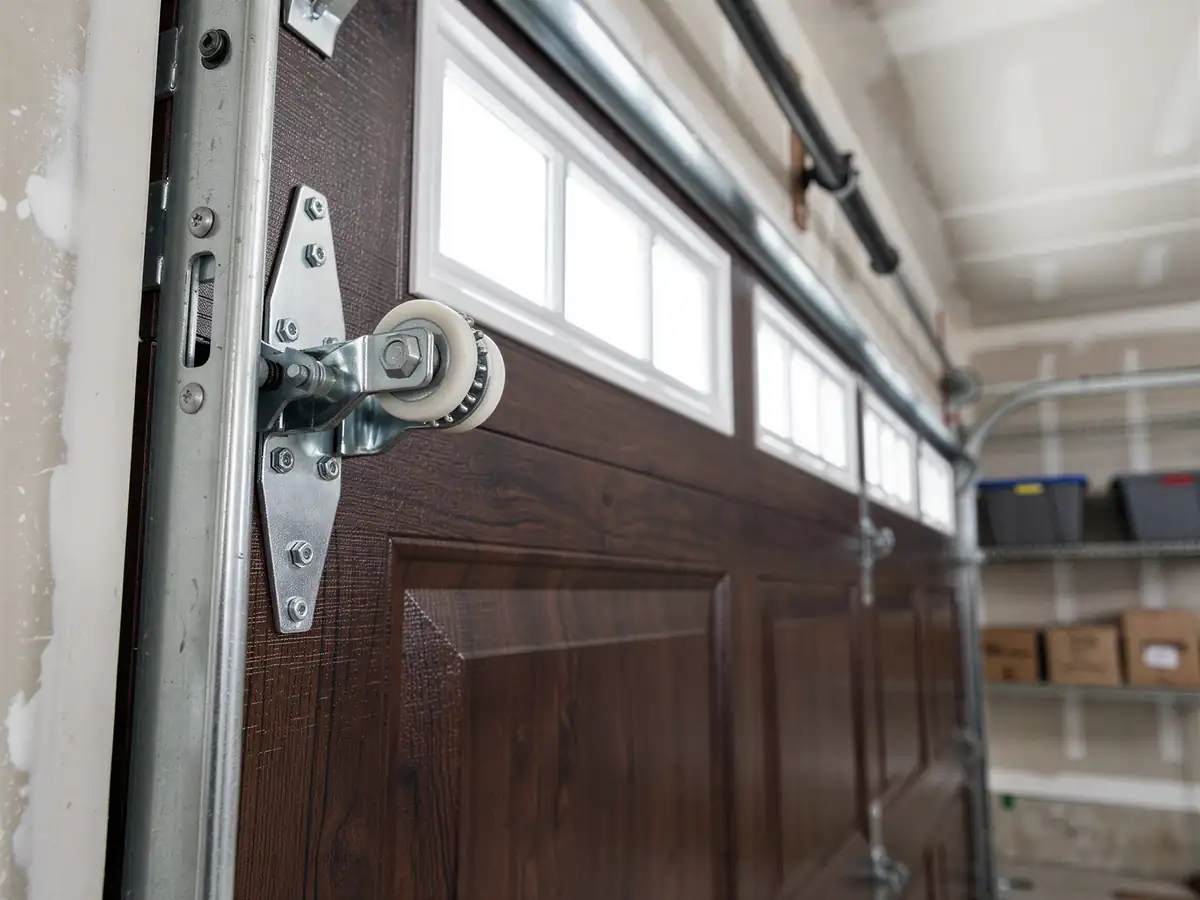
On a door this age, the early signs are small. A roller that used to glide now catches and clicks on the track. The door shudders partway through its travel instead of moving in one smooth motion. One corner sits a half-inch lower than the other when it's down, which usually means a cable has started to fray or a spring has lost tension unevenly on one side. You might notice the opener straining - running louder or slower than it used to - because it's compensating for a spring that isn't carrying its share of the door's weight anymore. None of these are emergencies by themselves. They're the door telling you what thirty years of cycles has done to the original hardware. The failure mode to watch for is a cable popping off its drum or a spring snapping outright, both of which can happen suddenly on a door that's been showing these smaller signs for months. Catching it at the clicking-roller stage is a maintenance visit. Catching it at the snapped-spring stage is a repair call.
How Long It Takes
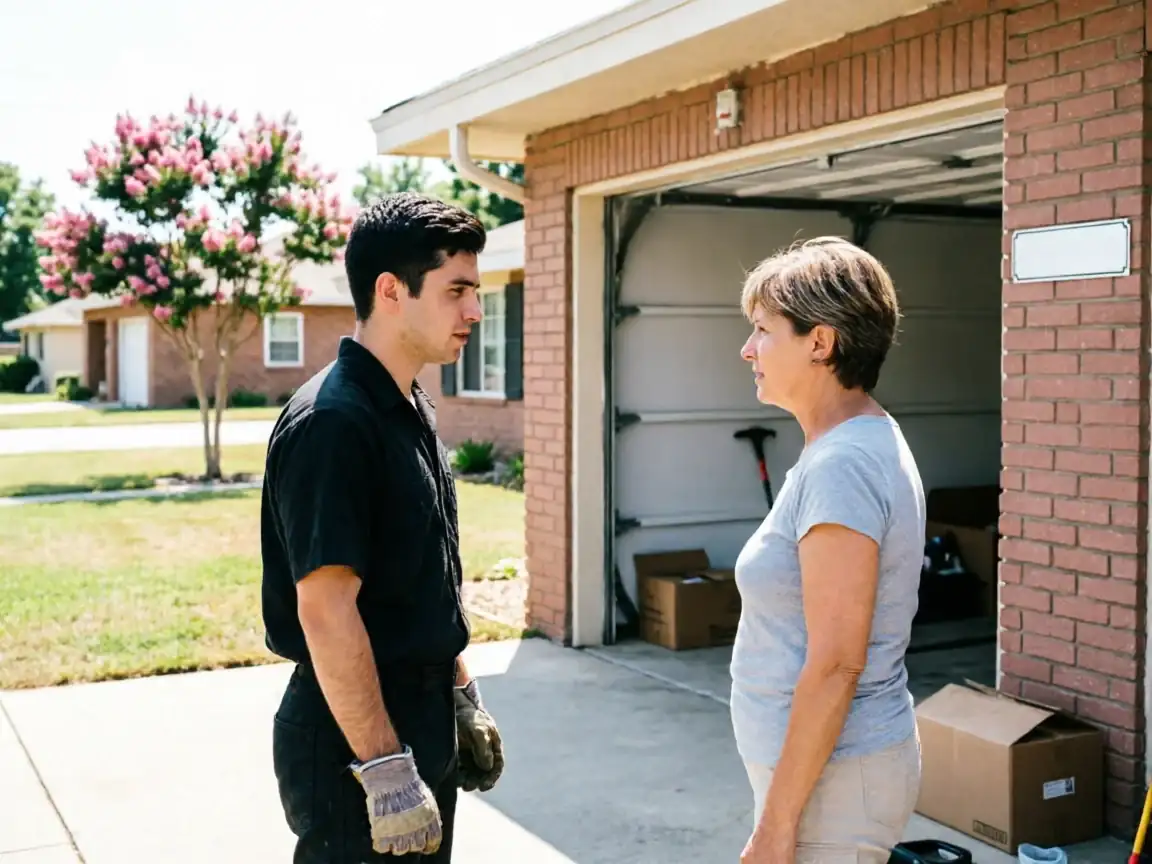
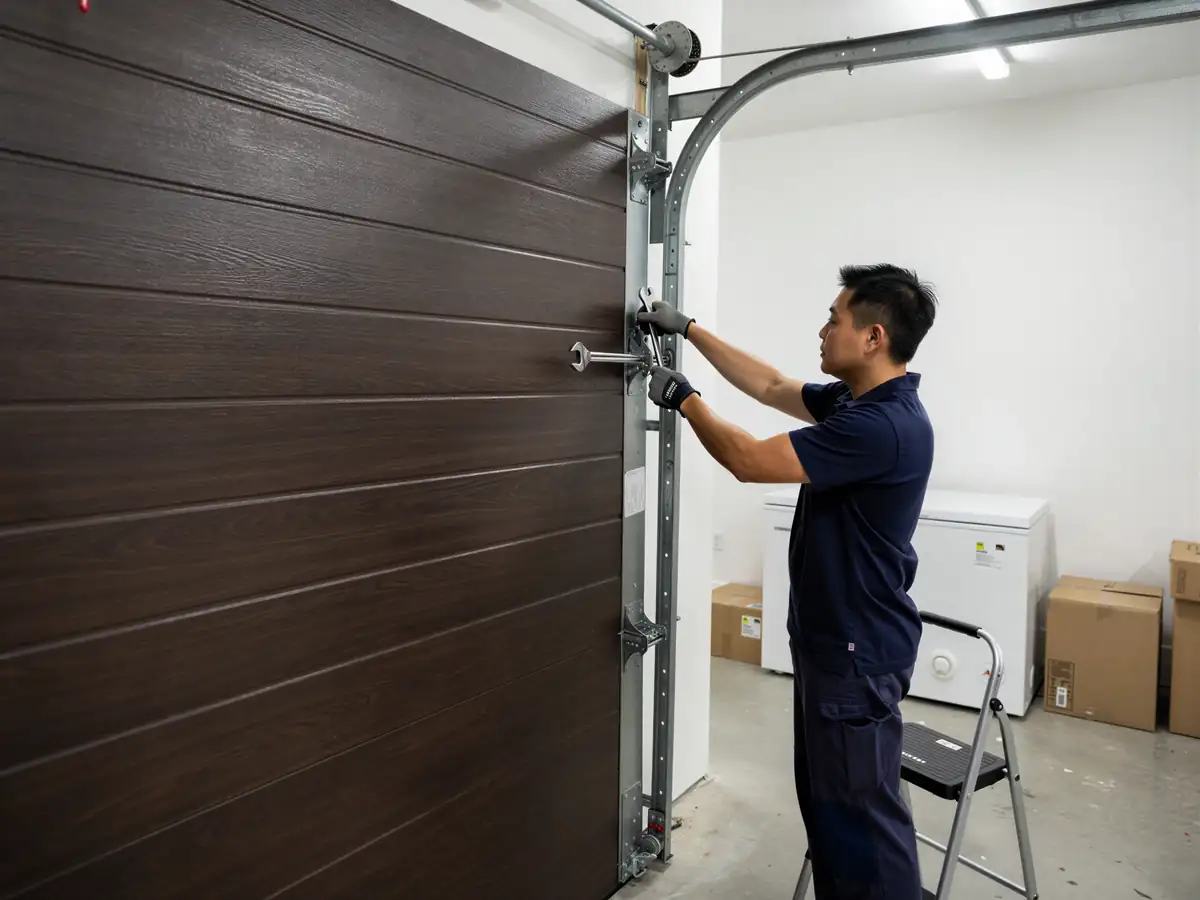
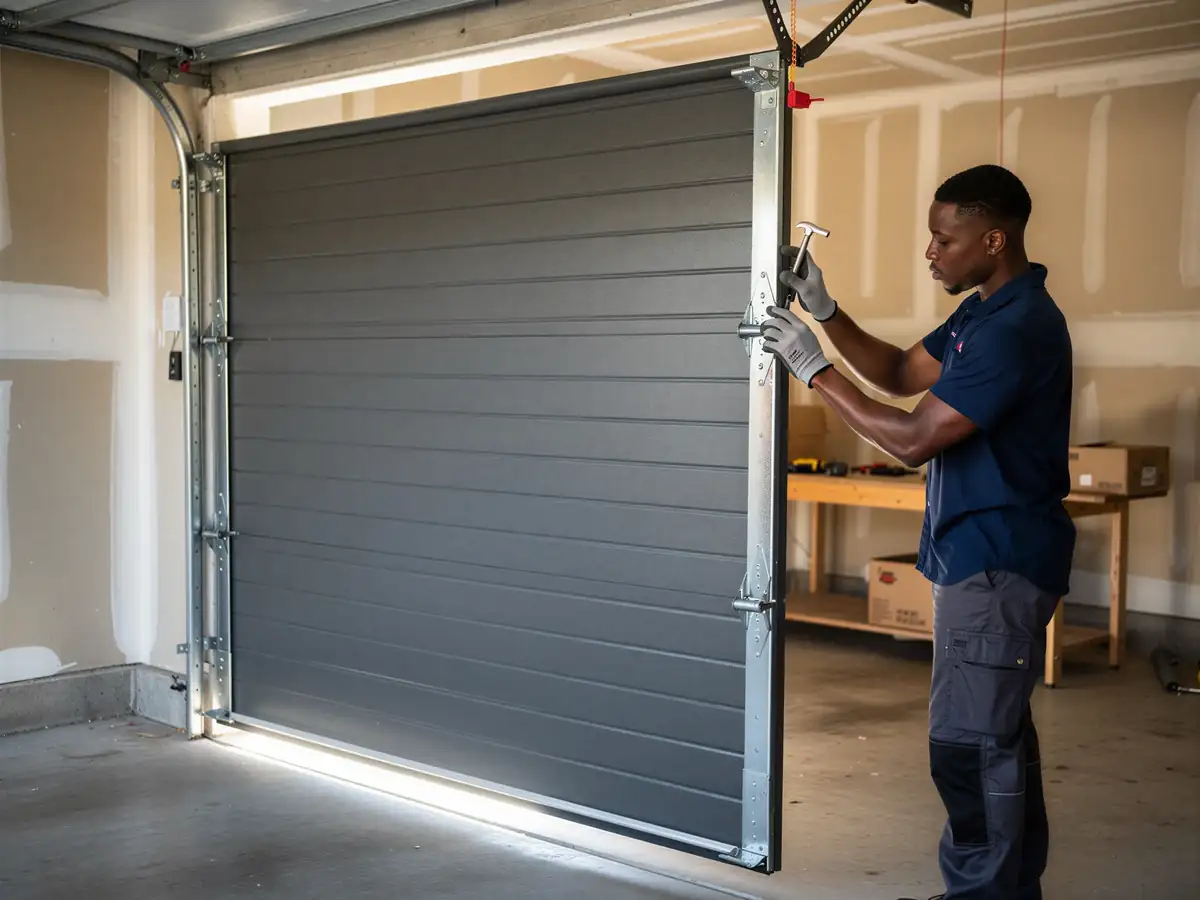
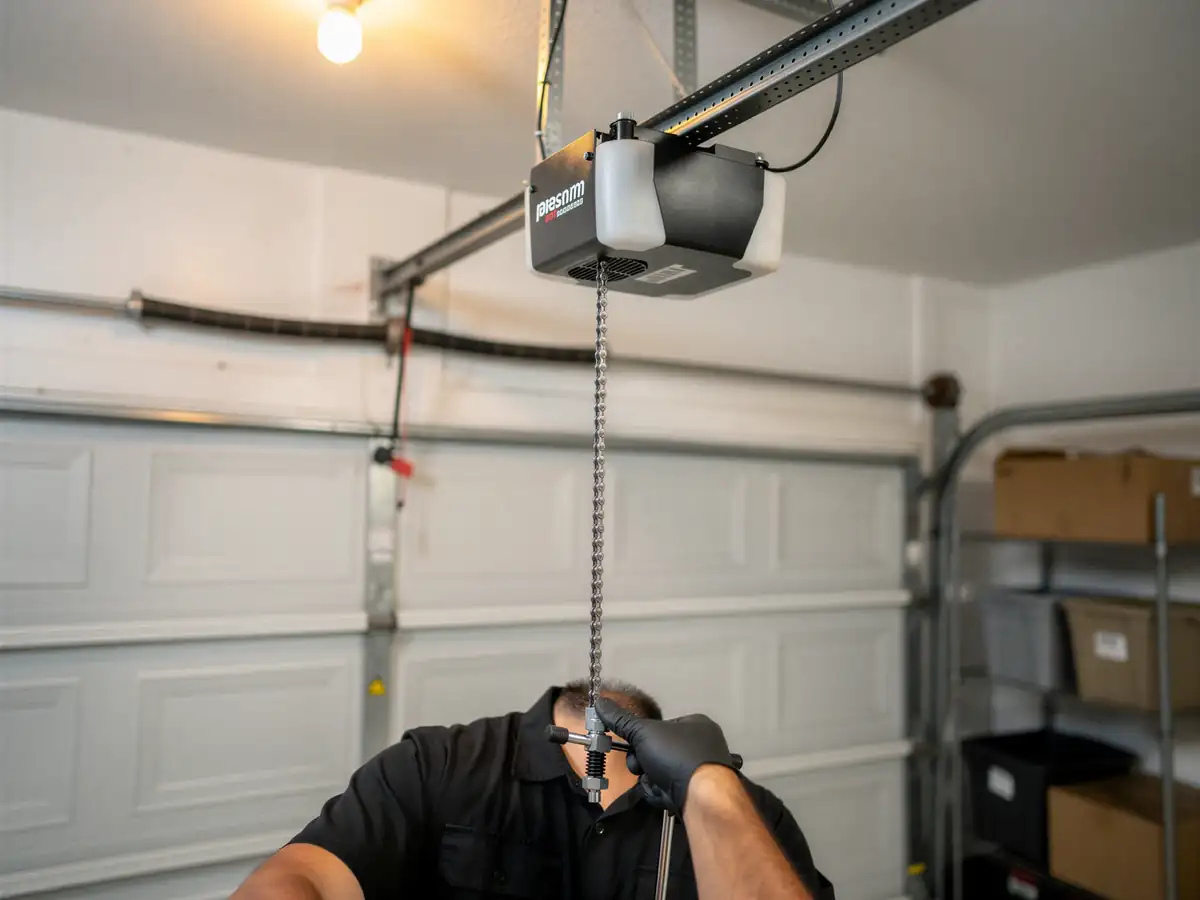
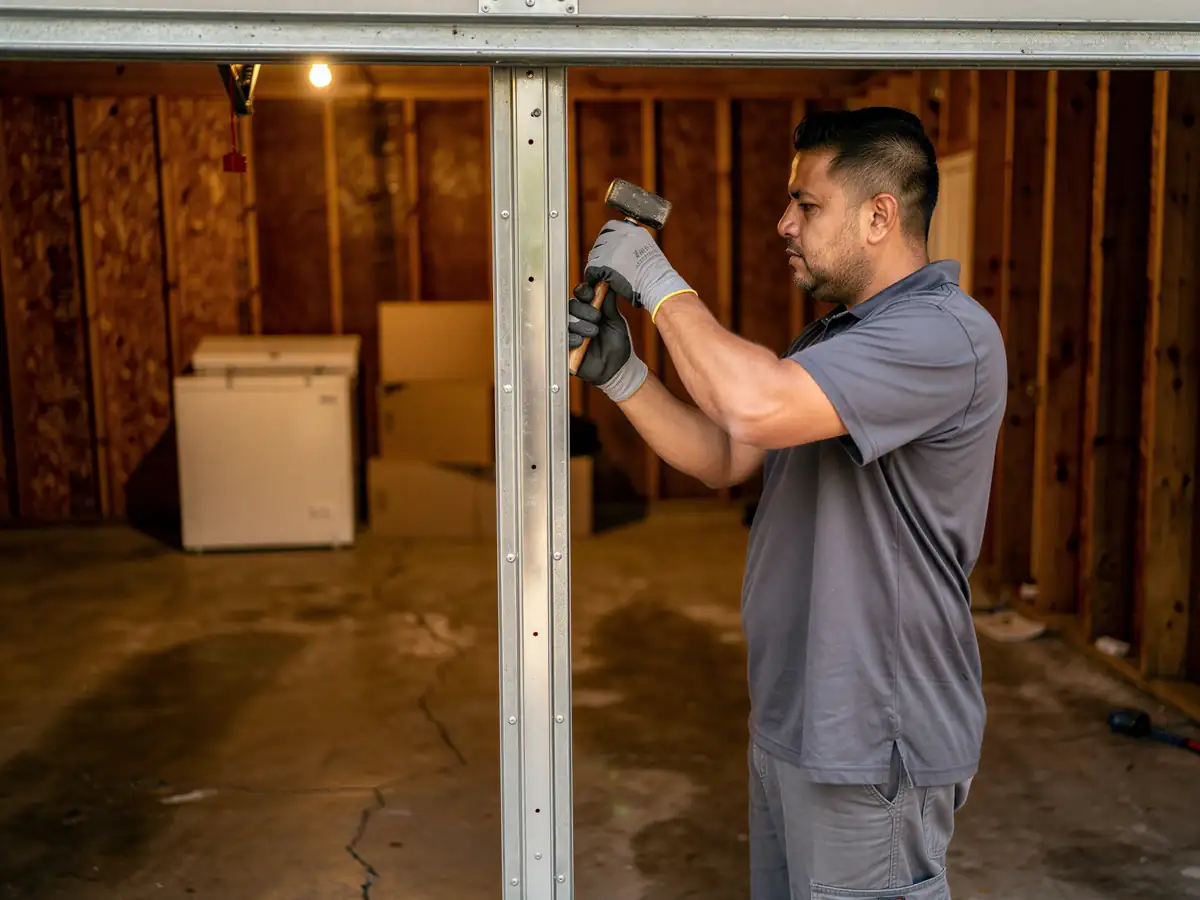
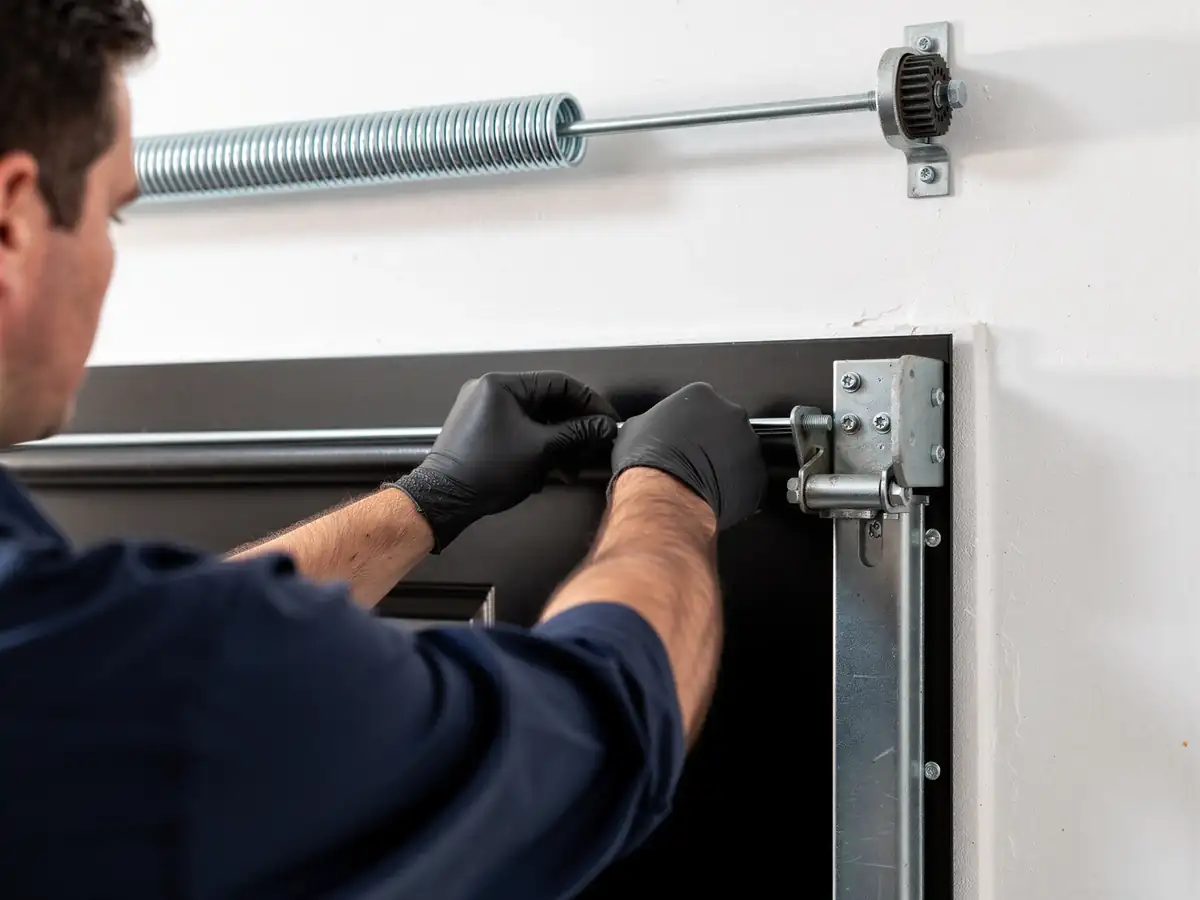
A standard maintenance visit on a door like this - inspecting springs, cables, rollers, hinges, track alignment, and the opener's force settings - takes less time than most people expect, usually well under an hour once we're on site. What takes longer is the drive. At 15 miles from Owasso, getting to Justice adds real time to the day, which is part of why these visits often get scheduled alongside other stops in the area rather than as a single dedicated trip. If a part needs replacing during the visit and it's something common - a roller, a cable, standard hinges - that usually happens the same day. If it turns out to be a spring sized for an older, lighter door style that we don't carry on the truck, that part of the job may need a second visit once it's ordered in. We'd rather say that plainly than promise a one-trip fix we can't always deliver.
Parts We Carry
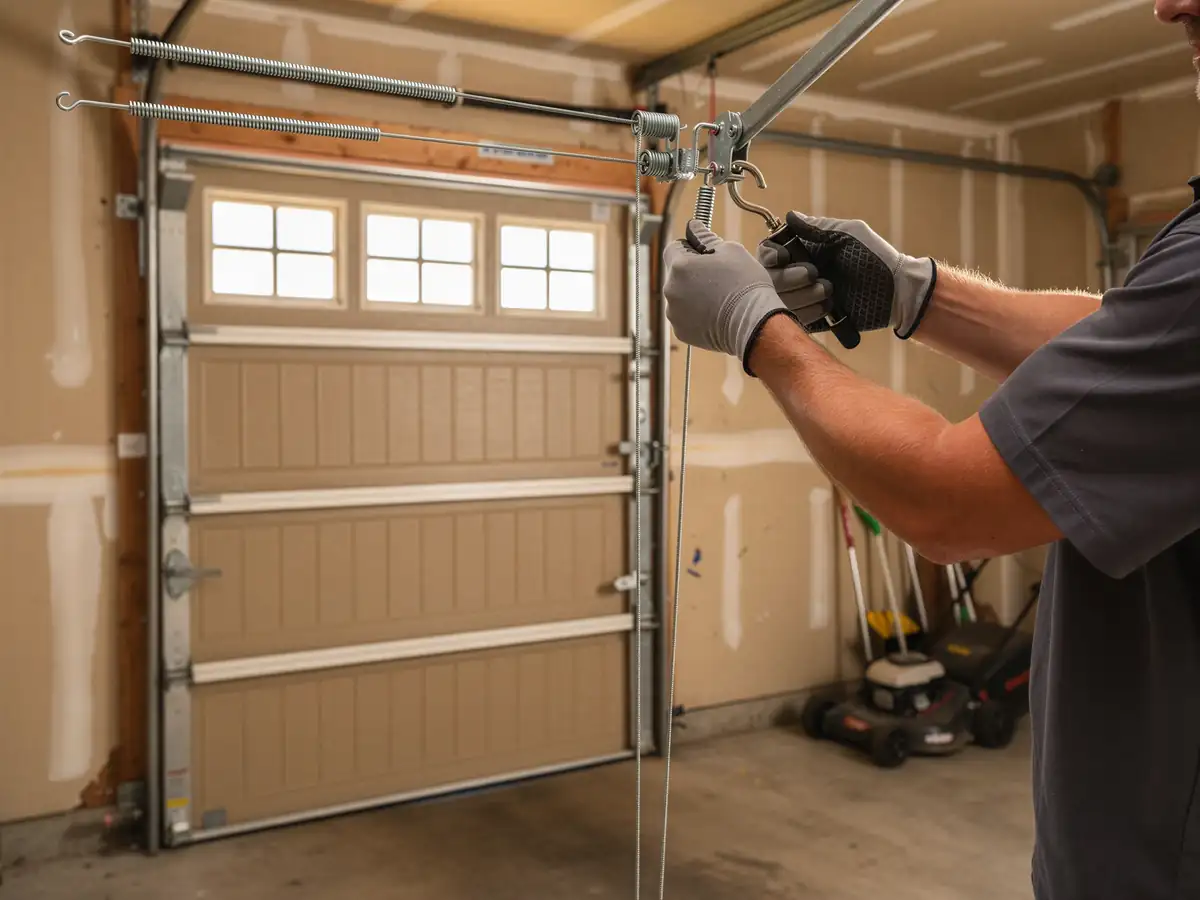
For doors from this era we carry the parts that actually fail: torsion springs in the common weight ranges for steel sectional doors, galvanized lift cables, nylon and steel rollers, hinges, and standard track hardware. These cover the great majority of 1980s and 90s builder-grade doors across the wider service area, which is why we can usually handle a repair the same day it's diagnosed. What we don't keep on hand are odd or discontinued panel sections, decorative hardware from builders who are long out of business, or opener parts for models that have been out of production for years. On those, we'll tell you honestly whether it's worth sourcing the part or whether replacing the section or the opener outright makes more sense. For a lot of doors this age, once you're past spring and cable work, a full opener or door swap starts to pencil out better than chasing parts for something built before most current manufacturers' catalogs existed.