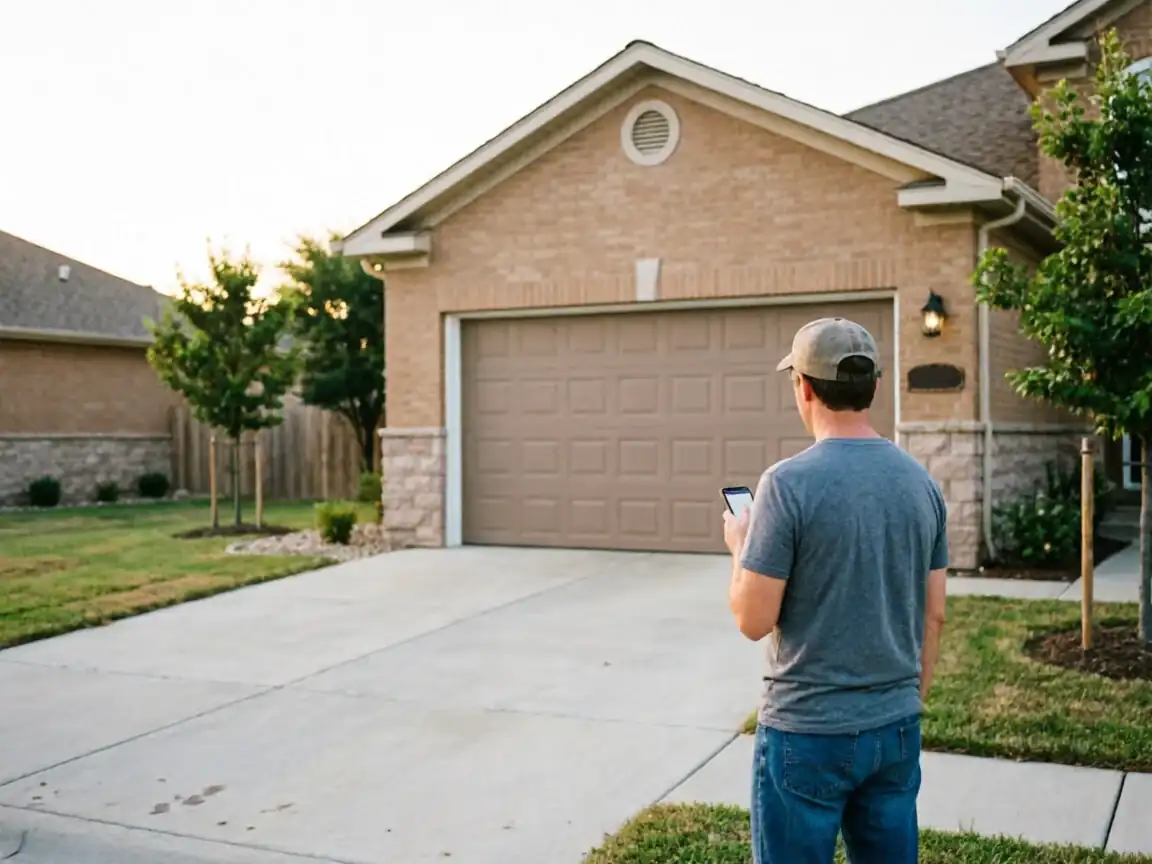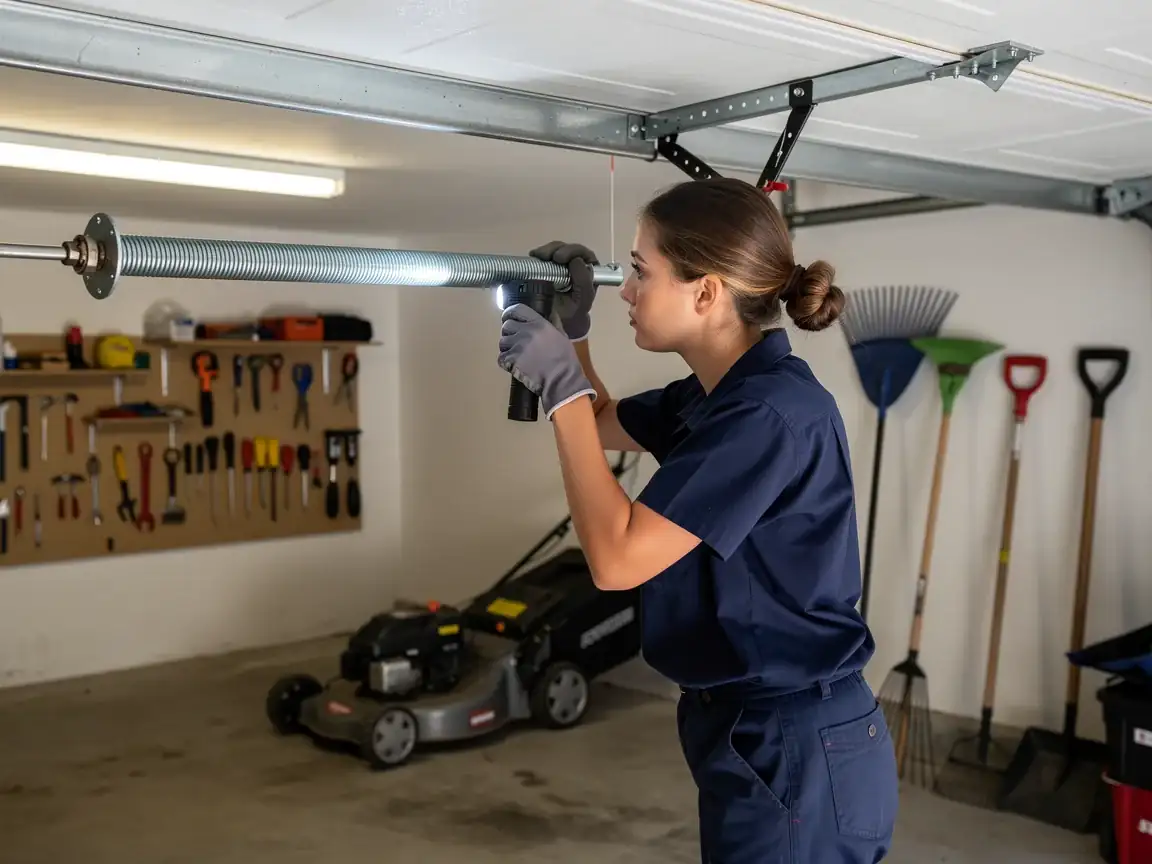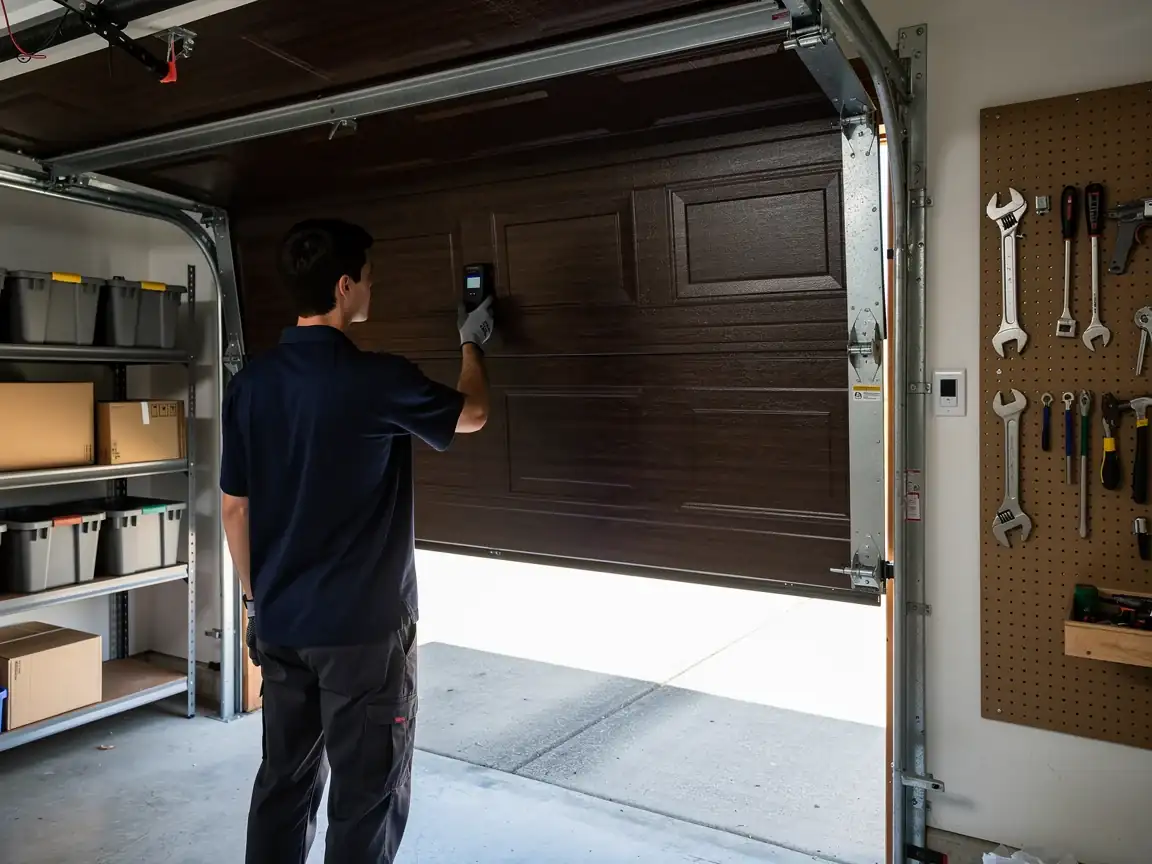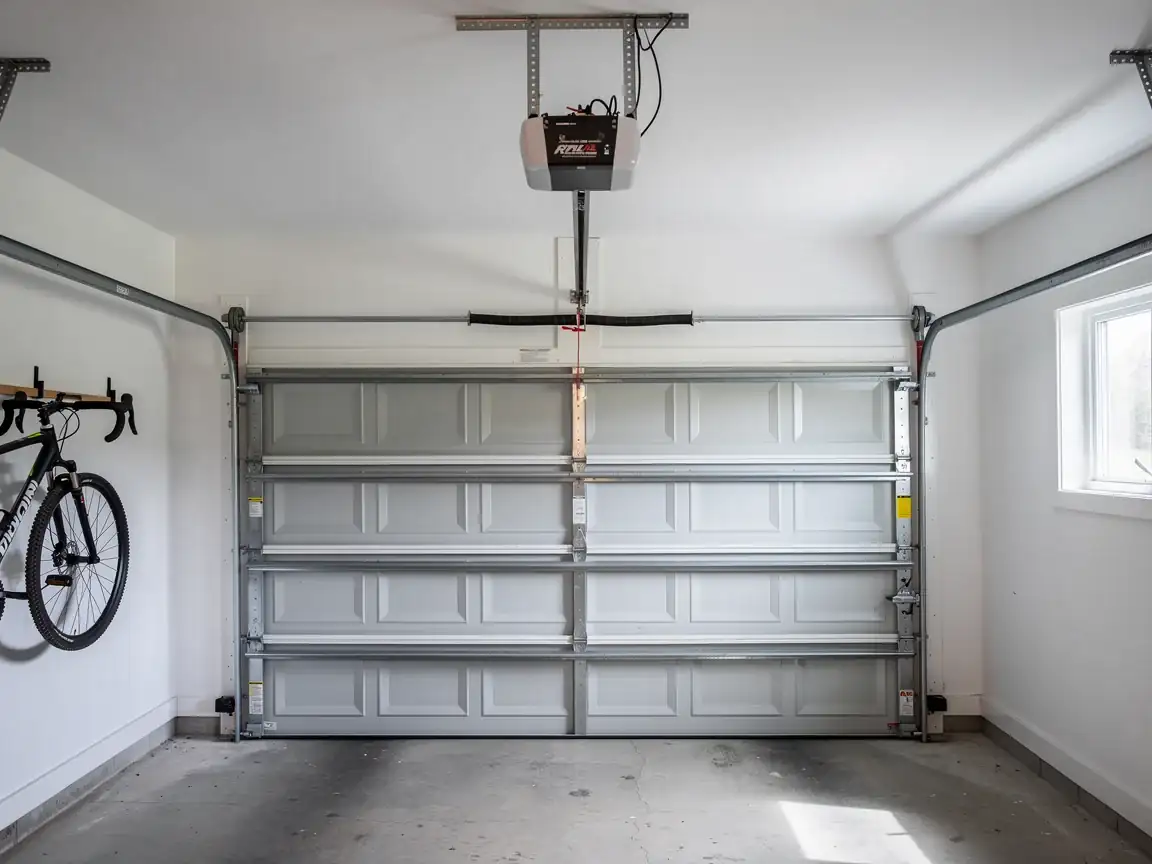
What You Are Seeing
The door catches instead of rolling
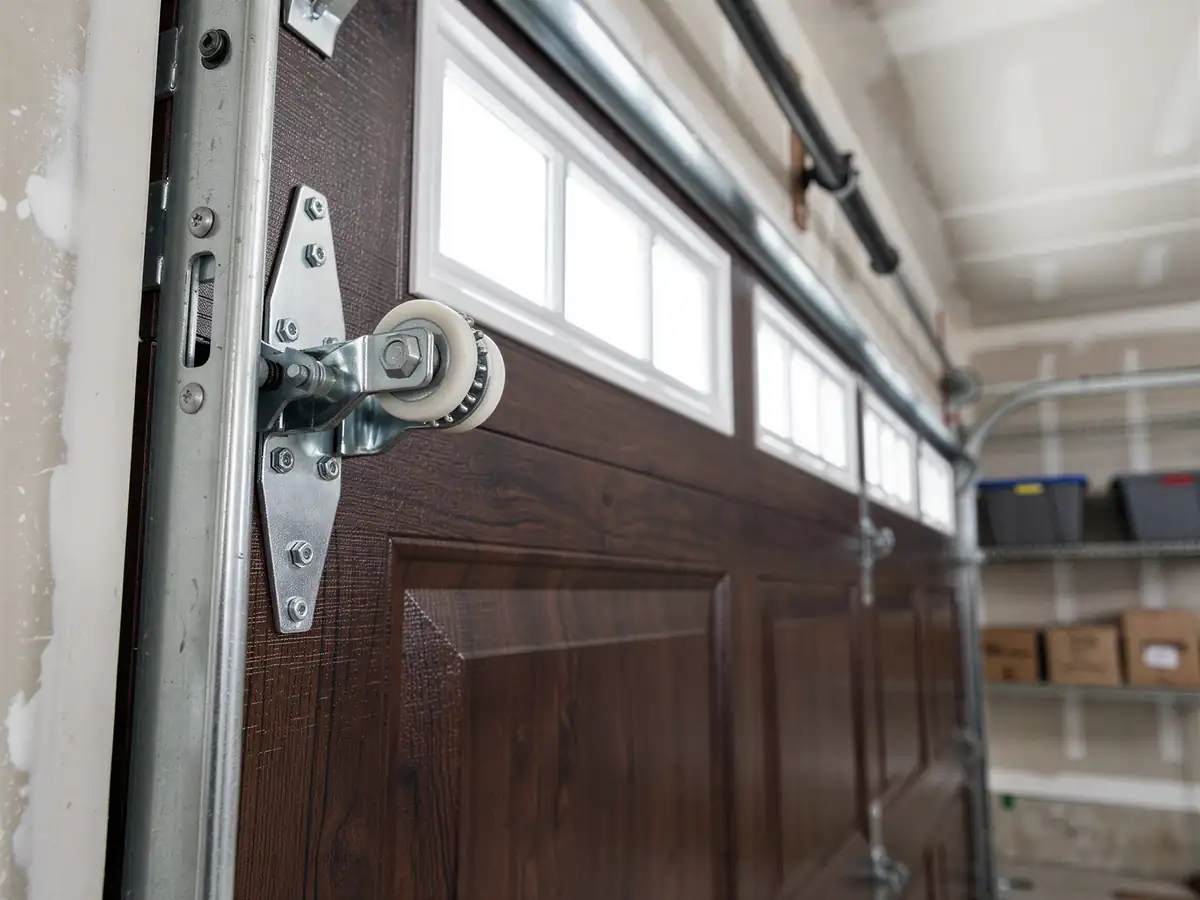
You hear a grinding or popping sound right as the panel passes the bend in the track, and sometimes the whole door shudders instead of sliding smooth. That's a roller giving out, not a spring or an opener problem, even though homeowners usually call about "the opener straining."
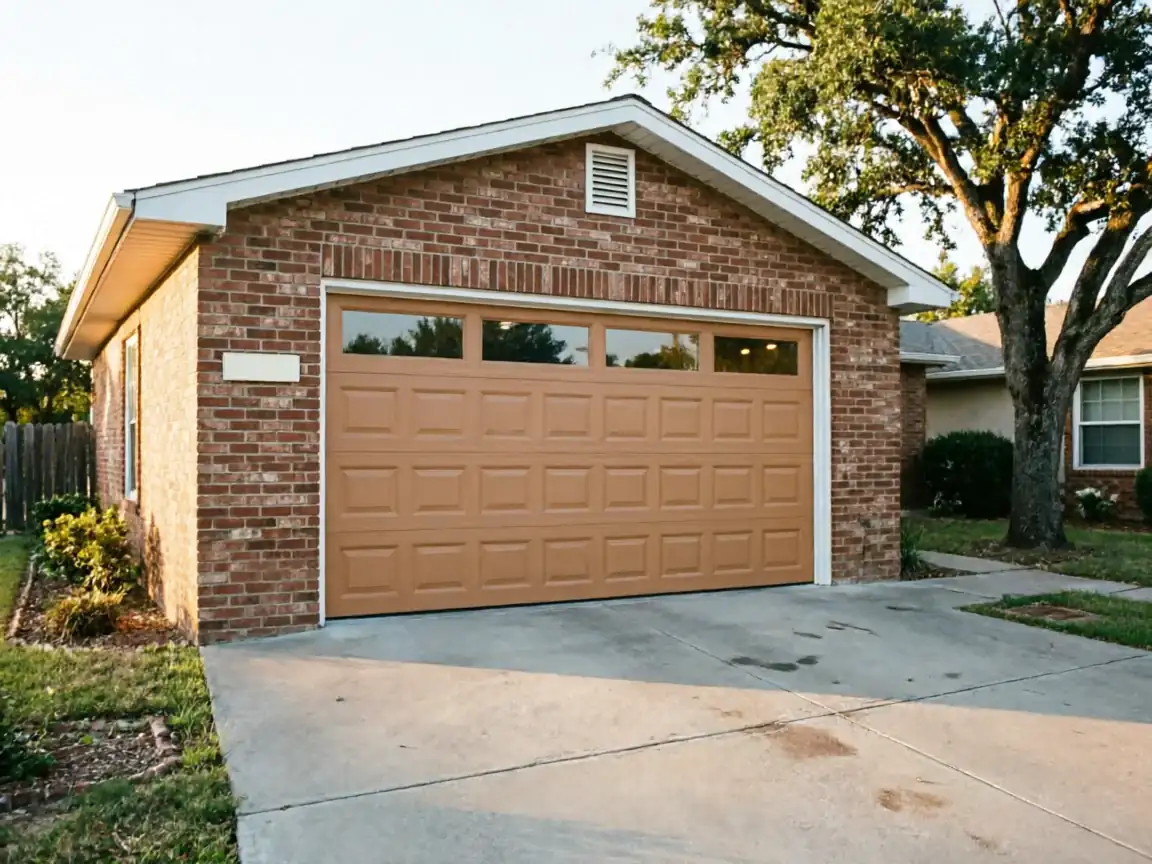
In Claremore, the typical house went up around 1982
Which puts most doors on their second or third roller set by now if nobody's touched them. Builders in that era used steel rollers with plain bearings almost everywhere, and those wear a groove into the stem over twenty-plus years of daily cycling. Once that groove deepens, the roller doesn't spin anymore - it just drags through the track, chewing up the rail and the roller both. That's the stage most Claremore calls come in at: not a quiet squeak, but a door that's visibly fighting its own track.
Why This Fails Locally
Steel rollers on nylon bushings were standard in Claremore's building years, and they're a fine design for maybe fifteen years of service - not forty. A lot of these houses are still running the original hardware, because a roller doesn't fail all at once. It degrades a little every winter and every summer, and nobody notices until one roller locks up entirely and the door starts binding on one side.
The cold-moderate climate here doesn't help. Steel rollers contract in winter cold, which tightens already-worn bearings further, and that's usually when the grinding starts or a roller finally seizes. It's not a dramatic failure - it's the slow kind, the kind that's been building since the house was built, now finally showing up as a door that won't move right.
The Complications
Claremore sits far enough out - thirteen miles from Owasso - that we're not swinging by on a whim to look at a squeak. If you're calling about roller noise, it's worth describing what you're hearing and seeing on the phone first, because a roller job and a track-alignment job look similar but aren't the same repair.
The other complication is what's attached to the roller. On a lot of these 1980s-built doors, the roller stems run through brackets that have rusted or bent slightly over the decades, especially on the bottom panel where road salt and moisture collect. Swapping the roller without checking the bracket just means the new roller fails again in a season or two. We check both, every time, because a roller-only fix on a bad bracket isn't a fix.
One honest note: if the track itself is gouged from years of a dragging roller, rollers alone won't quiet the door. At that point you're looking at track replacement too, and we'll tell you that up front rather than sell you a roller job that won't hold.
What the Fix Involves
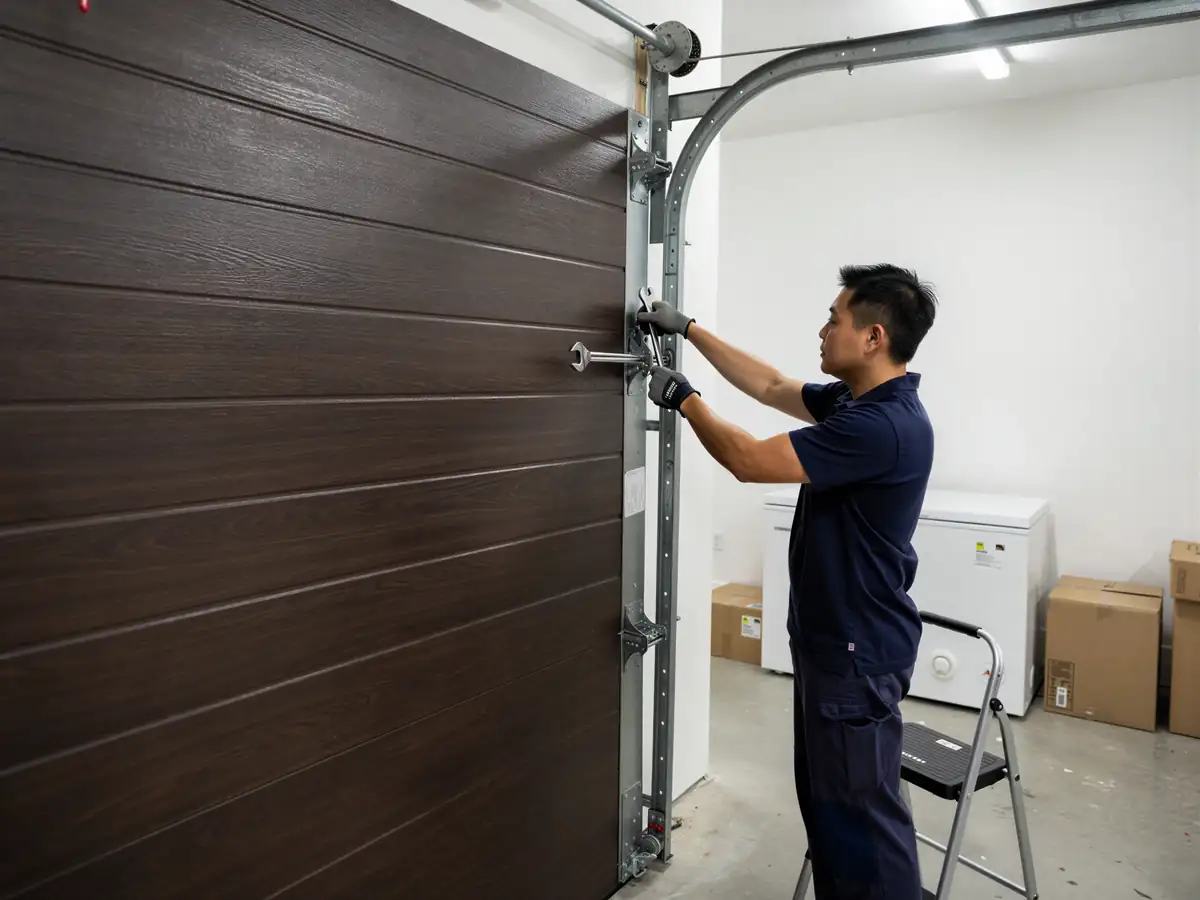
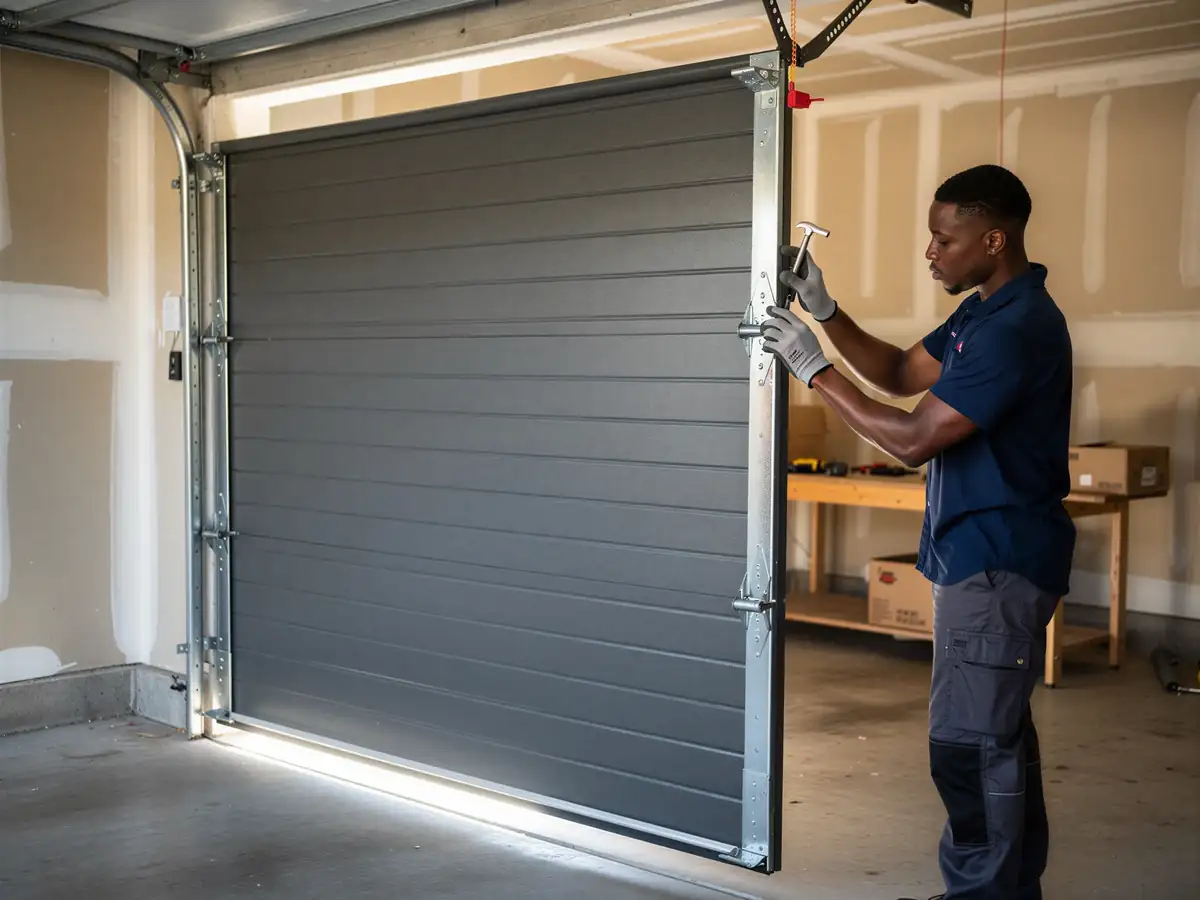
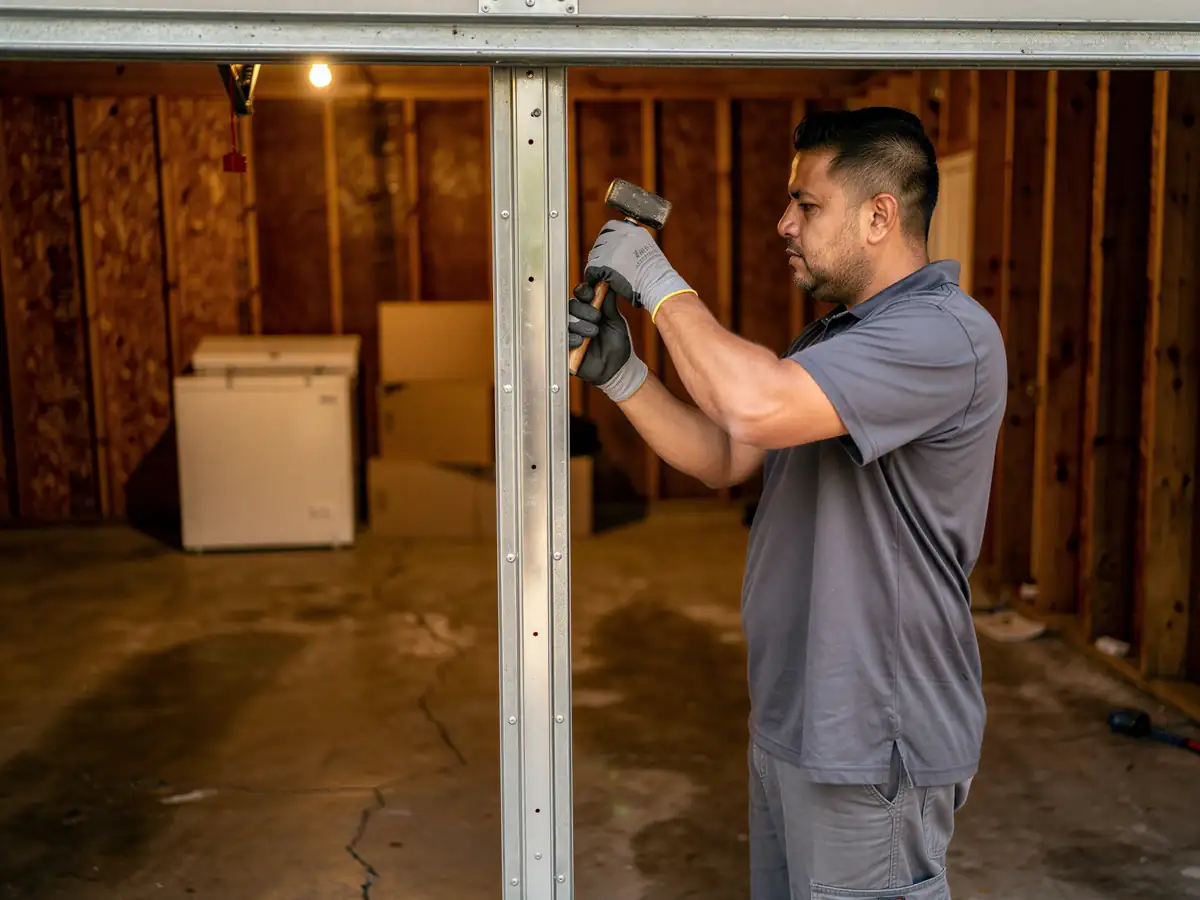
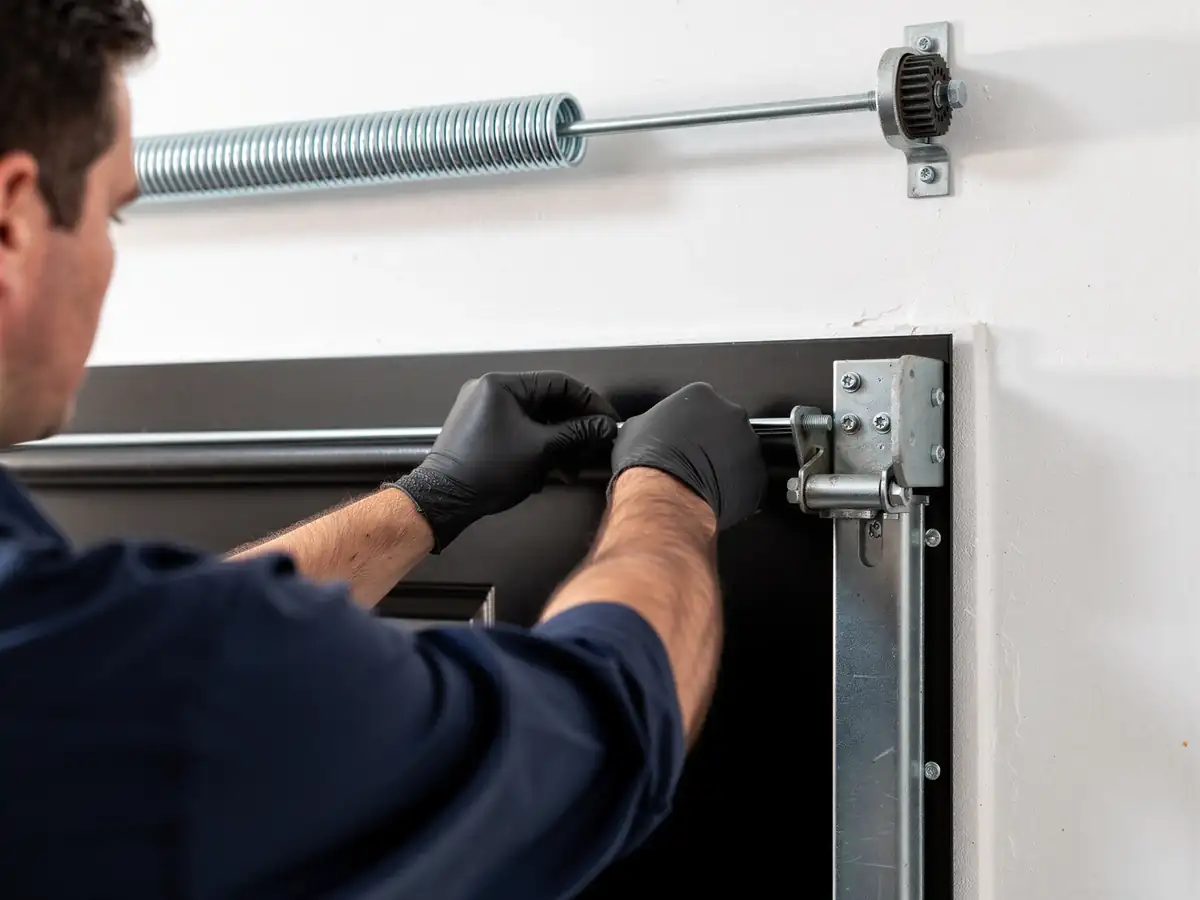
We pull the old rollers, check every bracket and hinge along the track for rust, bending, or stripped screws, and replace rollers as a full set rather than one at a time
Mismatched wear on the rest will just mean another call in a year. Nylon rollers with sealed bearings are the standard swap for houses built in Claremore's era, since they run quieter and don't develop the stem groove that steel rollers do.
We also true up the track where a dragging roller has knocked it out of alignment
Because a new roller in a bent track wears the same way the old one did. The whole job, door open to door closed and tested through a few full cycles, happens in one visit from the Owasso truck.
What we won't do is replace rollers on a track that's gouged too deep to true up
That's a track job, not a roller job, and we'll say so rather than send you home with a quiet door that fails again in six months.