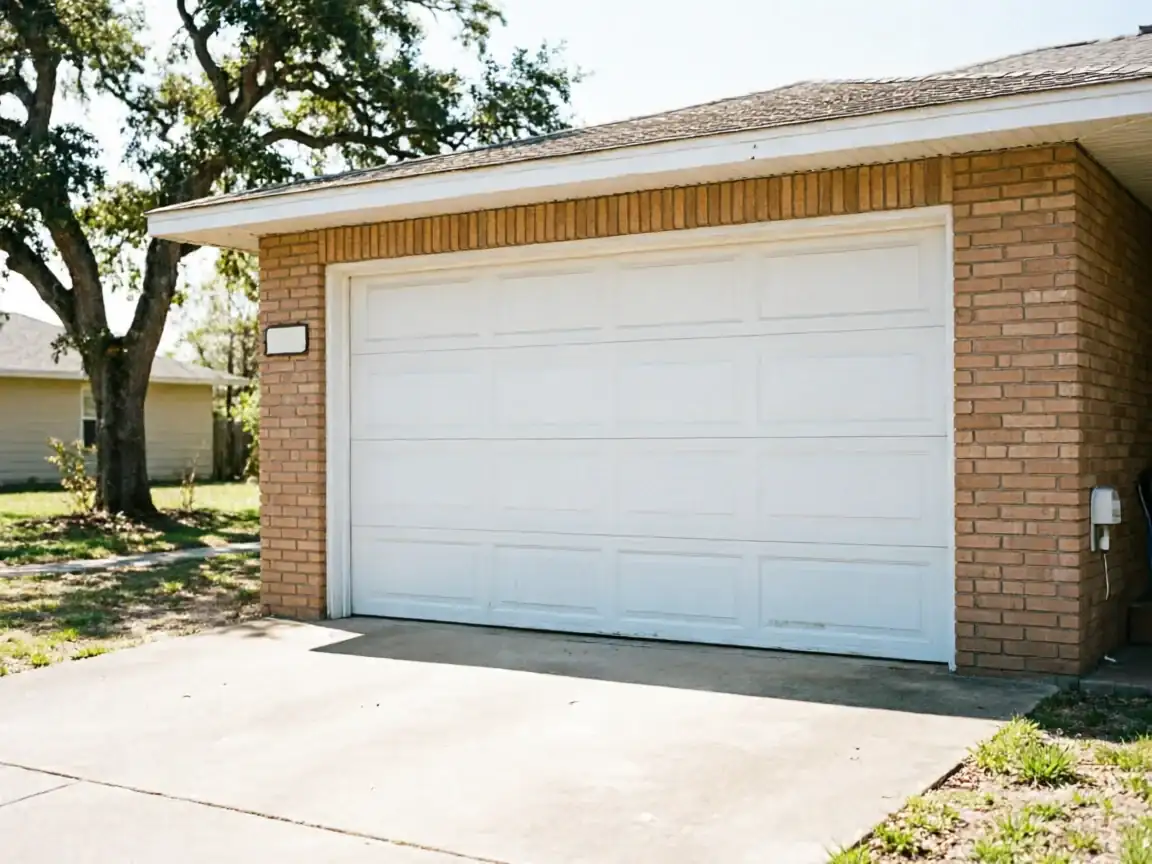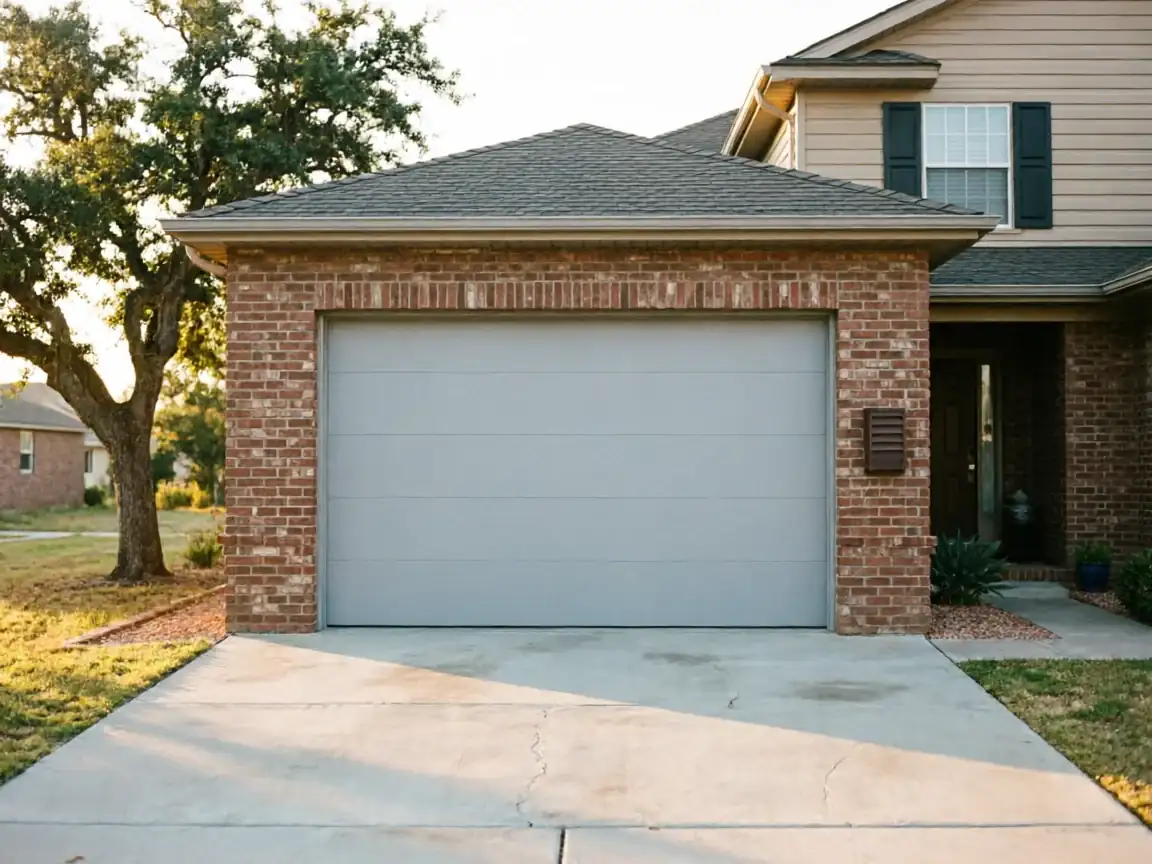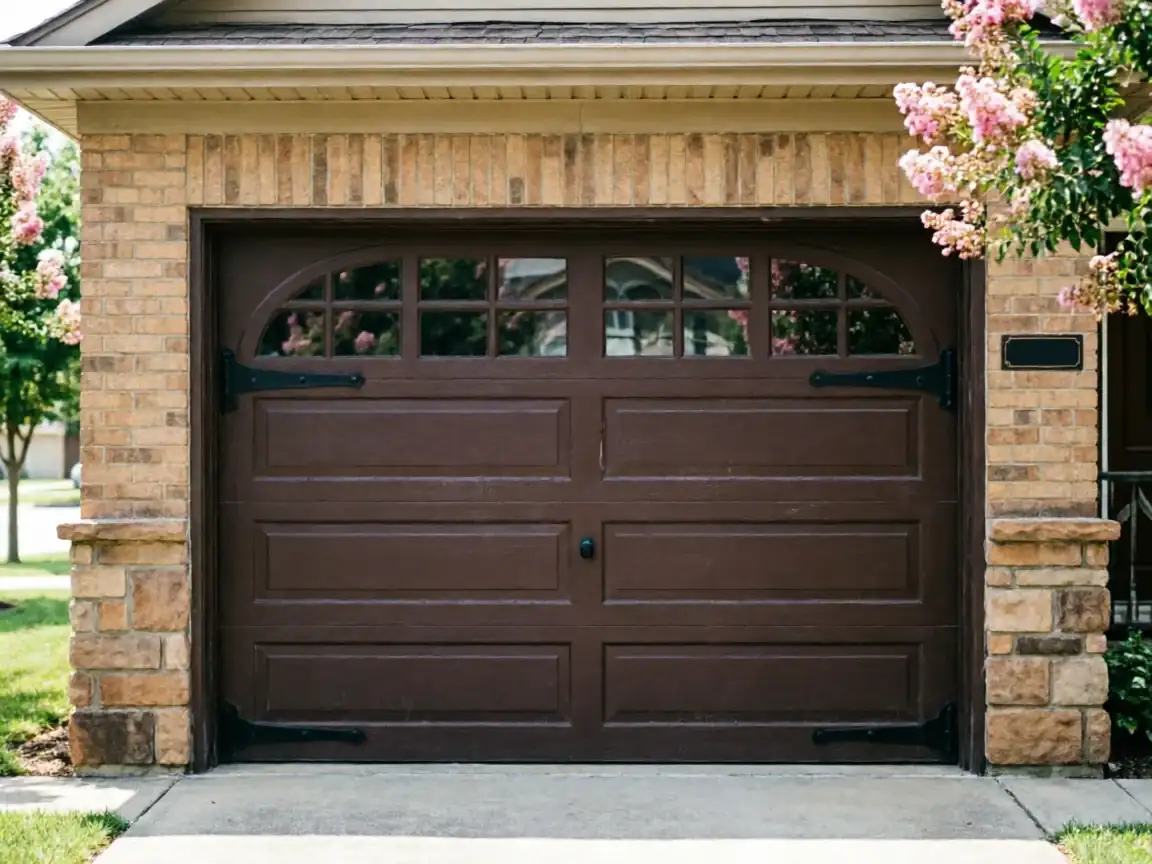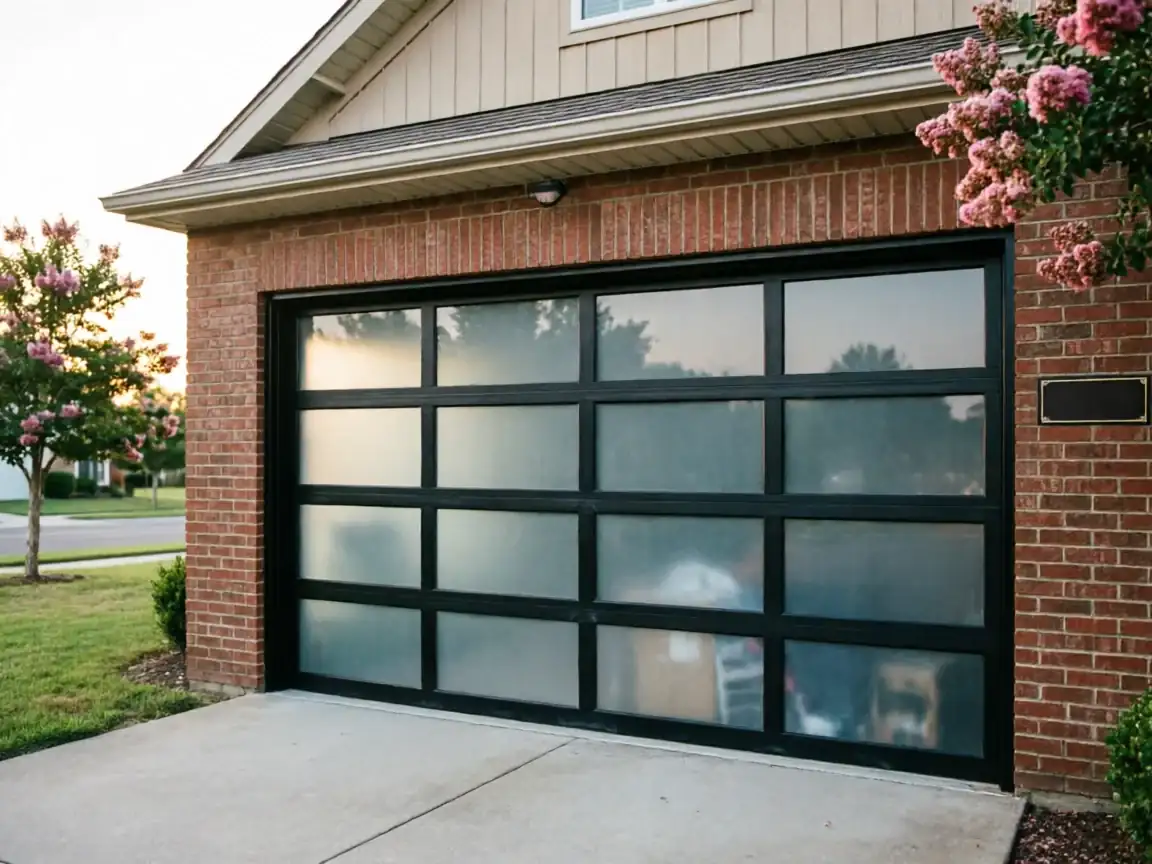
What You Are Seeing
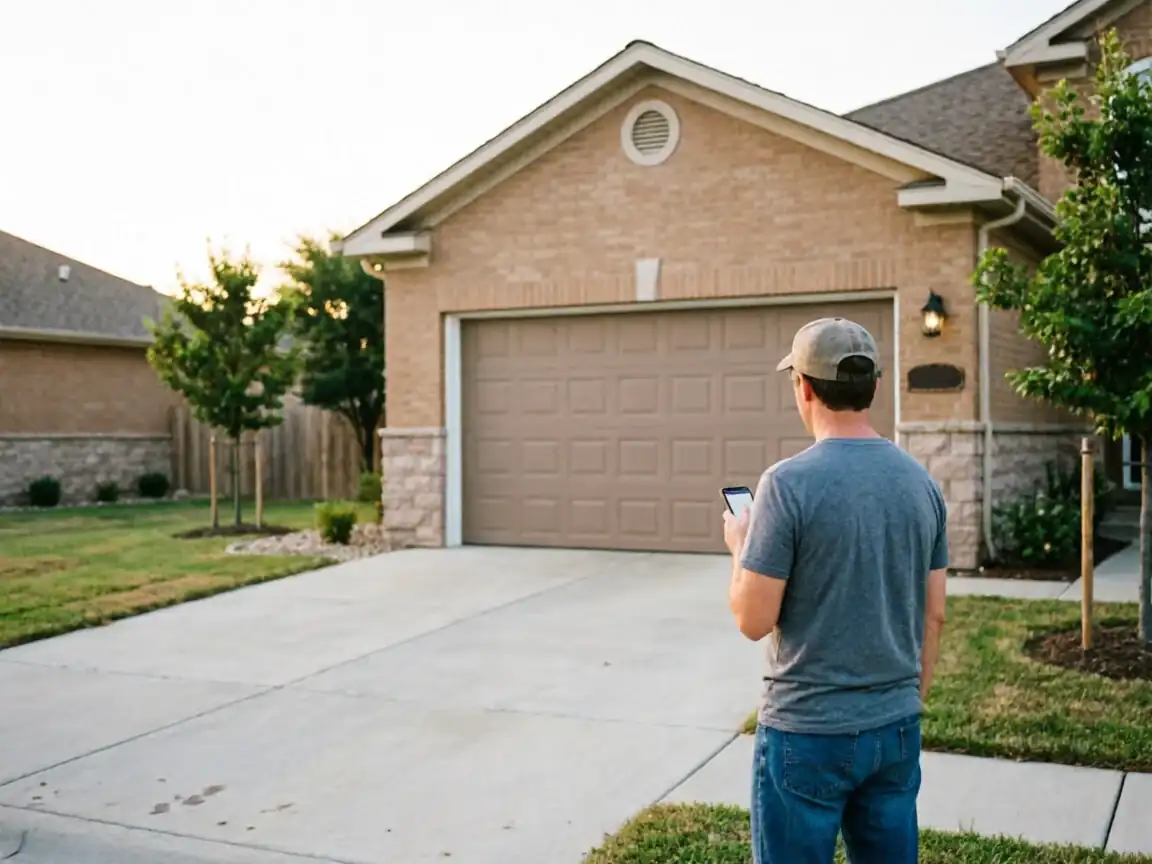
Most houses in Claremore went up around 1982
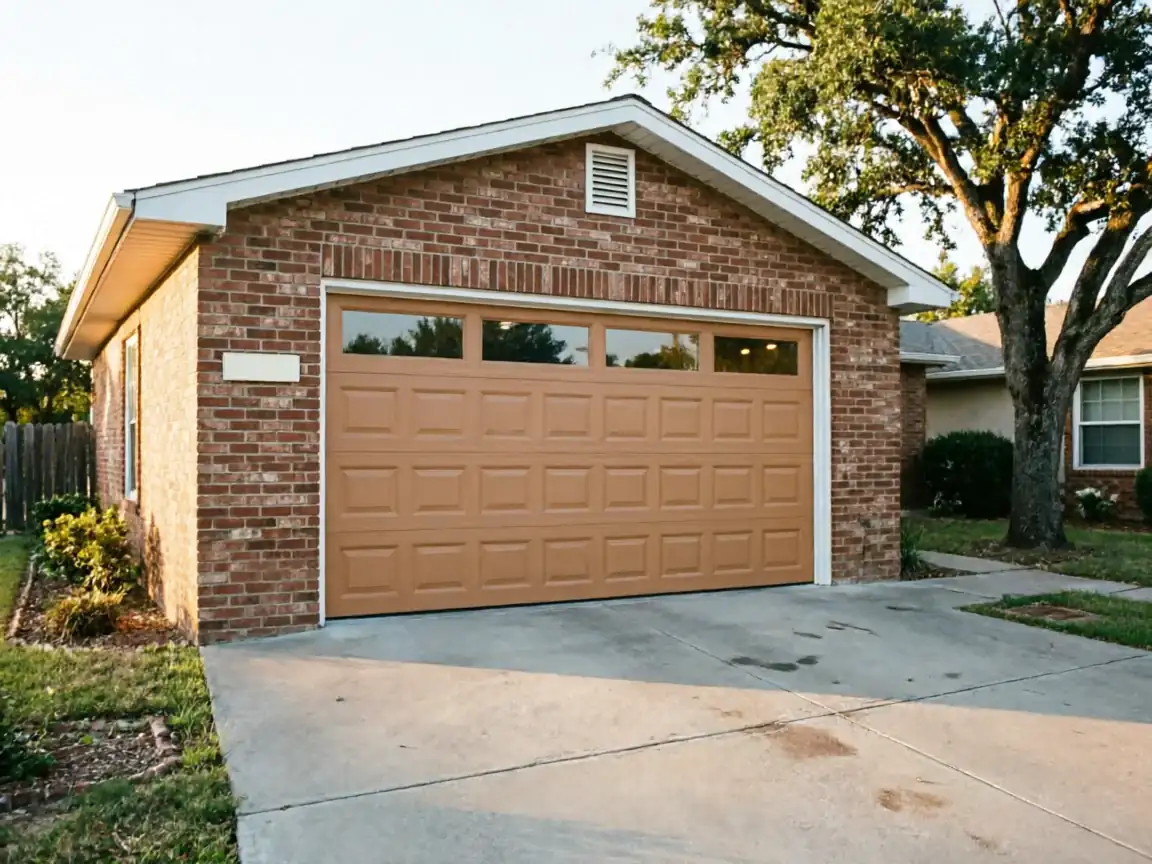
Which puts a lot of this town's garage doors into a specific window of hardware. By the early 80s, builders had mostly moved off the heavy one-piece slab doors of the 60s and into sectional doors on extension or torsion springs, but the springs, drums, and end bearings from that era are not the same parts sold today. If your door is original to the house, you're looking at a 40-plus-year-old torsion system, and when one of those lets go, it usually takes the cable or the bottom bracket with it. We see this pattern across the 7,861 households here more than we see it in newer-built pockets of the service area.
- 7,861 households
The symptom is usually simple
The door won't lift, or it drops fast on the way down and the opener strains against it. That's a spring that's done its job for decades and finally gave out, not a sign the opener itself is bad.
Why This Fails Locally
Claremore sits in the same cold-moderate climate band as the rest of the service area, and the freeze-thaw swing here is hard on original torsion springs that have already outlived their winding cycle count. Steel contracts in cold, and a spring near the end of its life is more likely to snap on a cold morning than a mild afternoon - that's just physics on metal fatigue, not anything particular to this address, but it lines up with when calls from this town tend to come in.
The other local factor is income and upkeep timing. Median household income here runs lower than the wider service area average - $57,120 against $77,403 across the full territory - and lower incomes correlate with owners stretching a repair further before replacing. That's not a knock on anyone; it means more of these doors get patched once or twice before a full swap, and each patch on 1980s-era hardware gets harder to source.
The Complications
We're 13 miles out from our Owasso base to reach Claremore, which doesn't change the repair itself but it does mean we're not swinging by on a whim - we plan the trip with the parts we expect to need based on what you describe on the phone. If the door is original to a house built near 1982, we bring torsion spring stock sized for that era's standard drum and shaft diameter, because showing up with the wrong spring means a second trip.
The other complication is parts availability on anything older than standard stock sizes. Some of the hardware from houses built in the early 80s used shaft and drum combinations that aren't common on current doors, and if a part needs to be special-ordered, that adds lead time we can't shorten. We'll tell you up front if that's the case rather than guess.
What the Fix Involves
For a spring failure on a door from this era
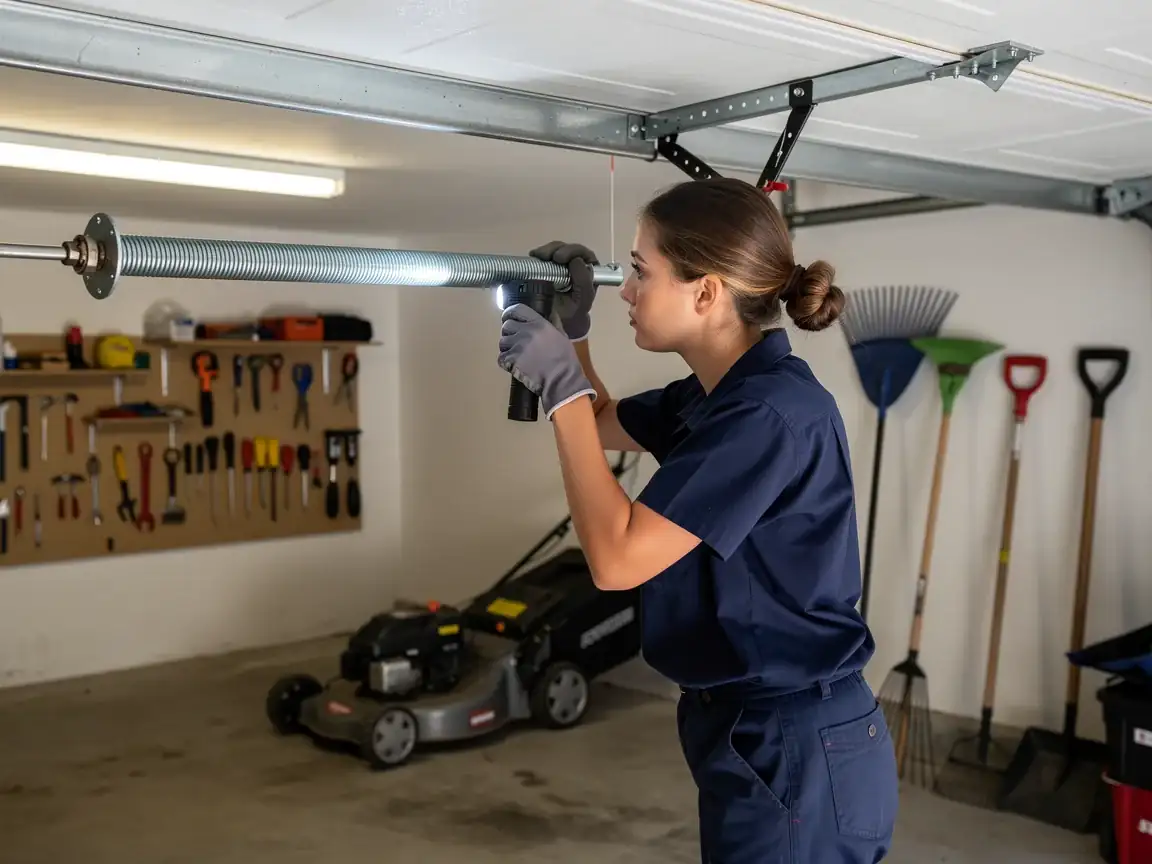
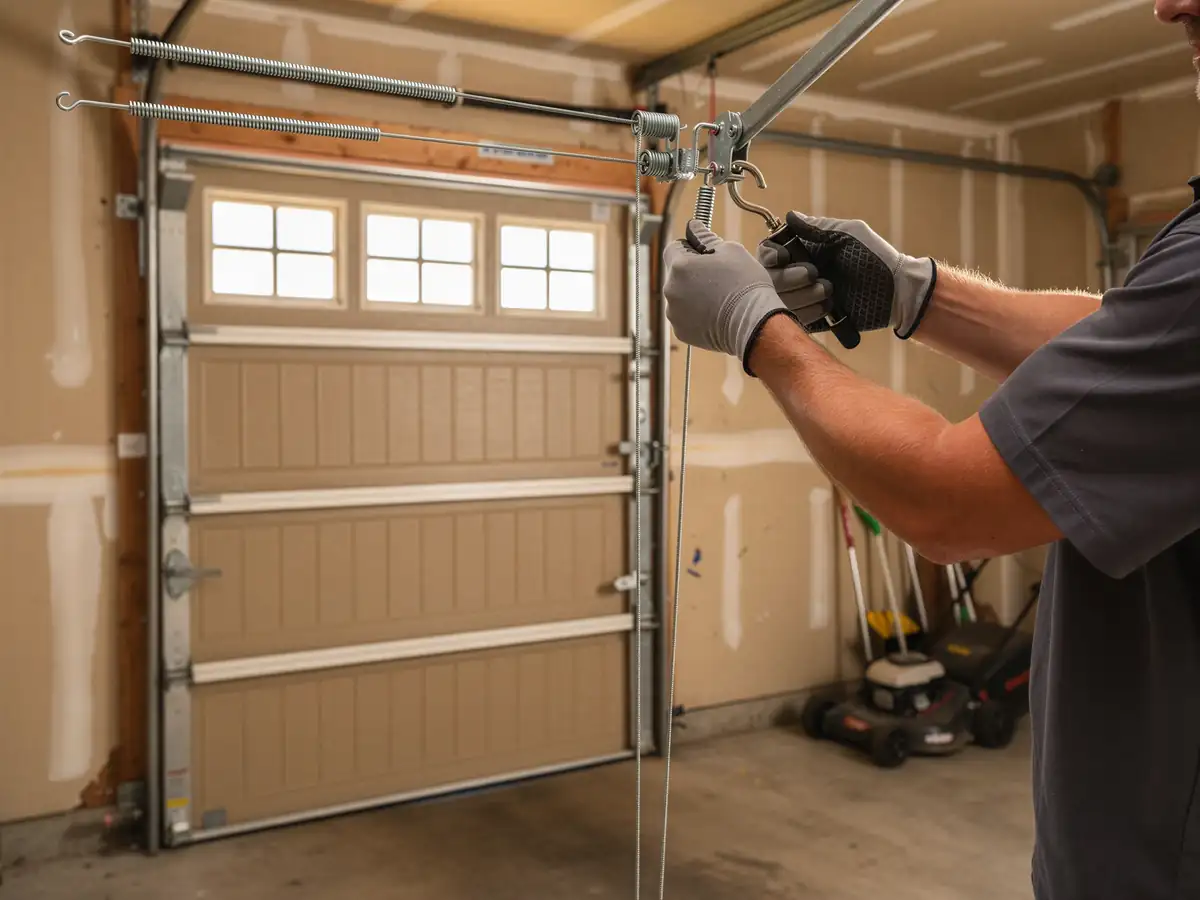
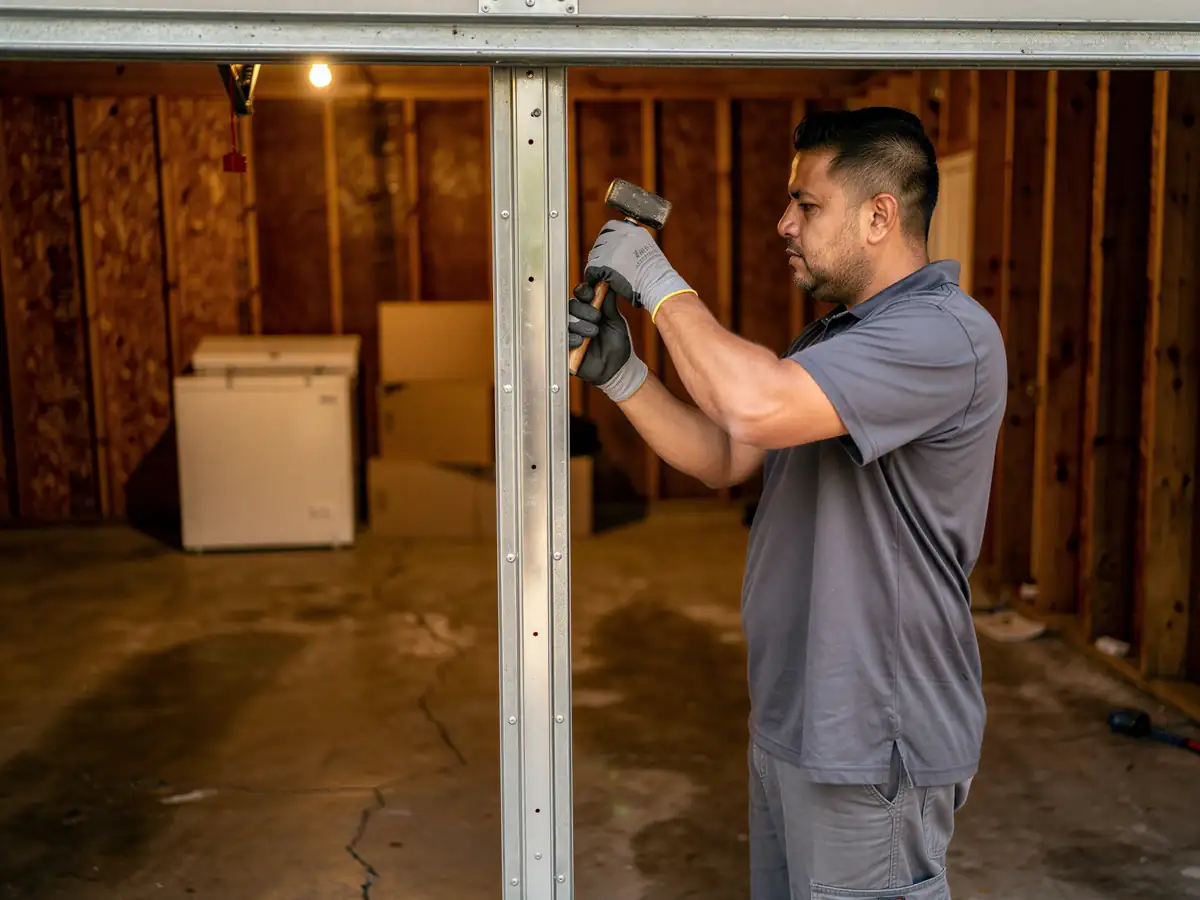
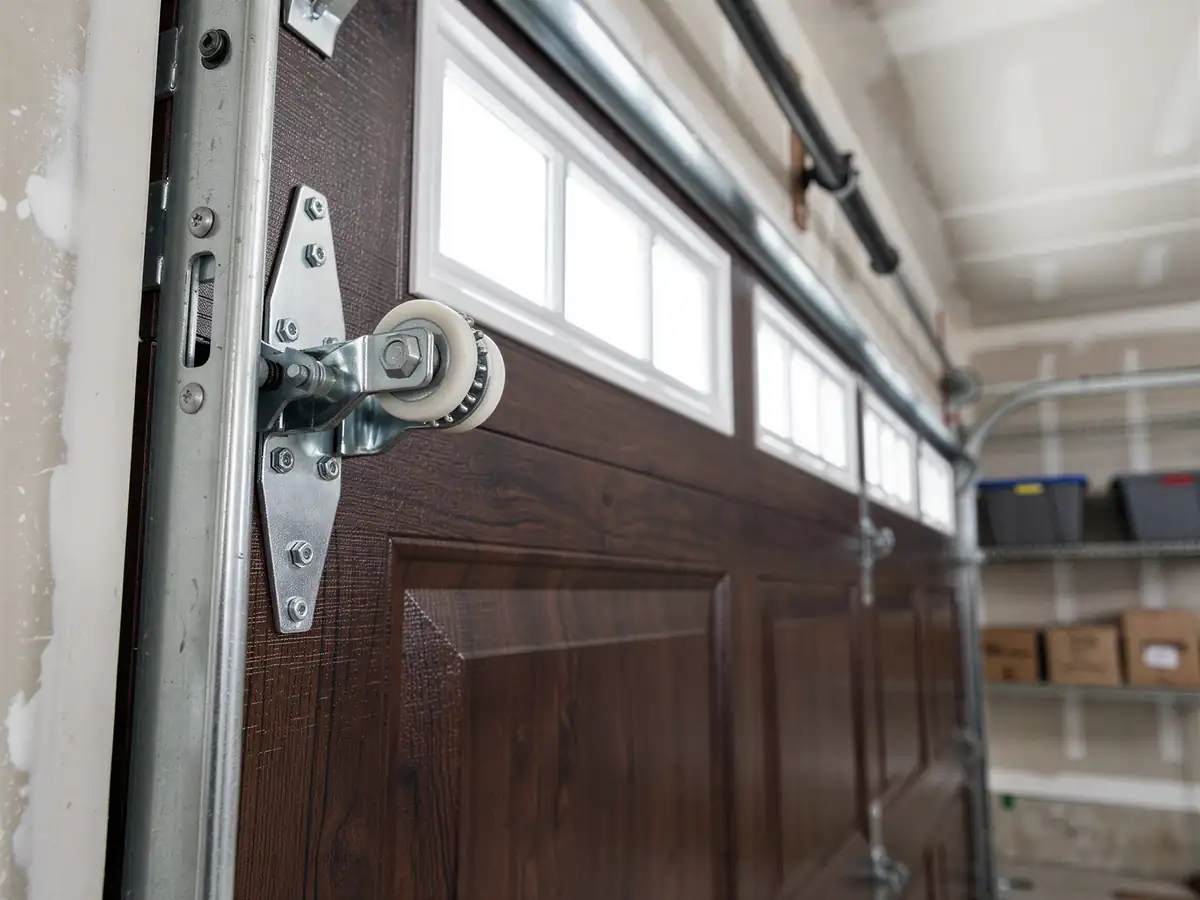
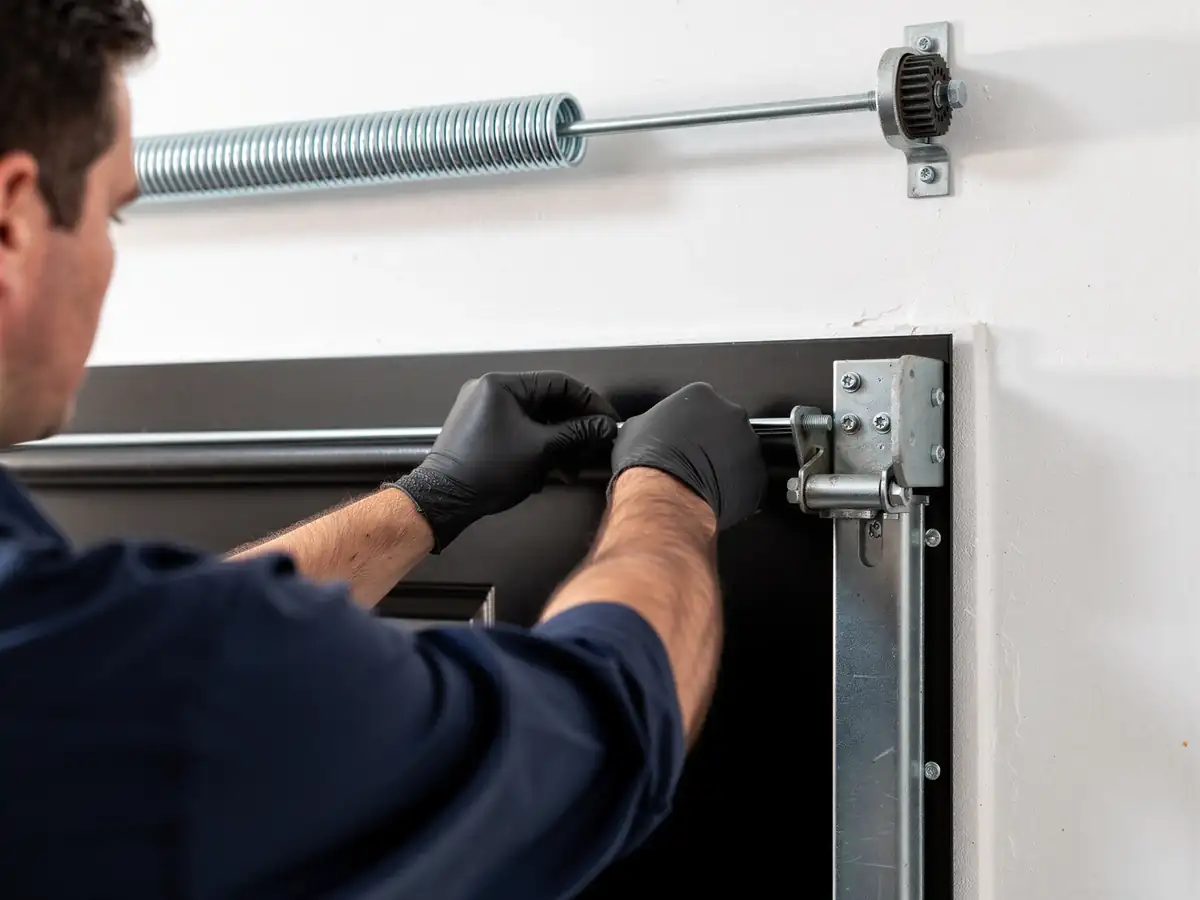
The job is usually a full spring replacement sized to the door's weight and drum, not a patch - torsion springs don't get repaired, they get swapped, and we match the wind and wire gauge to what the original setup needs. If the cable or bottom bracket got damaged when the spring broke, that gets replaced too; running a door on a bent bracket just sets up the next failure.
Where the opener is original to the house as well
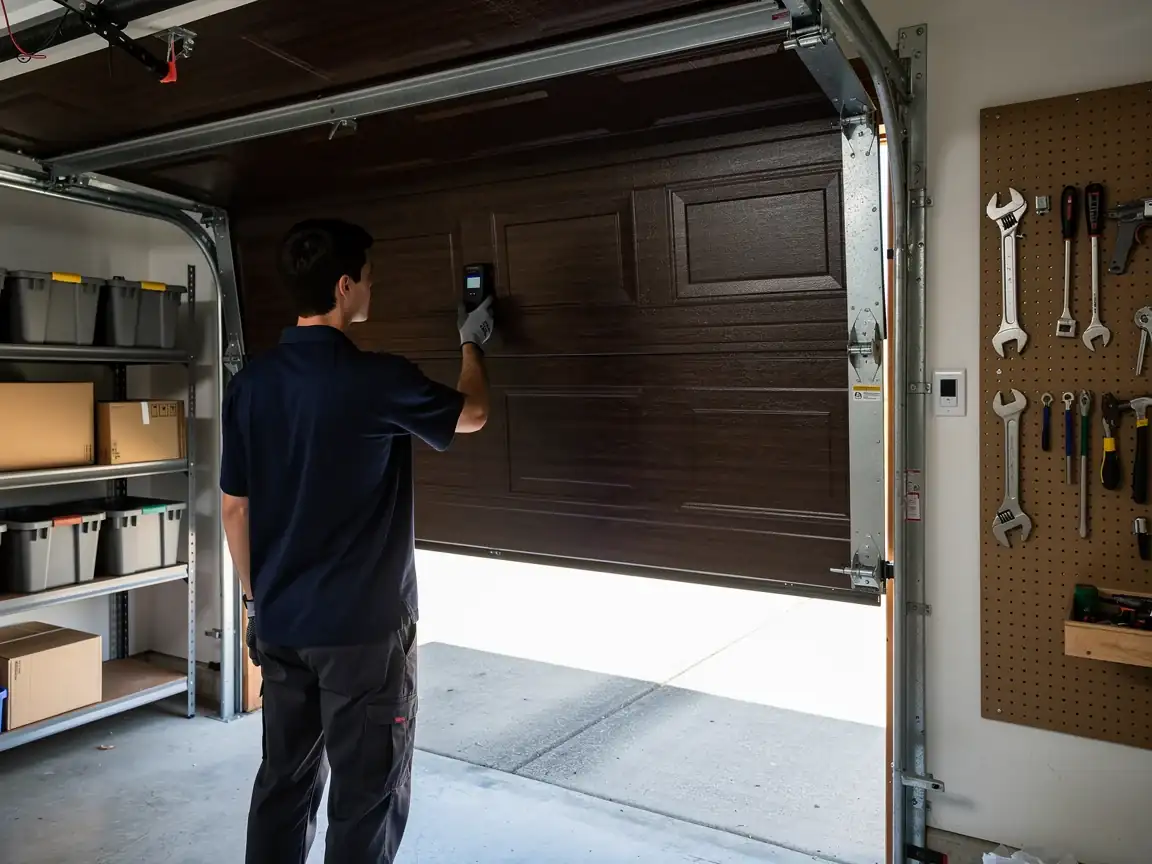
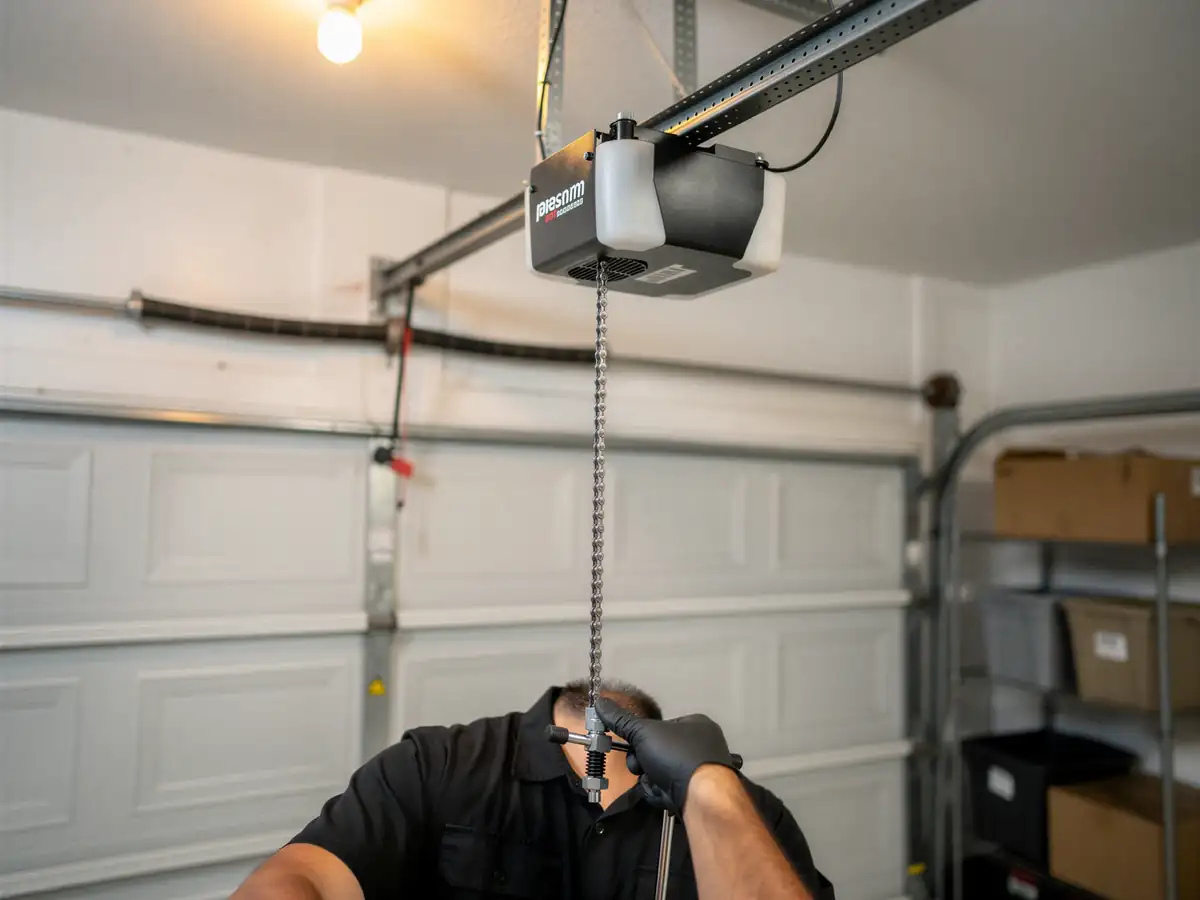
We'll check that the travel limits and force settings still match a door that's decades into its hardware life, since an opener fighting worn hardware wears out faster than it should. One honest limit: if the door panels themselves are rusted through or warped, spring and hardware work won't fix that, and we'll say so rather than sink a repair into a door that needs replacing.