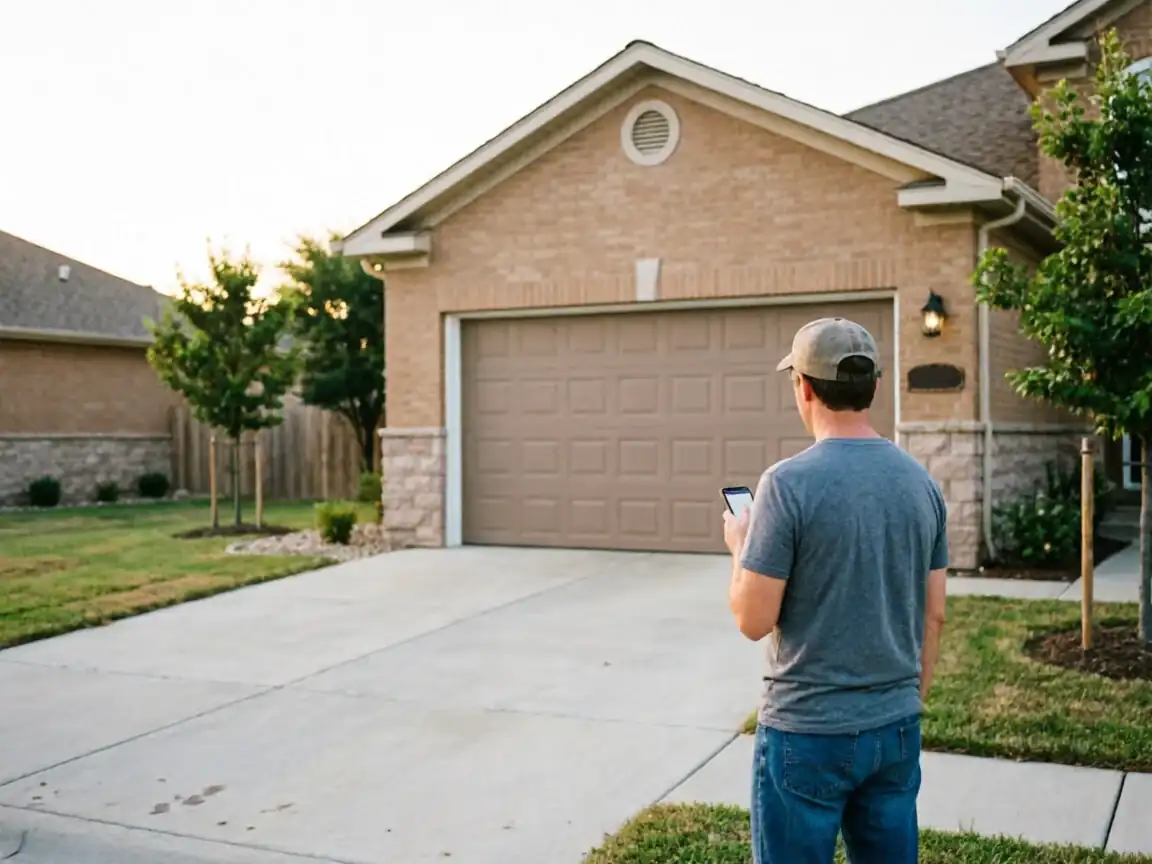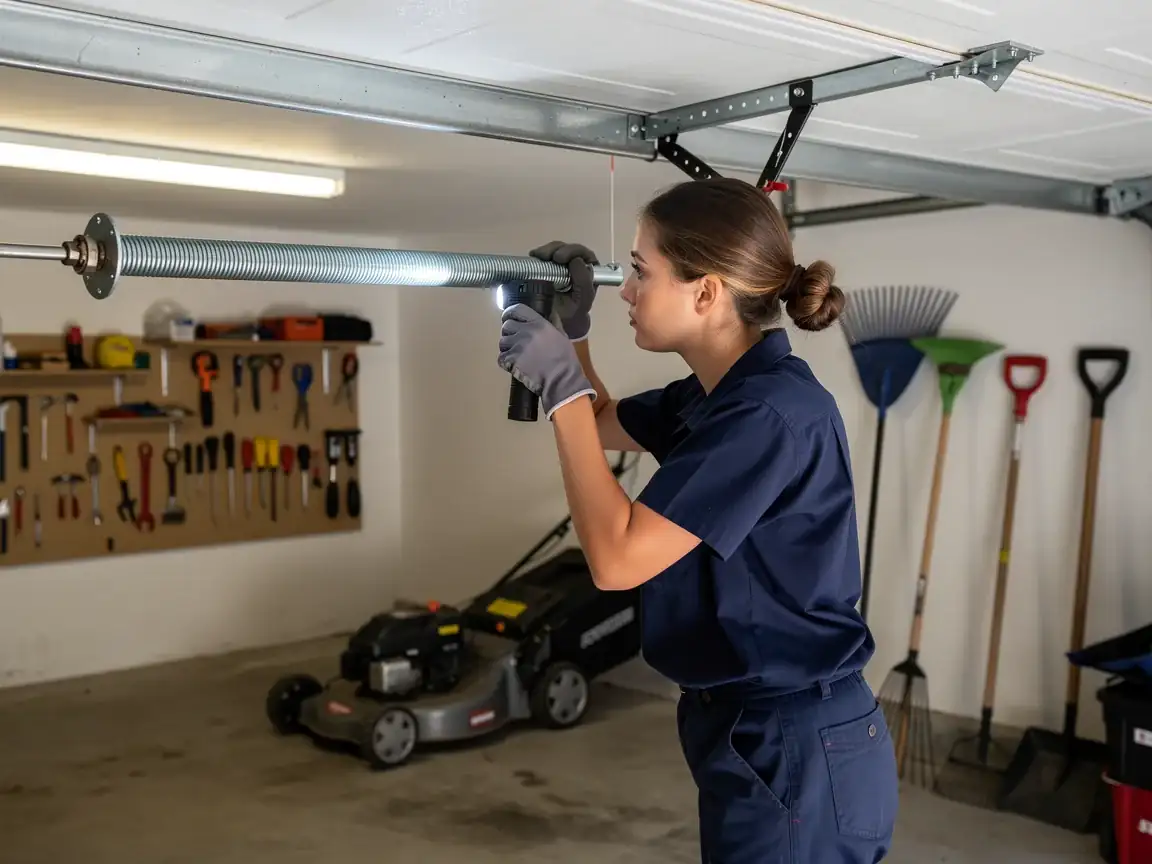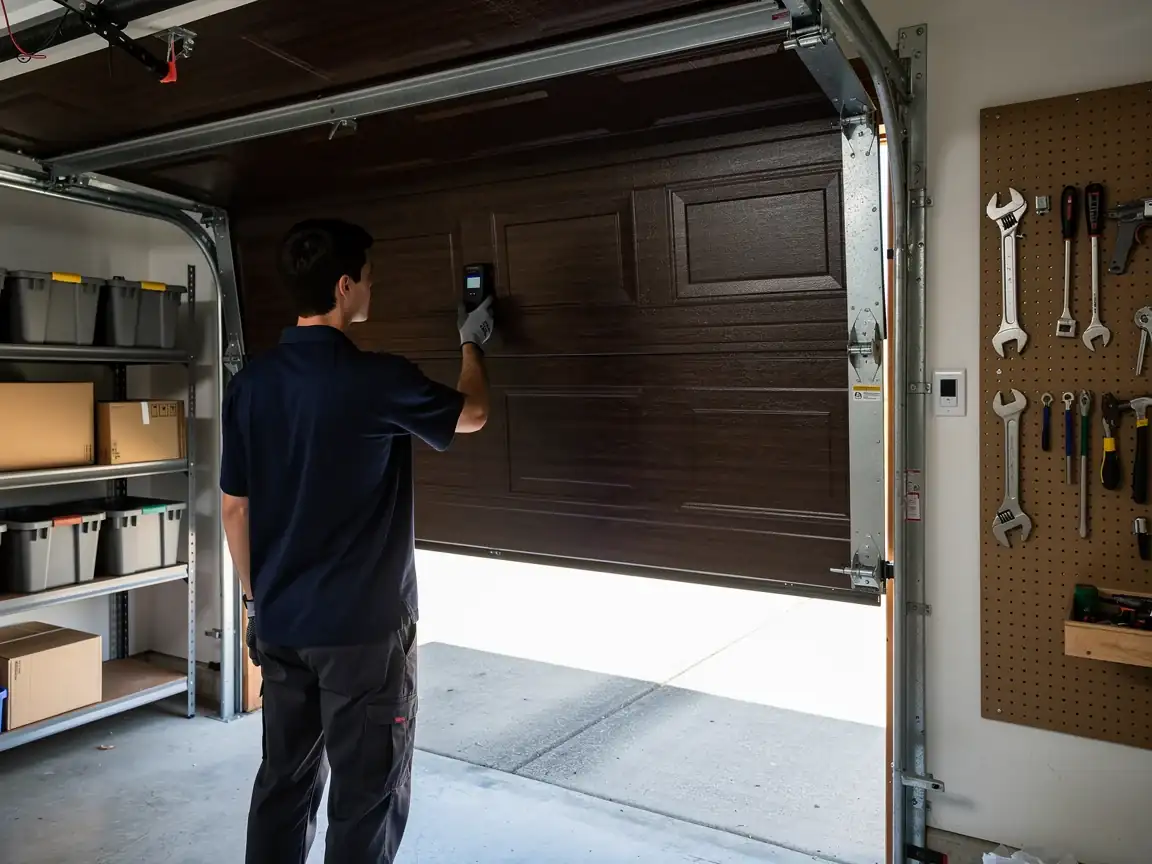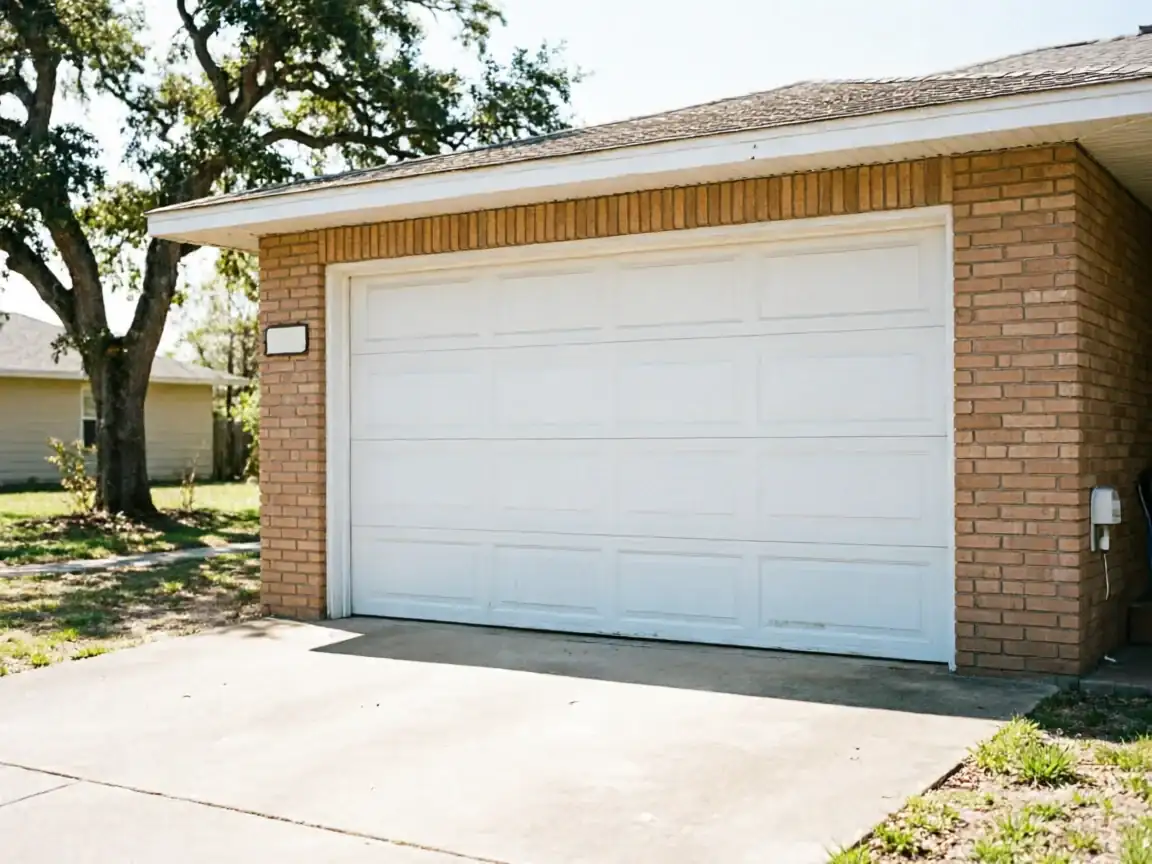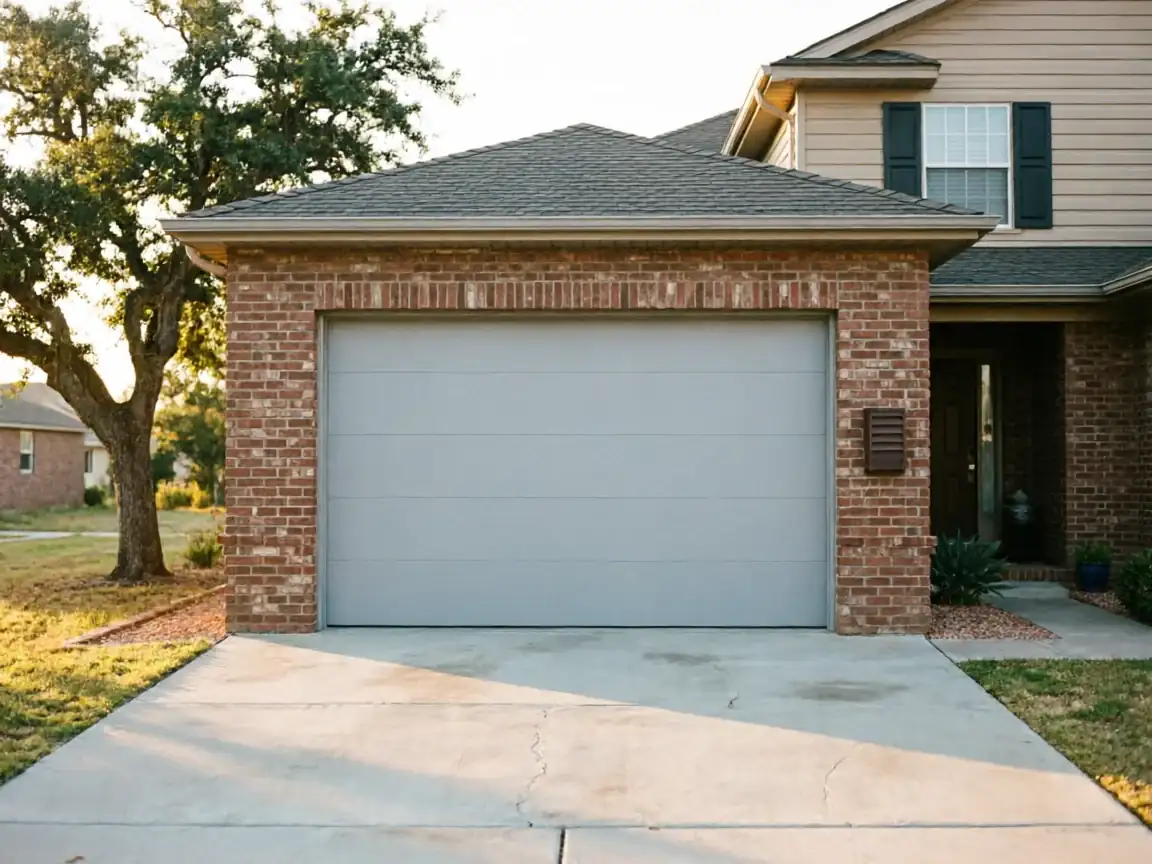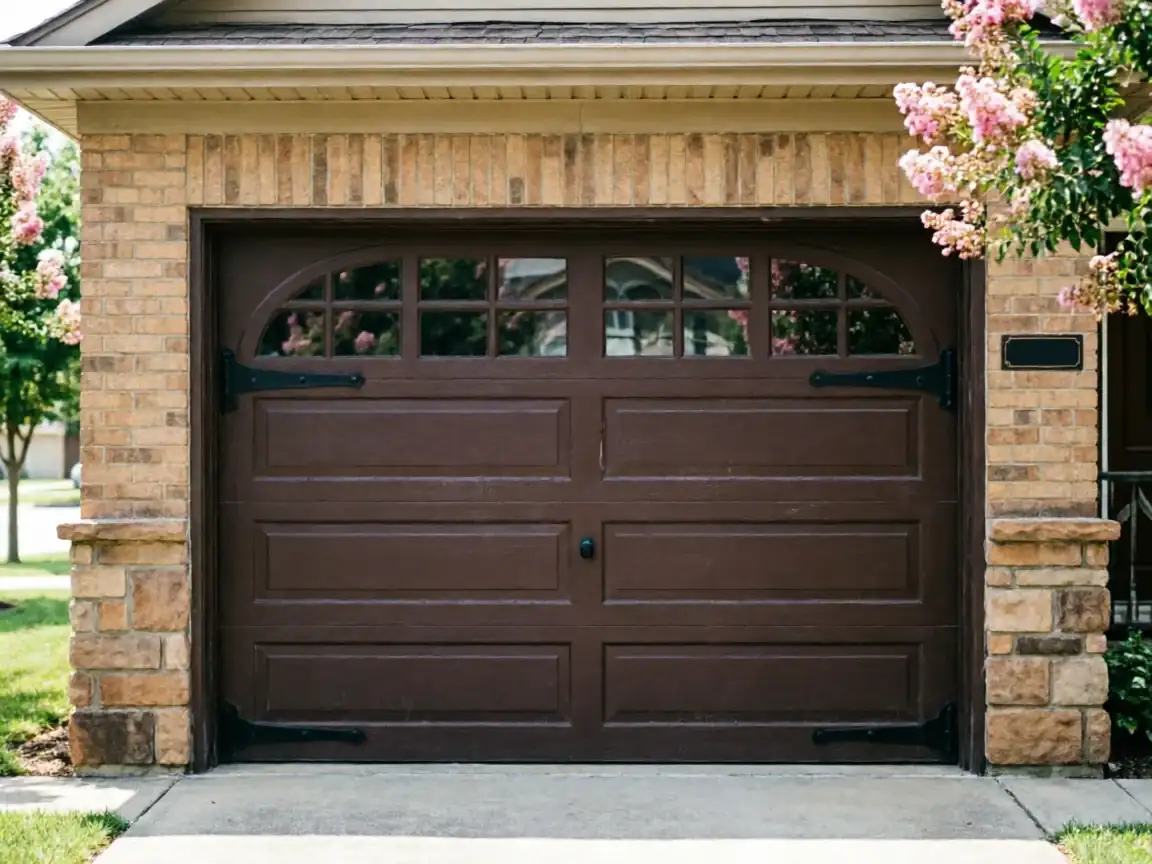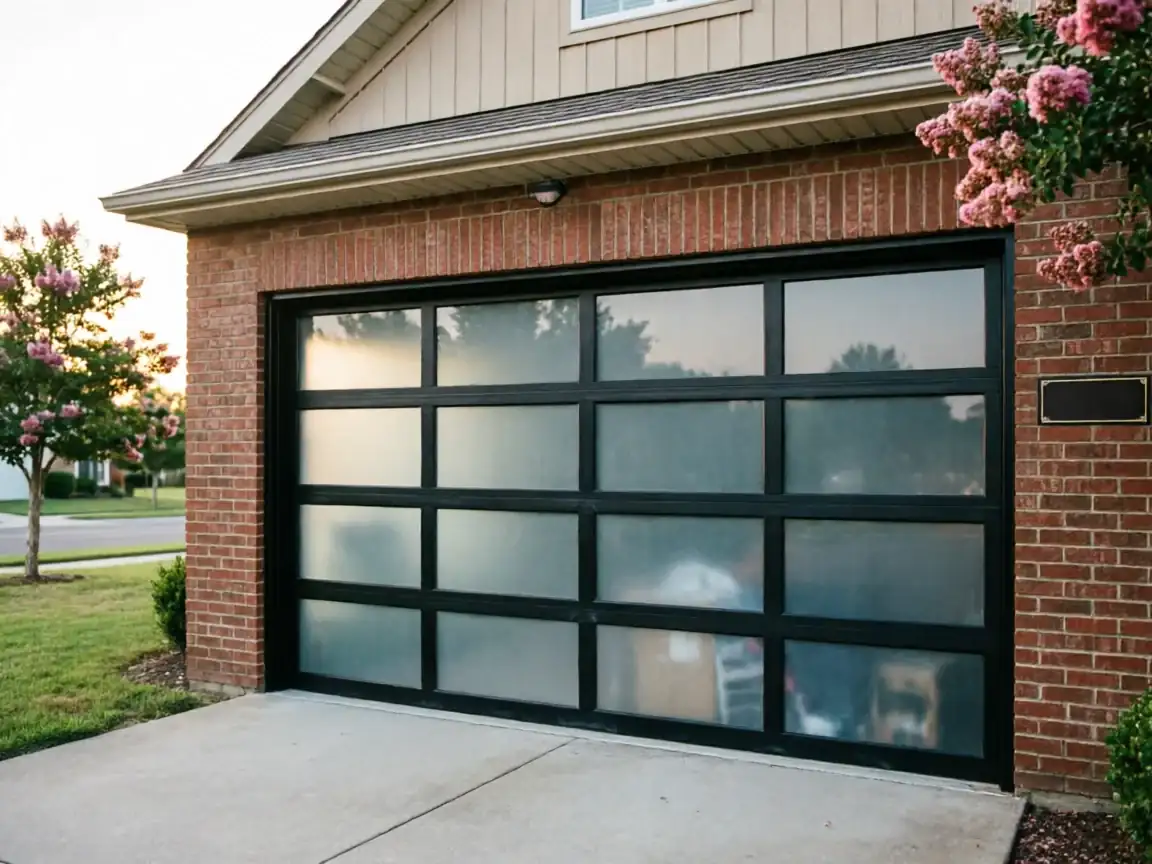
What You Are Seeing
Claremore sits 13 miles from our shop in Owasso
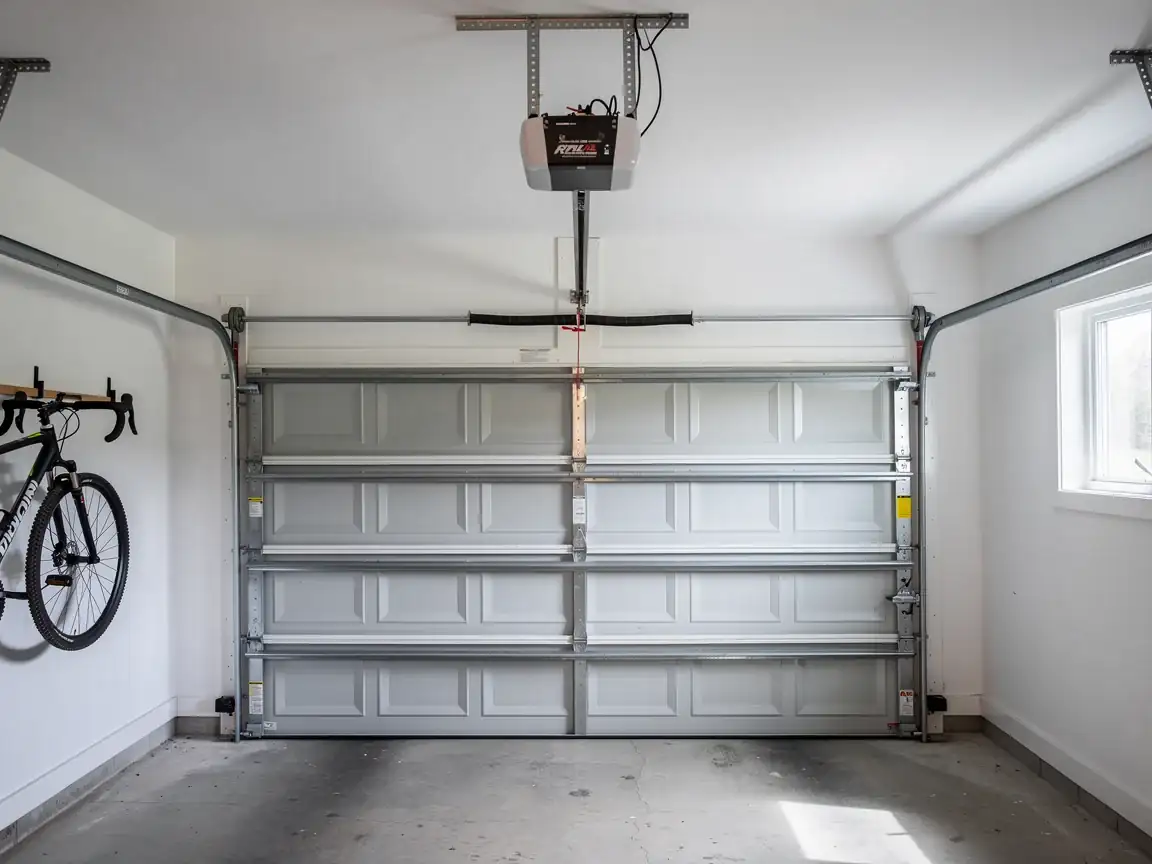
Which is close enough that a new install here runs the same as any job on our regular route, but far enough that we plan the truck load before we leave, not after we arrive. That drive matters more on install day than on a repair call. A new door and opener means panels, track, a spring set sized to the door weight, and an opener box - all of it has to be on the truck the first time, because there's no quick turnaround to grab a missing part. We check the opening, confirm headroom and backtrack, and load accordingly before we ever point the truck toward Claremore.
- 13 miles
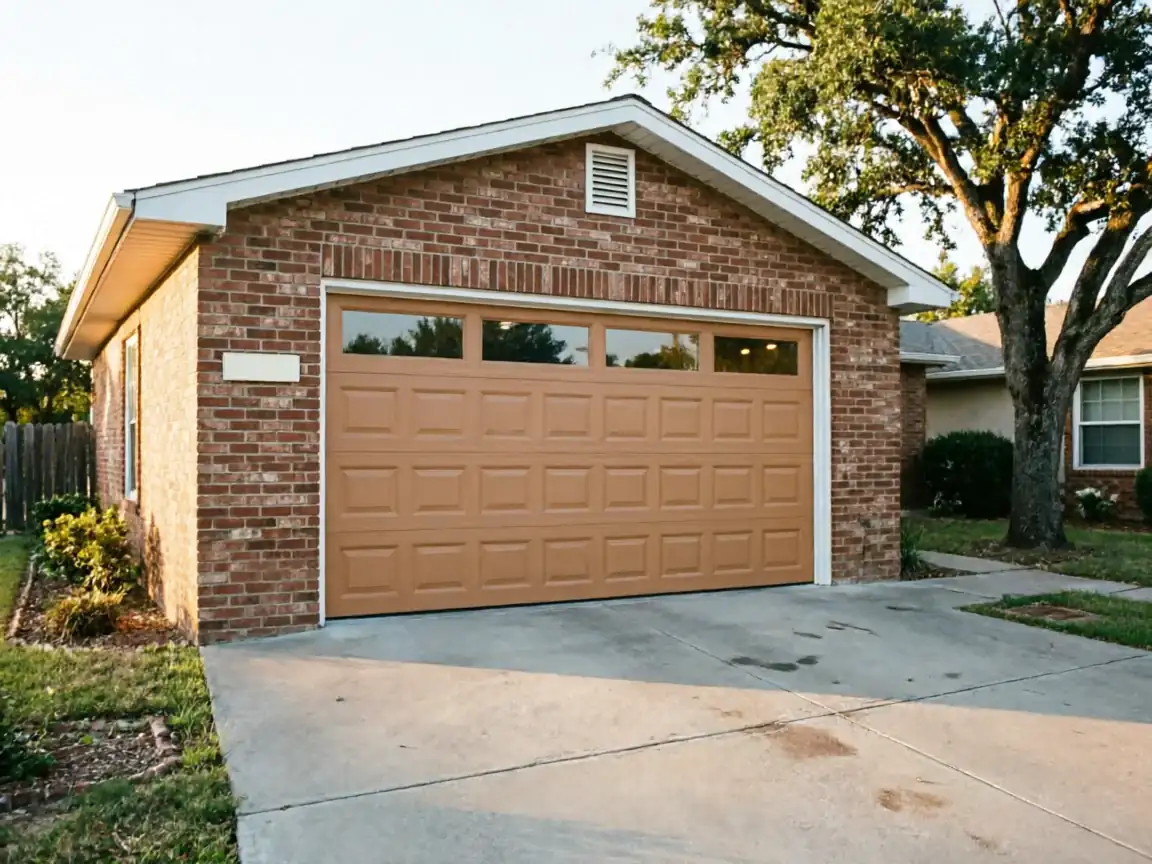
The houses we see here mostly went up around 1982
Which puts the neighborhood a few years ahead of the broader service area's 1986 median. That gap sounds small, but it's the difference between openings built for a slightly narrower standard door and the wider two-car openings that came later. We measure before we quote, not after.
Why This Fails Locally
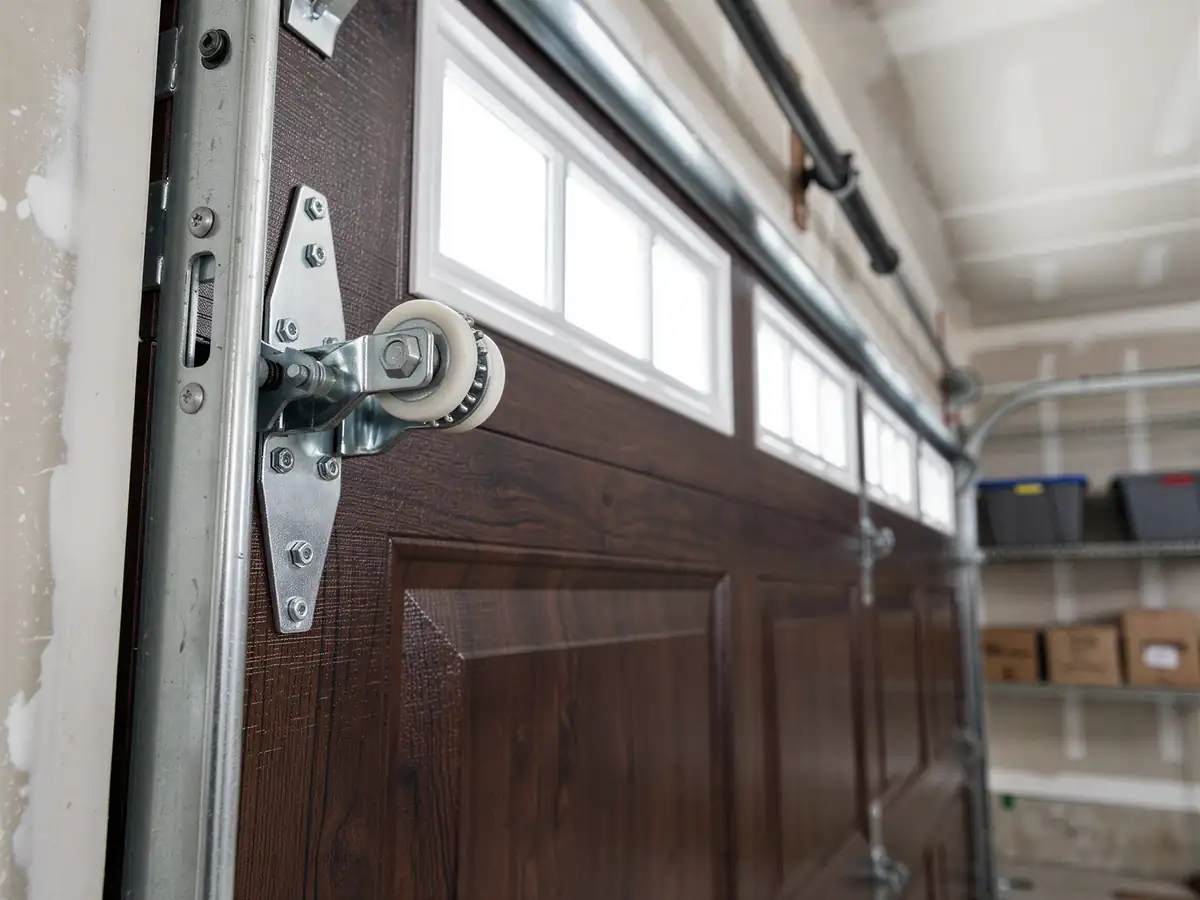
A door installed in a house built around 1982 is now past 40 years old if it's original, and most of what fails isn't the door skin - it's the track alignment and the spring hardware that was never upgraded when the opener was swapped out at some point in the last few decades. Claremore's housing stock skews just old enough that we regularly find a door frame that's slightly out of square from decades of settling, which a straight off-the-shelf replacement won't fix on its own.
Income here runs lower than the wider service area average - median household income in Claremore is $57,120, against $77,403 across the 14 communities we cover from Owasso. That doesn't change how we install a door, but it does shape which doors we quote first: insulated steel over premium wood-composite, standard hardware over the upgraded torsion setups that add cost without adding much for a typical Oklahoma winter. We quote the door that fits the house and the budget, not the most expensive one on the price sheet.
The Complications
Cold-moderate winters mean the door has to seal well at the bottom and along the sides, or the garage turns into an uninsulated box that fights the furnace all January. That's a real consideration on a new install, not an upsell - a poorly sealed door in this climate band shows up as a frozen track or a stiff opener within the first cold snap.
The other complication is simpler: distance. At 13 miles, if we show up and find a header that's rotted, a jamb that's shifted, or wiring that doesn't match what the opener needs, we're not running back to the shop and returning the same afternoon. We build in a margin on install day - extra fasteners, a spare set of brackets, both common opener plug styles - so a surprise doesn't turn into a second trip. It usually works. Occasionally it doesn't, and we're honest about that going in.
What the Fix Involves
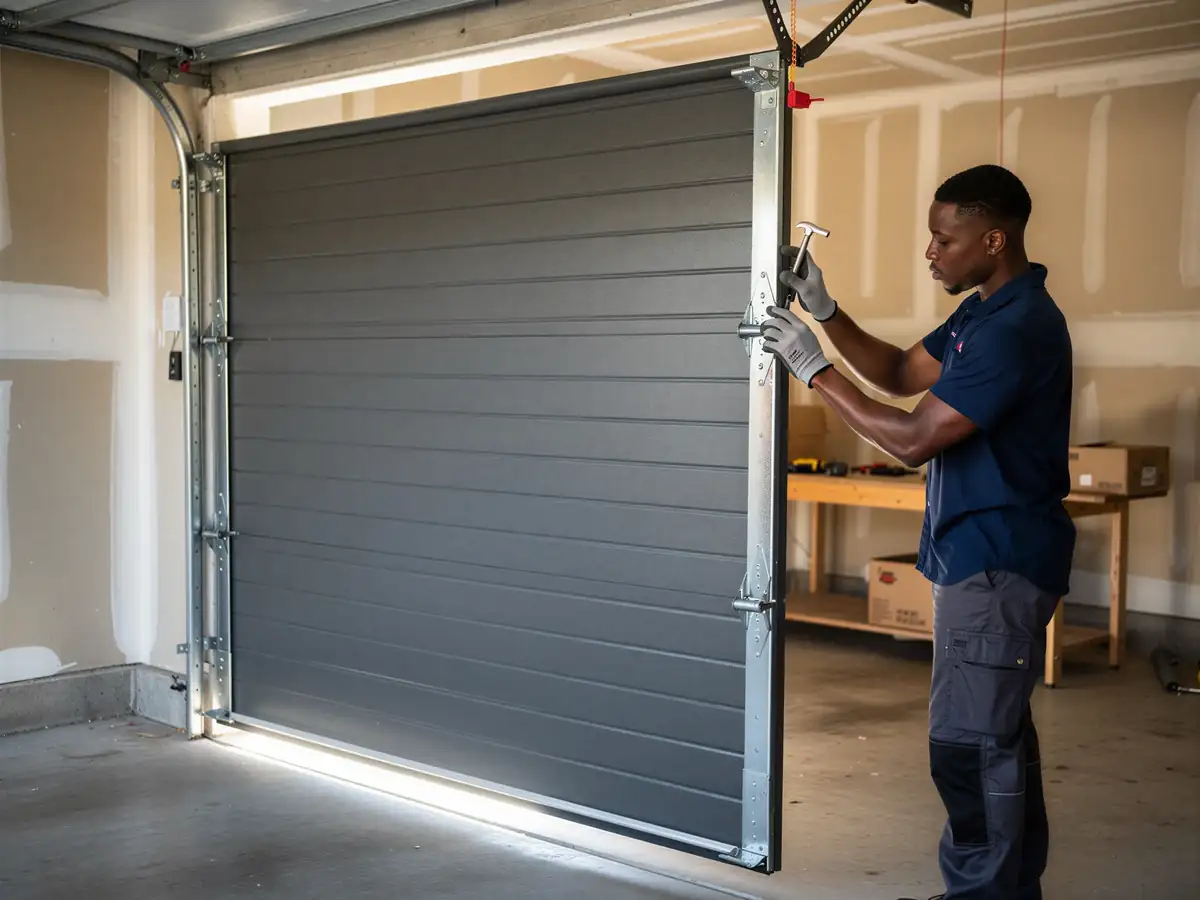
A proper new install starts with measuring the opening against the actual house
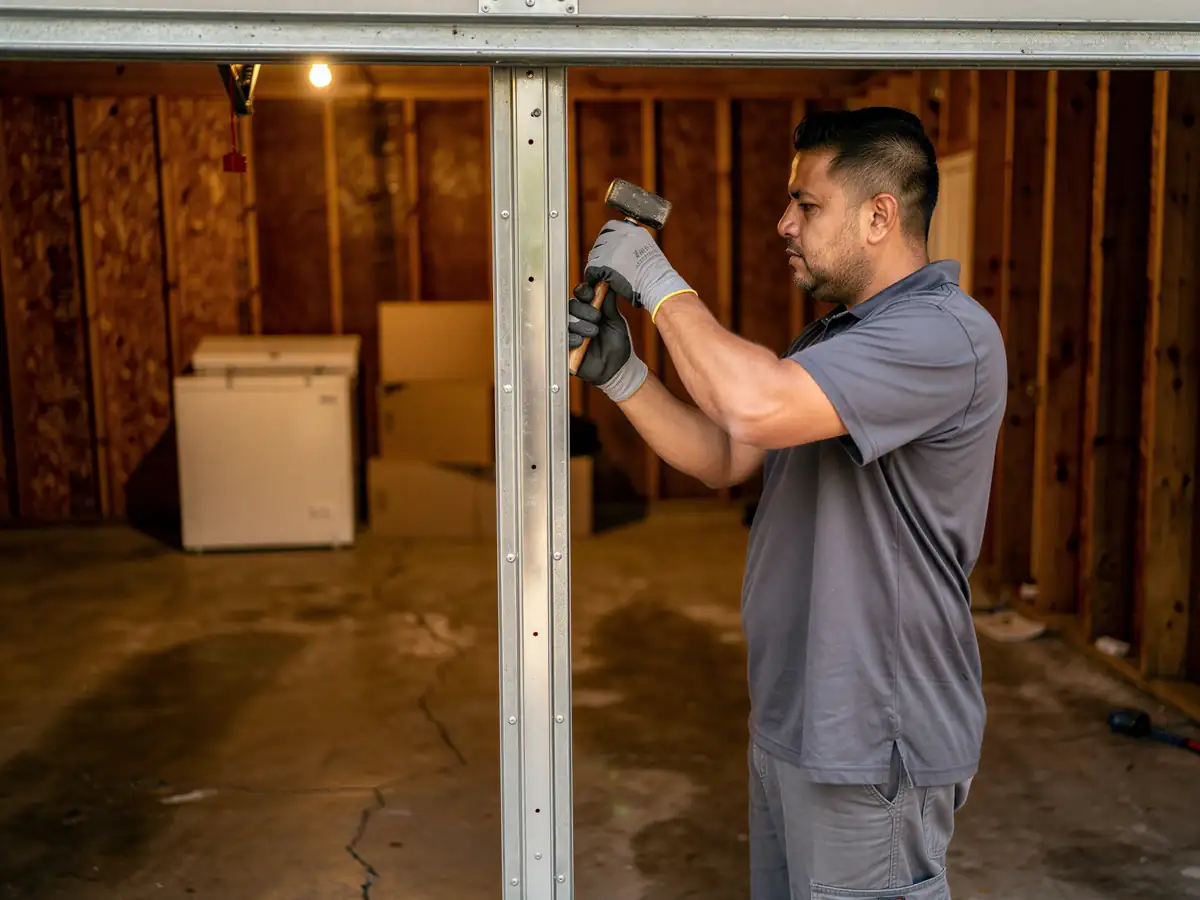
Not the sales brochure. On a home from the early 1980s, we're often correcting for an opening that was framed for a standard-width single door before two-car garages became common, so sizing the new door and track to the existing frame takes more care than hanging a door in new construction.
From there it's standard work done right
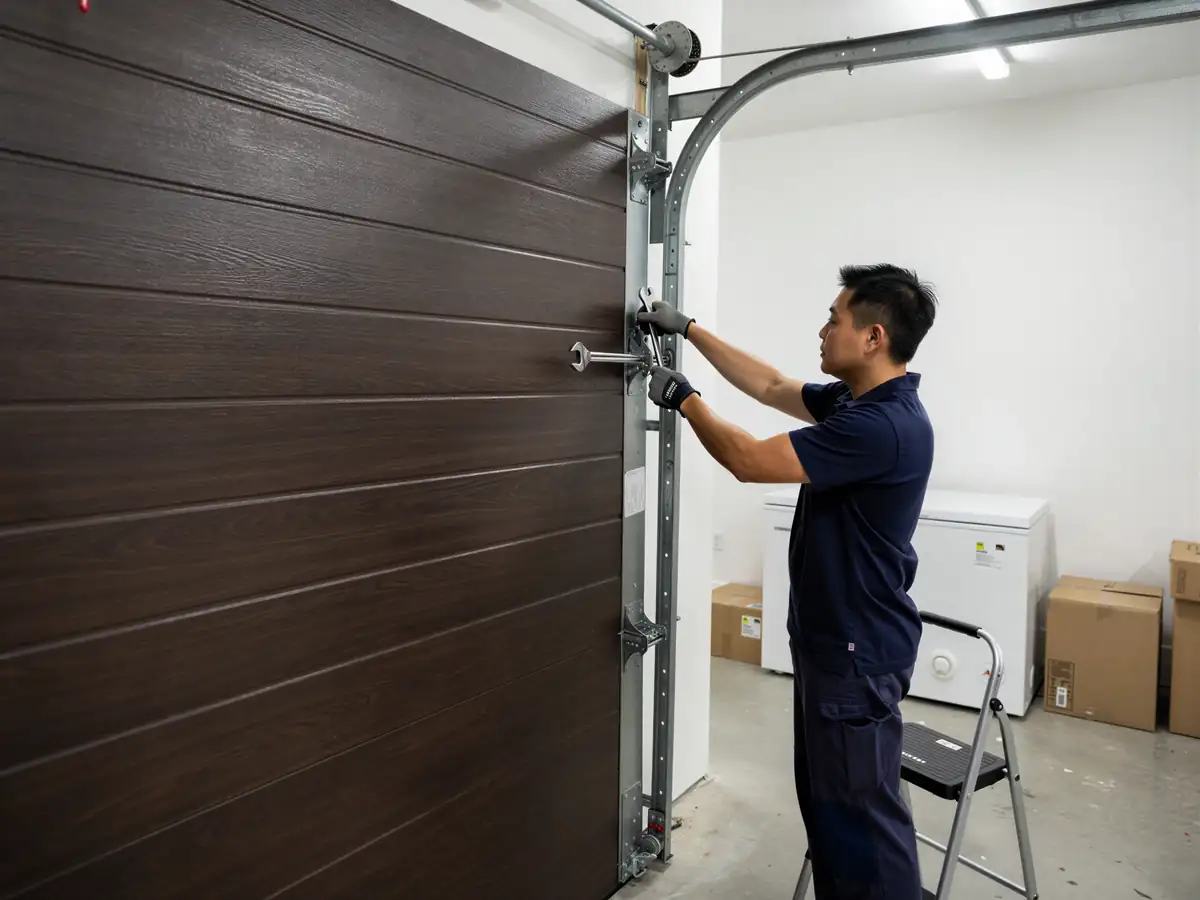
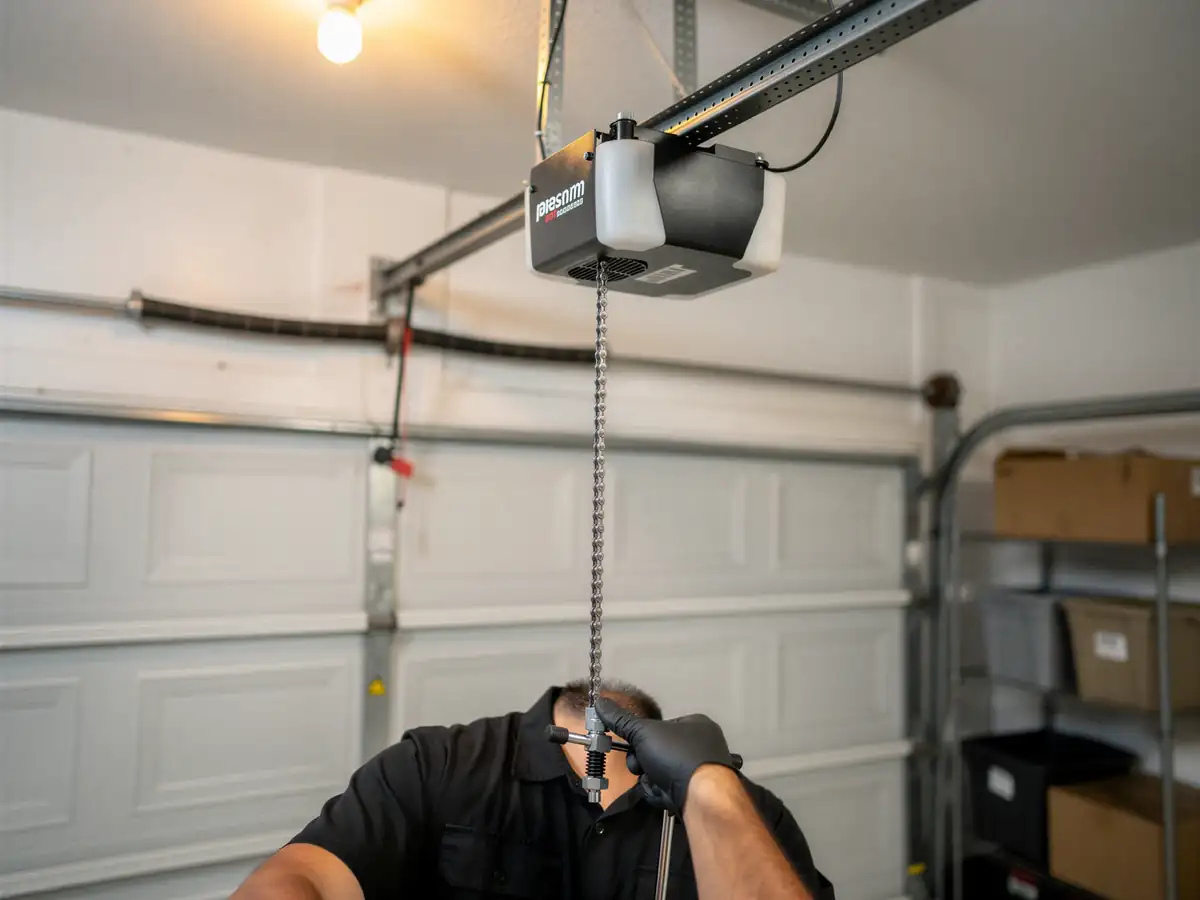
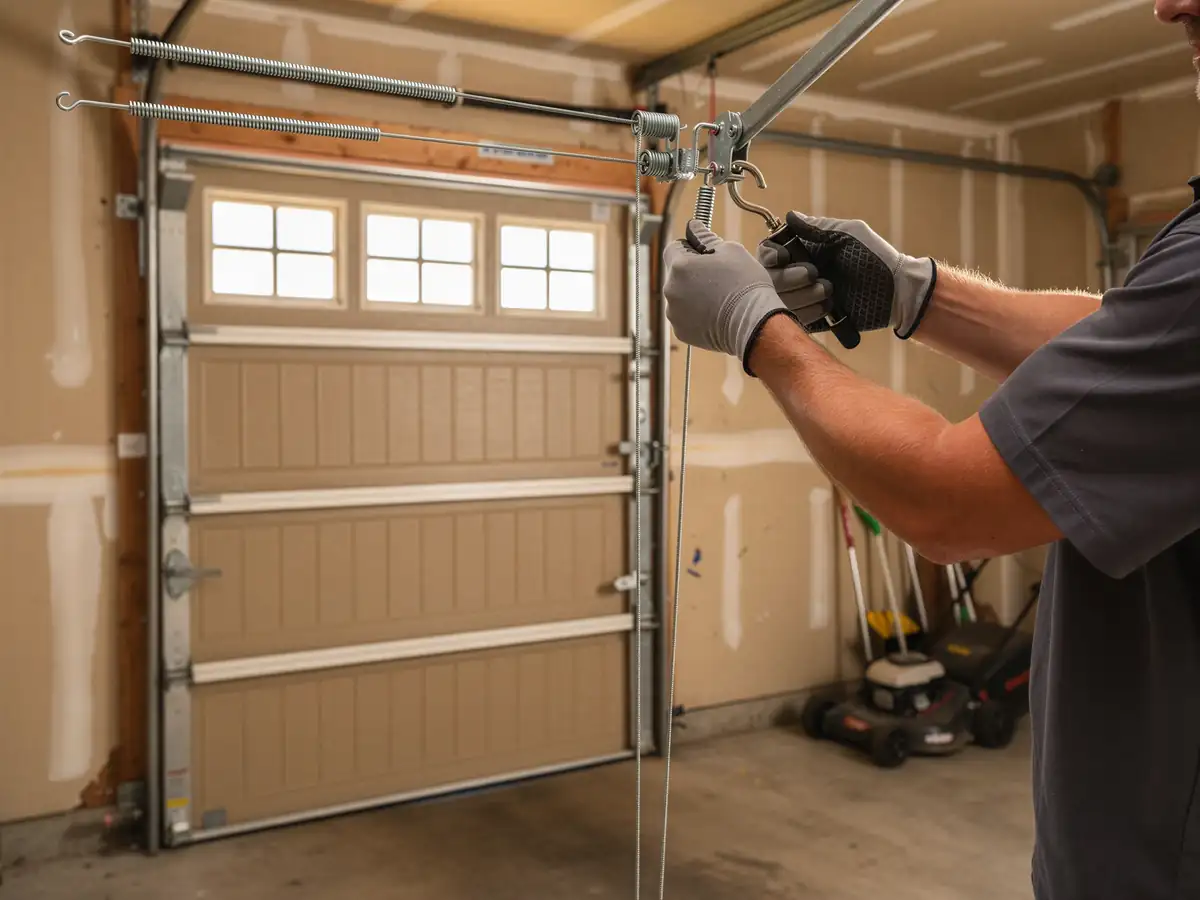
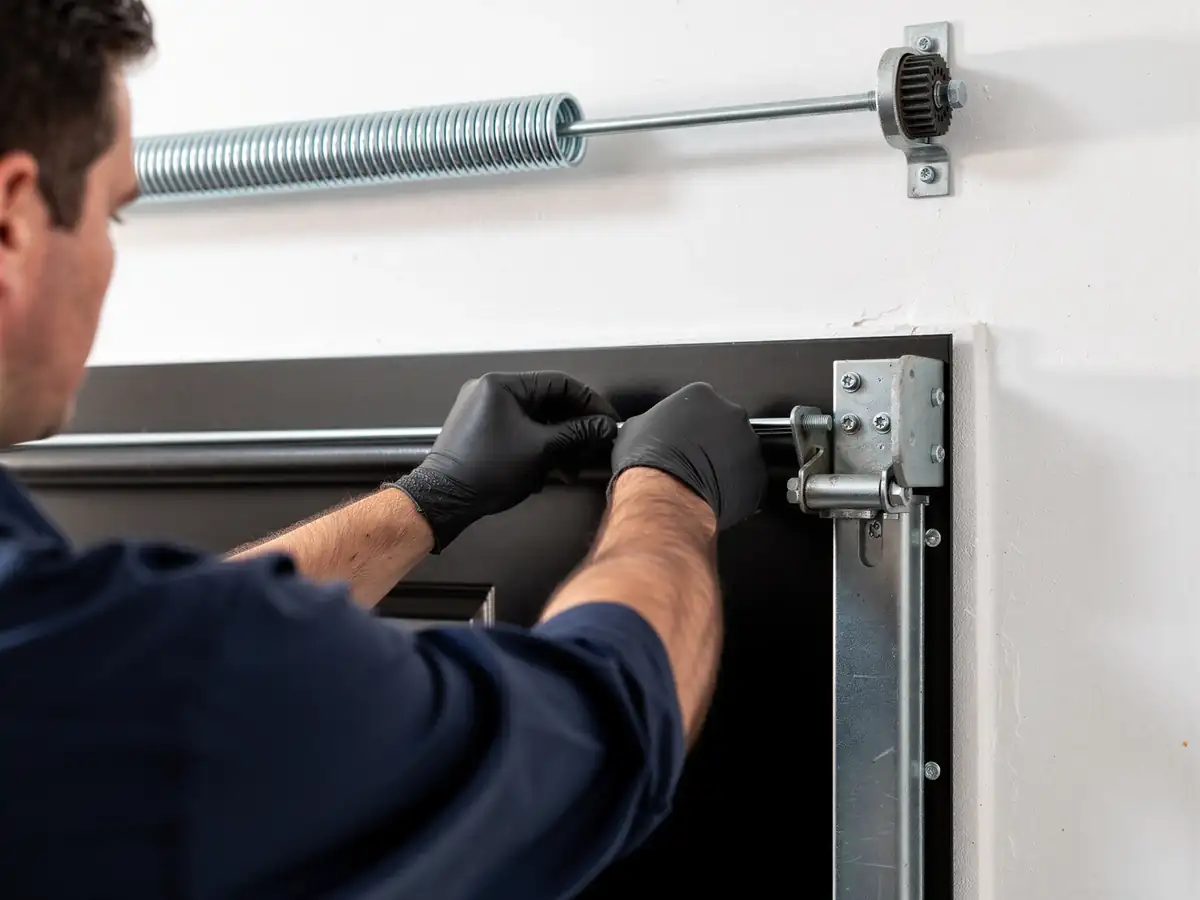
Level the track, set the spring tension to the door's actual weight, mount the opener to a header that can hold it, and test the balance by hand before we ever plug in power. We don't push the most expensive door on the lot - if a mid-range insulated steel door does the job for a Claremore household's budget and the local winters, that's what we quote. One thing we won't do is install over a rotted header or a jamb that's failing; that's a carpentry repair first, and we'll say so rather than hang a door on a frame that won't hold it.