Can You Do This Yourself
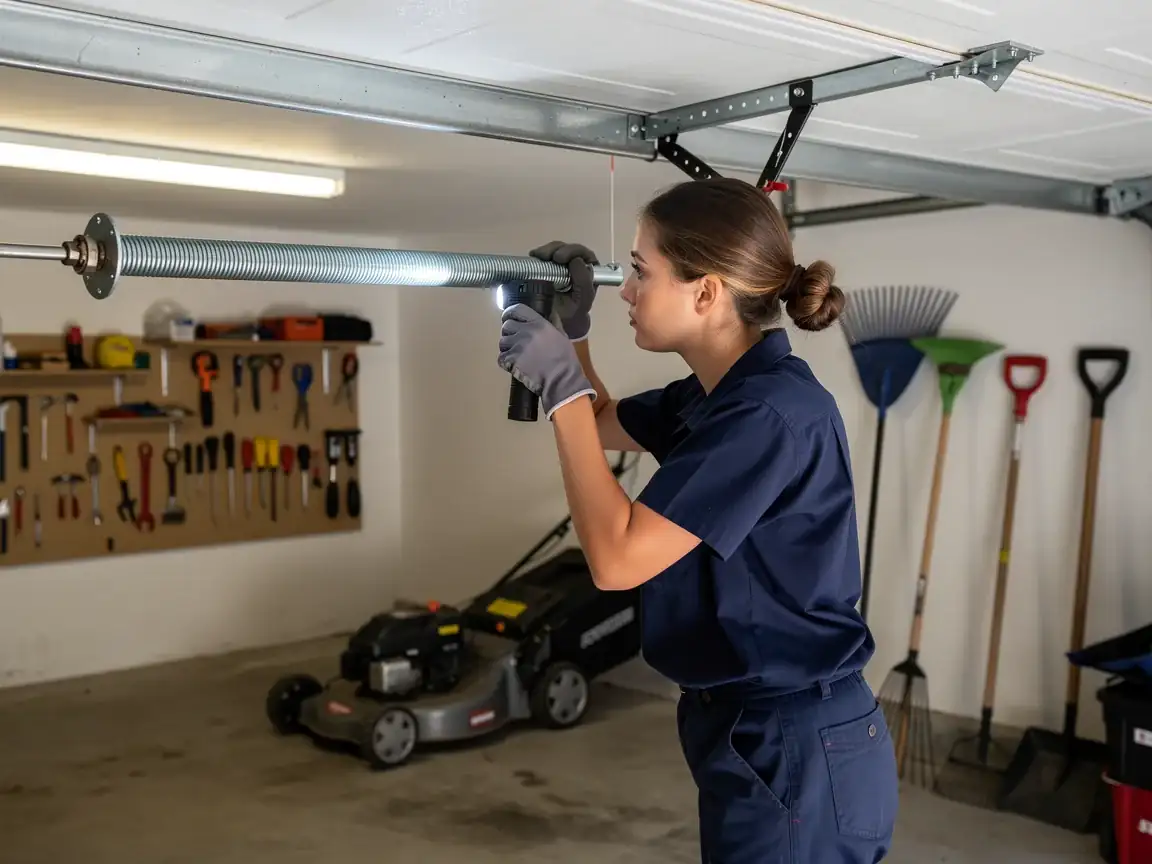
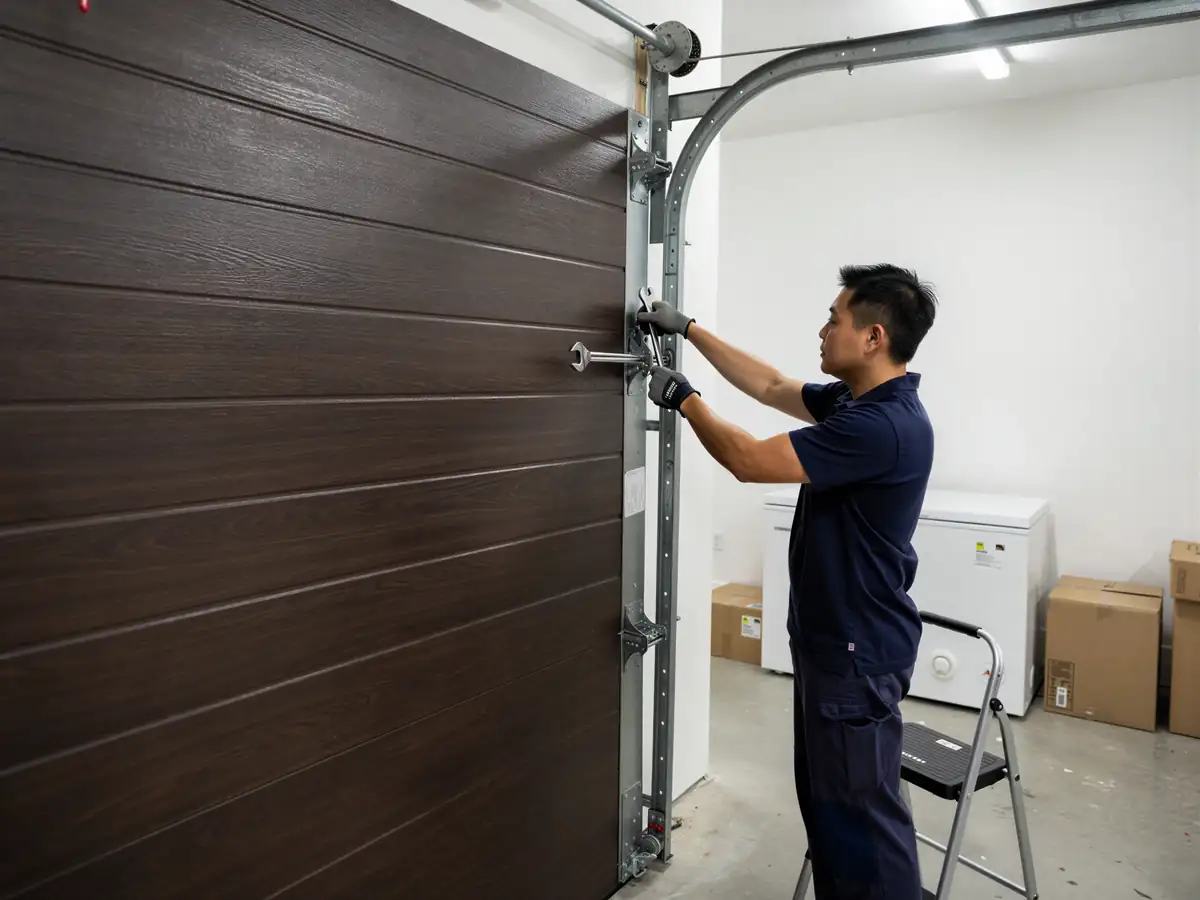
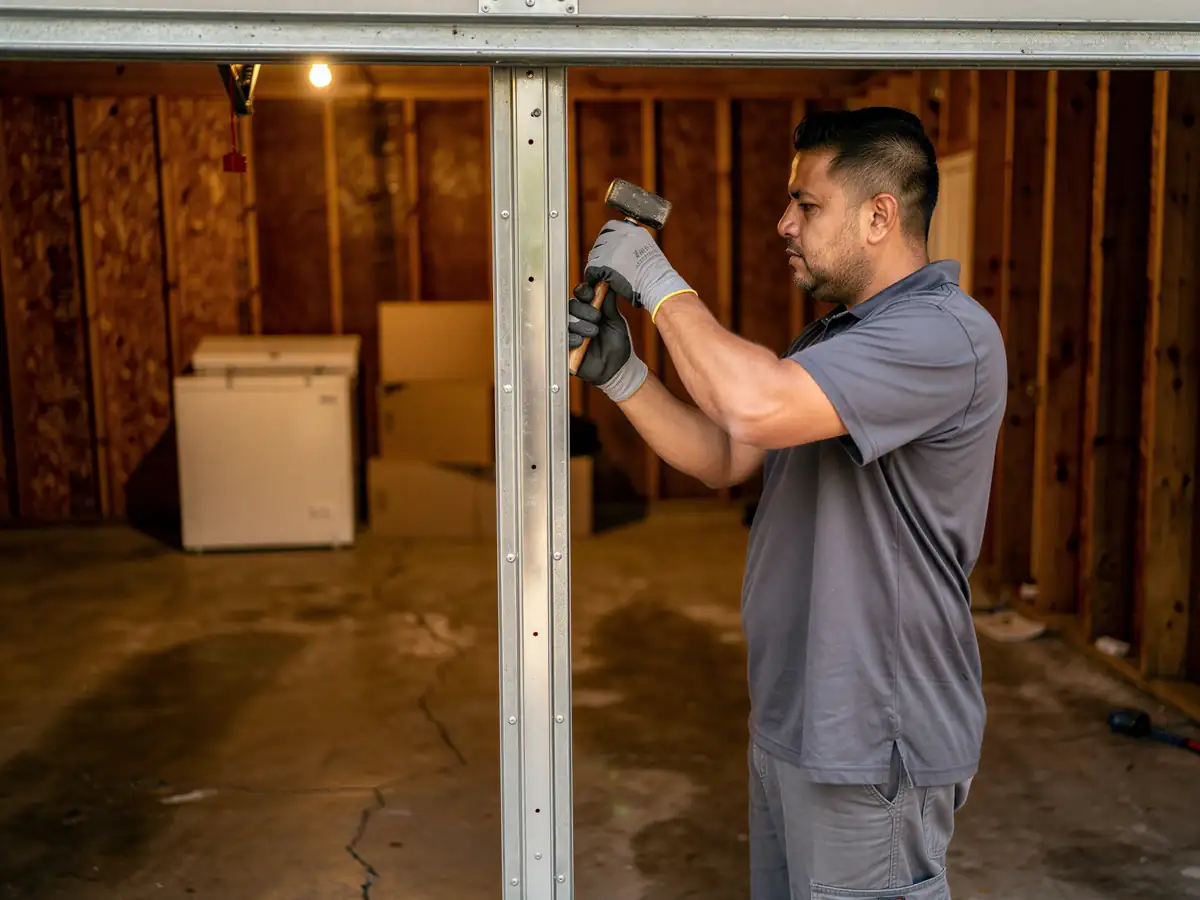
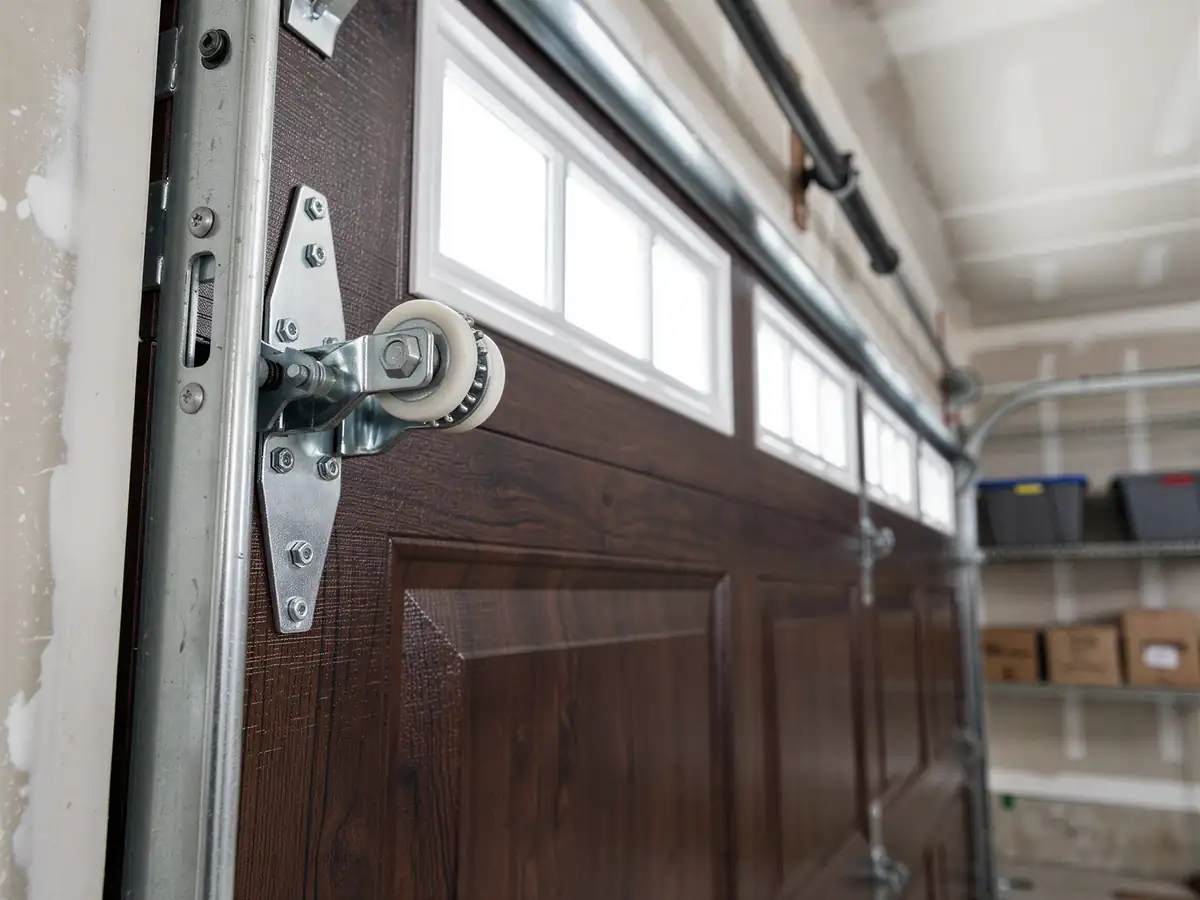
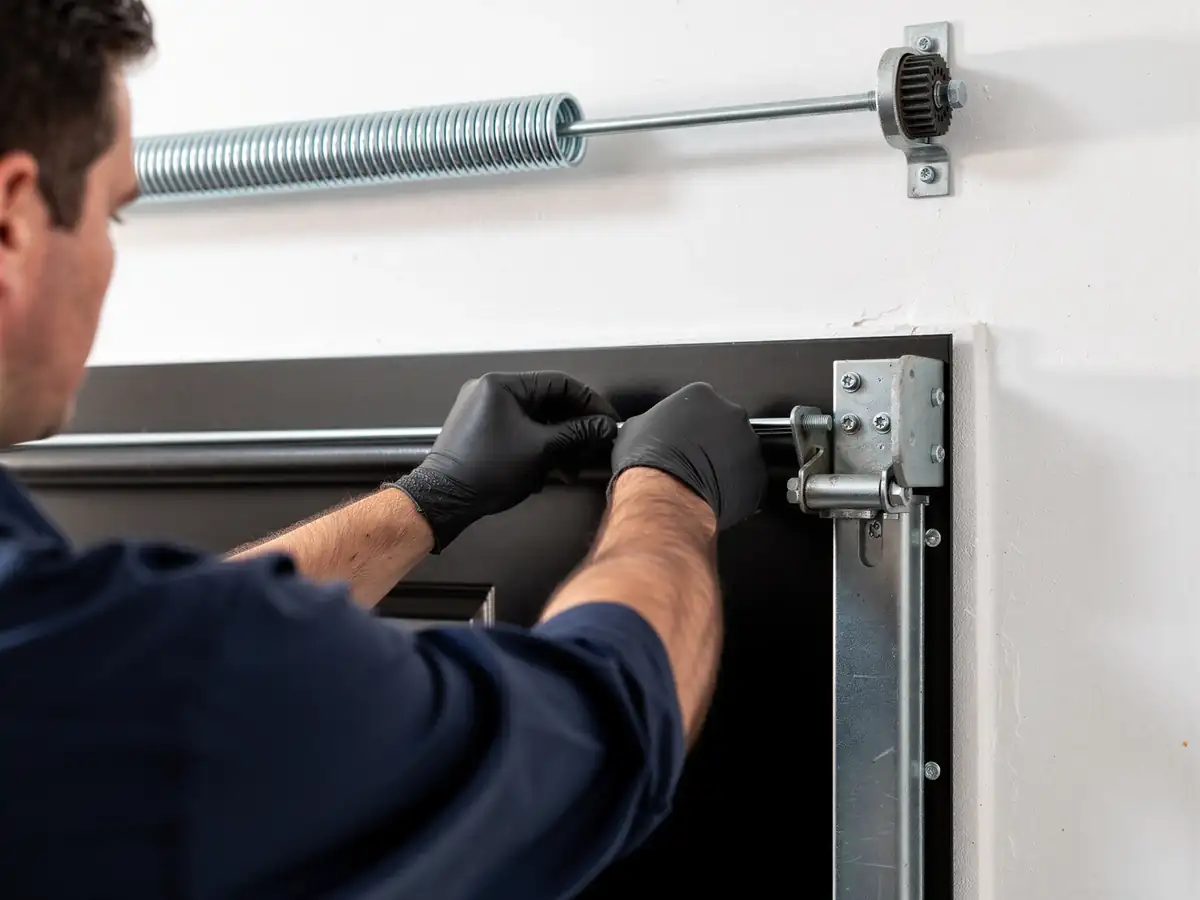
Some of it, yes. Spraying the rollers and hinges with a light lithium grease, vacuuming the track, and checking that the weatherstripping along the bottom panel still seals are all homeowner jobs. What isn't a homeowner job: touching a torsion spring, adjusting the force or travel limits on an opener, or tightening lag bolts on the header bracket. Those carry real injury risk, and on the newer openers common in Collinsville's 2000s-built homes, misadjusting the travel limit can also trip a safety reversal sensor and leave the door stuck half-open until it's reset properly. If you're not sure which category a task falls into, that's reason enough to have someone look at it rather than guess.
Why This Fails Locally
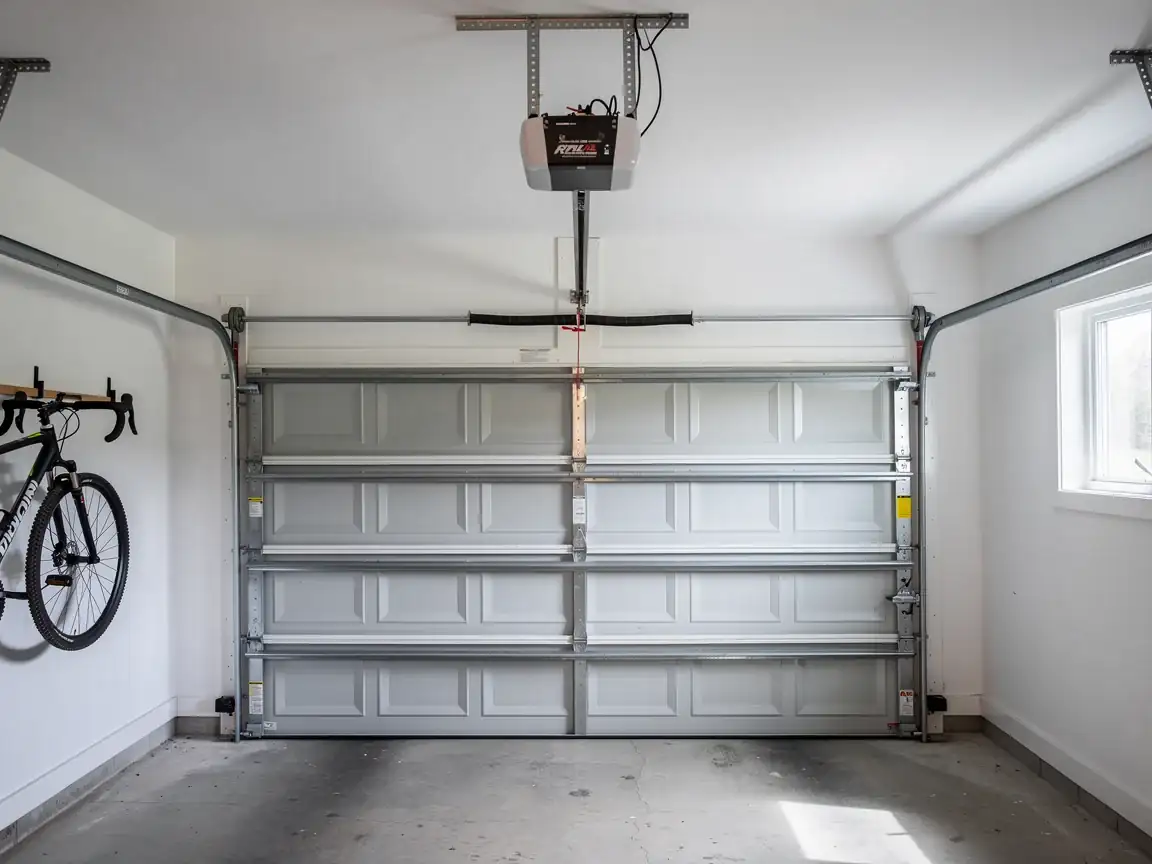
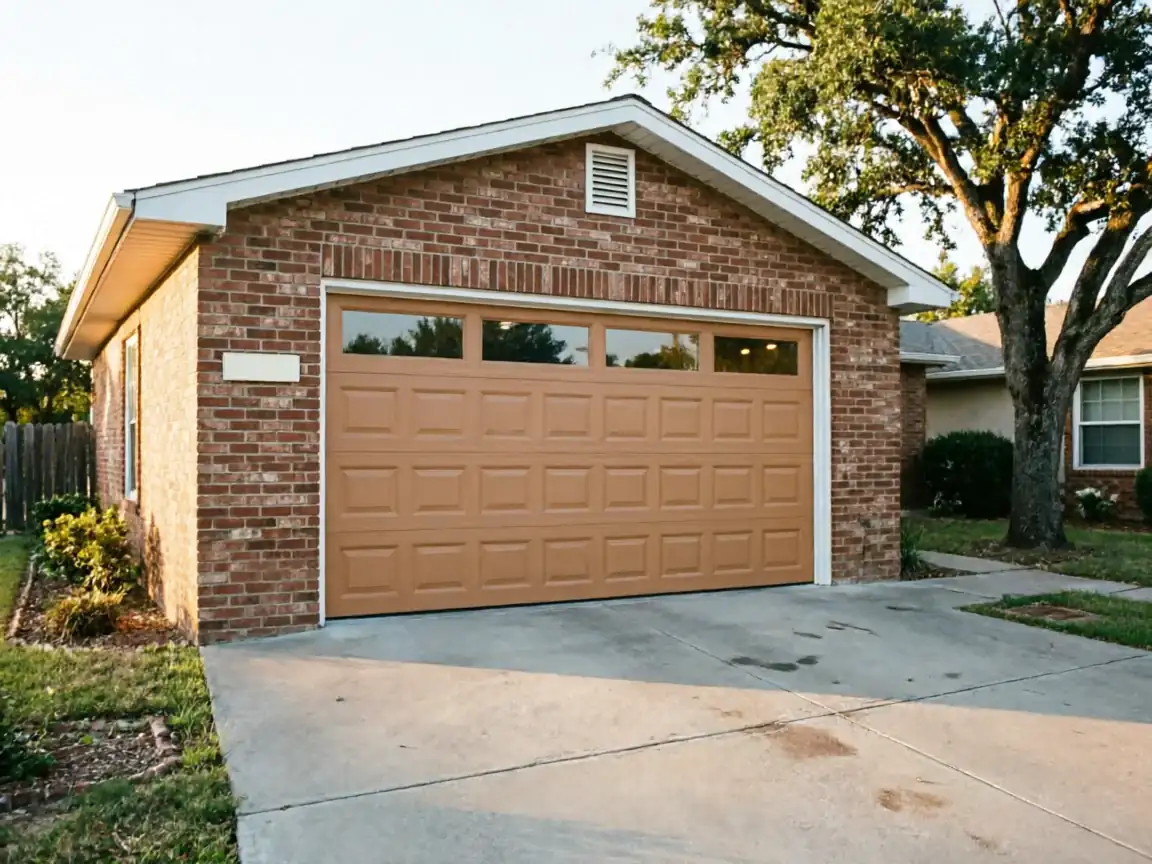
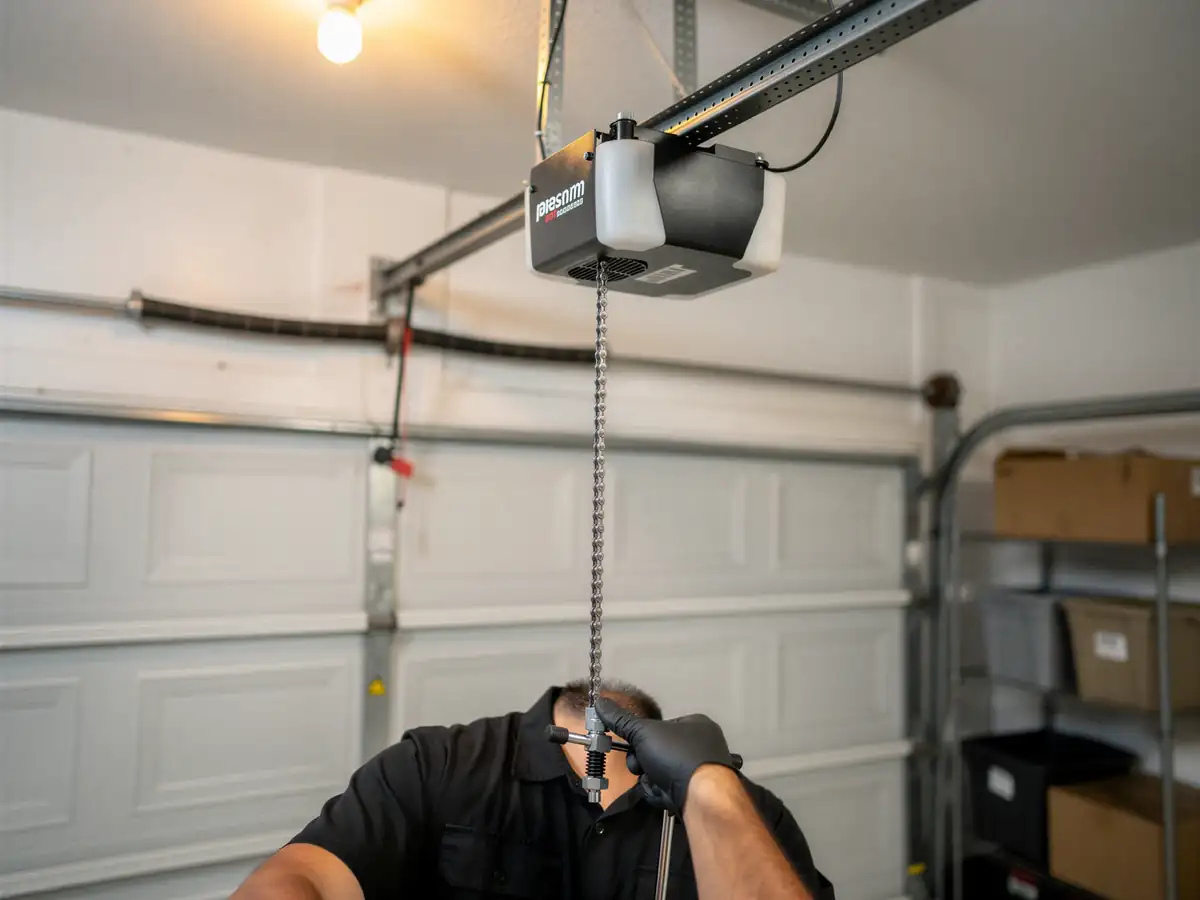
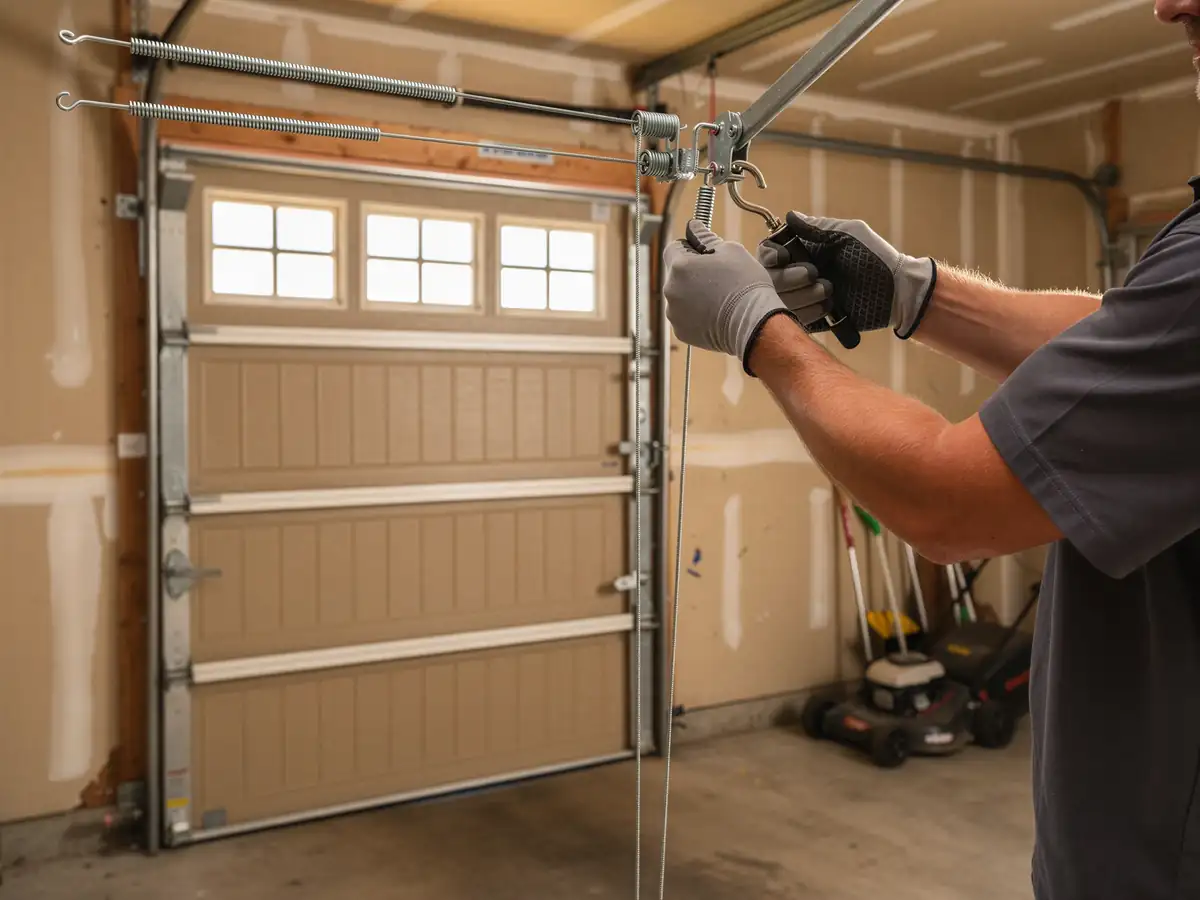
Collinsville's housing stock runs newer than a lot of the wider Owasso service area - the median build year here is around 2002, well past the 1965-2005 span (median 1986) that covers the region as a whole. That matters for maintenance because newer houses mostly came with steel torsion-spring systems and chain or belt-drive openers from the factory, not the older extension-spring setups still common on the area's 1960s-80s stock. The failure pattern is different too: instead of a worn extension spring stretching out, you're more likely dealing with a torsion spring losing tension evenly over years of cold-weather cycling, or a plastic drive gear in the opener wearing down from winter use. Skipping maintenance on this newer hardware doesn't usually mean a sudden snapped cable - it means a door that gets slower and noisier for months before something finally gives.
How Long It Takes
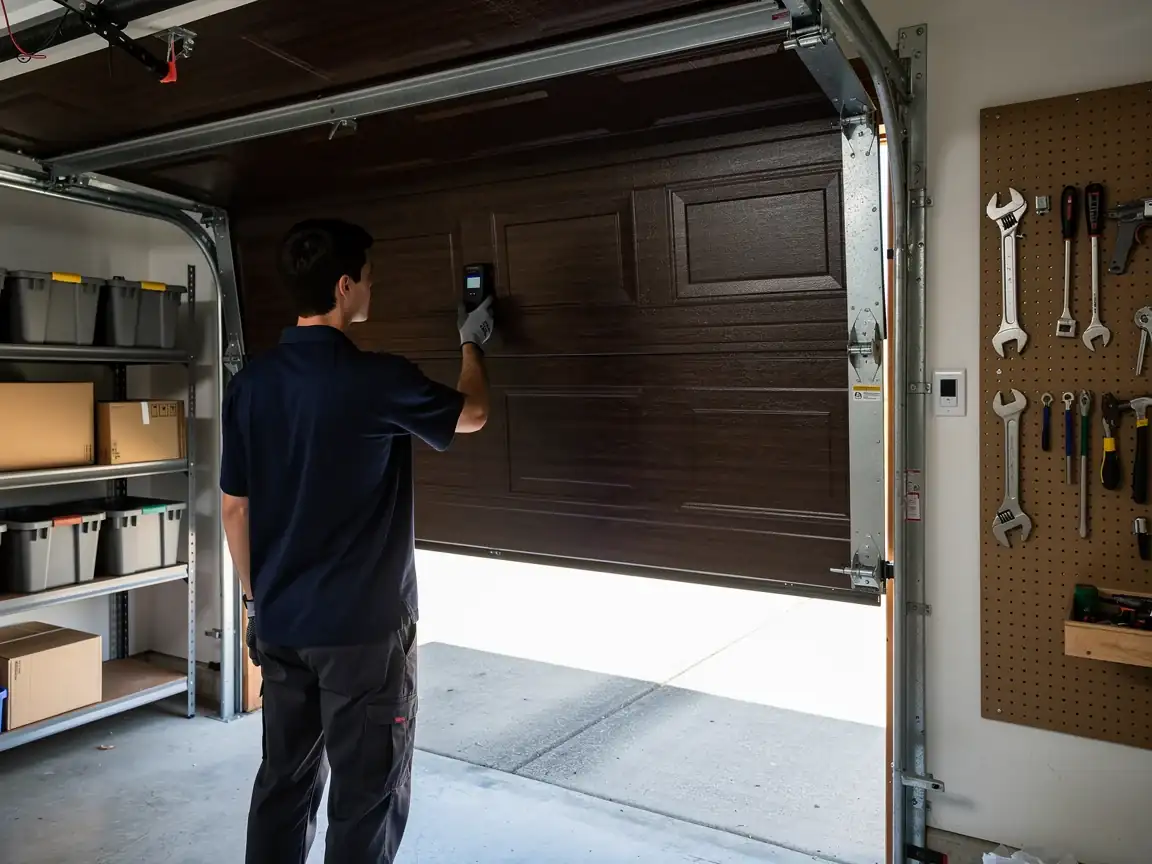
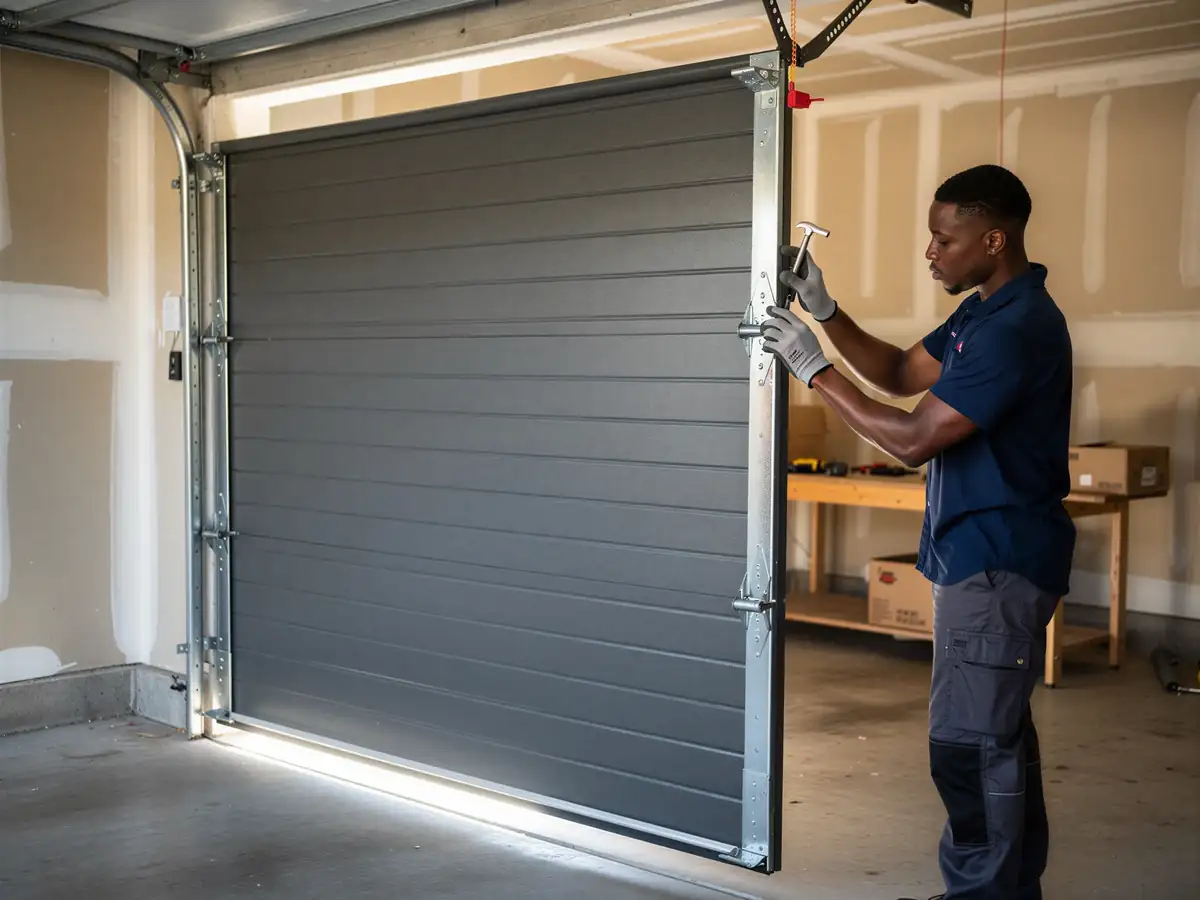
A standard maintenance visit - lubrication, hardware check, spring tension check, opener sensor alignment, track inspection - runs about the same length of time whether the door is a 1980s extension-spring unit or a 2000s torsion system, since most of the work is inspection and adjustment rather than parts replacement. Where it changes is if we find something that needs fixing on the spot. A drive gear that's worn through on an opener, or a torsion spring that's already lost noticeable tension, adds time for the repair itself. We'll tell you up front if what we're seeing is beyond a maintenance visit and into repair territory before we start charging for extra time.
What It Costs
We don't publish a flat number for maintenance because what a visit runs depends on whether the door needs adjustment only or needs a part replaced along the way - a torsion spring job costs more than a lubrication and sensor check, and we won't know which one you need until we're looking at the door. Collinsville's median household income runs higher than the broader service area's $77,403, and higher than average in this market generally means homeowners catching problems at the maintenance stage rather than waiting for a full breakdown - which is the cheaper way to go either way. We'll give you a number before any work starts, not after.