The Complications
The fault we see most in Oologah isn't the same one we see closer to Owasso
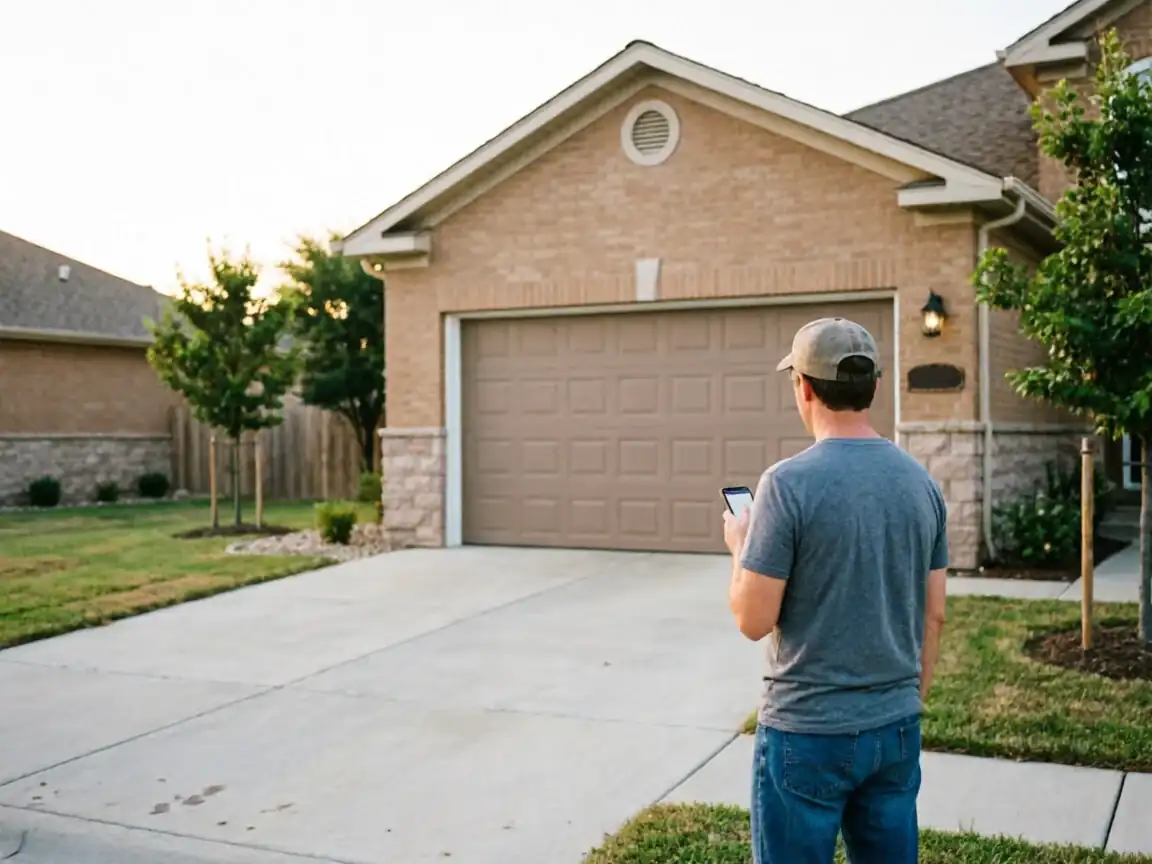
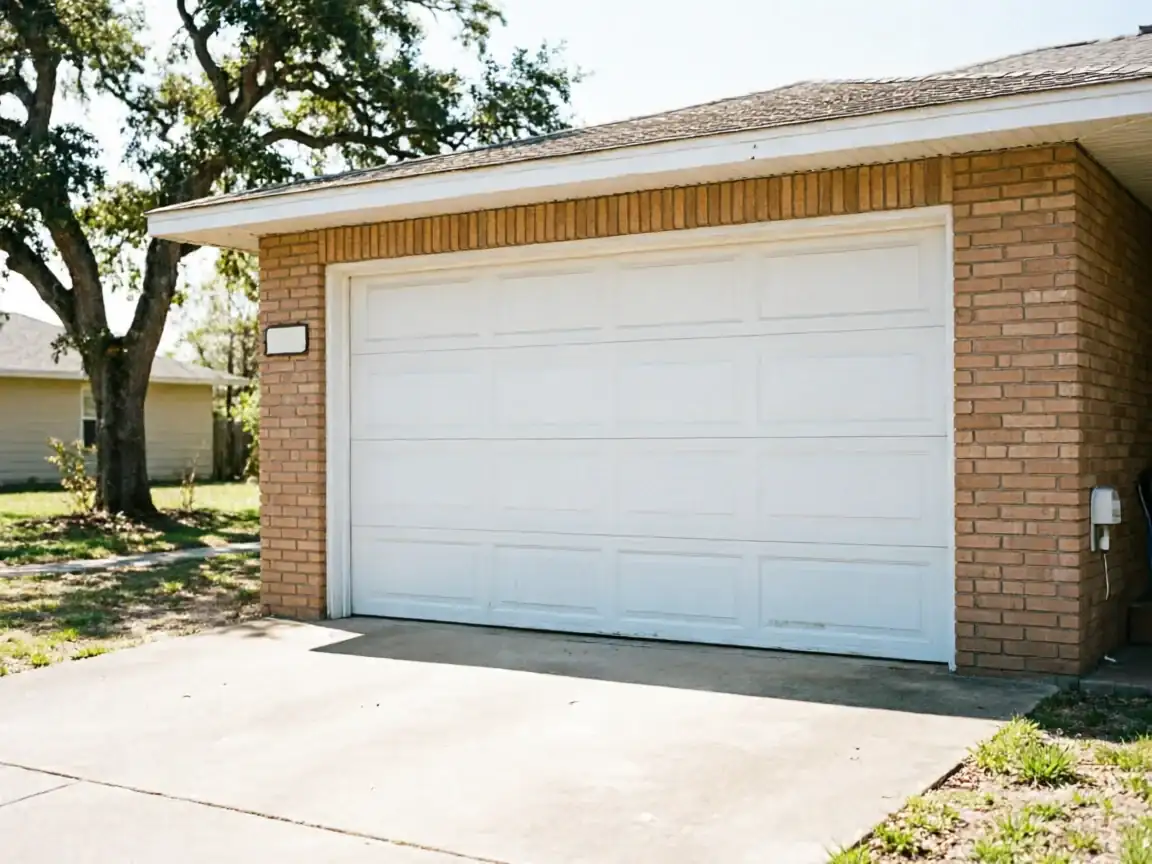
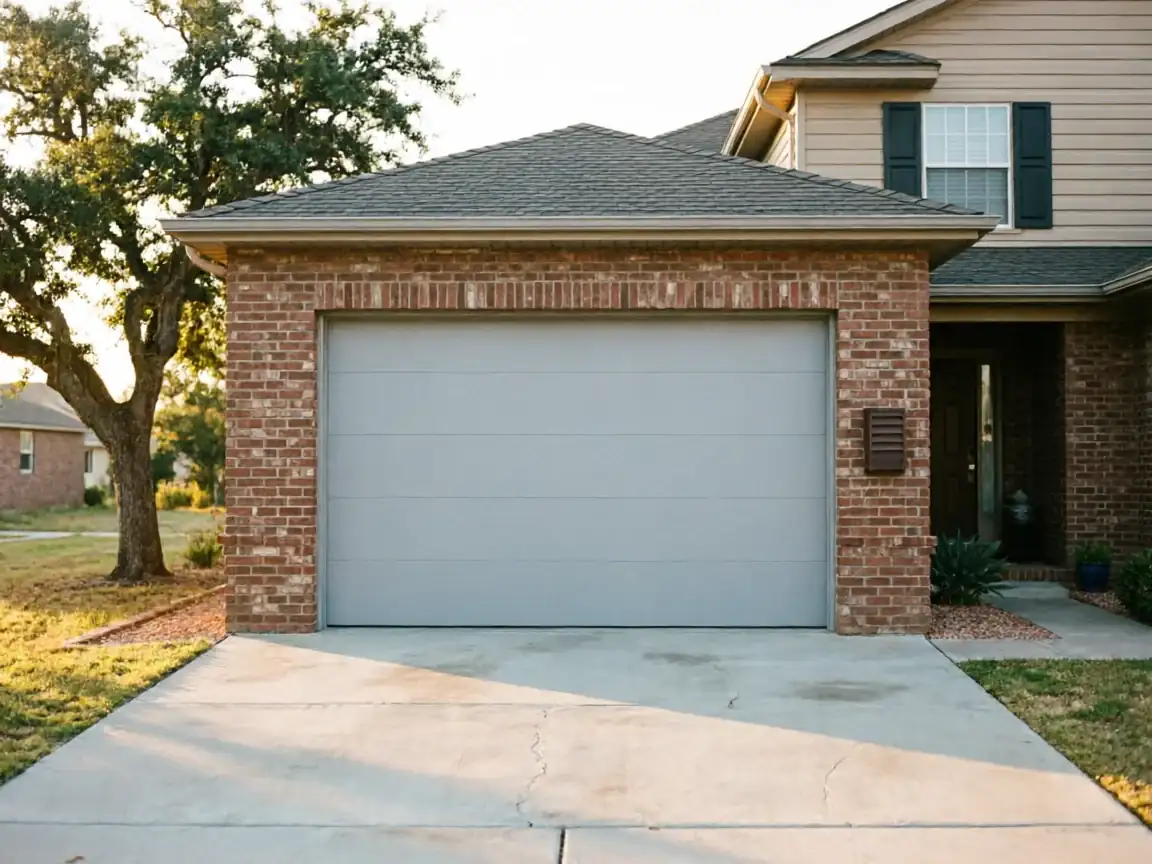
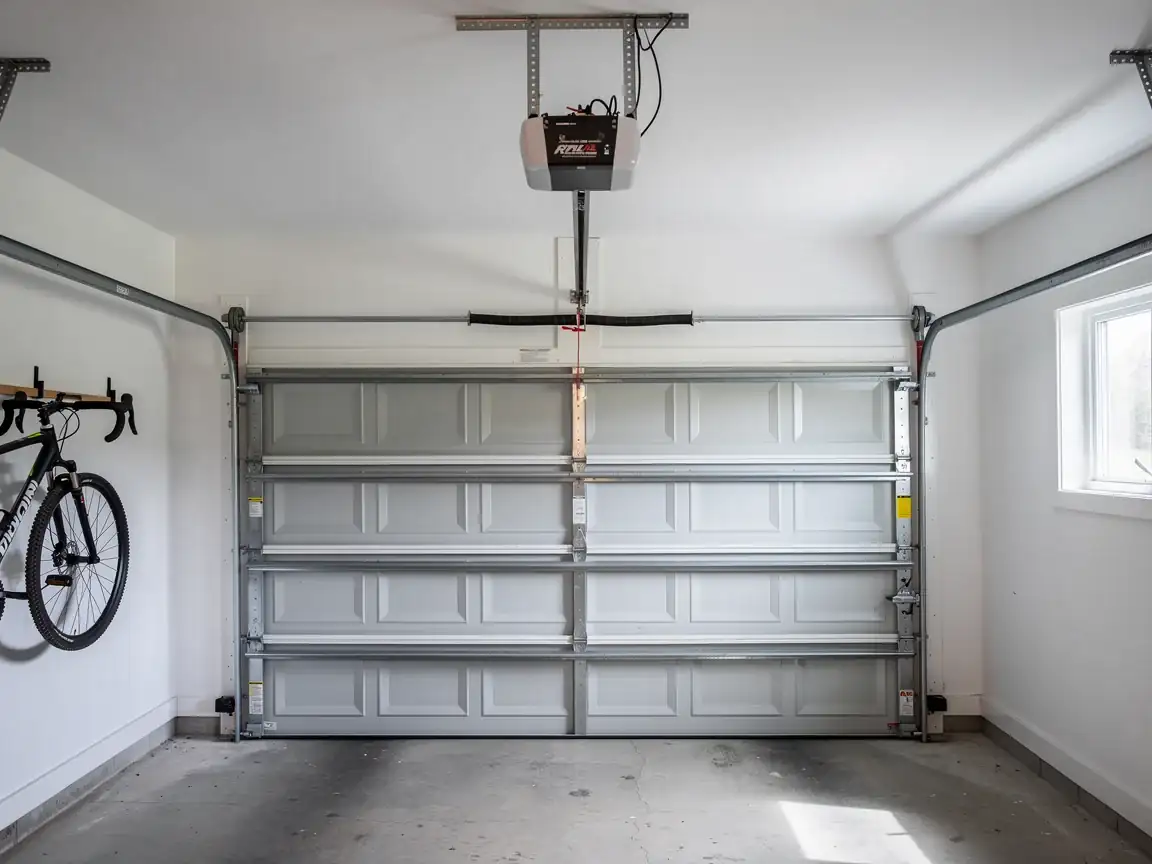
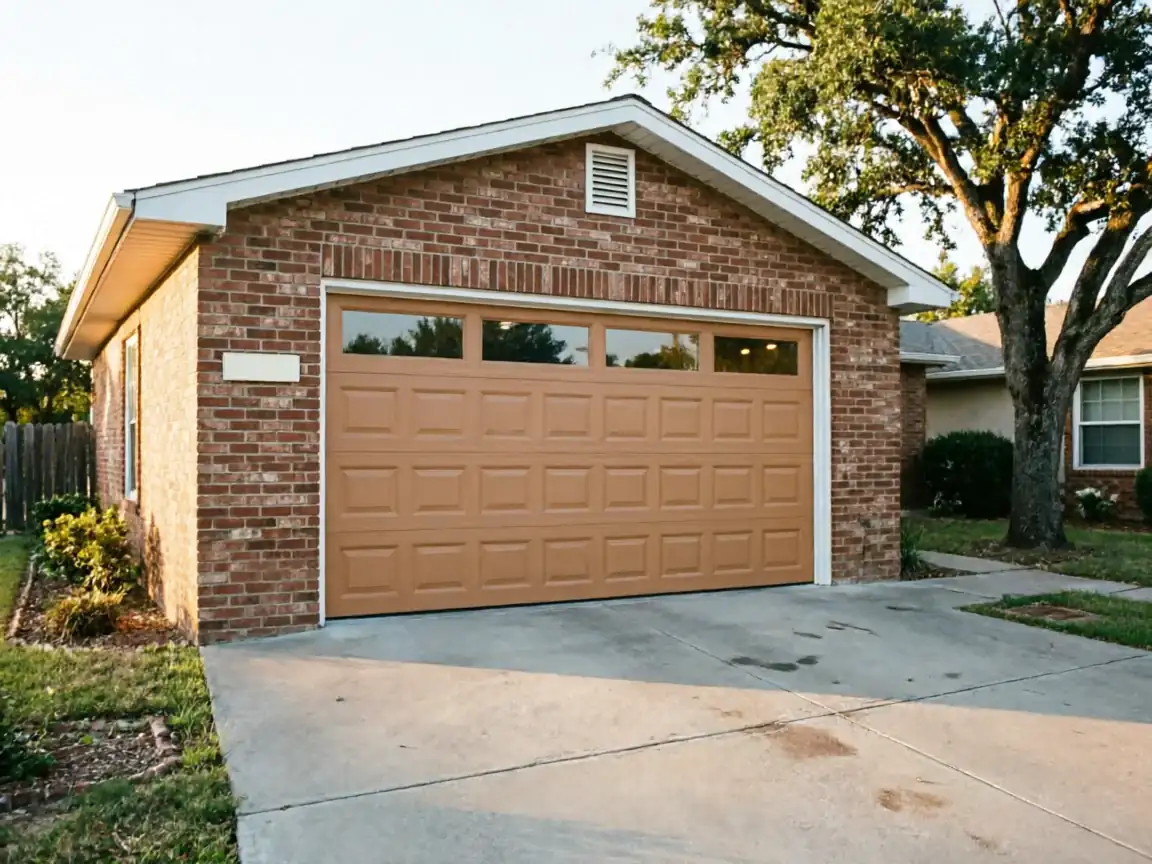
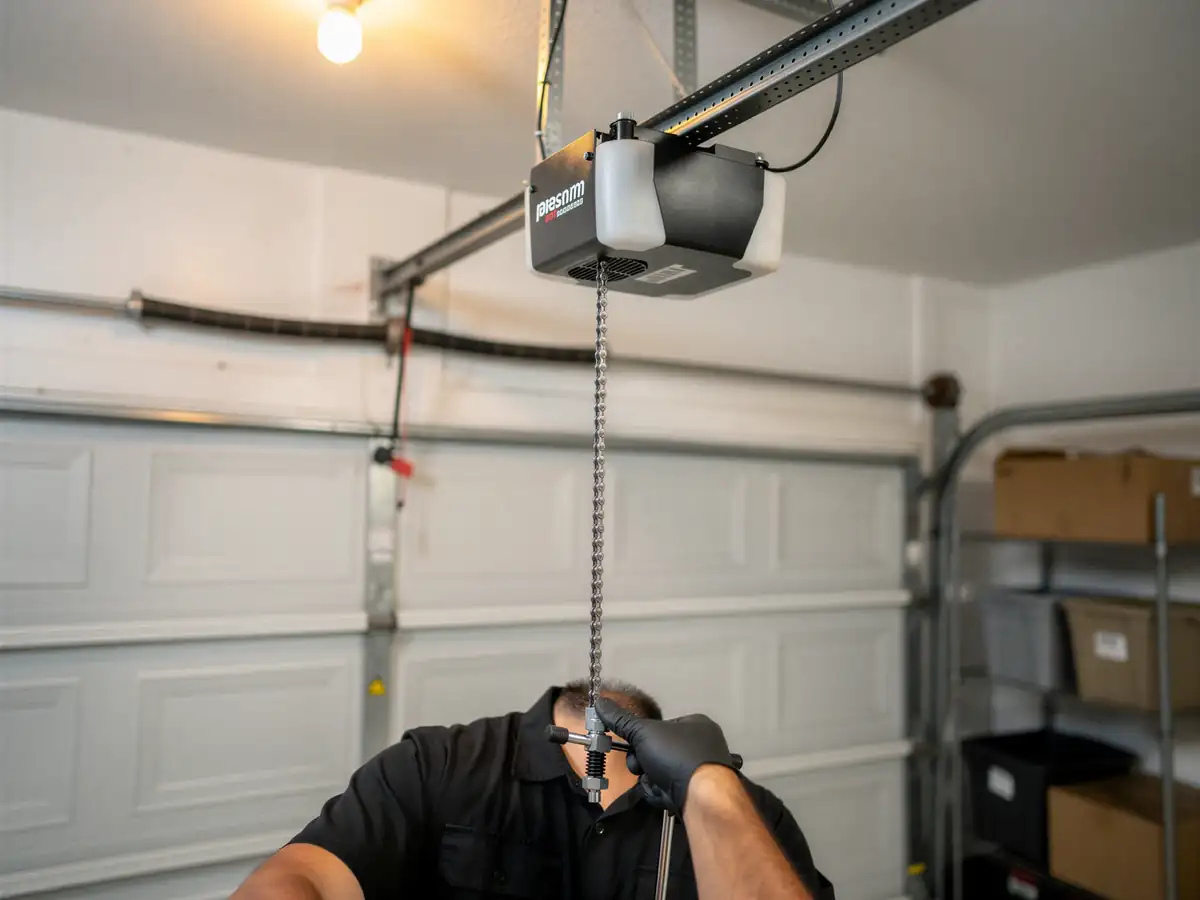
Houses out here cluster around a median build year of 1991, which puts a lot of original openers and torsion springs right at the edge of their service life - chain-drive units from that era were rated for a given number of cycles, and most are well past it by now. The symptom is usually the same: the opener strains, reverses partway up, or the door drops a few inches before the safety sensor catches it.
Second to that is weather fatigue
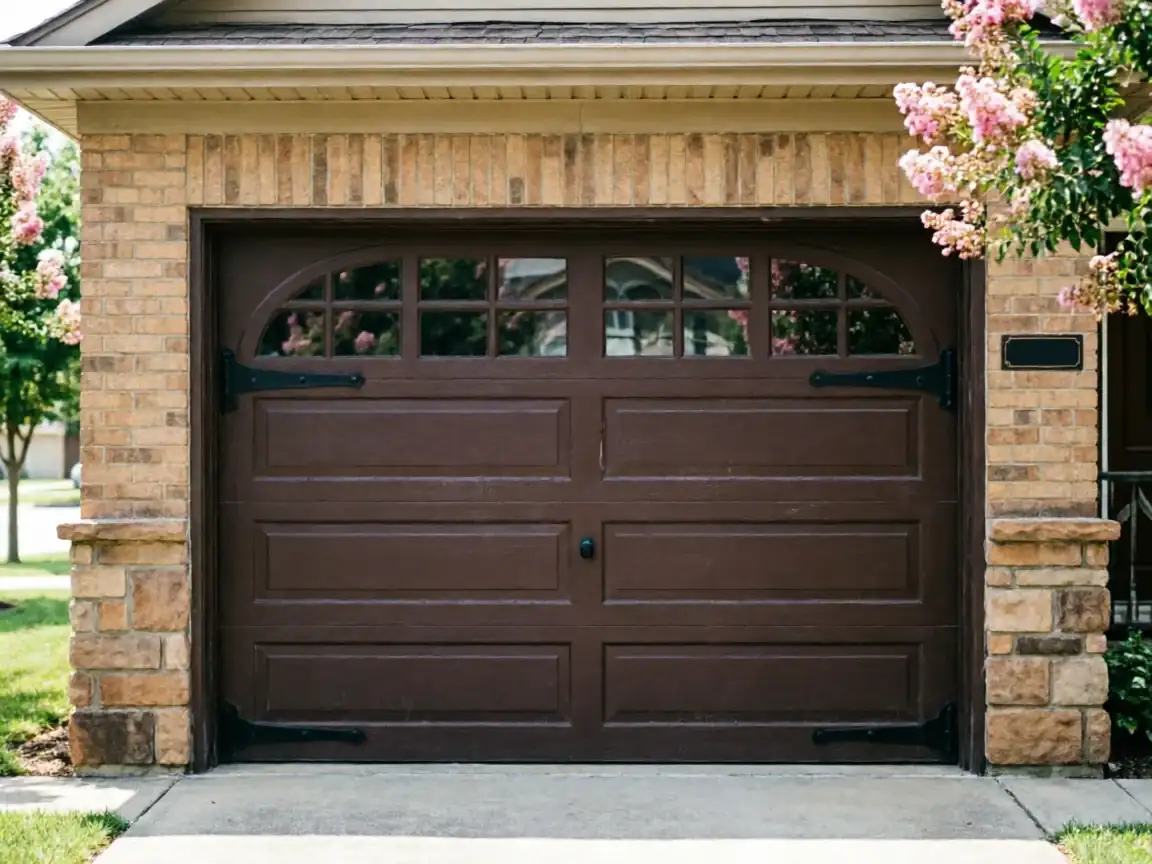
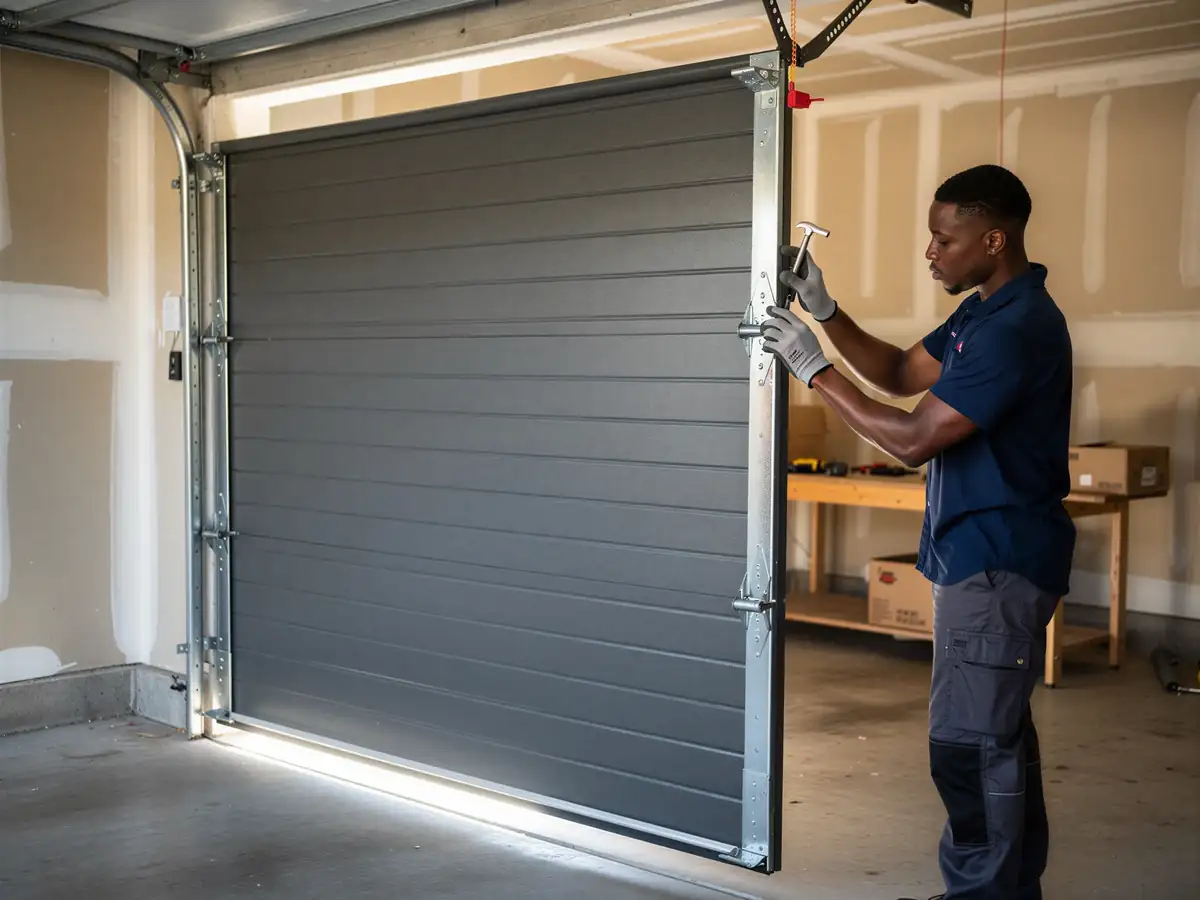
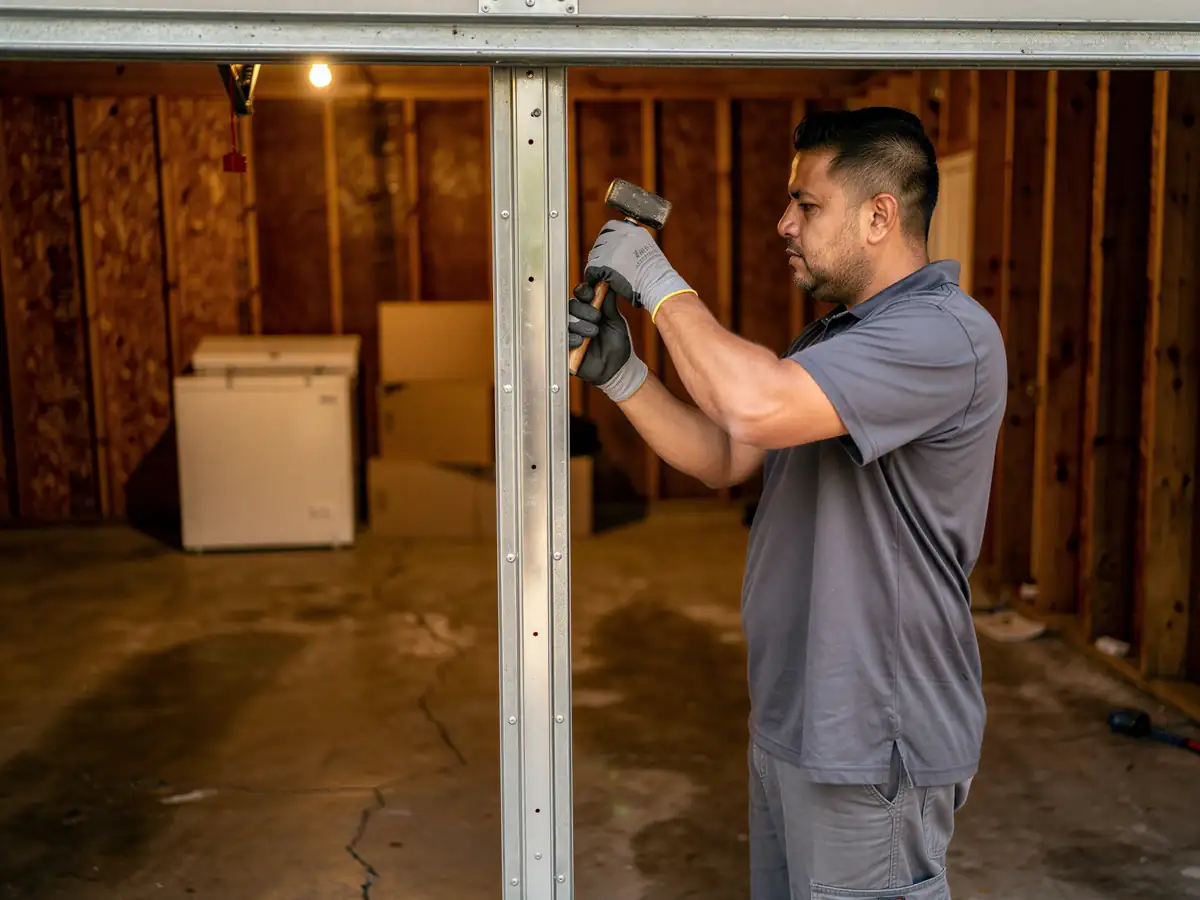
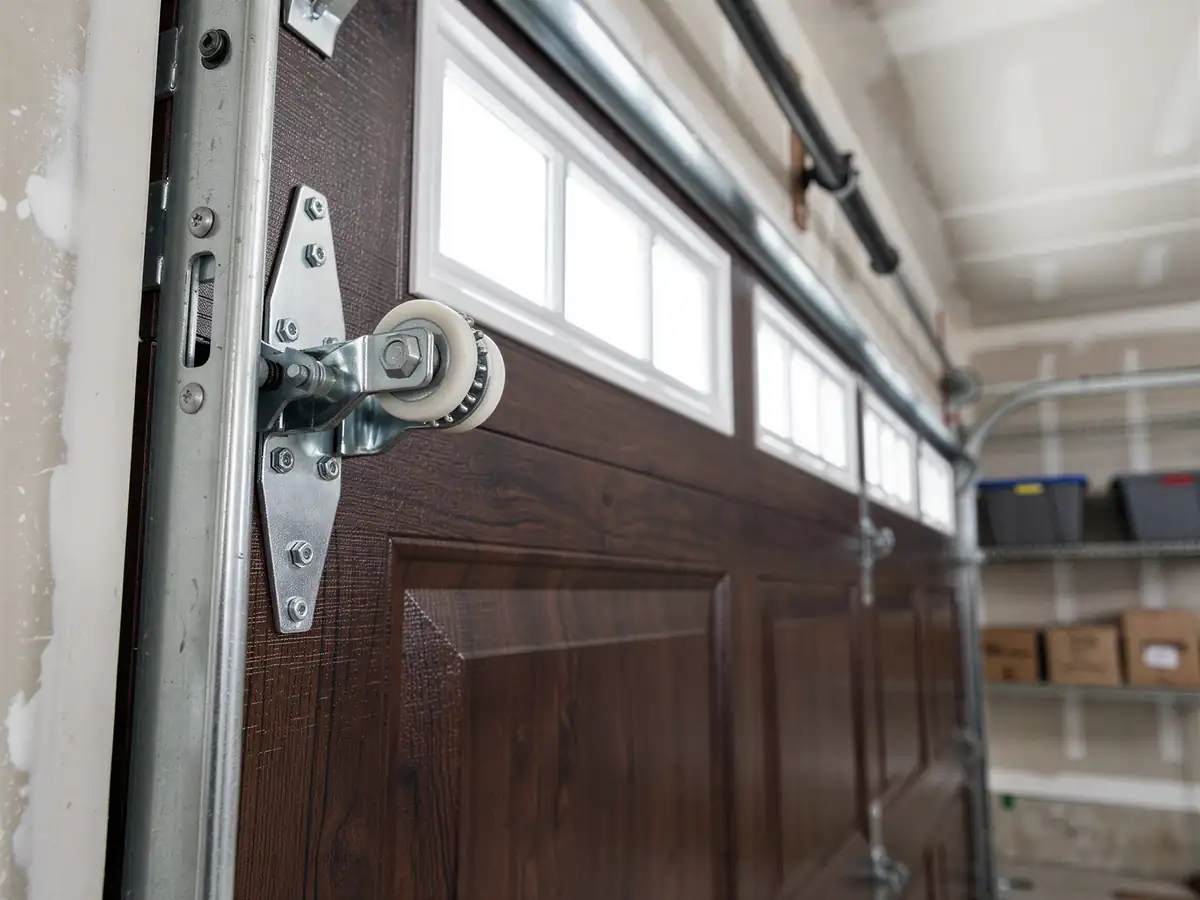
Oologah sits in the same cold-moderate climate band as the rest of the service area, which means freeze-thaw cycling on steel tracks and galvanized hardware every winter. On a door that's already 25-plus years old, that cycling finds the weak bolt, the stretched cable, or the roller that should've been swapped out a decade ago. None of this is dramatic - it's slow wear showing up as a loud bang, a door that sticks halfway, or an opener that runs hot. Catching it during a maintenance visit, rather than after the spring snaps on a Saturday, is the whole point.
Can You Do This Yourself
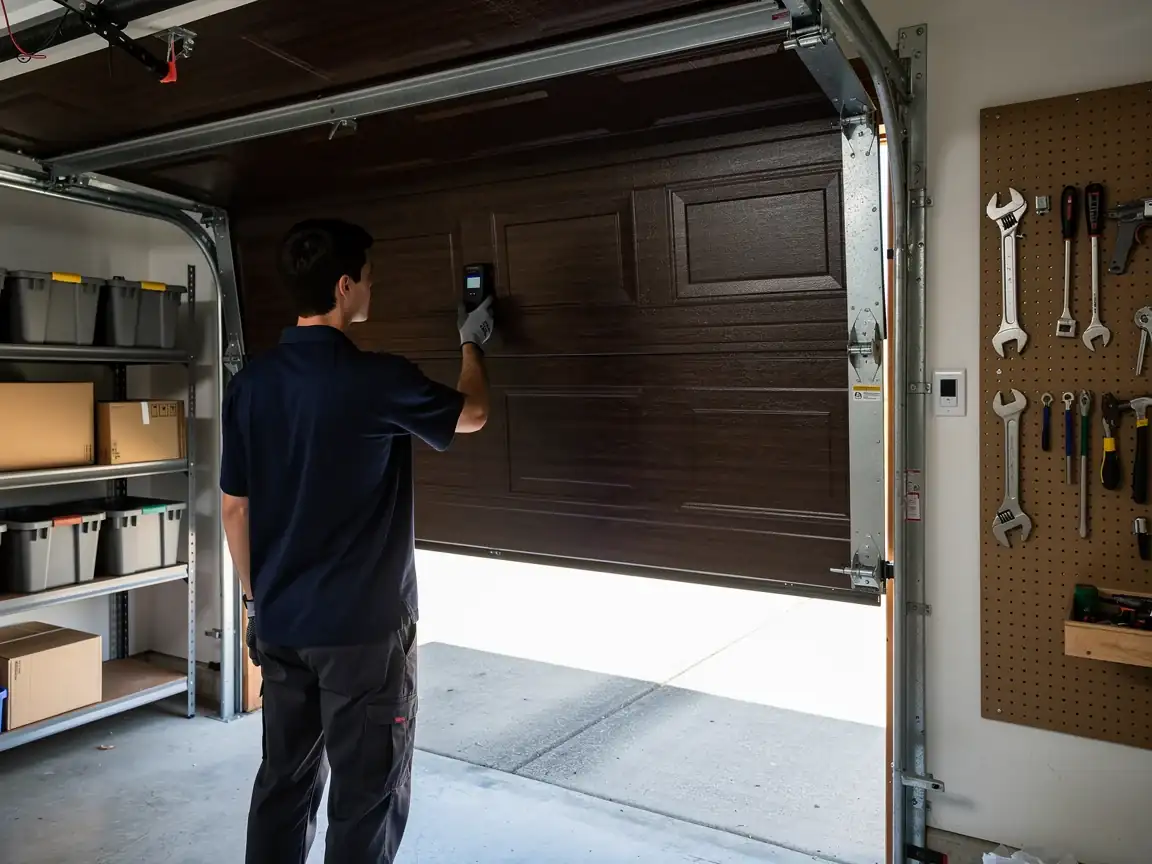
Some of it, yes. You can vacuum the tracks, wipe down and lightly lubricate the rollers and hinges with a garage-door-specific lubricant (not WD-40, which washes grease out rather than adding it), and check that the photo-eye sensors near the floor are clean and aligned. You can also test the auto-reverse by laying a 2x4 flat under the door and making sure it bounces back up.
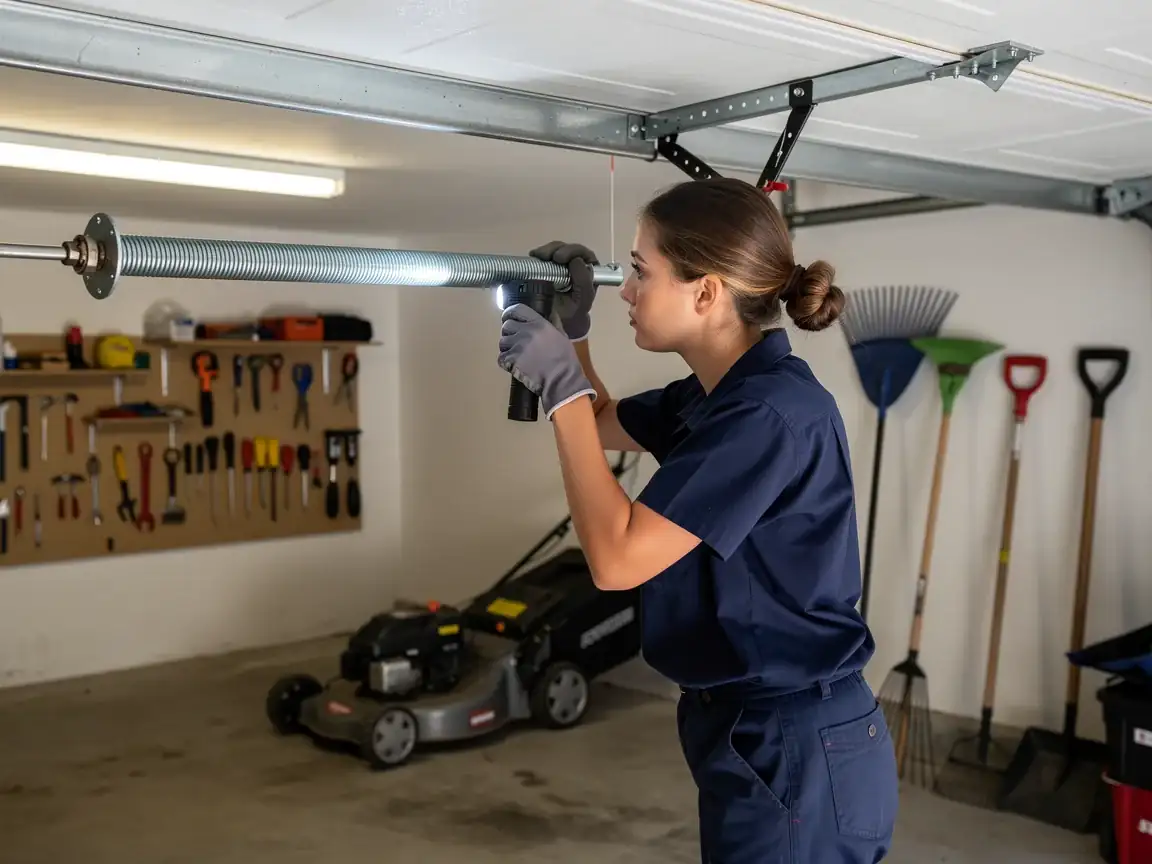
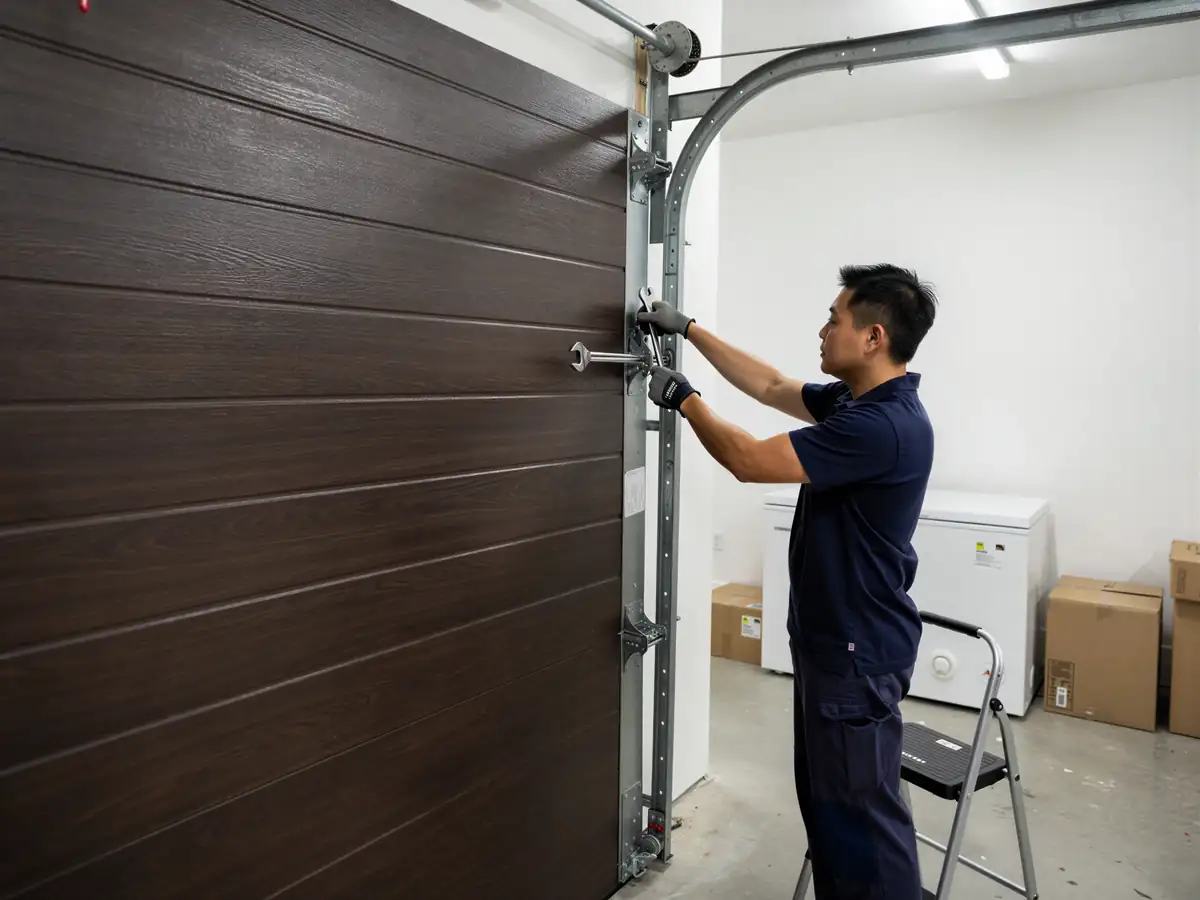
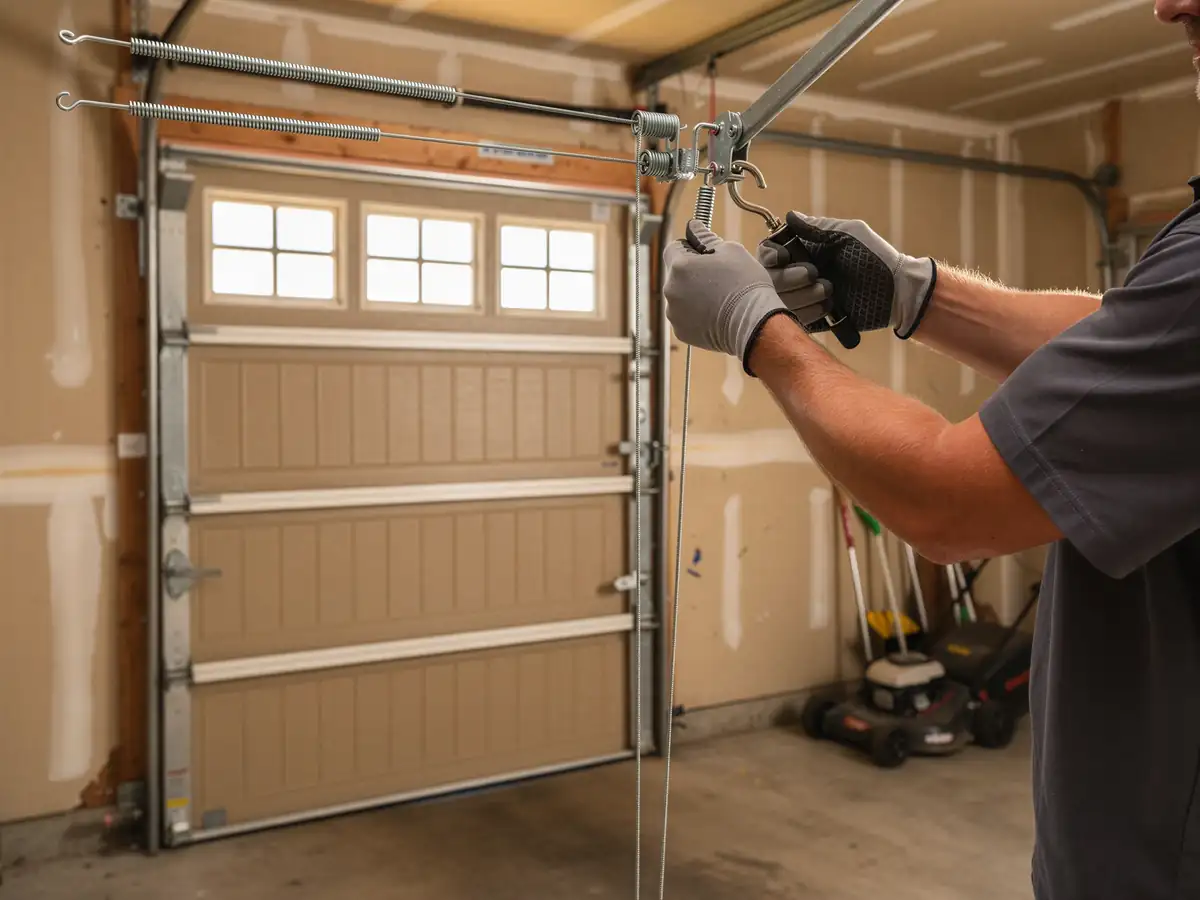
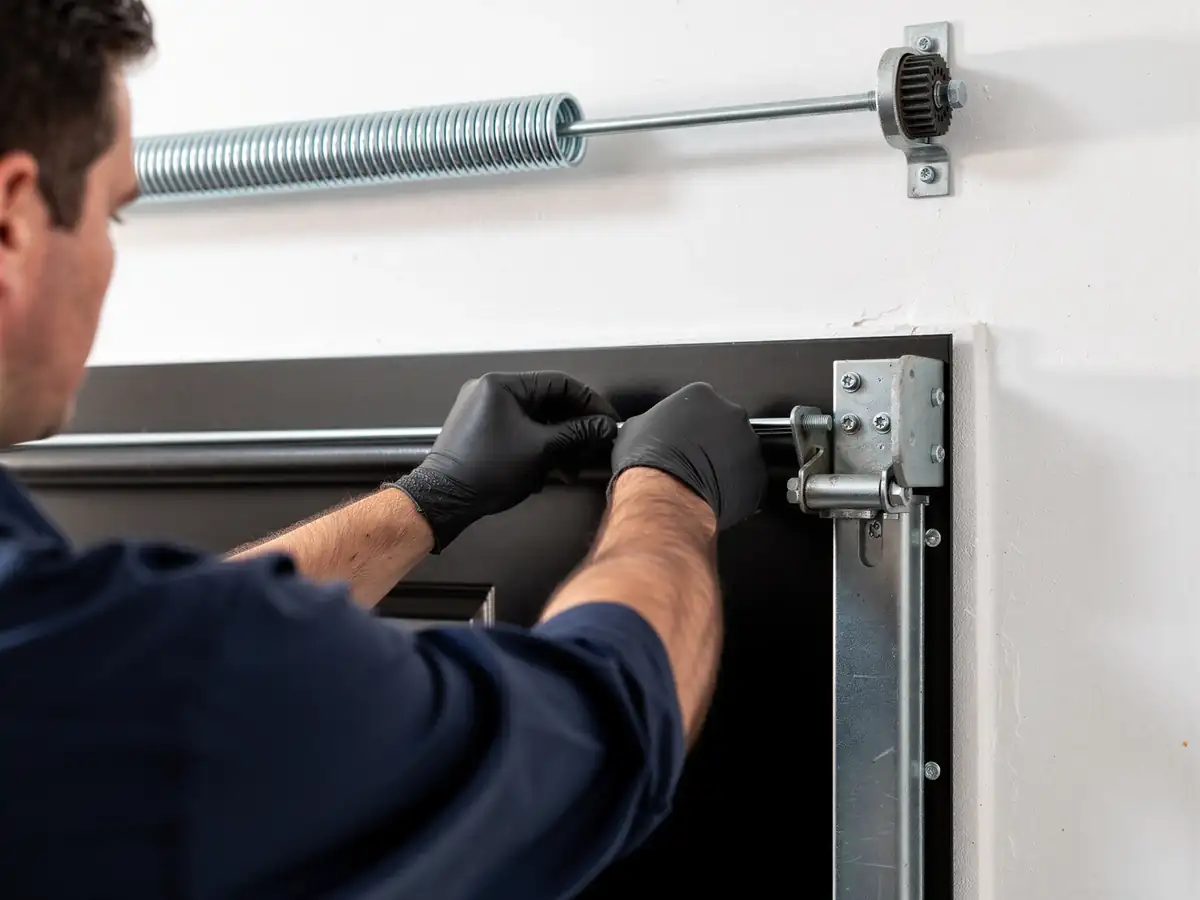
What you shouldn't do yourself: anything involving the torsion spring or the cables under tension. On a door this age, those springs are wound to a force that can break bones if they let go wrong, and we don't recommend DIY spring adjustment at any age of door, in any town. If the door is slow to respond, grinds on the track, or the opener motor is noticeably louder than it used to be, that's a hardware problem, not a lubrication problem, and it's worth a proper look rather than a guess.
Parts We Carry
For a town with housing concentrated around 1991, the parts we load for an Oologah maintenance call lean toward what fits that generation of door: standard torsion springs sized for the common 7-foot and 8-foot residential openings, steel rollers (nylon where the track allows), galvanized lift cables, and replacement photo-eye sensors - a lot of original sensors from that era have cloudy lenses or brittle wiring by now.
We carry openers and belts too, but maintenance visits are mostly about the spring, track, and sensor side - the parts that wear down quietly rather than fail all at once. One limitation worth saying plainly: if a part is obsolete or a specialty size, it isn't always on the truck the same day, and we'll tell you that up front rather than guess.
What It Costs
We don't have a posted price list for Oologah specifically
And quoting a number without seeing the door would be a guess, not a fact. What we can tell you is what drives the cost on a maintenance visit here: the age of the hardware (a 1991-era door usually needs more parts replaced per visit than a newer one), whether the opener needs sensor or logic board attention, and the drive out - Oologah runs about 13 miles from our Owasso base, which is close enough that it isn't a separate trip charge the way a farther call might be.
- 13 miles
Households in this area report a median income around $83,977
And across roughly 707 households in Oologah, we see a fairly consistent profile of doors needing the same handful of fixes - which is part of why a maintenance visit tends to be more predictable here than a full repair call on a door that's already failed.
- $83,977 median household income
- 707 households
How to Book
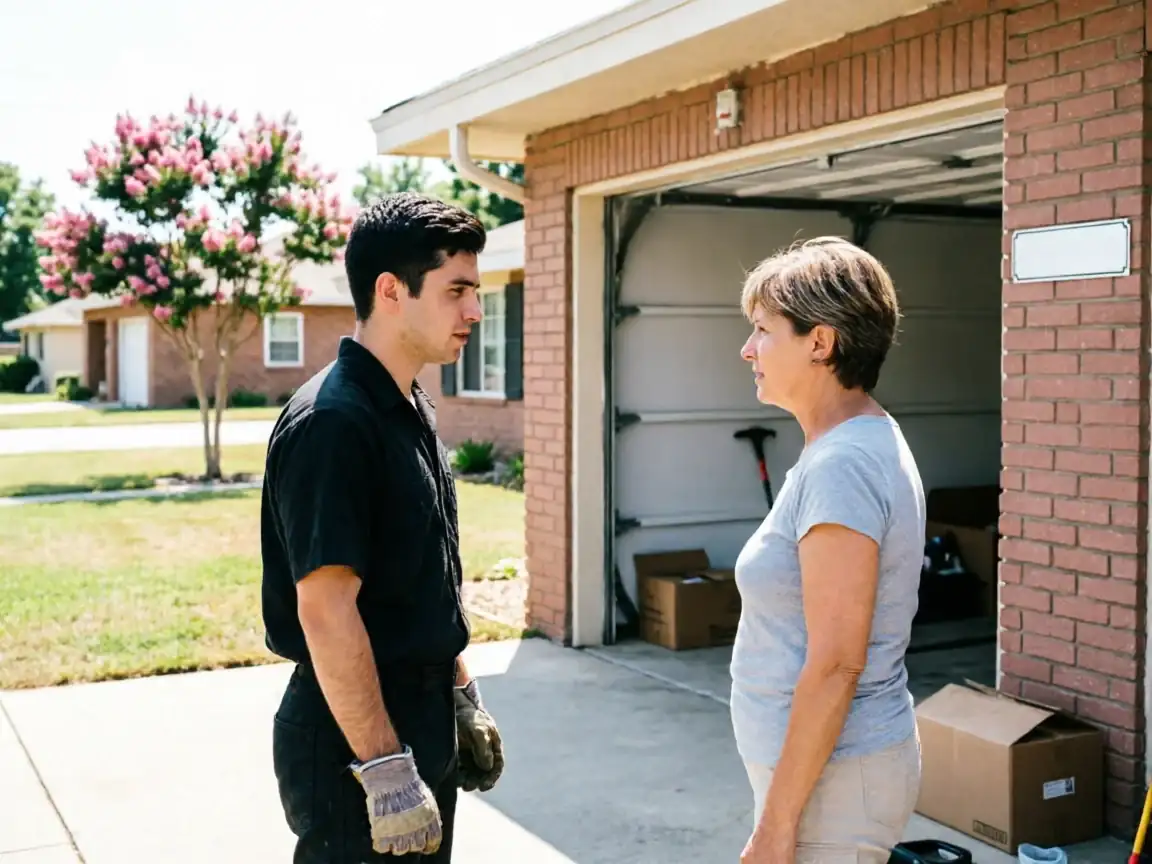
We run Oologah maintenance calls out of our Owasso shop, about 13 miles away, so we schedule by route rather than promising a same-day window we can't back up. If your door is still opening and closing on its own but sounds different than it used to - louder, slower, or catching partway - that's exactly the stage where a maintenance visit catches the problem before it becomes a repair. Call to get on the schedule, and mention the age of the house if you know it; for a 1991-built home that's a useful detail for us before we even load the truck.